Main Facts
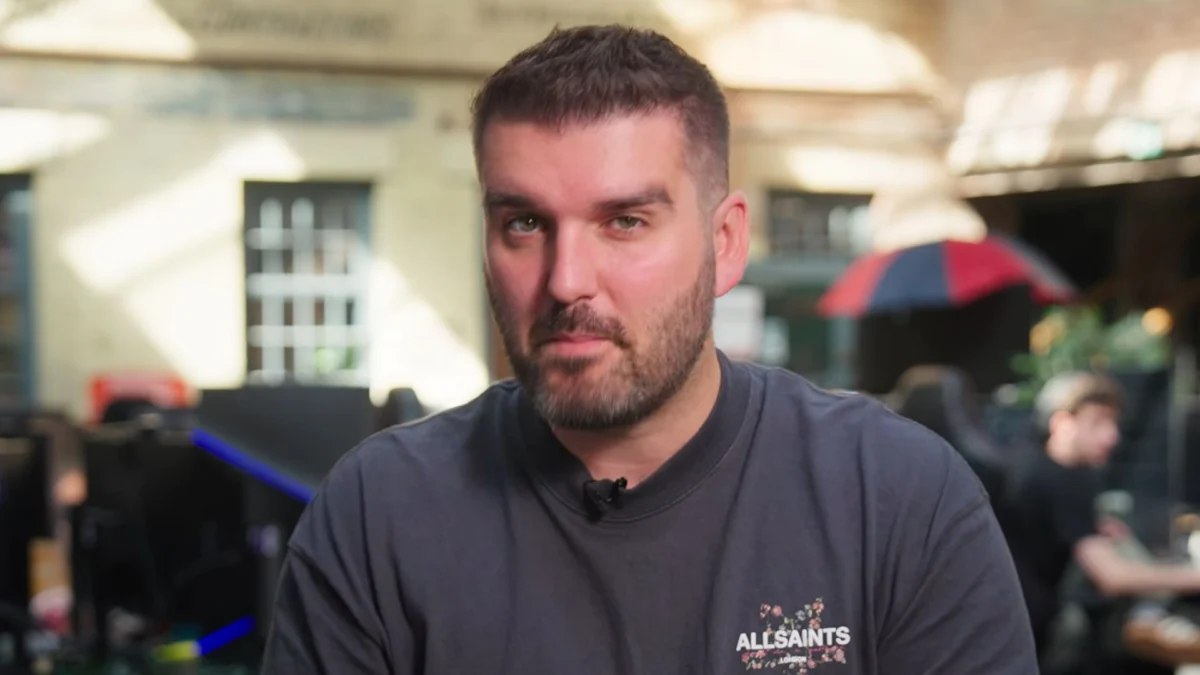
The video game industry is once again reckoning with its deeply entrenched labor practices following explosive comments made by Joe Brammer, CEO of independent studio Bulkhead. Fresh off the massive commercial success of their newly launched shooter, Wardogs—which reportedly eclipsed two million sales in its opening weekend after being previously abandoned by industry giant Tencent—Brammer found himself at the center of a raging controversy.
During an appearance on The Game Business Show, hosted by Christopher Dring, Brammer openly admitted that mandatory overtime, or "crunch," is not only a regular occurrence at Bulkhead, but acts as a primary filter for new hires. According to the CEO, the studio actively screens applicants’ social media profiles, disqualifying anyone who vocalizes anti-crunch sentiments. Brammer framed this policy as a matter of cultural alignment, arguing that prospective employees must prioritize the studio’s output over their personal lives to feel "valued."
The comments have ignited fierce condemnation across social media platforms like Bluesky and X (formerly Twitter), where game developers, producers, and industry analysts have criticized Brammer’s management style as antiquated, toxic, and indicative of systemic leadership failures. Despite offering financial incentives and bonuses to offset the grueling hours, Bulkhead’s unabashed embrace of burnout culture stands in direct opposition to years of progressive labor advocacy within the gaming sector.
Chronology
To understand the current storm surrounding Bulkhead and Wardogs, it is essential to trace the timeline of events leading up to the controversy:
- The Tencent Fallout: At some point prior to its breakout success, Wardogs was abandoned by its original backer, tech conglomerate Tencent, leaving the independent developer scrambling to finish and launch the shooter on its own terms.
- Launch Weekend Success: Wardogs officially launched to unexpected viral acclaim, capturing the attention of the PC gaming community and racking up an astonishing two million sales within its first weekend on the market.
- The Air Mattress Reveal: On launch day, Bulkhead CEO Joe Brammer posted studio tours on X that prominently featured a room lined with air mattresses, intended for employees pulling overnight shifts to stabilize and fix the game’s heavily strained servers.
- The Game Business Show Interview: Brammer sat down with Christopher Dring on The Game Business Show. During the conversation, Brammer discussed the studio’s indie journey, the unexpected triumph of Wardogs, and unrepentantly detailed Bulkhead’s screening process for anti-crunch social media posts.
- The Industry Backlash: Within hours of the interview’s publication, industry professionals took to Bluesky and other platforms to publicly denounce Brammer’s statements, citing peer-reviewed studies proving crunch’s inefficacy and pointing out that forced overtime is fundamentally a symptom of poor project management.
Supporting Data and Evidence
The friction between Bulkhead’s leadership and the broader game development community highlights a stark ideological divide backed by years of empirical data regarding workplace productivity, mental health, and economic output.
The Human and Financial Cost of Crunch
Brammer’s assertion that employees must treat the game as "more important than a lot of [their] family lives" resurrects painful memories for an industry that has spent the last decade trying to reform its labor practices. Major exposés by outlets like Kotaku and commitments from companies like CD Projekt Red (following the grueling development cycles of The Witcher 3 and early struggles with Cyberpunk 2077) have long established the severe human toll of mandatory crunch. Studies repeatedly show that sustained excessive overtime leads to acute burnout, high employee turnover, diminished creative output, and ironically, project delays caused by compromised code written by exhausted programmers.
The Metrics of Wardogs‘ Success
Despite the toxic labor practices behind the scenes, Wardogs proved to be a commercial juggernaut. Key figures surrounding its launch include:
- 2 Million Sales: Achieved within a single weekend, defying the odds of a game previously written off and dropped by Tencent.
- Server Strain: The title’s sheer popularity overwhelmed its infrastructure, necessitating the infamous overnight server-patching sessions that prompted the deployment of office air mattresses.
Official Responses and Industry Reactions
The fallout from Brammer’s interview was swift, drawing sharp rebukes from across the development landscape. While Brammer defended the studio’s compensation structure as fair compensation for extra labor ("If we’re going to be a company that says ‘We do crunch,’ then you have to get something for it"), his peers were largely unpersuaded.
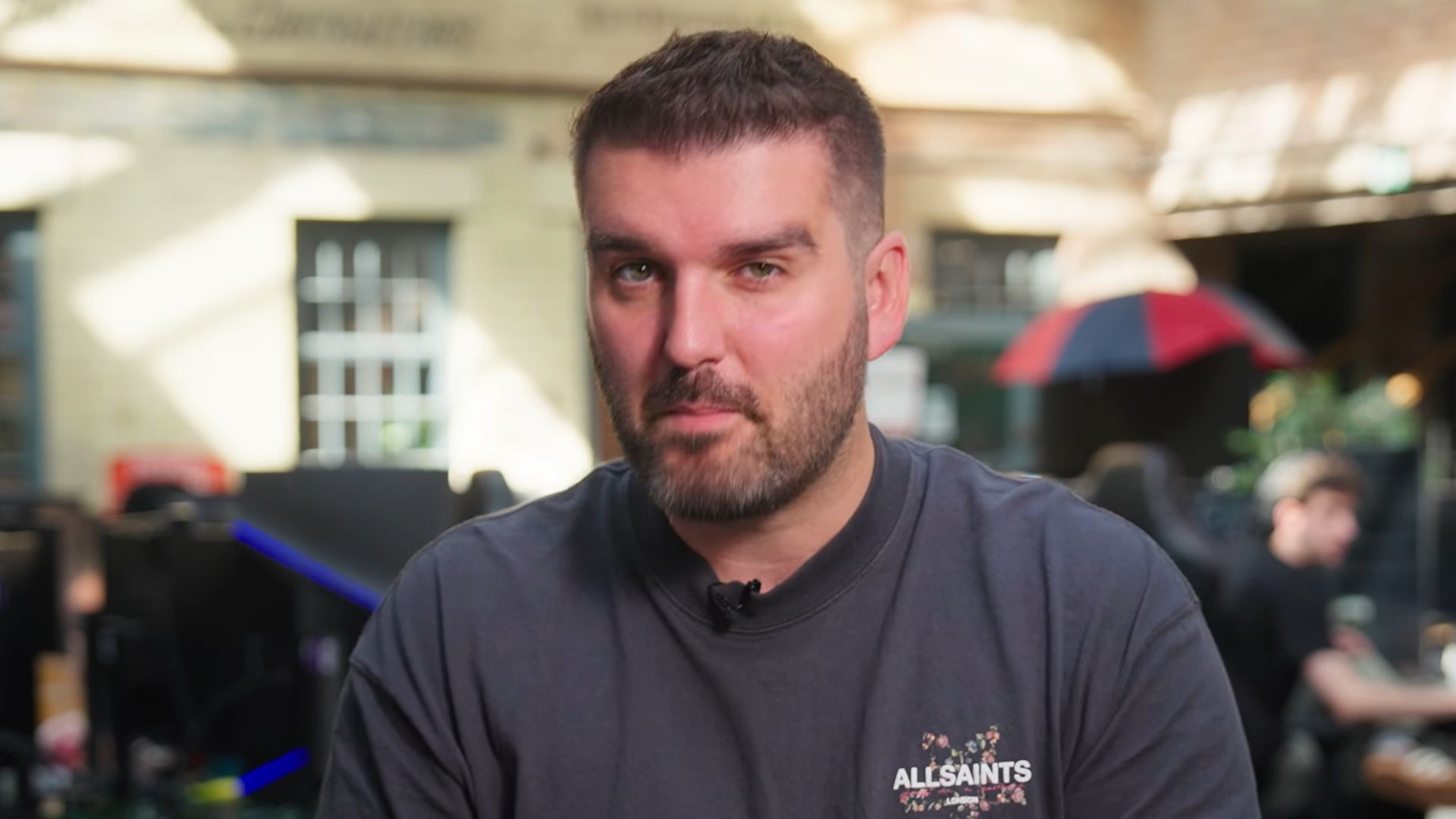
Joe Brammer’s Defense
Brammer doubled down on the studio’s vetting process during the podcast, explaining that transparency is key to their hiring model:
"A lot of people who may have an issue with crunch—rightly so… they often don’t make it in the door. Because we want to be known for that: this is a place you come to work hard… We check people’s socials, and if you’re constantly tweeting anti-crunch messaging… we know that and go, ‘Look, you’re not going to be happy here, so we’re not going to go with you.’"
Brammer did attempt to draw a boundary regarding ongoing demands, noting that while the team sacrificed their personal lives for three months leading up to the launch, management recently pushed back against external pressure to fast-track console ports to protect the staff from further exhaustion.
Peer Condemnation
Industry professionals were quick to dismantle Brammer’s justifications online, using platforms like Bluesky to voice their outrage:
- bplane (Game Developer): Highlighted the disconnect between modern management myths and reality, posting, "There’s an endless mountain of peer-reviewed, double-blind studies that show this shit doesn’t work and negatively impacts profits, but the facade of looking like you’re a big tough special boy is more important."
- Nazih Fares (Producer and Consultant): Pointed directly to structural deficits within the company, stating, "Tell me you need a producer without saying you need a producer."
- Michael Howe (Studio Gobo): Critinzed the glorification of overwork, writing, "Imagine being proud of your attitude towards crunch and calling it ‘hard work.’ Crunch is a result of bad planning and poor management. This stinks of lies and excuses to drag devs through the grinder, may this kind of lead never find me."
Implications for the Video Game Industry
The Wardogs controversy serves as a flashpoint for a broader existential crisis within game development. As indie studios face mounting pressures to deliver AAA-quality polish on modest budgets, leadership teams often default to historical exploitation models to bridge the gap between scope and resources.
By publicly weaponizing social media history to filter out candidates who advocate for sustainable work conditions, Bulkhead has signaled a regressive pivot—one that normalizes labor suppression under the guise of "passion" and "dedication."
However, the fierce backlash from fellow developers demonstrates that the culture of silence surrounding crunch is fracturing. As workers continue to unionize, share experiences, and demand humane labor standards, executives who openly champion burnout risk alienating top-tier talent. While Wardogs may have won the financial battle in its opening weekend, the long-term sustainability of a studio built on the backs of sleep-deprived developers utilizing office air mattresses remains an open and deeply concerning question.