
By Sam Bradley
July 23, 2026
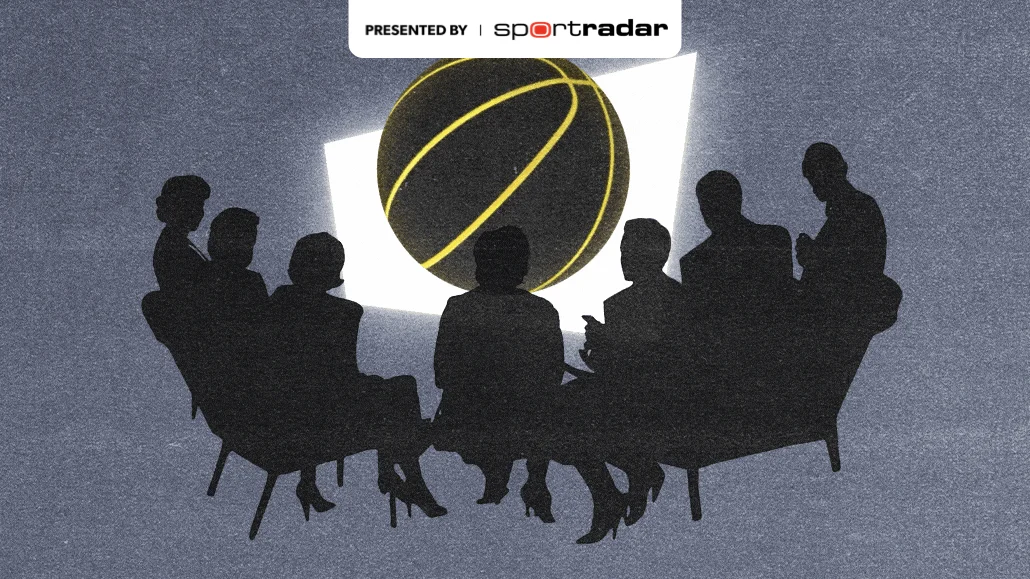
The traditional model of the “corporate athlete”—a silent vessel for a logo, bound by restrictive contracts and scripted marketing appearances—is rapidly disintegrating. Two days before the climax of the 2026 World Cup, Adidas launched a high-profile campaign featuring global icons Lamine Yamal and Lionel Messi. While the campaign was a masterclass in classic brand alignment, it also highlighted a fading era. The message was clear: these protagonists belonged to the Adidas ecosystem. However, beneath the polished surface of such mega-deals, a quiet revolution is taking place. Athletes are no longer satisfied with being mere billboards; they are demanding, and winning, seats at the boardroom table.
The Shift: From Endorser to Entrepreneur
For decades, the “athlete-as-endorser” model was defined by the 1980s playbook: a multi-year deal, a check, and a series of commercials. Today, that strategy is being superseded by the “creator playbook.” Athletes have realized that their personal brand—their intellectual property—is as valuable as the performance they deliver on the field.
“Athletes have become incredibly sophisticated about the value of their own IP,” says Loulou Dundas, svp of growth, EMEA at United Entertainment Group. “More athletes are fundamentally thinking like founders. They are moving away from being just a face for a campaign to wanting a seat at the table.”
This evolution is not merely vanity; it is a calculated business strategy. Modern athletes are seeking long-term partnerships that mirror the complexity of their own personal brands. They want influence over product design, a say in campaign narratives, and, most importantly, the ability to protect their image through strict veto powers on activations that don’t align with their public identity.
Chronology: The Evolution of the NIL Era
The current climate is the result of a long-term cultural shift in sports marketing, accelerated by legal and technological milestones:
- 2019 (The Watershed Moment): Roger Federer’s deal with On Running set the gold standard. By securing a 3% equity stake in the company alongside his ambassador role, Federer signaled that athletes could transition from salaried employees to partial owners.
- 2021 (The NIL Floodgates): The U.S. Supreme Court’s ruling on Name, Image, and Likeness (NIL) rights for collegiate athletes transformed the market. It democratized the ability for younger, hungrier athletes to treat themselves as businesses from the moment they entered the public eye.
- 2023–2025 (The Creator Transition): Soccer superstars like Erling Haaland and Jude Bellingham began treating their digital presence as media empires, launching YouTube channels and direct-to-consumer content, effectively bypassing traditional broadcast gatekeepers.
- 2026 (The Institutional Push): The NBPA (National Basketball Players Association) began formalizing the push for collective bargaining in the commercial space, launching initiatives designed to connect brands directly with players rather than teams.
Supporting Data: The Economics of Influence
The transition toward the creator-athlete model is driven by data. Traditional transactional advertising, such as a one-off Instagram post, is increasingly viewed as inefficient. According to marketing experts, the “creator army” approach—used by giants like L’Oréal and Unilever—can involve thousands of influencers for a single event. While effective for reach, these programs are often viewed as fleeting and transactional.
The new guard of athletes is pushing back against these "one-off" fees. They recognize that longevity is the key to compounding wealth. Sarah Bro, an intellectual property lawyer and partner at McDermott Will & Schulte, notes that her clients are increasingly prioritizing equity over short-term cash injections.
“They want to be part of something that they believe in, that’s authentic to them, and that has lasting business and brand potential,” Bro explains. “Some athletes are pushing for equity deals with smaller brands, following in the footsteps of the Federer-On Running model, because they understand that long-term value creation is superior to a one-time endorsement fee.”
Official Responses and Strategic Shifts
The labor organizations are taking notice of this power shift. David Kelly, executive director of the NBPA, has been instrumental in advocating for "deeper" relationships between players and the marketplace. In June, the NBPA launched a campaign featuring Steph Curry and Jalen Brunson, produced by Kendrick Lamar’s creative agency, Project 3. This wasn’t just a commercial; it was a statement of intent regarding the players’ control over their narrative.
“We envision a world in which we’re trying to get rid of certain gatekeepers and allow the players and brands to really have a deeper relationship,” Kelly told Digiday. “The main thing we’re pushing for is a deeper engagement with the player from the ground up.”
The NBPA has even established PLYRS UNTD, an organization designed to negotiate on behalf of groups of players, filling the void where brands want collective power without having to go through the franchise structure. “Every void is an opportunity,” Kelly added, emphasizing that the union is positioning itself to be the bridge that simplifies, rather than complicates, the commercial process.
Implications: The Death of the "Campaign" Mindset
What does this mean for the future of sports marketing? The industry is facing a fundamental fork in the road. Brands that continue to rely on the "campaign" model—hinging their entire strategy on a single product launch—will find it increasingly difficult to attract top-tier talent.
The "Timeline" Strategy
Industry experts are advocating for a “timeline” strategy over a “campaign” strategy. Instead of a high-pressure, short-term push for a new sneaker or apparel line, brands are encouraged to integrate the athlete into the brand’s lifecycle.
As Loulou Dundas explains: “Let’s say they’re the face of a running club. Instead of launching a new trainer by this brand, you are putting it into the creator’s world, so that there’s more of a story around it versus just a product drop.”
This approach yields higher engagement because it feels like an authentic chapter in the athlete’s own storyline. The audience is not being "marketed to"; they are witnessing a brand being woven into the life of a hero they already admire.
The Risk of Transactionalism
There is a clear divide forming in the market. On one side are the large-scale, transactional programs—the “super-bowl-every-two-days” approach—which offer scale but lack soul. On the other are the bespoke, equity-heavy, long-term partnerships that prioritize the athlete’s voice.
Becky Owen, CMO at Billion Dollar Boy, warns that athletes who settle for one-off fees are missing the bigger picture. “They’ve got to think about longevity. And you’re going to get longevity if you build partnerships with brands, and build your specialism, out of a narrow field.”
Conclusion: The New Equilibrium
The power dynamic in sports marketing has undergone a permanent shift. The era of the “passive ambassador” is over, replaced by the era of the “athlete-founder.” Brands that adapt to this new reality—offering flexibility, equity, and a seat at the table—will not only secure better talent but will also create more authentic and lasting connections with their audience.
Those that resist, hoping to simply add another zero to the check, will likely find themselves locked out of the most valuable, and most influential, conversations in sports. The future belongs to those who view the athlete not as a temporary spokesperson, but as a long-term partner in the creation of value. The negotiation has moved from the locker room to the boardroom, and for the savvy athlete, the game has only just begun.