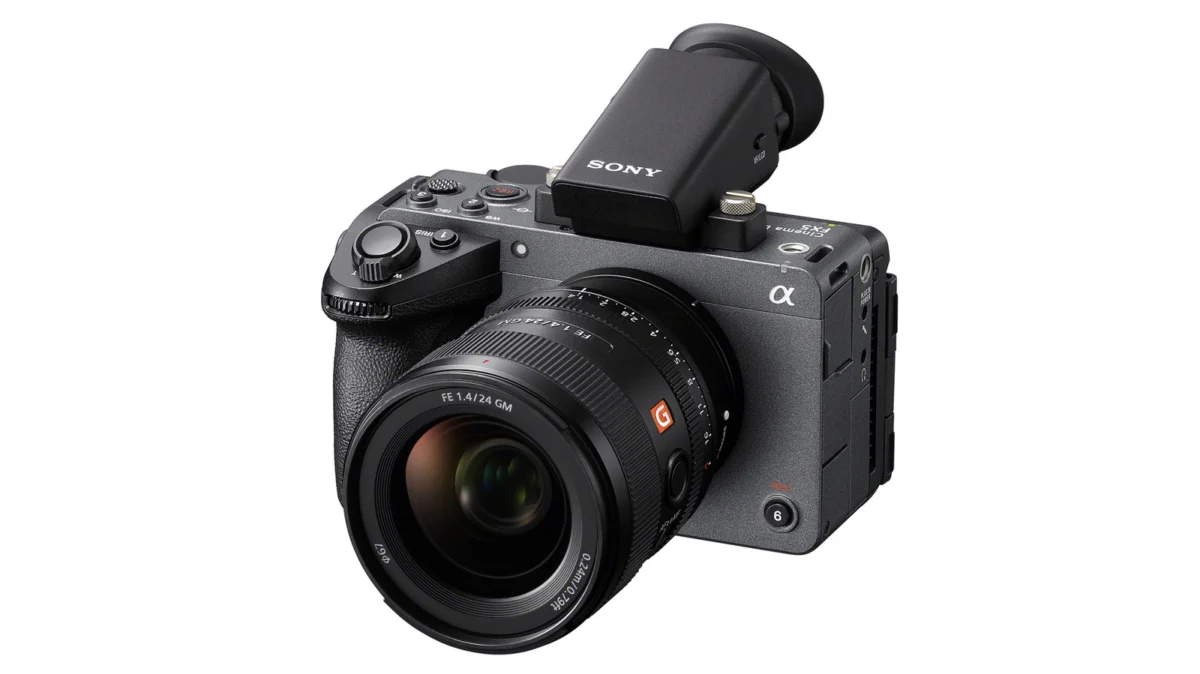
Sony has officially expanded its acclaimed Cinema Line with the introduction of the FX5, a camera that sits strategically between the compact, run-and-gun FX3 and the more production-heavy FX6. While the FX5 inherits the form factor that made its predecessors popular among indie filmmakers and solo operators, it introduces a suite of professional-grade features—most notably internal 16-bit RAW recording and Open Gate capture—that have long been on the wish lists of Sony users.
As the digital cinema landscape becomes increasingly competitive, the FX5 serves as both a tool for high-end professionals and a potential preview of future technologies destined for Sony’s Alpha mirrorless ecosystem.
The Core Technical Revolution: A 16.6MP Stacked Sensor
At the heart of the FX5 is an all-new 16.6-megapixel fully stacked full-frame sensor. By prioritizing "speed over pixel density," Sony has managed to create a sensor that excels in readout speeds, significantly reducing rolling shutter artifacts while maintaining the high dynamic range required for professional cinematography.
The most significant innovation, however, lies in the imaging chain. The FX5 is the first in its class to utilize Sony’s proprietary X-OCN (Extended tonal range original camera negative) codec internally. This advancement allows for 16-bit linear RAW recording, providing an unprecedented 280 trillion colors. To put this in perspective, this is approximately 1,000 times more color data than the 12-bit ProRes RAW or Canon’s 12-bit C-RAW codecs. This massive increase in color depth gives colorists significantly more latitude when working with high-contrast scenes or complex lighting environments.
Chronology of Development: Bridging the Gap
The journey of the FX5 began as a response to the "Open Gate" movement, where creators demanded the ability to utilize the full height of the sensor (3:2 aspect ratio) to accommodate both vertical social media content and traditional widescreen cinema formats simultaneously.
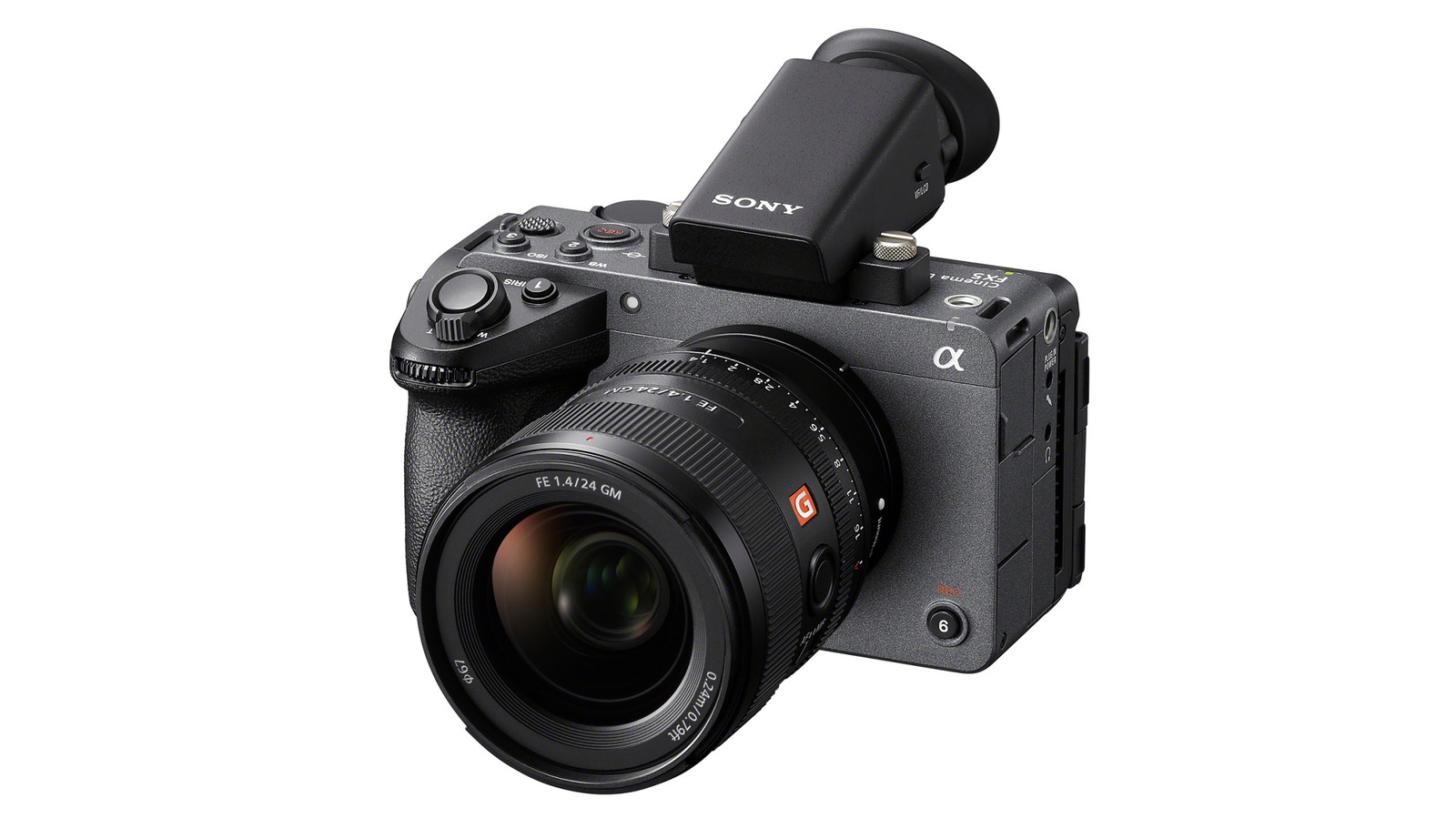
- Early Development Phase: Sony identified the need for a mid-tier camera that bridged the gap between the compact FX3 and the modular FX6.
- The Prototyping Stage: The R&D team focused on heat dissipation, allowing for high-frame-rate 4K 240p functionality, which is scheduled for a firmware update by August 2027.
- The Launch Announcement: Following months of industry speculation, Sony officially unveiled the FX5, confirming that the camera would launch with internal RAW capabilities and a tri-base ISO system.
- Market Availability: Pre-orders opened immediately following the announcement, with the first units slated to hit shelves in mid-August.
Supporting Data: Technical Specifications and Performance
The FX5 is designed for the modern filmmaker who refuses to compromise on image quality despite constraints in crew size or budget. Below is a breakdown of its core performance capabilities:
ISO Flexibility
The FX5 introduces the industry’s first triple-base ISO system: 800, 4000, and 12800. This design allows for cleaner shadows and improved sharpness compared to traditional dual-base ISO sensors. For indie filmmakers shooting in low-light environments, the ISO 12800 setting is a transformative feature, offering usable, noise-free footage in conditions that would typically require extensive lighting rigs.
Recording Modes and Frame Rates
- 5K RAW Recording: Utilizing CFexpress Type A media for high-speed data throughput.
- Slow Motion: 4K at 240 fps, 4.5K at 120 fps, and 5K at 60 fps.
- Open Gate (3:2): Maximizes the full sensor width, allowing for easy anamorphic de-squeeze and flexible post-production cropping.
Connectivity and Ergonomics
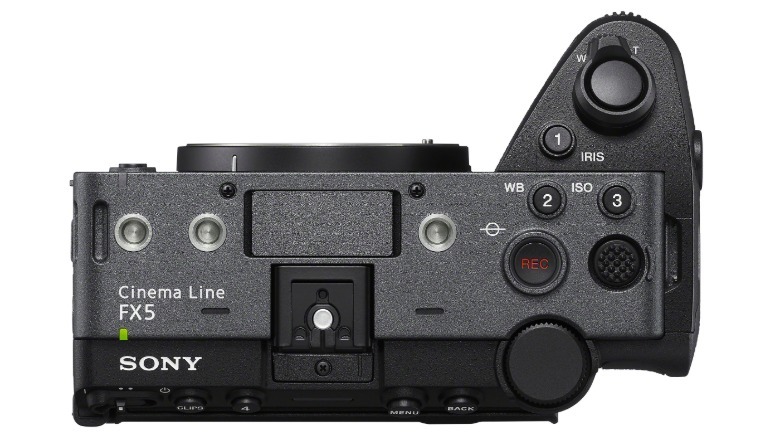
The camera body, weighing in at a mere 1.62 pounds, maintains a compact footprint. It features a robust array of ports:
- Storage: Dual CFexpress Type A and dual SDXC UHS-II slots.
- Connectivity: Full-sized HDMI, Ethernet, tri-band Wi-Fi, and professional-grade mic/headphone inputs.
- Power: Powered by the NPSA100 battery (introduced with the A7R VI), providing up to 130 minutes of continuous recording time.
Official Responses and Strategic Vision
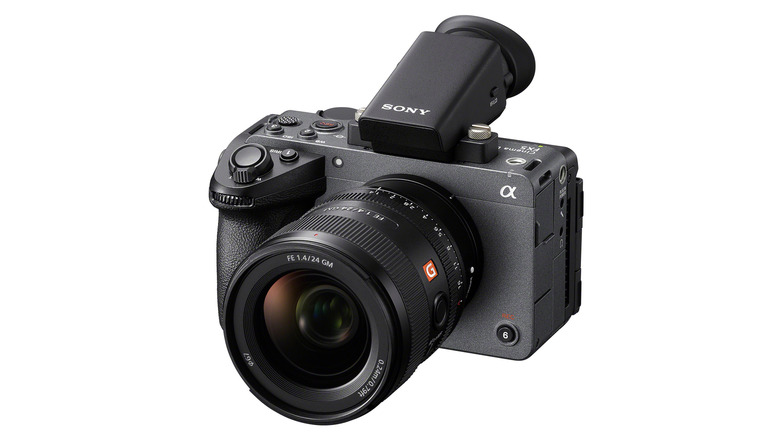
In a statement accompanying the launch, Sony emphasized that the FX5 is not merely a "successor" to existing models, but a new tier of "enhanced operability." The company noted that the inclusion of the 2,500-nit, 3.68-million-dot removable OLED EVF was a direct response to feedback from cinematographers who required high-visibility monitoring in bright outdoor conditions.
Furthermore, Sony’s decision to offer a service for "locked sensor" conversion—effectively removing In-Body Image Stabilization (IBIS) for filmmakers who prefer static, cinema-style support—demonstrates a commitment to specialized professional workflows. This, coupled with the new UI optimized for vertical shooting, reflects Sony’s acknowledgement of the shifting demands of modern content creation.
Implications for the Industry
The release of the FX5 sends a clear signal to the market: the line between "prosumer" mirrorless cameras and "cinema" production cameras is blurring at an accelerated rate.
1. The Death of the "Slow" Sensor
With the implementation of a fully stacked sensor at this price point ($4,898), competitors will be under immense pressure to reduce rolling shutter in their own mid-range offerings. The FX5 demonstrates that the technology for high-speed, high-resolution readout is now viable for cameras priced under $5,000.
2. The Standardization of RAW
By making 16-bit X-OCN internal, Sony is democratizing a workflow that was once reserved for high-end cinema cameras like the VENICE series. This will likely force a shift in how post-production houses handle incoming footage, as the raw data requirements for "standard" projects will increase significantly.
3. The Future of Alpha Mirrorless
Industry analysts suggest that the features debut in the FX5—specifically the triple-base ISO and the new UI for vertical/open-gate workflows—are a roadmap for the upcoming iterations of the Sony Alpha 7 and Alpha 1 series. If these features successfully migrate to the consumer lineup, the distinction between a "Cinema" camera and a "Hybrid" camera may eventually vanish entirely.
4. Impact on Independent Filmmaking
For the indie filmmaker, the FX5 represents a "one-stop-shop." The ability to capture high-quality vertical content alongside standard 5K widescreen video in a single, lightweight package allows solo operators to service both traditional film festivals and social media platforms without needing two separate camera systems.
Conclusion
The Sony FX5 is a sophisticated piece of engineering that addresses the primary pain points of the modern cinematographer. By integrating top-tier RAW recording, a groundbreaking triple-base ISO system, and a flexible, modular design, Sony has created a camera that feels both future-proof and immediately practical. While the price point places it firmly in the professional category, the value proposition—especially considering the capabilities offered—positions it as a significant contender for the most important cinema camera of the year.
As we look toward the 2027 firmware roadmap, it is clear that Sony is not just selling a camera; they are selling a long-term commitment to the evolving needs of the global creative community. Whether the FX5 will indeed influence the next generation of mirrorless cameras remains to be seen, but for now, it stands as the new gold standard for versatile, high-end production.