
In the high-stakes world of consumer electronics, few companies have built a brand identity as clearly defined as Framework. By championing the right-to-repair and modular hardware, the company has carved out a dedicated following of enthusiasts and professionals alike. However, this commitment to a unique, open-hardware ecosystem comes with distinct vulnerabilities. In a recent disclosure, Framework confirmed that the ongoing global memory and storage shortage—driven largely by the insatiable demand for high-performance AI components—has reached a breaking point for its supply chain, forcing a significant restructuring of its component pricing and availability.
The Core Conflict: When Costs Outpace Sustainability
For months, Framework managed to navigate the volatile semiconductor market with a degree of stability that shielded its customers from the most aggressive price hikes. While many industry analysts were warning of impending spikes in DRAM and NAND flash costs, Framework’s proactive inventory management allowed them to keep prices for RAM and storage relatively flat.
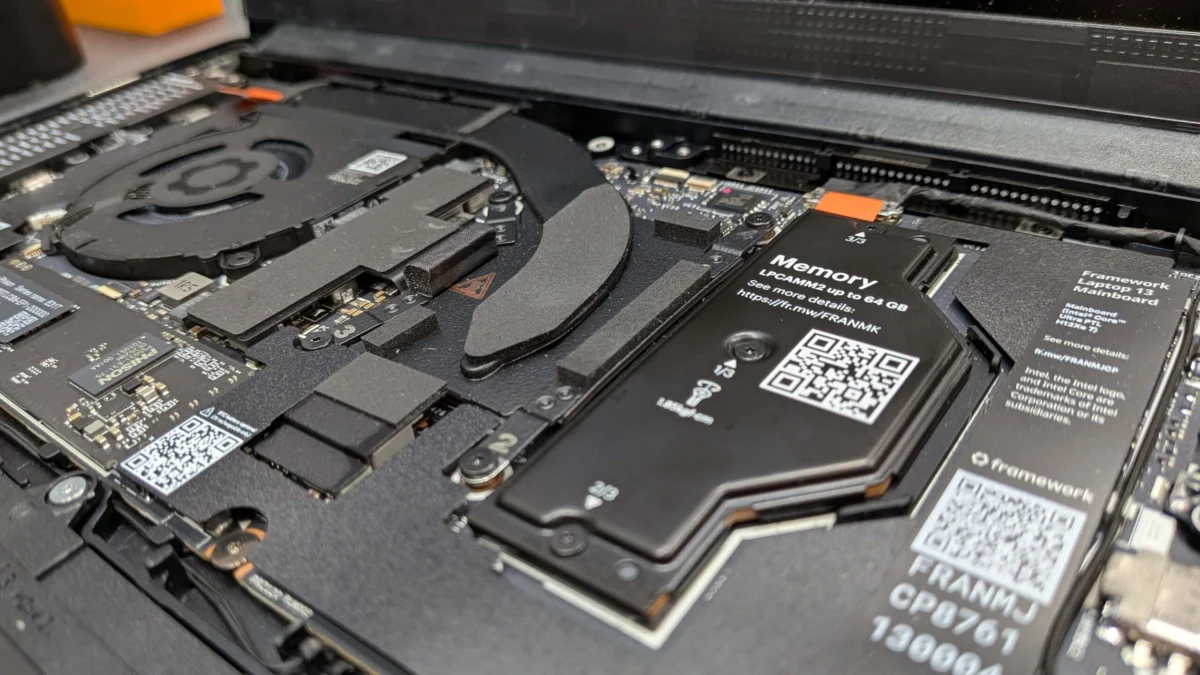
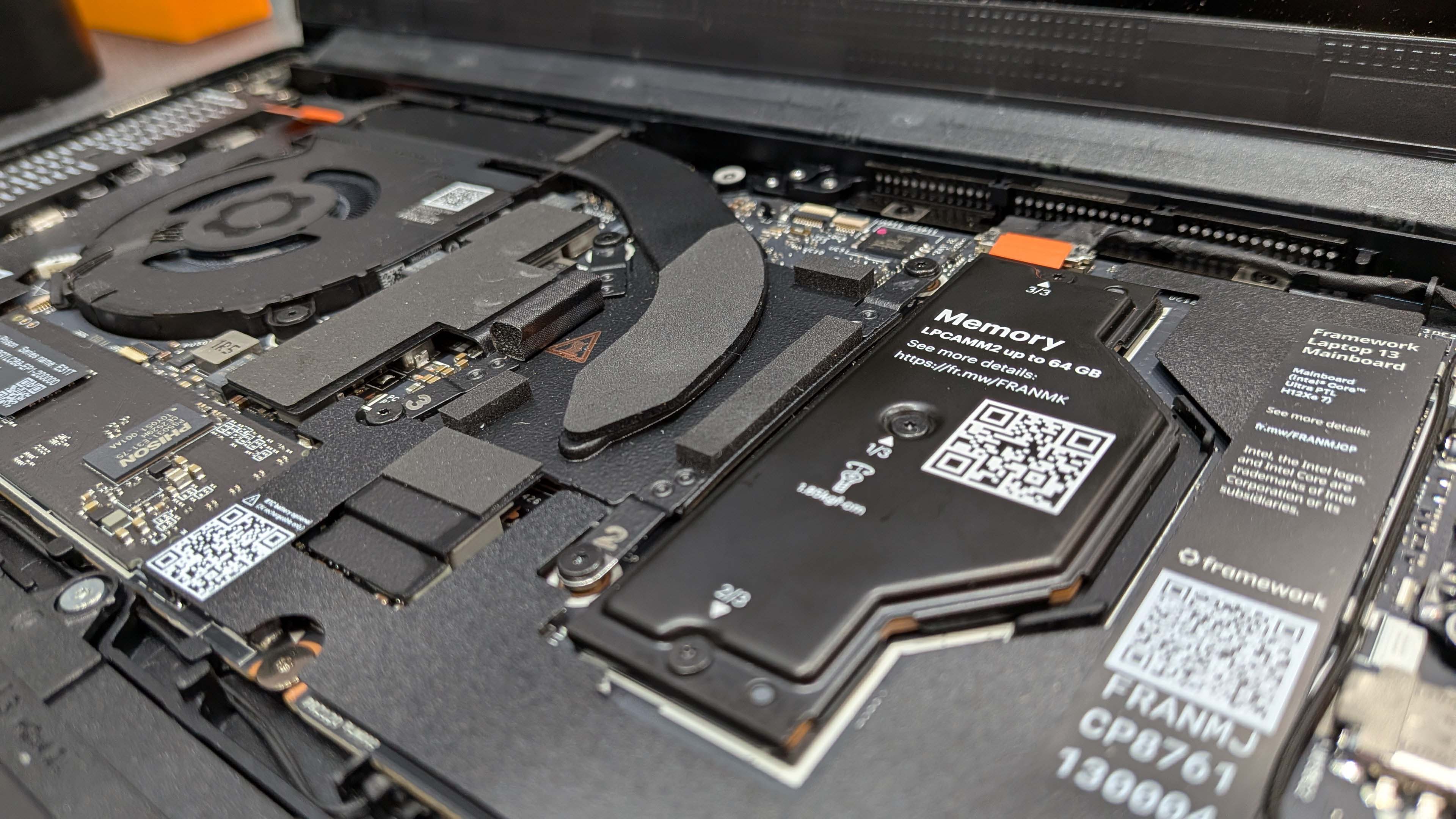
That buffer, however, has officially evaporated. The company revealed in its latest monthly update that the cost of LPCAMM2 modules—a critical, high-performance memory standard for its latest laptop iterations—has surged to a level that the company can no longer absorb. According to internal reports, the price increases for these specific memory modules were not merely a minor fluctuation; they were, in the company’s words, “more than double that of the prior inventory.”
This creates a precarious situation for a firm of Framework’s size. Unlike industry giants like Dell, Lenovo, or HP, which possess massive economies of scale and long-term, fixed-price contracts with silicon manufacturers, Framework operates on a thinner margin of error. When a supplier significantly hikes costs, Framework lacks the leverage to dictate terms, leaving them with two unfavorable options: passing the cost directly to the consumer or eroding their own financial viability.
A Chronology of the Crisis: From Stability to Scarcity
To understand how we arrived at this juncture, one must look at the broader context of the global memory market throughout 2024 and 2025.
- Q1 2024: The "AI Gold Rush" began to exert massive pressure on the supply chain. Demand for High Bandwidth Memory (HBM) for data center AI accelerators redirected manufacturing capacity away from standard consumer DDR5 and NAND storage solutions.
- Q2 2024: Framework reported minor, manageable increases in storage costs, but managed to keep memory prices stable by securing bulk inventory.
- Mid-2025: Market analysts began noting a "dual-tier" reality in component pricing. While enterprise-grade components skyrocketed in price due to AI demand, consumer-grade components saw a more staggered, yet relentless, climb.
- July 2026: The tipping point. Framework’s suppliers issued a mid-year cost update that far exceeded the company’s projections. The anticipated "low-to-mid double-digit" increase for Q3 failed to materialize, replaced instead by a cost increase exceeding 100% on specific high-capacity modules.
Supporting Data: The Impact on Configurations
The immediate fallout of this price surge is a fundamental shift in how Framework configures its hardware for customers. The company has moved to protect its existing pre-order base while adjusting for future demand.
The LPCAMM2 Pivot
The most significant impact is on the 64GB LPCAMM2 module configurations. Framework has reached a state of "constrained supply," meaning that while current pre-orders will be fulfilled, new orders face a hard ceiling. Once the existing stock of 64GB modules is depleted, the company is defaulting to 32GB modules. A similar strategy is being applied to 32GB configurations, which will be stepped down to 16GB modules as inventory reaches critical lows.
The Storage Paradox
The news is not uniformly negative. In a testament to the erratic nature of the current market, Framework has actually been able to lower the prices on certain storage components, specifically the WD_BLACK SN850X 8TB and the SN7100 1TB drives. This illustrates the "whack-a-mole" nature of supply chain management in the current era: while supply for specific high-density memory modules is cratering, certain NAND flash markets are seeing temporary price corrections or gluts, allowing for localized price reductions.
Official Responses and Consumer Protection
Framework has adopted a transparent, if sobering, stance regarding these changes. In a recent blog post, the company emphasized that its primary goal remains the protection of existing customers who have already committed to a purchase.
"We have a major and unfortunate update around LPCAMM2 pricing and availability," the company noted in a social media update. Crucially, Framework has pledged to honor the original pricing for all existing pre-orders. This is a significant move for a small manufacturer; by absorbing the cost difference for customers who ordered before the price hike, Framework is choosing to prioritize customer trust and brand loyalty over short-term profit margins.
Furthermore, in instances where component pricing has decreased, the company has promised that those savings will be automatically passed down to existing pre-orders. This "both-ways" approach—holding prices for existing orders during a hike, but providing discounts during a drop—is a rare example of consumer-friendly policy in the laptop industry.
The Broader Implications: Is the "Right to Repair" at Risk?
The predicament faced by Framework highlights a central, uncomfortable truth about the modular computing movement: it is uniquely vulnerable to component volatility.
The Size Disadvantage
In the hardware world, size matters. When memory prices rise, massive corporations can negotiate "blended" pricing, averaging costs across massive volumes. Framework, as a boutique modular manufacturer, lacks this cushion. If the memory market remains volatile for another two years, Framework may find itself in a position where the modularity that defines its product becomes prohibitively expensive for the average user compared to the soldered, non-upgradable alternatives offered by mainstream competitors.
The Rise of Alternative Memory Sources
One potential, albeit speculative, path forward is the integration of emerging memory suppliers. Recently, there has been a notable increase in the validation of Chinese memory modules by global manufacturers. As these suppliers gain maturity and achieve scale, they could provide a crucial alternative to the "big three" memory manufacturers that currently dominate the market and dictate global pricing. If Framework can successfully validate and integrate these lower-cost, high-performance alternatives, it may be able to stabilize its costs regardless of the AI-driven surge in the traditional supply chain.
Conclusion: A Test of Resilience
The current memory crisis is more than just a pricing headache; it is a stress test for the modular hardware philosophy. Framework’s willingness to provide granular, honest updates regarding its supply chain challenges serves as a vital case study for the industry. While the situation is undeniably depressing for consumers hoping for cheaper high-capacity memory, the company’s commitment to transparency remains a high-water mark for the industry.
For the end-user, the message is clear: if you are planning to upgrade your modular machine to 64GB of RAM, the window of opportunity is narrowing. For the industry at large, the Framework saga is a stark reminder that as we push for more sustainable, repairable, and modular technology, we are simultaneously exposing ourselves to the raw, unforgiving fluctuations of the global semiconductor market. Whether the company can weather this storm without compromising its commitment to affordability will be the defining challenge of its next fiscal year.