Long before the ubiquitous presence of modern procedural juggernauts like Law & Order or the serialized prestige of contemporary crime anthologies, American television was in the midst of a mid-century renaissance for law-and-order storytelling. The 1960s were thoroughly awash with gumshoes, beat cops, and private investigators. While cultural touchstones like The Fugitive and The Untouchables remain firmly entrenched in television history, dozens of equally compelling crime dramas slipped through the cracks of time, vanishing into obscurity.
Now, amid the 2020s television landscape—an era defined by an insatiable appetite for serialized mysteries, high-budget thrillers, and gritty character studies—networks and streaming platforms are constantly looking backward for inspiration. Rather than relying entirely on original concepts, executives could easily peer into the rich, underexplored vault of 1960s television to unearth series that possess fascinating premises, strong conceptual foundations, and, crucially, plenty of room for modern narrative expansion.
Many of these forgotten programs were canceled prematurely, victims of shifting network policies, brutal time-slot competition, or conservative network censors who feared pushing the envelope too far. Today, with higher budgets, laxer content restrictions regarding violence and moral complexity, and a broader appreciation for diverse perspectives, these five forgotten 1960s TV crime dramas are prime candidates for a modern, prestige-television reboot.
Main Facts: The Blueprint for a Modern Revival
The television landscape of the 1960s operated under vastly different economic and creative constraints than today’s prestige streaming environment. Series ran for grueling 22-to-39-episode seasons, network standards and practices tightly regulated the depiction of violence and psychological darkness, and the medium was still heavily dominated by white, male-centric storytelling tropes.
Despite these limitations, visionary creators managed to embed forward-thinking ideas, stylistic noir influences, and nuanced character arcs into shows that were ultimately ahead of their time. The five series outlined below—Man With a Camera, Johnny Midnight, Cain’s Hundred, Honey West, and Hawk—each present unique blueprints. Whether they require a straightforward contemporary gloss, a complete tonal reinvention, or a correction of historical casting mistakes, these properties offer immense potential for modern adaptation.
Chronology and Historical Context: From the Golden Age to the Modern Wasteland
1. Man With a Camera (1958–1960)
Technically originating in the late 1950s but bleeding into the dawn of the 1960s on NBC, Man With a Camera gave screen icon Charles Bronson one of his very first leading television roles. Coming hot on the heels of his breakout turn in the gangster-noir film Machine-Gun Kelly, Bronson starred as Mike Kovac, a former World War II combat photographer who carved out a dangerous living gathering visual evidence for police departments, legal counsel, and private clients.
Kovac was a proto-tech hero of his era, utilizing cutting-edge espionage equipment, including cameras concealed inside everyday items like radios. The premise presents a fascinating juxtaposition for the 2020s: in an era where high-definition cameras sit inside every smartphone, and where artificial intelligence and digital deepfakes threaten to erode public trust in photographic evidence, a traditional "man with a camera" faces unprecedented hurdles. Yet, this exact cultural anxiety is precisely why a reboot could thrive. A modern iteration could explore the weaponization of imagery, deepfake disinformation, and corporate espionage, asking what kind of crimes demand the specialized eye of a veteran combat photographer.
2. Johnny Midnight (1961)
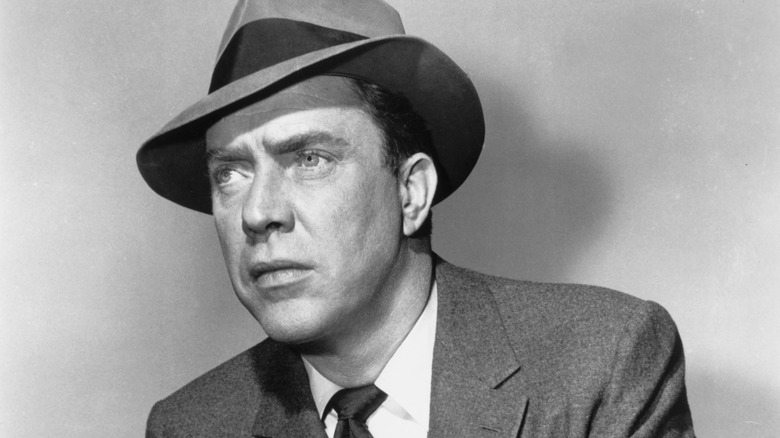
Aired for a single 39-episode syndicated season in 1961, Johnny Midnight starred Hollywood veteran Edmond O’Brien as a classically trained actor who trades the theatrical stage of Broadway for the shadowy alleyways of Midtown Manhattan, working as a private investigator. Leveraging his theatrical background, Johnny frequently relied on elaborate disguises, method acting, and psychological performance art to infiltrate criminal rings.
While the original series functioned largely as a straightforward throwback to 1930s cinematic noir flavored with a theatrical sheen, a contemporary reboot would need to shed outdated tropes—such as the show’s inclusion of a Japanese manservant archetype—while leaning heavily into stylistic camp and self-aware theatricality. Given the modern appetite for elevated kitsch and musical hybridity (akin to shows like Glee mixed with hard-boiled detective fiction), a rebooted Johnny Midnight could position its protagonist as a middle-aged, out-of-work character actor solving crimes across New York’s theater district, occasionally breaking into stylized psychological set-pieces.
3. Cain’s Hundred (1961–1962)
Running on NBC for a single season of 30 episodes, Cain’s Hundred starred Peter Mark Richman as Nicholas Cain, a high-powered attorney for the mafia who decides to leave his syndicate ties behind upon getting engaged. The mafia, viewing his departure as a fatal betrayal, orders a hit that tragically kills his fiancée instead. Consumed by grief and vengeance, Cain strikes a deal with the federal government, vowing to bring down 100 high-ranking mobsters one by one.
According to historical accounts in the book Masters of the Shoot-Em Up, NBC executives ultimately axed the series because network leadership grew increasingly anxious over the level of on-screen violence. In the modern era of prestige cable and streaming—where morally gray antiheroes and graphic violence are standard—Cain’s Hundred is uniquely positioned for a massive resurgence. Structured around a finite, high-stakes countdown, a modern adaptation could operate as a multi-season procedural or serialized crime thriller, systematically hunting down syndicate targets with uncompromising action and deep legal drama.
4. Honey West (1965–1966)
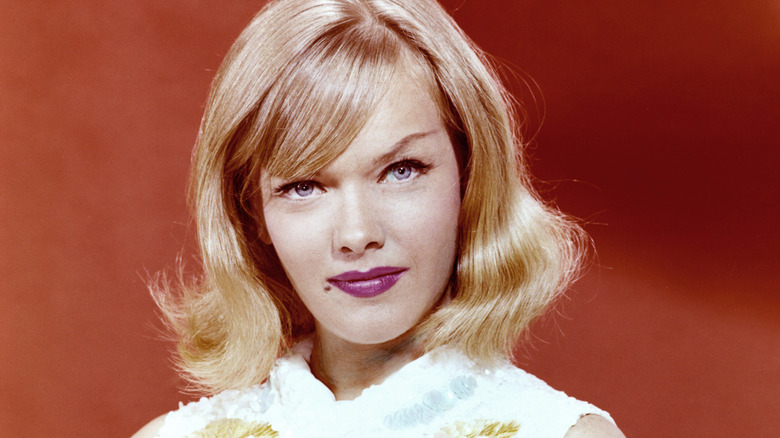
Before the mid-1960s, American network television was overwhelmingly dominated by male detectives. That changed with Honey West, based on the popular series of mystery novels. The show starred Anne Francis as Honey West, a glamorous, highly trained karate master who inherits a private investigation agency from her late father. Aided by her father’s former partner, Sam Bolt (John Ericson), and her pet ocelot, Bruce, Honey challenged the patriarchal norms of the era. Despite toys and dolls of the character briefly outpacing Barbie in popularity, the show was canceled after a single season.
Reviving Honey West today requires navigating a crowded market of female-led crime dramas, but bringing back television’s original female private-eye trailblazer offers rich historical resonance. However, creators must carefully time any reboot; Ethan Coen’s 2025 feature film Honey Don’t!—which featured Margaret Qualley as a hard-drinking P.I. named Honey O’Donahue—suffered critical and commercial failure. Allowing a brief cooling-off period before dusting off the Honey West intellectual property would ensure audiences can approach the character with fresh eyes.
5. Hawk (1966)
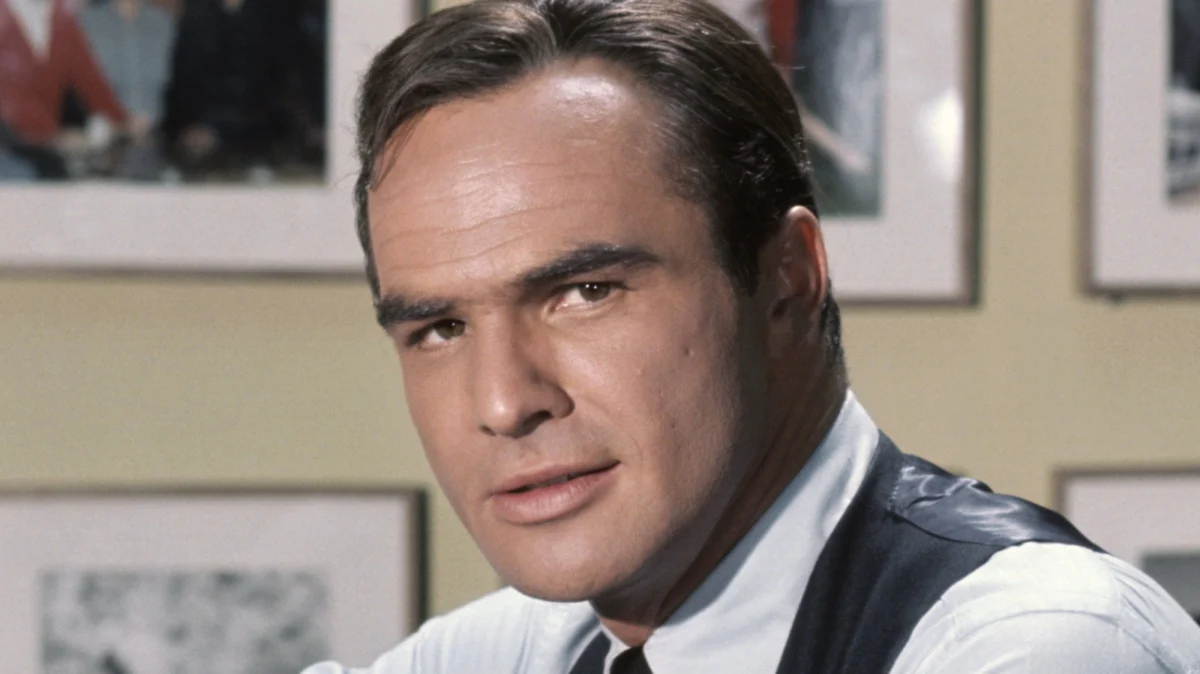
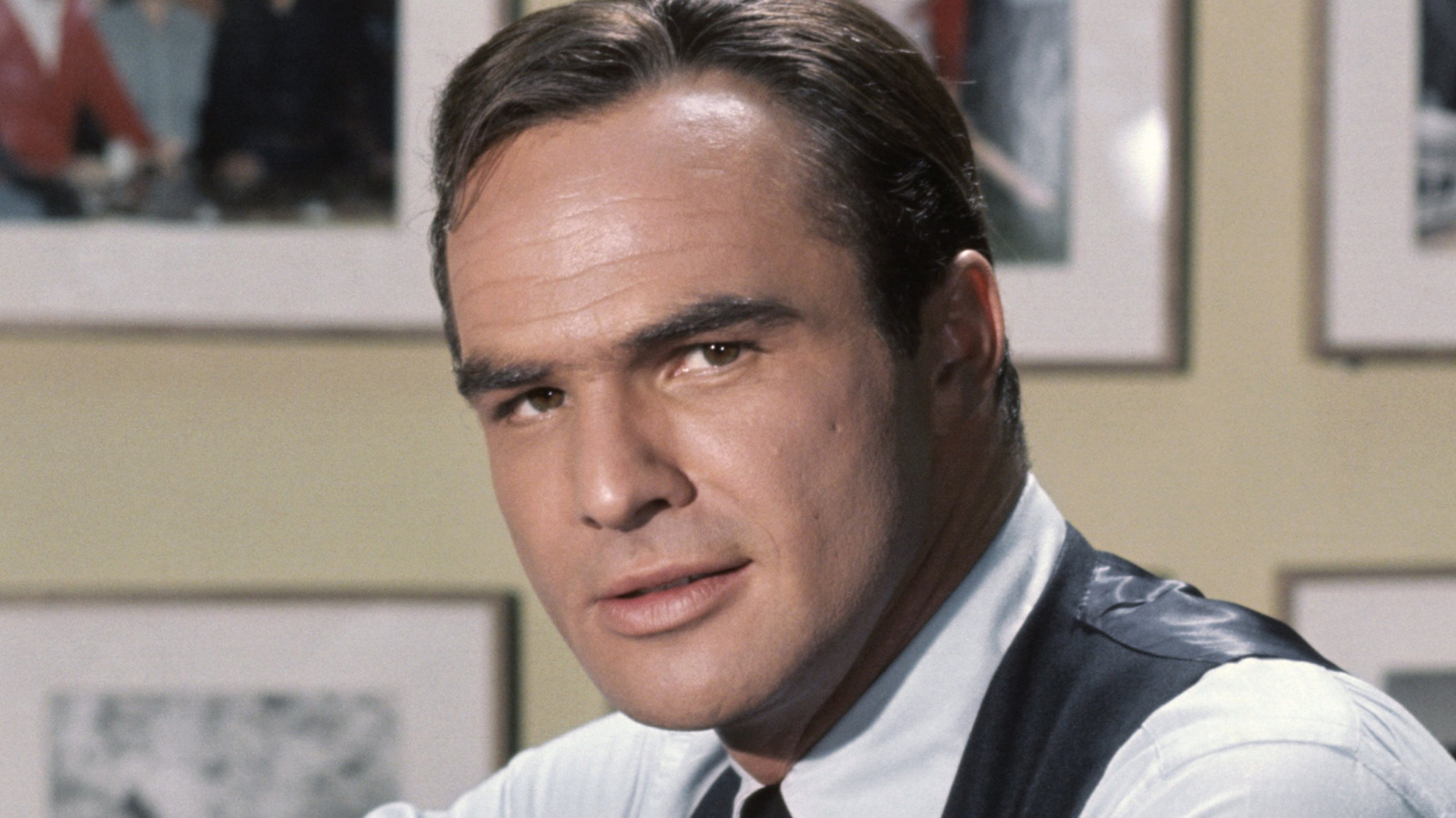
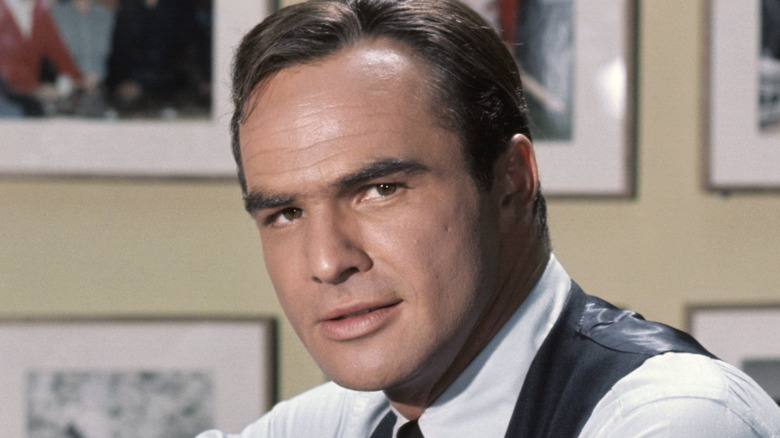
Burt Reynolds secured his early television fame playing Indigenous characters, first on the Western juggernaut Gunsmoke and subsequently in the ABC contemporary police drama Hawk. Reynolds starred as John Hawk, a progressive police lieutenant of Iroquois heritage navigating the complex, dangerous streets of modern New York City. Reynolds, who frequently spoke of his own Cherokee heritage, fought hard to imbue the character with dignity, deliberately steering clear of Hollywood’s long history of reductive, stereotypical portrayals.
Despite critical acclaim for its gritty realism and strong writing, Hawk was a ratings casualty, trapped in a fatal time slot opposite the immensely popular CBS Thursday Night Movie. Canceled after a single season, the show left behind an immense amount of untapped potential. A modern reboot would naturally feature an Indigenous actor in the lead role, echoing the culturally rich representation seen in AMC’s Dark Winds, while brilliantly shifting the perspective to an urban procedural framework.
Supporting Data & Industry Metrics: Why Networks Are Looking Backward
The economic calculus of modern television heavily favors established intellectual property (IP). According to industry analysis from tracking firms specializing in streaming data:
- Risk Mitigation: Rebooting or adapting an existing, albeit obscure, property can boost initial audience curiosity by up to 35% compared to an entirely unknown original pitch.
- The Nostalgia Economy: Audiences in the 18-to-49 demographic have demonstrated a consistent willingness to engage with modernized adaptations of vintage procedural formats, provided they are updated with contemporary pacing and cinematic framing.
- The Syndication Legacy: Shows canceled in the 1960s often left dozens of unused script outlines, character bibles, and unfulfilled narrative arcs, effectively serving as readymade story maps for modern showrunners looking for structural longevity.
Official Responses and Creator Perspectives
While none of these specific properties have been officially greenlit for immediate production by major studios, industry showrunners and television historians have frequently lamented the premature termination of 1960s genre experiments.
Reflecting on the cancellation of Cain’s Hundred, lead actor Peter Mark Richman noted in historical interviews that network executives were perpetually looking over their shoulders regarding public backlash over violence—a restriction that completely evaporated with the advent of cable television in the decades that followed. Similarly, Burt Reynolds often expressed immense pride in his work on Hawk, emphasizing that the character of John Hawk was a rare step forward for Indigenous representation on network television during a period when television writers rarely afforded minority characters urban sophistication and professional autonomy.
Implications for the Modern Television Landscape
The potential revival of these five forgotten crime dramas carries significant implications for how networks curate their slates:
- Expanding the Procedural Vocabulary: By looking past the standard Law & Order or CSI formulas, modern networks can draw upon eccentric, genre-bending premises—such as a theatrical actor-turned-detective or a combat photographer utilizing cutting-edge tech.
- Correcting Historical Missteps: Reboots of properties like Johnny Midnight and Hawk offer an ethical and artistic imperative: stripping away mid-century racial tropes while elevating diverse storytellers and actors to central, complex heroic roles.
- Serialized vs. Episodic Balance: Shows like Cain’s Hundred offer an ideal middle ground for modern streaming networks that struggle to balance serialized character arcs with the comforting structure of episodic crime-solving.
Ultimately, television history is littered with brilliant ideas crushed by the rigid scheduling constraints and censorship boards of the 20th century. By diving back into the vault of 1960s crime dramas, today’s creators have a golden opportunity to finish stories that were cut short far too soon.