
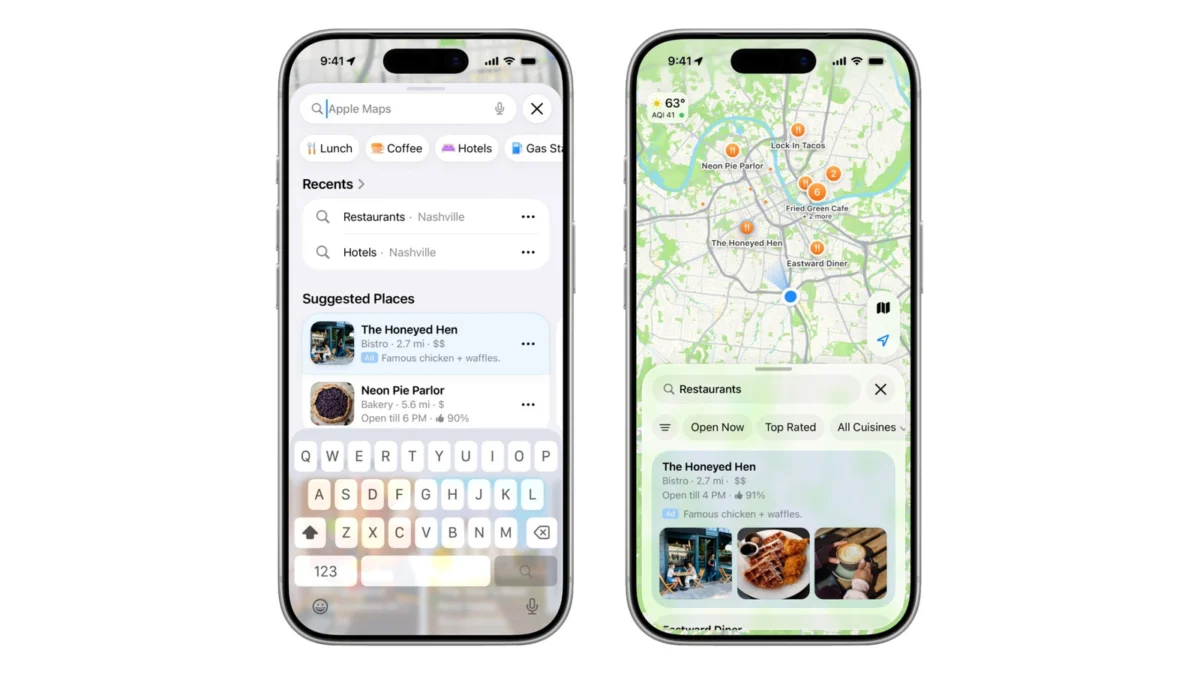
As Apple prepares to integrate commercial advertising into its Maps application, the tech giant is drawing a clear line in the sand regarding the quality and nature of the content users will encounter. According to newly released advertising guidelines, Apple intends to prioritize a curated discovery experience, explicitly banning "home services"—a category that has long been a staple of competitor platforms like Google Maps.
This strategic pivot, slated for a rollout in the United States and Canada, signals an attempt by Apple to maintain its reputation for a polished, "premium" user experience even as it deepens its reliance on the high-margin advertising business.
The Core Facts: A Curated Map Experience
Apple’s official documentation confirms that the advertising model for Maps is designed to function as a discovery tool rather than a transactional utility for urgent repairs. The guidelines, published this week, establish a rigorous framework for what is and is not permissible within the interface.
Most notably, the company has implemented a blanket ban on home services. This includes, but is not limited to, plumbing, electrical work, locksmithing, HVAC repair, pest control, roofing, and general contracting. By barring these sectors, Apple is intentionally creating a void where competitors often thrive. While a user searching for an emergency plumber on a rival map service might be inundated with sponsored results, an Apple Maps user will likely see only organic results, preserving the platform’s focus on retail, hospitality, and landmarks.
Chronology: The Path to Commercialization
The journey toward monetizing Apple Maps has been a calculated, multi-year process:
- 2022 Expansion: Apple signaled a significant shift in its "Services" division by expanding advertising inventory across the App Store, moving beyond simple search results to the "Today" tab and individual app product pages.
- March 2026 Announcement: Apple formally confirmed that advertising would eventually come to the Maps interface, positioning it as a way for local businesses to reach customers at the precise moment they are deciding where to go.
- Early 2026 (The "News" Backlash): As Apple expanded ads in Apple News, the company faced public and critical scrutiny over the presence of "low-quality" and potentially deceptive advertisements, which many users felt degraded the reading experience.
- February 2026 Guidelines: The publication of the current advertising guidelines marks the final preparations for the launch of Maps ads in the U.S. and Canada, reflecting lessons learned from the controversies surrounding Apple News.
Supporting Data: The Growth of Apple’s Services Division
To understand why Apple is moving into Maps advertising, one must look at the company’s financial trajectory. Apple’s "Services" segment—which encompasses the App Store, iCloud, Apple Music, Apple TV+, and now, advertising—has become the company’s most consistent growth engine.
In recent quarterly earnings reports, Services revenue has reached record highs, often outpacing the growth of hardware sales. Advertising, specifically, is a high-margin component of this segment. By leveraging its massive installed base of iPhone and Mac users, Apple can offer advertisers highly targeted, privacy-focused placements. However, as the company pushes further into this space, it faces a delicate balancing act: maximizing revenue without alienating the user base that pays a premium for Apple’s "walled garden" experience.
Official Responses and Strategic Rationale
Apple’s public stance emphasizes "discovery." On its dedicated portal for Maps advertising, the company frames the platform not as a billboard, but as a guide:
"People rely on Apple Maps to explore new places and try new things. From discovering coffee shops and restaurants, to stores and landmarks, Maps is where ‘what’s around here?’ becomes ‘I’m on my way.’ Soon local businesses can run ads on Apple Maps — right where customers are deciding where to go."
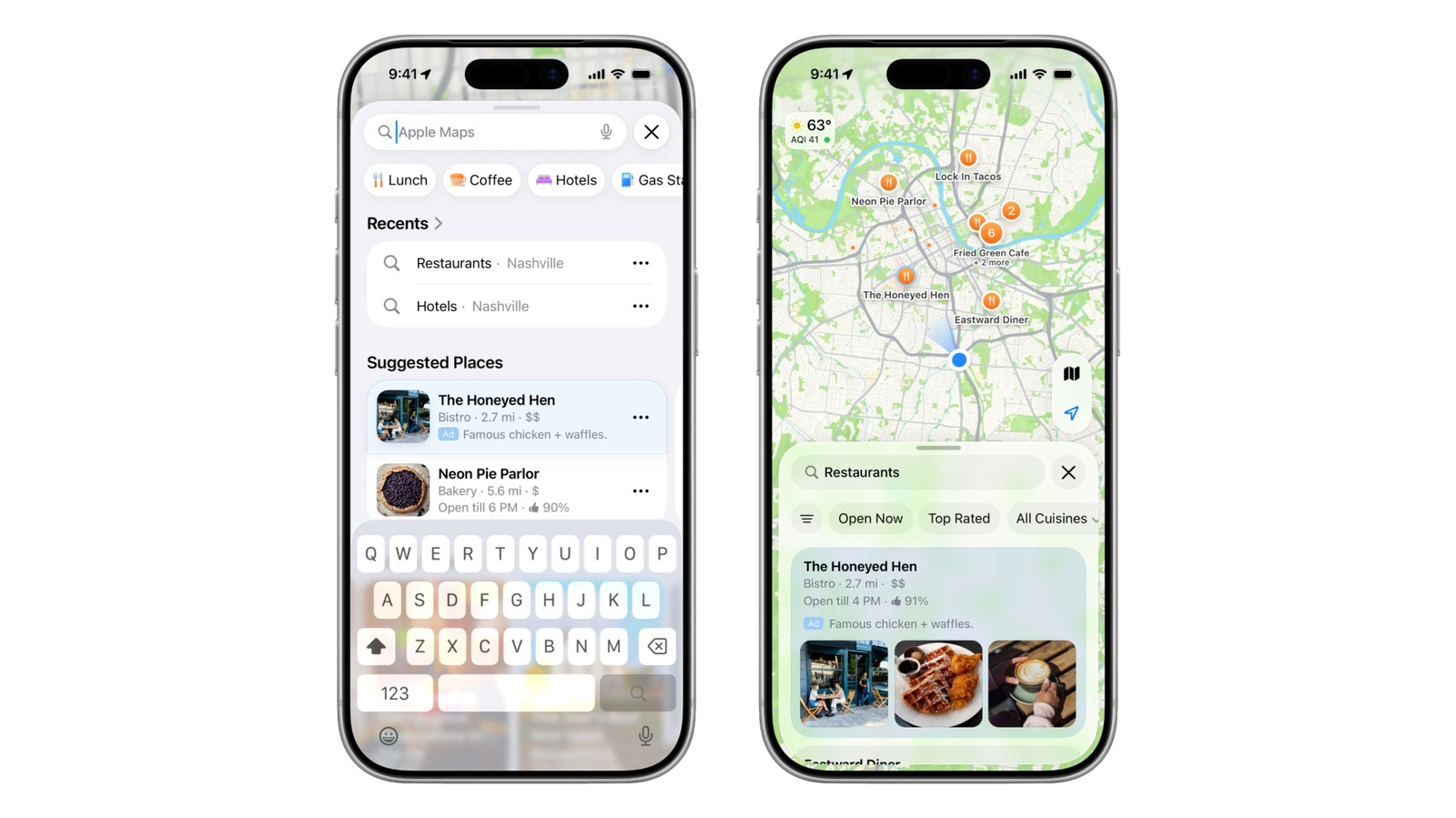
The exclusion of "unromantic" service categories is a strategic choice. By focusing on coffee shops, restaurants, and retail, Apple aligns its advertising with the aesthetic of its brand. Furthermore, the explicit prohibition of political ads, deceptive content, and cryptocurrency ATMs suggests that Apple is attempting to mitigate the "scuzziness" factor that has plagued other ad-supported platforms.
Implications for the Tech Landscape
The implications of this move are twofold: they affect the local business ecosystem and the broader advertising industry.
1. The Impact on Local Businesses
For a local restaurant or boutique, Apple Maps will likely become an essential marketing channel. Because the platform is tied to real-time navigation and intent, the conversion rate for these ads could be significantly higher than traditional banner ads. However, for the home service industry—plumbers, electricians, and contractors—the lack of access to this specific ad space could be a disadvantage. These businesses rely heavily on "near-me" search traffic. If they are locked out of Apple Maps, they may be forced to consolidate their digital marketing budgets into Google’s ecosystem, further cementing Google’s dominance in local search.
2. The Quality Control Paradox
Apple’s attempt to curate its ad environment is a response to the "ad-pocalypse" that has degraded other platforms. When users encounter scammy or low-quality ads, they lose trust in the platform itself. By banning specific categories and implementing strict content guidelines, Apple is signaling that it prioritizes the user experience over sheer ad volume.
However, the question remains: Can Apple maintain this standard at scale? As more advertisers clamor for space on the Maps platform, the pressure to relax these rules will increase. If Apple eventually allows home services to advertise, it will have to create a rigorous vetting system to ensure that these contractors meet the same quality standards as the retail businesses currently permitted.
3. The Privacy Advantage
One of Apple’s strongest selling points in the advertising market is its privacy-first approach. Unlike competitors that rely on granular tracking of user behavior across the web, Apple’s ad model is designed to respect user anonymity. By using contextual data—such as the user’s current location and the category of their search—Apple can deliver relevant ads without needing to build a comprehensive profile of the individual. This is a critical differentiator that may attract high-end brands that are wary of the privacy controversies associated with other major ad platforms.
Conclusion: A Restrained Entry
Apple is entering the Maps advertising space with a degree of caution that is rare in the tech industry. By explicitly banning categories that are associated with low-quality user experiences, the company is attempting to prove that advertising and a premium user experience are not mutually exclusive.
The launch in the U.S. and Canada this summer will serve as a pilot program. If successful, it could pave the way for a global expansion. However, the true test will be whether Apple can maintain its strict standards as the ad inventory grows. For now, the message to users is clear: Apple Maps will help you find a great dinner, a new pair of shoes, or a landmark to visit, but it will not be the place where you solve your leaking pipe. In a world where digital spaces are increasingly cluttered with intrusive advertising, this "restrained" approach might just be the strategy that keeps users coming back.