By Analytical Staff
July 21, 2026
In a dramatic recalibration of American foreign policy, U.S. assistance to foreign nations has plummeted to its lowest levels in more than twenty years. Data from the federal government’s primary tracking portal, ForeignAssistance.gov, reveals a stark transformation in how Washington engages with the international community—a shift that has accelerated rapidly during the second term of the Trump administration.
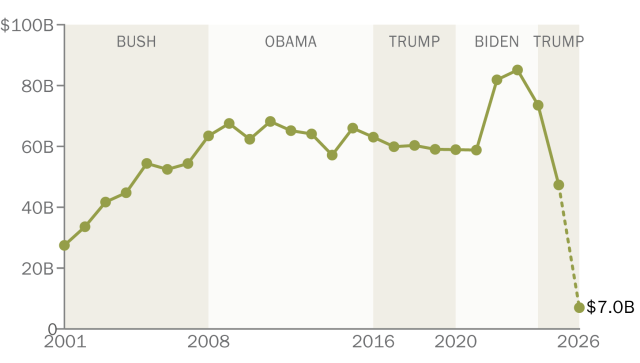
For fiscal year 2025, which concluded on September 30, 2025, federal agencies disbursed $47.3 billion in total foreign aid. When adjusted for inflation, this figure represents a $26 billion decrease from the previous fiscal year and marks the lowest level of international financial engagement since 2004. As the current fiscal year (2026) progresses, the trend shows no signs of reversal; as of July 1, 2026, the government has disbursed less than $7 billion, signaling an even more profound contraction in U.S. global influence.
The Shrinking Footprint of American Aid
The decline in foreign aid is not merely a budgetary adjustment; it reflects a fundamental dismantling of the institutional infrastructure that has governed U.S. international outreach for decades. For much of the period between 2008 and 2021, American foreign assistance remained relatively stable, ranging between $57 billion and $68 billion annually in constant 2025 dollars. Throughout those years, foreign aid consistently accounted for approximately 1% of total federal expenditures.
The contrast today is stark. In fiscal 2025, foreign assistance accounted for just 0.67% of total federal spending. Projections for fiscal 2026 suggest that figure could drop to as low as 0.09% of estimated federal outlays. This contraction coincides with a broader effort within the current administration to audit, reduce, and, in some cases, terminate long-standing international aid programs.

A Chronology of Retrenchment
The landscape of U.S. foreign aid has undergone three distinct phases over the last quarter-century:
- The Post-9/11 Build-up (2001–2009): Following the events of September 11, 2001, foreign aid became a pillar of national security strategy. Spending rose from roughly $27.4 billion in 2001 to $67.5 billion by 2009, as the U.S. sought to project soft power in volatile regions.
- The Plateau and the Crisis Peak (2010–2024): Aid levels remained remarkably consistent for over a decade. However, this stability was shattered by the Russian invasion of Ukraine in 2022. Between 2022 and 2024, U.S. aid spiked, reaching an inflation-adjusted peak of $85.1 billion in 2023 to sustain global support for Kyiv.
- The Current Contraction (2025–Present): With the change in administrative priorities, the aid machinery has been aggressively downsized. The shift from $73.5 billion in 2024 to $47.3 billion in 2025 represents one of the sharpest single-year declines in the history of the program.
Where the Money Goes: A Changing Landscape
The demographic and geographic focus of U.S. aid has shifted significantly alongside the overall reduction in funds. Ukraine, which was the primary beneficiary of U.S. generosity for four consecutive years, saw its funding slashed by 34.1% in fiscal 2025, falling to $6.7 billion. More telling is the start of the 2026 fiscal year: Ukraine has received a mere $214.4 million as of July 1, 2026.
Israel and Jordan remain high on the list of recipients, though their funding has not been immune to the broader trend. Aid to Israel in 2025 dropped by more than half (51.4%) compared to 2024, totaling $3.3 billion, almost entirely in the form of military and security support. Jordan, meanwhile, received $1.7 billion in 2025, and as of mid-2026, stands as the largest recipient of U.S. aid for the current cycle, with $965.7 million already disbursed.
The Categorization of Aid
The composition of the aid that remains has also changed. Historically, "Peace and Security"—a category encompassing counter-terrorism, police training, and conflict resolution—represented the largest share of the budget. In 2024, this category received $18.2 billion. By 2025, that number had fallen to $7.3 billion, or just 15.5% of total aid.
Public health initiatives—covering HIV/AIDS relief, malaria prevention, and maternal health—now constitute the largest share of the remaining budget at 23.1%. However, even these humanitarian pillars have not been spared, with health funding dropping from $15.2 billion in 2024 to $10.9 billion in 2025.
Understanding the Methodology
It is important to distinguish between "disbursements" and "appropriations." The data cited here focuses on disbursements—actual cash flowing to recipient nations or programs. As experts note, appropriations or budget requests are often subject to political theater, but disbursements represent the reality of American engagement on the ground.
Furthermore, this analysis does not include the Foreign Military Sales (FMS) program. The FMS program, which facilitates the sale of defense articles and services to foreign governments, operates as a separate financial stream. While this program continues to facilitate arms transfers, it does not reflect the direct economic, humanitarian, or development assistance that defines the core of traditional U.S. foreign aid.
Official Responses and Strategic Implications
The administration’s rationale for these cuts centers on an "America First" fiscal policy, which argues that taxpayer funds should be prioritized for domestic needs rather than overseas projects. Supporters of this approach emphasize that the U.S. has often carried a disproportionate burden in global humanitarian and security efforts and that a reduction is necessary to ensure long-term domestic fiscal sustainability.
Conversely, foreign policy experts and NGOs warn that this retreat creates a power vacuum. In regions where U.S. presence is withdrawing, other global powers—most notably China—are increasingly stepping in to provide infrastructure loans, development assistance, and medical aid. The concern among diplomatic circles is that the current administration is trading long-term strategic influence for short-term budget savings.
The Human Cost of Disengagement
The impact of this policy shift is already being felt in vulnerable nations. In countries like the Democratic Republic of the Congo, Sudan, and Ethiopia, which rely on U.S. funding for basic health services and conflict stability, the contraction in aid threatens to exacerbate existing humanitarian crises.
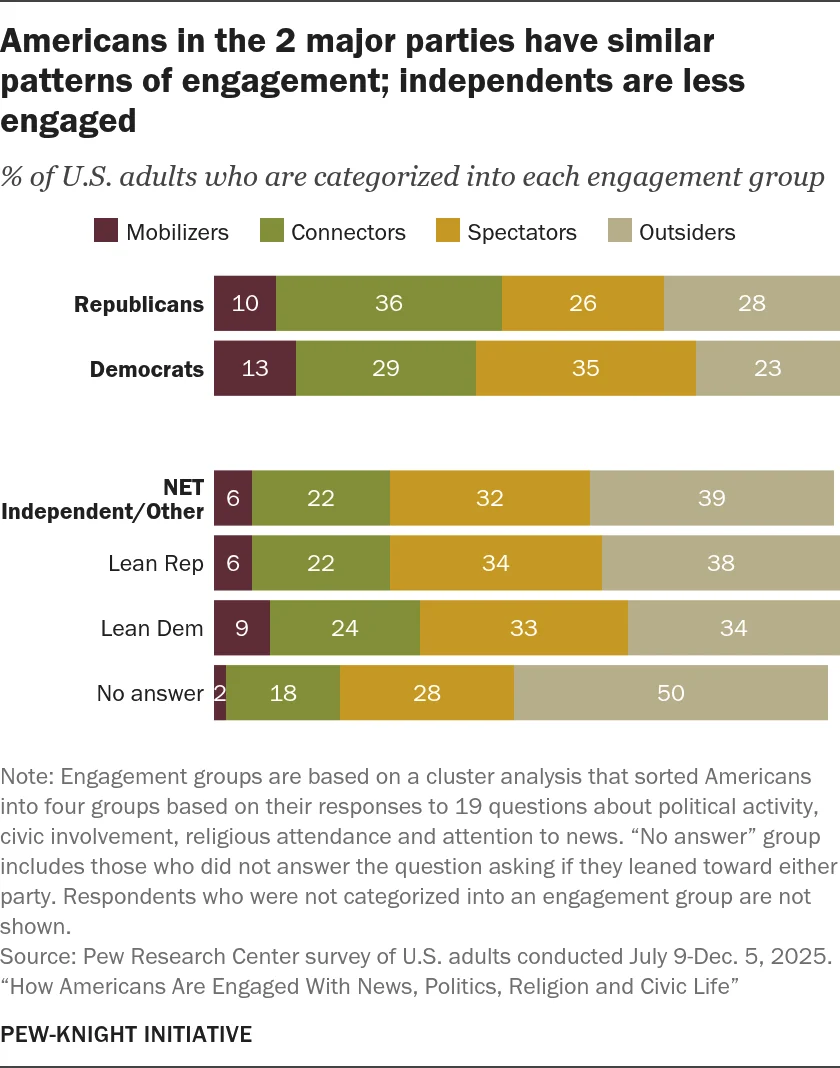
A recent study conducted by the Pew Research Center, exploring the perceptions of citizens in middle-income countries, highlights a growing sense of disillusionment. Many in these regions, who have historically viewed the U.S. as a reliable partner in development and disaster relief, are now recalibrating their own foreign policies to hedge against the volatility of American assistance.
Looking Ahead: The Future of Global Engagement
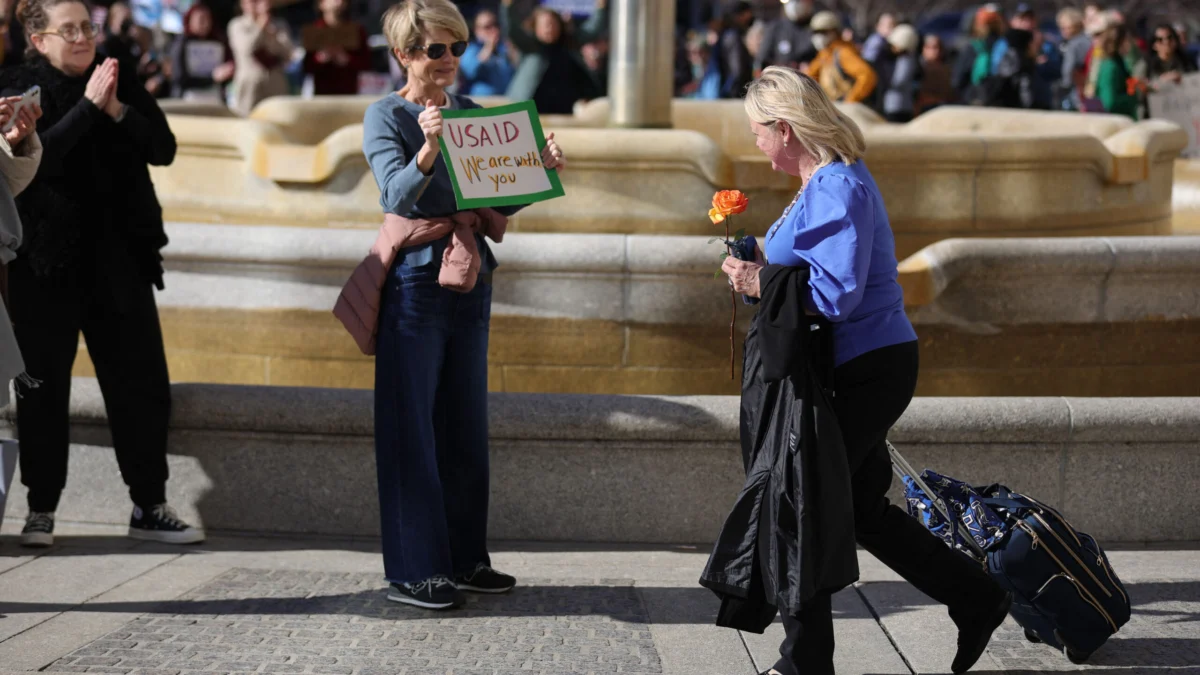
As the United States moves into the final quarter of fiscal 2026, the data suggests that the "plunge" in foreign aid is not a temporary dip but a structural pivot. With the dismantling of significant portions of the aid infrastructure—including the streamlining or closure of USAID offices—the path to restoring previous levels of global engagement would require not just a change in budget priorities, but a complete reconstruction of the bureaucratic and diplomatic apparatus.
The legacy of this period will likely be defined by a shift from a proactive, globally engaged superpower to a nation increasingly focused on inward-looking fiscal consolidation. Whether this leads to a more secure domestic future or a more unstable international environment remains the central debate of this administration’s foreign policy legacy.
Data Appendix: Key Metrics for Fiscal Year 2025
- Total Disbursed Aid: $47,317,850,037
- Primary Focus: Health ($10.9B), Humanitarian Assistance ($8.9B), Economic Development ($8.1B)
- Top 3 Recipients (FY25):
- Ukraine: $6.69 Billion
- Israel: $3.31 Billion
- Jordan: $1.65 Billion
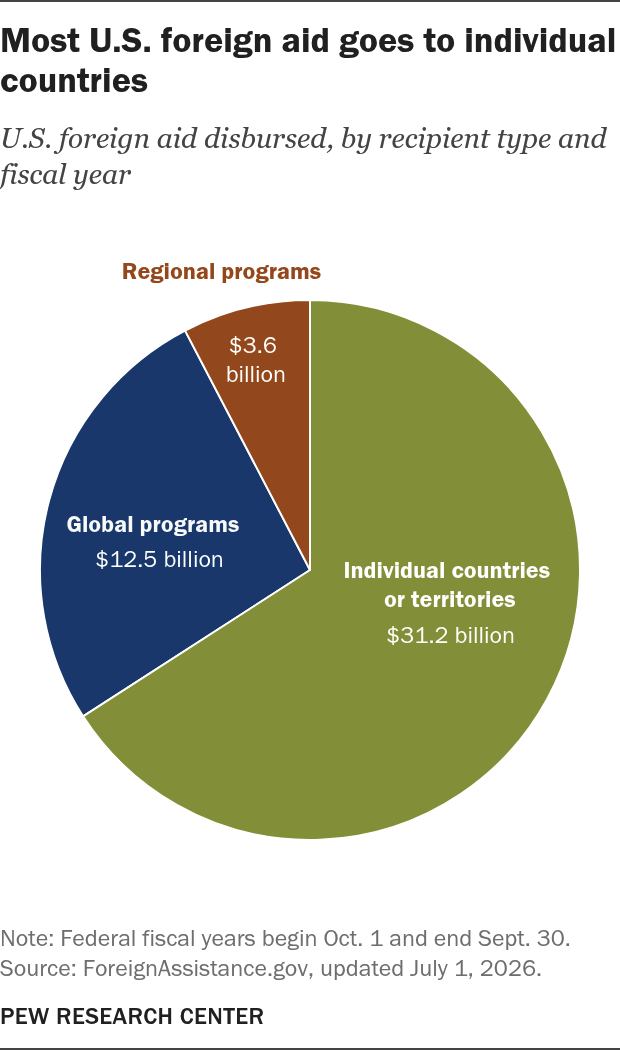
- Recipient Distribution: 65.9% to individual countries, 26.5% to global programs, 7.7% to regional initiatives.
Note: All data provided by ForeignAssistance.gov, current as of July 1, 2026.