
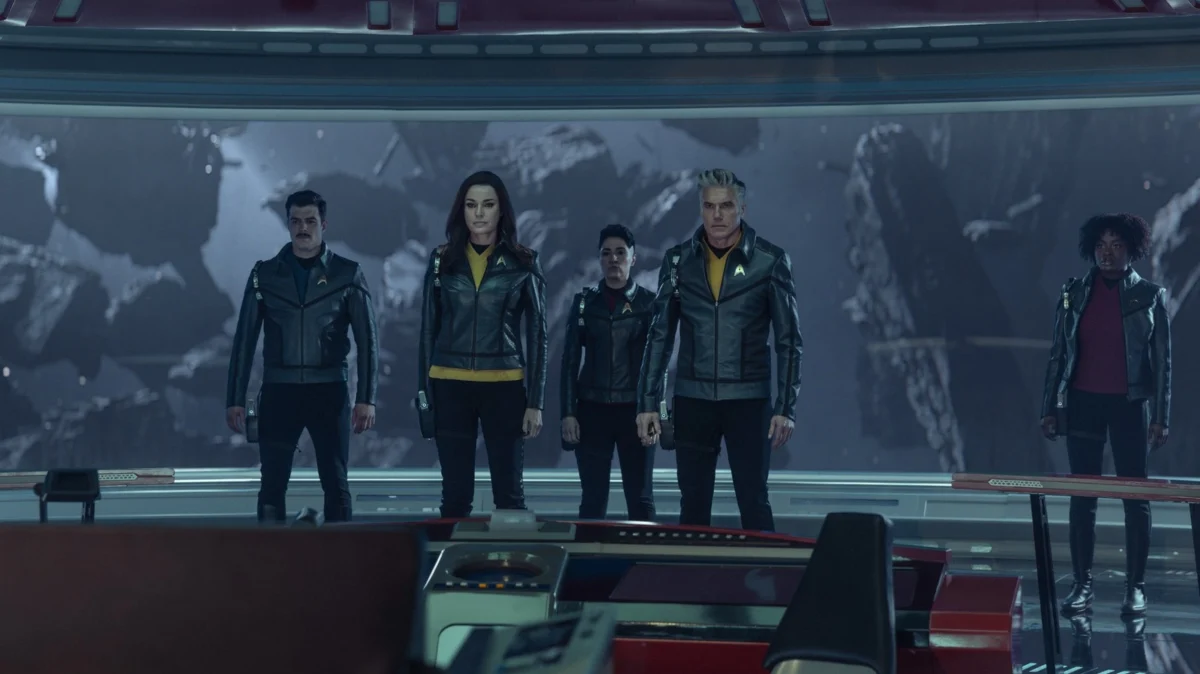
The Star Trek franchise has long been defined by its ability to pivot between genres—from high-concept political allegory to swashbuckling space adventure. In its fourth season, Star Trek: Strange New Worlds leans further into this kaleidoscopic approach than ever before. Yet, as the series attempts to push the boundaries of the episodic format, it finds itself caught in an existential tug-of-war: is it a confident, genre-bending pioneer, or is it a show struggling to maintain the cohesive identity that once made it the crown jewel of Paramount’s streaming catalog?
Main Facts: A Season of High-Concept Experimentation
At its core, Strange New Worlds Season Four remains committed to its mission statement of “big swings.” The production team has doubled down on the anthology-adjacent style that defined the show’s breakout first season.
The most prominent example of this creative risk-taking is the highly publicized collaboration with Jim Henson Studios for a puppet-centric episode. This move, while bold, serves as a microcosm for the season’s broader philosophy: a desire to deconstruct the Star Trek formula and reconstruct it through the lens of parody and homage. However, the season is characterized by a persistent, nagging tension. While the show maintains an air of confidence, the execution often feels burdened by a need for self-justification. Rather than simply committing to a genre exercise, the writing team frequently pauses to explain the why of its narrative choices, an impulse that often saps the vitality from the very concepts they are trying to celebrate.
Chronology: The Evolution of a Uneven Trajectory
To understand the current state of Strange New Worlds, one must look at the show’s progression since its 2022 debut.
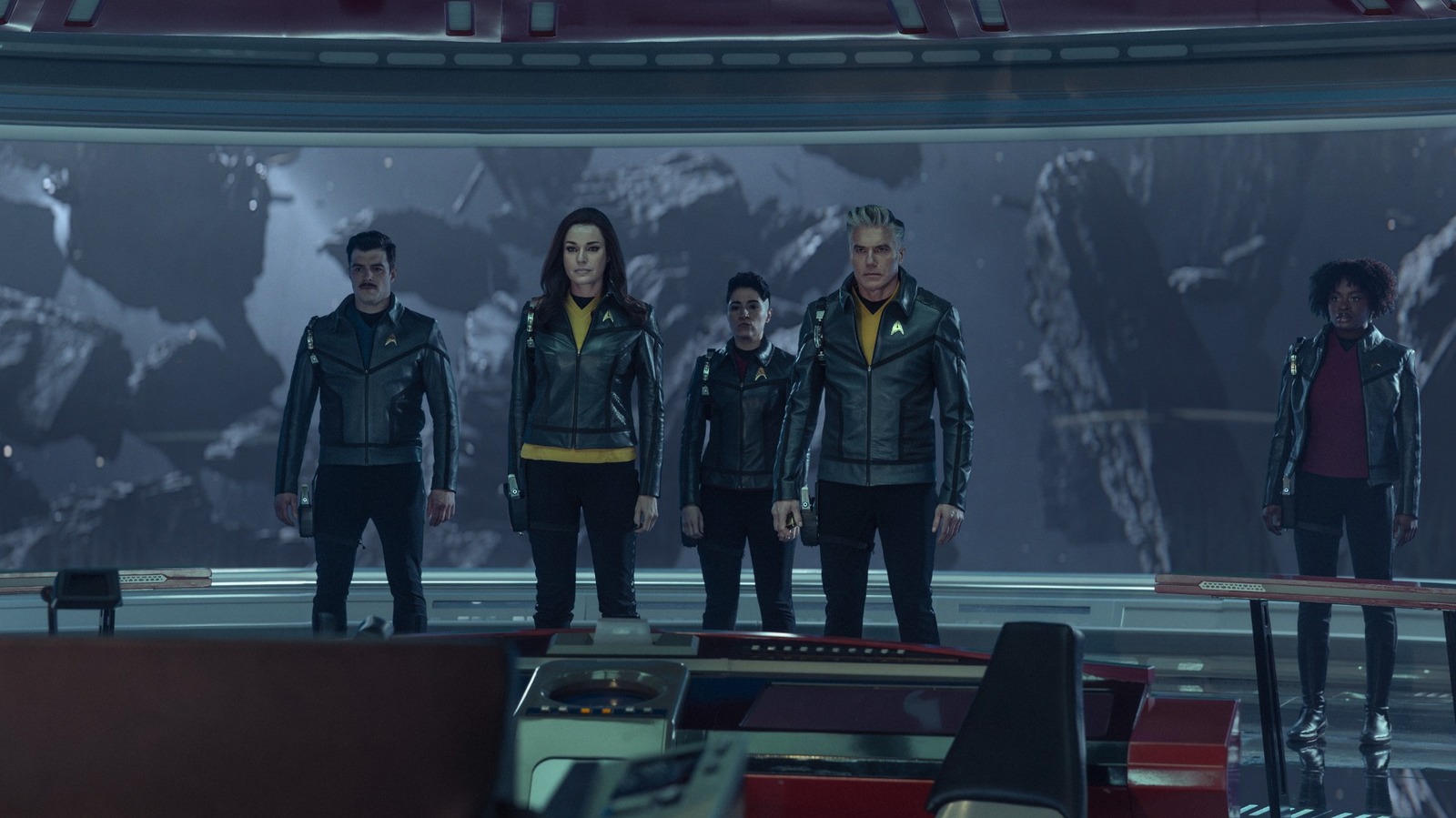
- Season One: Widely praised for its return to the episodic, “planet-of-the-week” format. It established Captain Christopher Pike (Anson Mount) as a nuanced, empathetic leader, and the show’s tone was viewed as a refreshing antidote to the serialized darkness of Discovery.
- Season Two: Continued the momentum, peaking with the musical episode “Subspace Rhapsody,” which demonstrated that the show could successfully execute bizarre, high-concept ideas with genuine emotional stakes.
- Season Three: The first signs of structural fatigue began to appear. The show’s tone became more erratic, and the inclusion of darker, visceral elements began to clash with the series’ inherent optimism.
- Season Four: The current iteration represents a full-throttle commitment to variety, but one that struggles to balance its tonal extremes. The season is packed with "parodies-of-the-week," ranging from the aforementioned puppetry to high-stakes political thrillers, yet it lacks the connective tissue that previously grounded these disparate stories.
Supporting Data: The Gore vs. Whimsy Paradox
A significant point of contention this season is the jarring juxtaposition between lighthearted experimentation and the "Alex Kurtzman-era" penchant for visceral, graphic content. The series continues to feature instances of body horror that feel at odds with the traditional, family-friendly spirit of the franchise.
The second episode of the new season serves as a litmus test for the audience. Featuring intense, eye-gouging sequences, it highlights a fundamental disconnect between the show’s premise and its visual presentation. Critics and long-time fans have noted that while Star Trek has always pushed boundaries, the current level of gratuitous violence effectively narrows the show’s demographic. In the pre-Kurtzman era, Star Trek was often a communal experience—a show intended for all ages. Today, a significant portion of the season’s run is effectively inaccessible to younger viewers, raising questions about whether the franchise has lost sight of its core accessibility.
Furthermore, the character management—specifically regarding the presence of Paul Wesley’s James T. Kirk—has become a structural liability. While Wesley’s performance is capable, his frequent, almost shoehorned appearances have led to a palpable feeling that the series is sidelining Anson Mount’s Captain Pike. This creates a narrative drag, as the audience is forced to spend time with a character whose presence feels more like a studio-mandated inclusion than an organic necessity for the Enterprise crew.
Official Responses and Creative Direction
While Paramount has remained largely supportive of the showrunners’ creative autonomy, the internal pressures of the franchise are evident. The shift toward more experimental episodes is a clear strategy to keep the series fresh in an increasingly crowded streaming landscape.
Insiders suggest that the creative team is acutely aware of the "unevenness" critics have pointed out. The decision to pursue such a diverse range of genres is not merely a stylistic choice but a logistical one: by treating each episode as a standalone experiment, the writers aim to avoid the stagnation that often plagues long-running science fiction series. However, the feedback from the production side implies that they are prioritizing "innovation" over "cohesion," betting that the highs of their best episodes will outweigh the occasional narrative dissonance.
Implications: The Best of Times, the Worst of Times
Despite the flaws, when Strange New Worlds hits its mark, it serves as a potent reminder of why it is arguably the best live-action Trek currently in production.
The sixth episode of the fourth season is a masterclass in tension, functioning as a taut, visceral thriller that defies the inherent predictability of a prequel. Even knowing that the primary cast is "safe" due to established Star Trek canon, the episode succeeds in creating genuine, heart-pounding stakes. It is a testament to the show’s potential: when it stops trying to justify its existence through meta-commentary or excessive gore and simply focuses on character-driven tension, it remains peerless in the genre.
The inclusion of subtle nods to niche media—such as the reference to the Scottish sketch show Burnistoun—adds a layer of personality that feels earned rather than forced. It is these moments of humanity and wit that keep the audience invested.
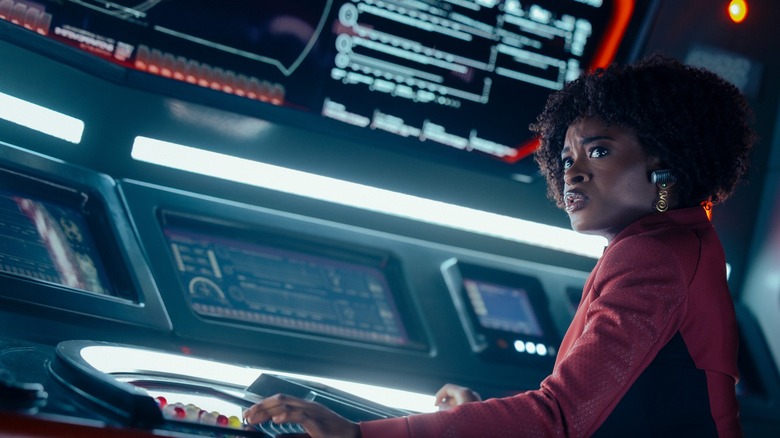
Conclusion: A Future in Flux
The fourth season of Strange New Worlds is a mirror of the show’s entire run: erratic in quality, occasionally gratuitous, but ultimately charming. It is a series that is desperate to prove its relevance by trying everything, even if that means failing in spectacular fashion.
As we look toward the future, the primary implication for the franchise is clear: Strange New Worlds has reached a crossroads. It can either tighten its focus and lean into the strengths that made it a success—character-centric, episodic storytelling—or it can continue to fracture under the weight of its own ambition. For now, fans should cherish the moments of brilliance, as the unpredictable nature of the current streaming landscape means that the time spent with this iteration of the Enterprise crew is a fleeting, if volatile, gift. We are seeing a show that is taking big swings; even when they don’t land, the effort itself remains a fascinating, if flawed, spectacle of modern television.