By Kalin Anastasov
Updated: July 23, 2026
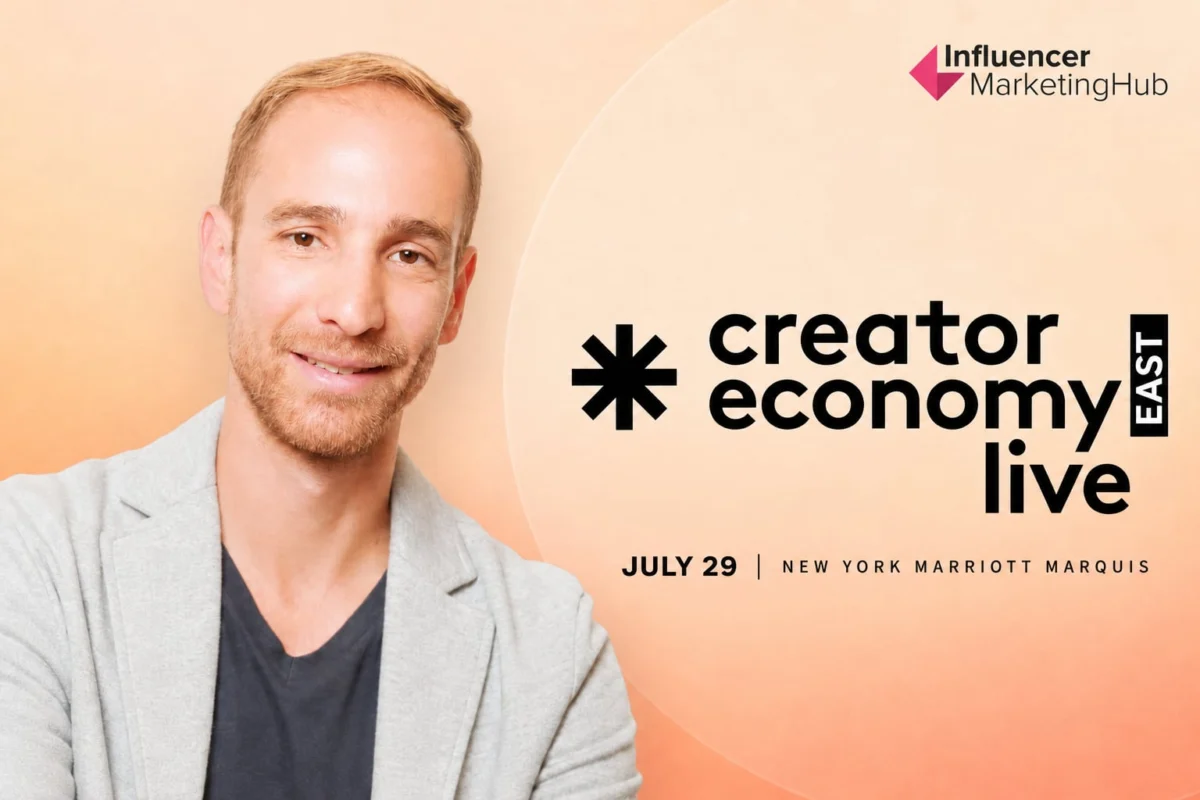
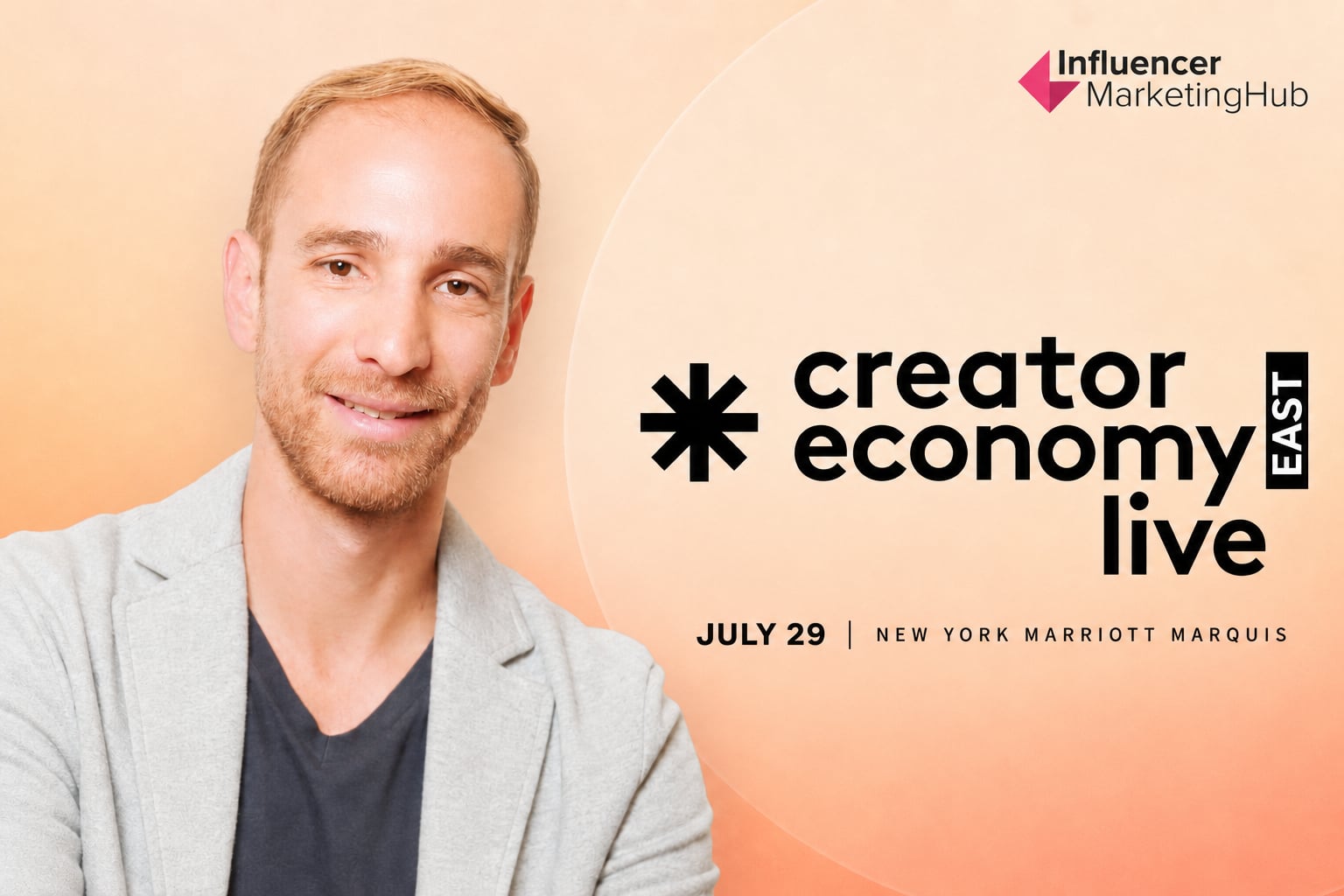
As the creator economy matures from a nascent digital experiment into a cornerstone of global marketing strategy, the industry’s most prominent voices are converging to define its future. Among the most anticipated highlights of the upcoming Creator Economy Live East is the keynote appearance of Keith Bendes, the Vice President of Strategy at Linqia. His involvement marks a pivotal moment for brand leaders, creators, and platforms seeking to harmonize the chaotic, fast-paced nature of influencer marketing with the rigorous demands of long-term corporate brand strategy.
The Evolution of the Creator Economy: A Paradigm Shift
For over a decade, influencer marketing operated primarily through transactional relationships: brands would pay for reach, and creators would provide content. However, as audiences have become increasingly sophisticated and platform algorithms have grown more complex, this model has faced diminishing returns.
The industry is currently witnessing a "flight to quality," where authenticity is no longer a buzzword but a performance metric. Keith Bendes has been at the forefront of this evolution, advocating for a shift toward "Performance-Driven Influence." His presence at Creator Economy Live East signals that the industry is ready to move beyond simple vanity metrics—such as likes and views—and toward measurable business outcomes that correlate directly with enterprise-level ROI.
Main Facts: The Intersection of Strategy and Influence
At its core, the appearance of Keith Bendes at the conference addresses a fundamental question facing modern CMOs: How do you scale human-led creativity without losing the brand identity that took years to cultivate?
Linqia, under the strategic guidance of leadership like Bendes, has spent recent years pioneering the use of data-informed creator selection. The core facts surrounding his upcoming address suggest a three-pronged approach to the current market landscape:
- The Integration of AI and Human Insight: While generative AI is automating content production, Bendes argues that the "soul" of a campaign—the emotional resonance—remains the exclusive domain of the human creator.
- The Standardization of Measurement: The industry suffers from a lack of unified metrics. Bendes is expected to champion frameworks that align influencer output with traditional retail media and programmatic advertising standards.
- The Creator-as-Partner Model: Moving away from the "one-off" post toward long-term brand ambassadorships, which are statistically proven to drive higher customer lifetime value (CLV).
A Chronology of Influence: How We Got Here
The trajectory of the creator economy over the last five years has been nothing short of volatile. To understand the significance of Bendes’s role at Creator Economy Live East, one must look at the timeline of the industry’s maturation:
- 2020–2021 (The Pandemic Boom): The creator economy experienced hyper-growth as digital consumption spiked. Brands flocked to TikTok and Instagram, leading to a "wild west" environment of unregulated spending.
- 2022–2023 (The Accountability Phase): As economic headwinds tightened budgets, CFOs began demanding proof of performance. The focus shifted from "reach" to "conversion."
- 2024 (The Data Revolution): Influencer marketing platforms began integrating sophisticated CRM-level data, allowing brands to track the path from an influencer’s post to a point-of-sale transaction.
- 2025–2026 (The Strategic Integration): As seen with the current discourse led by figures like Bendes, the industry is now in an era where influencer strategy is no longer a siloed department but a central pillar of the marketing mix.
Supporting Data: Why Strategy Matters Now
The urgency of Bendes’s message is backed by shifting market data. According to recent industry reports, brands that utilize data-driven creator management platforms report a 35% higher efficiency rate in campaign spend compared to those using manual or influencer-led outreach.
Furthermore, consumer sentiment analysis indicates that 78% of Gen Z and Millennial shoppers are more likely to trust a product recommended by a creator they have followed for over six months, compared to a new influencer partnership. This data point underscores the "Bendes Thesis": that the future of the creator economy lies in the longevity of the creator-brand relationship, rather than the breadth of the campaign reach.
Official Responses and Industry Sentiment
The anticipation surrounding Bendes’s session has sparked conversation across the agency landscape. Many industry peers view his approach as a necessary "professionalization" of the space.
"Keith has an uncanny ability to translate the chaotic creativity of the influencer world into the rigid language of the boardroom," says a fellow industry analyst. "He doesn’t just talk about content; he talks about supply chain, conversion funnels, and brand equity protection."
From the perspective of creators, the sentiment is equally positive. Many prominent creators have noted that working with strategic-minded leaders like Bendes provides them with more creative freedom. When a brand has a clear strategy, they can provide the creator with a "brief" that is focused, leaving the creator to focus on what they do best: engagement and storytelling.
Implications for the Future: What to Expect
As Creator Economy Live East approaches, the implications of these discussions are profound. We are moving toward a future where:
- Influencer Marketing Becomes "Creator Advertising": The line between traditional paid ads and creator-made content will continue to blur, necessitating a unified strategy that encompasses both.
- The Rise of the "Creator CFO": Creators are becoming business entities in their own right, requiring better financial literacy and professional management—a trend Bendes has often highlighted in his public discourse.
- Regulatory Compliance: With the FTC and global bodies keeping a closer eye on disclosures and synthetic content, strategic leaders are working to ensure that brands remain compliant while maintaining the "authentic" aesthetic consumers demand.
Conclusion: Setting the Bar for 2027 and Beyond
The appearance of Keith Bendes at Creator Economy Live East is not merely a keynote; it is a signal of where the industry is heading. As we look toward the latter half of the decade, the winners will not necessarily be the brands with the biggest budgets, but those with the most coherent, data-backed, and human-centric strategies.
By bridging the gap between the artistic freedom of creators and the strategic requirements of global enterprises, Bendes is helping to stabilize an industry that, for too long, was defined by its unpredictability. For those in attendance, his insights will likely provide the blueprint for navigating the next phase of the creator economy—an era defined by accountability, sophistication, and enduring connection.
Quick Summary for Stakeholders
- The Core Focus: Moving from transactional influencer marketing to long-term strategic brand partnerships.
- The Key Trend: Using data to inform creative decisions rather than relying on intuition alone.
- The Takeaway: The "Professionalization" of the creator economy is the single biggest opportunity for growth in the next 24 months.
For more updates on the Creator Economy Live East and insights into the future of digital marketing, stay tuned to the Influencer Marketing Hub.