SAN DIEGO — The Resident Evil cinematic legacy is one of the most polarizing in modern genre history. While the Paul W.S. Anderson-led era turned the Capcom franchise into a multi-billion dollar action powerhouse, and subsequent reboots attempted to bridge the gap between lore and lens, fans have long clamored for an adaptation that captures the suffocating, claustrophobic dread of the original 1996 masterpiece.
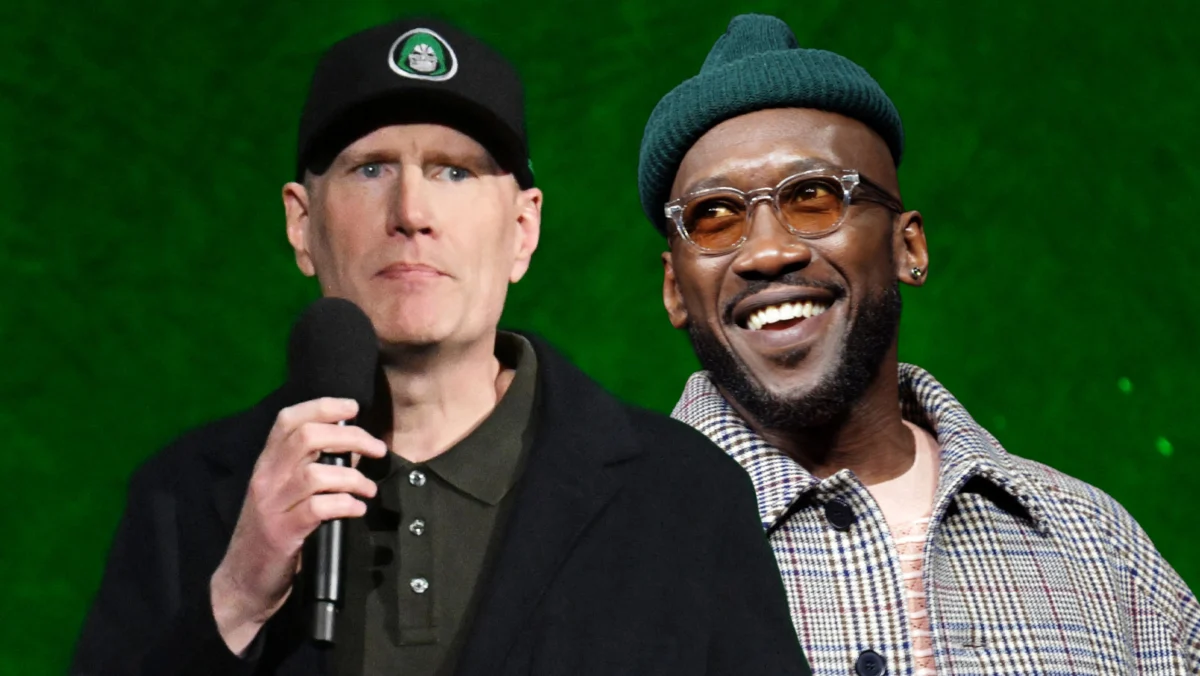
Enter Zach Cregger. The writer-director, who shocked the industry with the subversive horror hit Barbarian, is now at the helm of Sony’s latest foray into Raccoon City. Alongside lead actor Austin Abrams (Euphoria, The Walking Dead), Cregger is promising a "lean and mean" 95-minute descent into hell that prioritizes atmosphere over "karate-kicking zombies." At a recent Resident Evil x Discord Fan Event during Comic-Con, the duo sat down to discuss the upcoming film, which is slated for a high-stakes release on September 18.
Main Facts: A New Vision for a Legendary Franchise
The upcoming Resident Evil film, co-written by Cregger and Shay Hatten (John Wick: Chapter 4), represents a fundamental shift in how video game narratives are translated to the big screen. Rather than focusing on established S.T.A.R.S. members like Chris Redfield or Jill Valentine, the story follows Bryan (Abrams), a medical courier who finds himself in the wrong city at the worst possible time.
Key Details:
- Protagonist: Bryan, an everyman courier dealing with personal relationship crises before the viral outbreak.
- Setting: Raccoon City on the eve of the T-Virus catastrophe.
- Director’s Philosophy: A focus on "survival horror" rather than "survival action."
- Technical Innovation: A camera style designed to mimic the third-person perspective of the modern game remakes.
- Runtime: A tight 95 minutes, intentionally avoiding the "bloat" of modern blockbusters.
- Lore Integration: Inclusion of iconic items like Green Herbs, typewriters, and intricate puzzles, while omitting legacy characters to avoid "cannibalizing" game performances.
Chronology: From Pixel to Practical Effects
The journey to this new adaptation began with Cregger’s own history as a devotee of the Capcom series. During the Comic-Con panel, Cregger emphasized that his version of Resident Evil wasn’t born from a studio mandate, but from a desire to replicate the specific "tonal rhythm" of the early games.
The production timeline moved from a script focused on grounded dread to a shoot that leaned heavily on practical effects. According to Cregger, the decision to set the film on the "eve of the viral outbreak" allowed the production to build tension slowly—a hallmark of the original games that often gets lost in high-octane film adaptations.
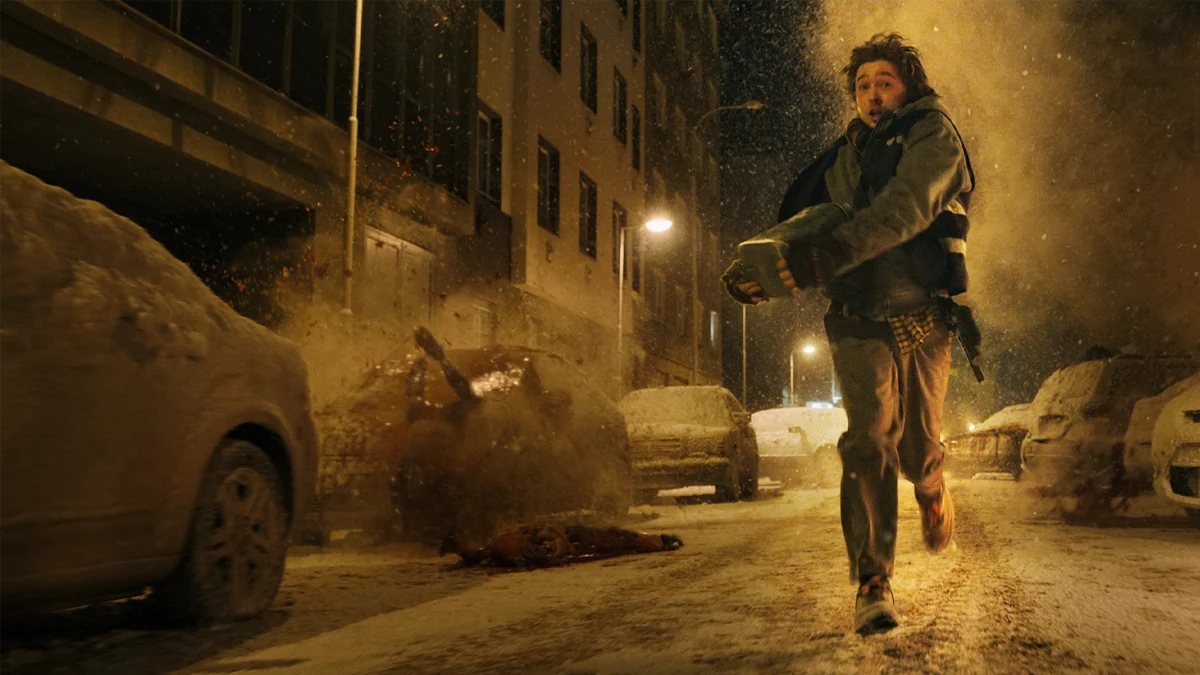
Austin Abrams joined the project not just because of the brand name, but because of Cregger’s specific directorial voice. Abrams noted that the filming process was a "dance" between actor and camera, specifically during the "Jump Street" sequence featured in the trailer. This sequence, involving zombies leaping from buildings amidst practical explosions, was filmed with an emphasis on physical reality over CGI, a choice made early in the pre-production phase to ground the horror.
Supporting Data: The Mechanics of Dread
To understand why this adaptation is generating significant buzz among the Discord community and hardcore fans, one must look at the technical specifications Cregger has implemented.
The 95-Minute Directive
In an era where tentpole films frequently exceed the 150-minute mark, Cregger’s 95-minute runtime is a calculated risk. "I think movies are too long," Cregger stated bluntly during the interview. By stripping away "extra calories," the director aims for a pacing that mirrors the urgency of a game’s "speed run" while maintaining the atmospheric "slow burn" of the first act.
The Third-Person Cinematography
One of the most ambitious elements of the film is its cinematography. Working with camera operator James Van Der Reyden, Cregger sought to replicate the "over-the-shoulder" perspective that has defined the Resident Evil games since Resident Evil 4. This required Abrams and the camera crew to be in "lockstep," moving as a single unit to ensure the audience feels like they are controlling—or at least tethered to—the protagonist.
Resource Management as Narrative
The "resource management" aspect of the games—choosing between a healing herb or extra ammo—is mirrored in the film’s structure. Cregger noted that while the film is a survival horror, it also reflects the "impossible choices" of filmmaking, where every scene is a battle for efficiency and impact.
Official Responses: Insights from the Creators
During the Deadline interview, both Abrams and Cregger provided deep-dive responses into the characterization and creative constraints of the film.
On the Character of Bryan
Austin Abrams: "He is dealing with relationship troubles, and then that’s juxtaposed with immediately having to survive and fight for his life… it makes him have to look at what he’s so afraid of in his regular day… with fresh eyes."
Zach Cregger: "I think of Bryan as someone who is just starting his adult life. He has a job, but not a career… his girlfriend is pregnant, he’s not ready. He’s in his own little horror movie, and then all of a sudden, a real horror movie interrupts him and it puts all of that into perspective."
On Omitting Legacy Characters
One of the most controversial decisions among the fanbase is the absence of characters like Leon S. Kennedy or Albert Wesker. Cregger defended this choice as an act of respect for the source material.
"I intentionally didn’t want to put any of the characters in the games into the movie because what I don’t want to do is cannibalize all these things that the games do so well," Cregger explained. "I don’t think I’m going to do a better job of representing someone like Leon than the games."
On the Preservation of Franchise "Taste"
Cregger identified the "non-negotiables" of the franchise as the T-Virus, the Umbrella Corporation, and a specific "progression deeper and deeper into hell." He emphasized that the film is a "love letter" not because it mimics the plot of a specific game, but because it replicates the experience of playing them—the dread, the tension, and the literal obstacles like padlocks and environmental puzzles.
Implications: A New Blueprint for Video Game Cinema?
The release of Cregger’s Resident Evil on September 18 could mark a turning point for the horror genre and video game adaptations at large. By focusing on a "non-badass" protagonist and a grounded, atmospheric tone, the film is positioning itself against the grain of the "superhero-fied" action movies that have dominated the box office for the last decade.
For the Franchise
If successful, Sony may have found a sustainable way to continue the Resident Evil brand without relying on the increasingly convoluted "lore-dumping" that plagued later entries in the game series and previous film iterations. By treating Raccoon City as a setting for standalone horror stories rather than a rigid timeline of specific heroes, the franchise could expand into an anthology-style cinematic universe.
For Horror Filmmaking
Cregger’s insistence on a lean runtime and practical effects serves as a challenge to current industry trends. If a 95-minute horror film can capture the massive Resident Evil audience, it may encourage studios to move away from bloated runtimes and over-reliance on digital assets.
For the Fanbase
The "Resident Evil x Discord" event highlights a growing trend of studios engaging directly with niche, hardcore communities. By focusing on "Easter eggs" like typewriters and herbs rather than just "fan service" cameos, Cregger is betting that fans value feeling like they are in the world of Resident Evil more than seeing a familiar face on screen.
As the September release approaches, the question remains: Can a medical courier with relationship problems capture the same terror that Jill Valentine felt in the Spencer Mansion? If Zach Cregger’s track record is any indication, the "no sweat" attitude of the trailer may be the last moment of calm before a very bloody storm.