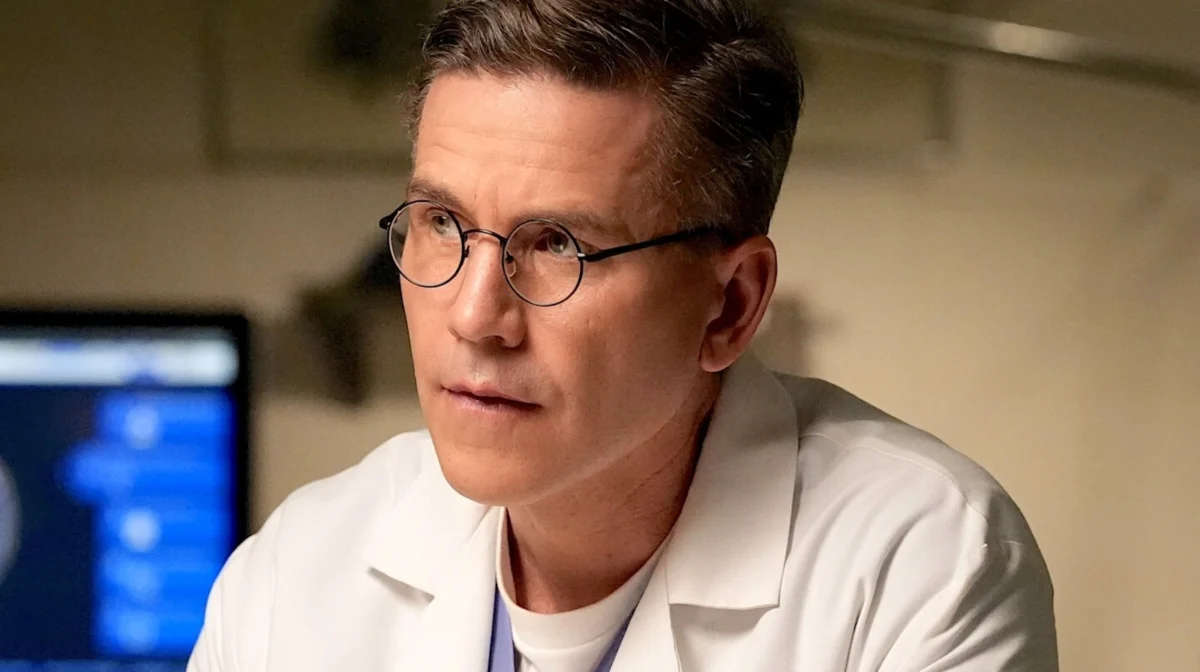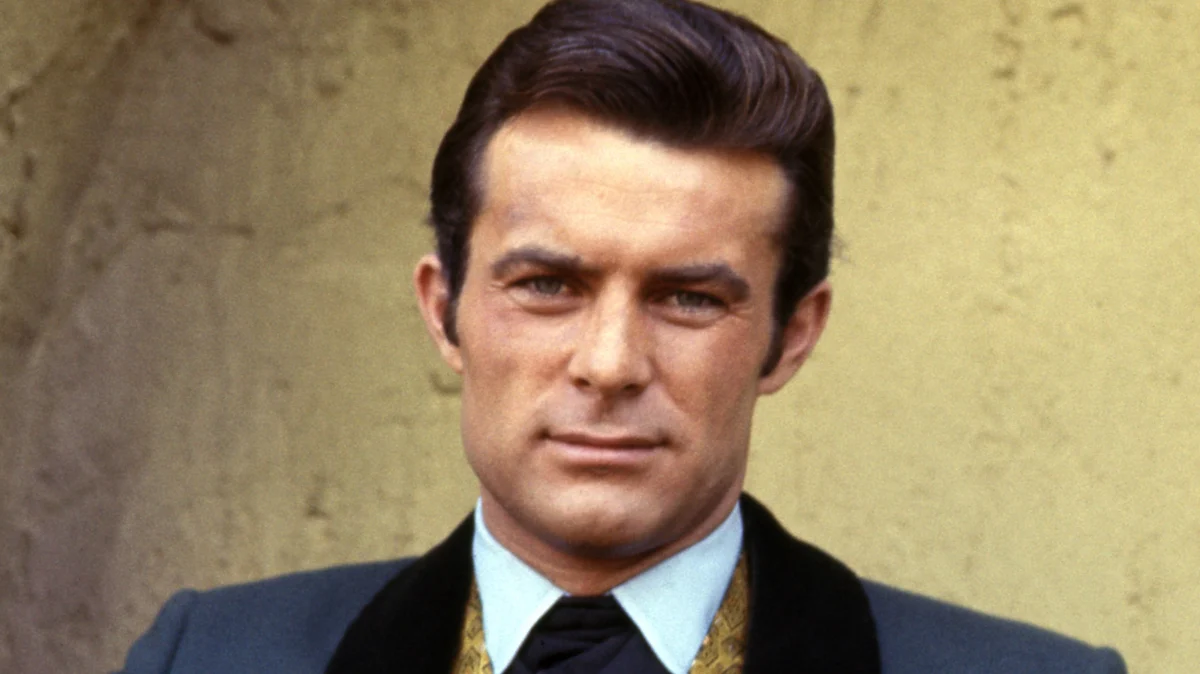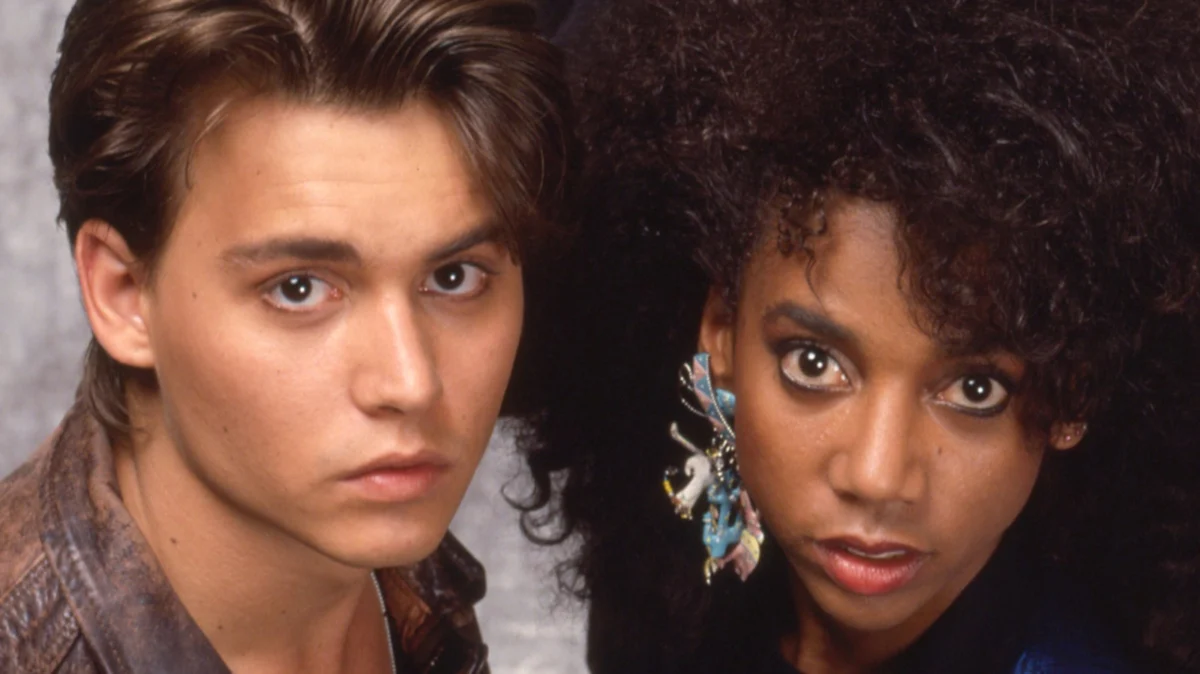
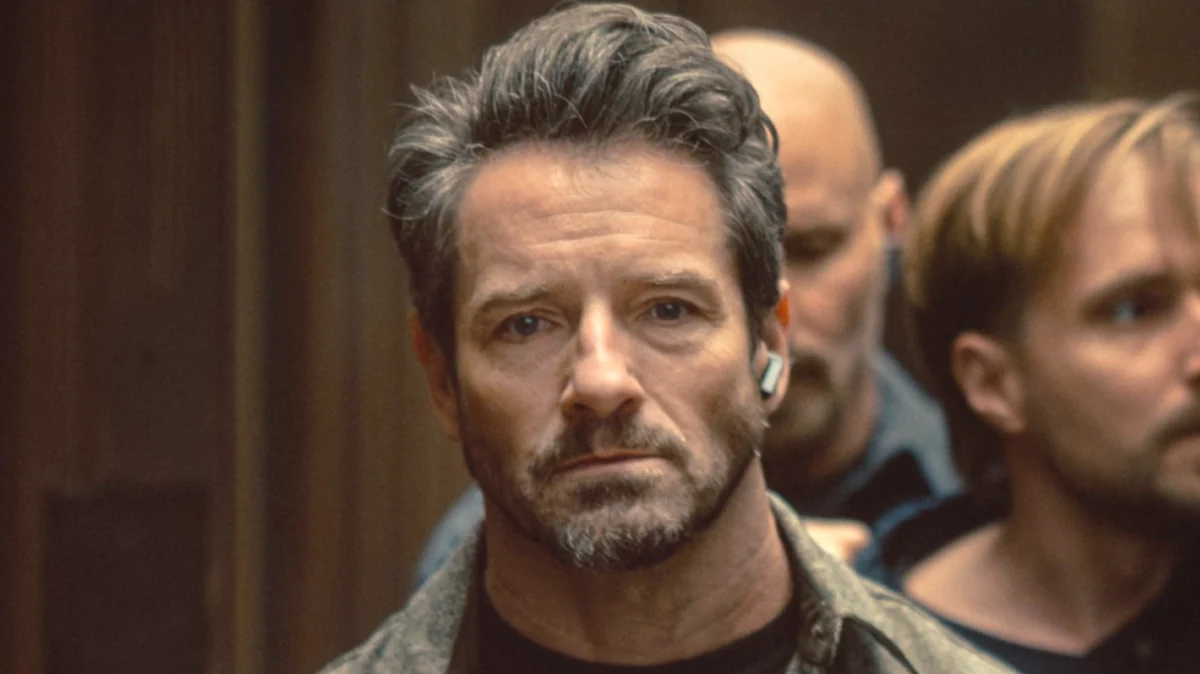
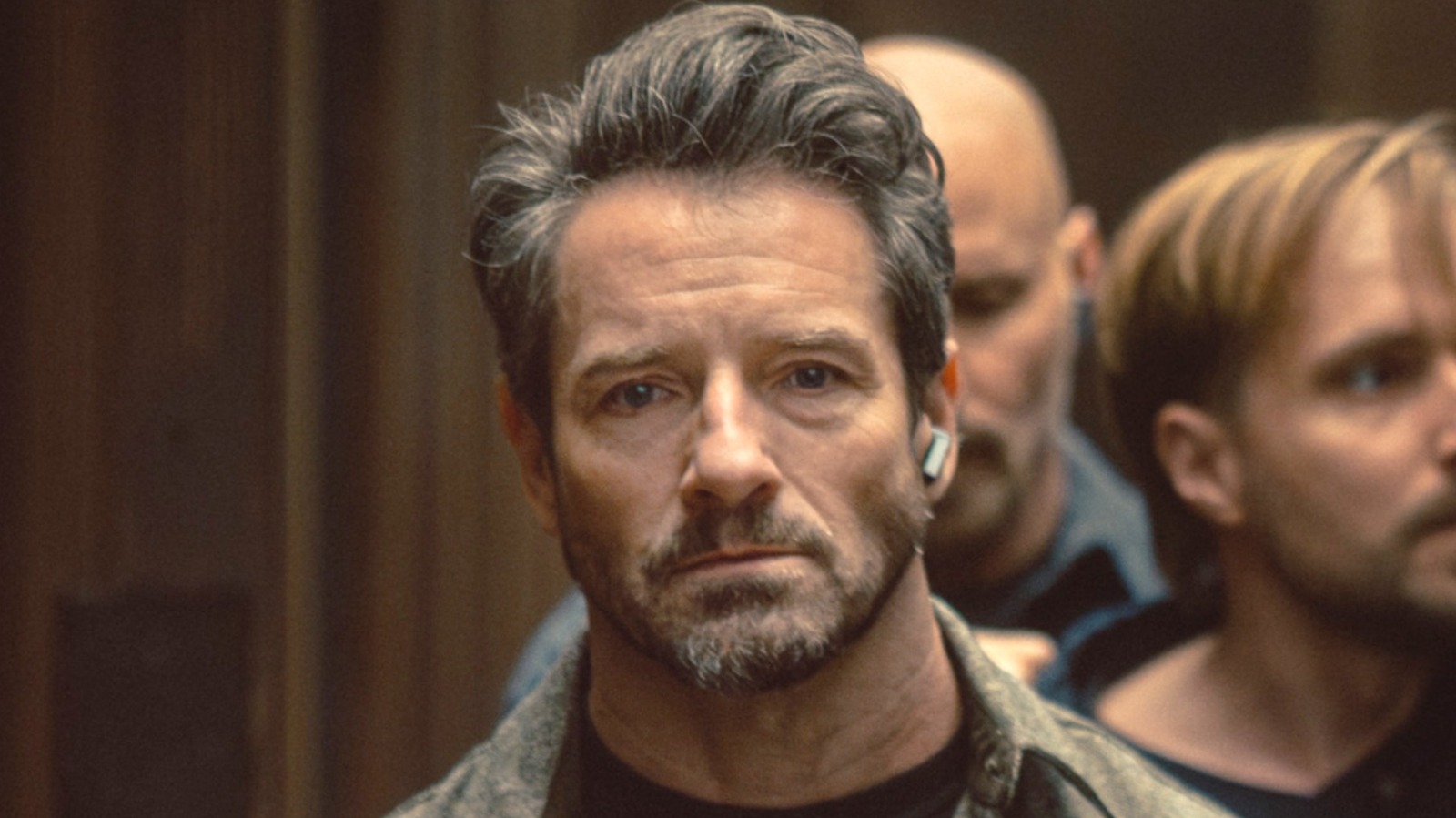
In the high-stakes, adrenaline-fueled world of Taylor Sheridan’s Lioness, the ensemble cast is constantly evolving to match the intensity of the show’s geopolitical maneuvering. As the hit Paramount+ spy thriller enters its third season, the narrative has introduced a new layer of tactical grit with the addition of Grady, a battle-hardened Delta Force operator and K-9 handler. For viewers, the introduction of this character—marked by a harrowing loss in the season premiere—offered an immediate sense of recognition. The man behind the tactical gear is Ian Bohen, a seasoned performer whose career has spanned three decades of television and film.
While Bohen’s presence on screen is now synonymous with the rugged, grounded aesthetic of the Taylor Sheridan universe, his path to the Lioness frontlines is a testament to the power of professional persistence and the tight-knit nature of modern television production.
The Man Behind the Tactical Gear: Who Is Grady?
In the narrative fabric of Lioness, Grady represents the tip of the spear. As a Delta Force operator, he brings a level of specialized combat expertise that adds a new dimension to the series’ already complex military operations. His introduction in Season 3 is not merely functional; it is emotional. The loss of his K-9 companion in the premiere serves as a brutal catalyst for his character arc, establishing his vulnerability beneath the armor of a professional soldier.
Ian Bohen’s portrayal of Grady is characterized by a restrained intensity—a hallmark of his acting style that has served him well in various high-tension roles. He does not play Grady as a caricature of a soldier, but as a man who understands the inherent cost of the mission. For audiences watching the high-definition intensity of Lioness, Bohen’s face is a beacon of familiarity, sparking the inevitable question: Where have I seen him before?
A Career Defined by Range: A Chronological Retrospective
To understand why Ian Bohen feels like a staple of modern television, one must look at a career that has effectively traversed every genre from supernatural teen drama to high-concept comic book adaptation and, eventually, the gritty Western-inspired crime dramas that dominate the current streaming landscape.
The Supernatural Roots: Teen Wolf
For a generation of viewers, Bohen is indelibly linked to the character of Peter Hale in MTV’s Teen Wolf. As the series’ primary antagonist for several seasons, Bohen showcased an ability to play complex, morally ambiguous characters. His performance was not just about the supernatural thrills; it was about the nuanced, often Machiavellian motivations of a man striving for power. This role established Bohen as an actor capable of carrying long-form television arcs.
The Comic Book Antagonist: Superman & Lois
Bohen’s versatility extended to the superhero genre when he joined the cast of The CW’s Superman & Lois for its second season. Playing Lieutenant General Mitch Anderson, Bohen traded supernatural intrigue for military rigidity. His eight-episode arc as an antagonist provided a blueprint for the kind of authoritative, command-oriented performance he now brings to Lioness. In many ways, his time as General Anderson served as the perfect training ground for the tactical mindset required of a Delta Force operator.
The Character Actor’s Journey
Beyond these tentpole roles, Bohen has been a ubiquitous presence in the industry. His filmography includes guest spots on some of the most influential procedural dramas of the 2000s and 2010s, including Mad Men, Prison Break, CSI: Miami, and Chicago P.D. These roles, while often smaller in scope, allowed him to hone the craft of "lived-in" acting—the ability to step into an established world and make an immediate impact within a single episode.
The Taylor Sheridan Connection: From the Bunkhouse to the Battlefield
While Bohen’s resume is vast, his current career trajectory is inextricably linked to the "Sheridan-verse." Taylor Sheridan, the visionary creator behind the Yellowstone franchise, has developed a reputation for creating a stable of actors who embody his specific brand of American realism. Bohen is a prime example of this synergy.
The Yellowstone Era
For five seasons and 51 episodes, Bohen played Ryan, one of the iconic "bunkhouse boys" on Yellowstone. Ryan was a character defined by loyalty, physical labor, and the unspoken codes of the ranching lifestyle. This role solidified Bohen as a fan favorite and proved that he could thrive in the slow-burn, character-driven storytelling that has become Sheridan’s signature.
Wind River: The Early Collaboration
Before he was a ranch hand, Bohen collaborated with Sheridan on the 2017 neo-Western masterpiece Wind River. His turn as law enforcement officer Evan demonstrated his ability to inhabit the cold, isolated landscapes that define Sheridan’s work. This project was foundational, building the trust between the actor and the director that would eventually lead to his casting in Lioness.
The Pursuit of the Role: An Actor’s Persistence
In an exclusive interview with People, Bohen shed light on the logistical challenges that prevented his move to Lioness sooner. The reality of the modern TV landscape is often dictated by production schedules that overlap, making it impossible for talent to work on two massive, location-heavy shows simultaneously.
"I’ve wanted to work on it since it debuted, and I was on Yellowstone, and they often shot concurrently, so there wasn’t an opportunity," Bohen explained.
This revelation underscores the professional camaraderie and the direct communication lines that exist within the Sheridan production camp. Bohen didn’t rely solely on his agent; he communicated his interest directly to the creator. His plea to Sheridan—"If it could ever work, I would love to do this"—was met with the quintessential, measured response from the director: "Yeah, I’ll think about that."
When Yellowstone concluded, the path cleared. The call from Sheridan, which Bohen recalls as the invitation to "come play with us," highlights the creative trust that Sheridan places in his performers. For Bohen, it was the culmination of a long-term professional goal.
Official Responses and On-Set Dynamics
The transition from the world of Yellowstone to the tactical operations of Lioness could have been jarring, but Bohen describes the integration as seamless. The industry often romanticizes "on-set family," but in the case of the Lioness production, Bohen insists the sentiment is genuine.
"I’ve never felt more welcomed by a cast, in all my career, than I have with these people," Bohen told People. He noted that the established cast treated him like "brethren from the get-go."
This level of cohesion is vital for a show like Lioness, which relies heavily on the chemistry of its military units. If the actors do not trust each other in the rehearsal space, the tactical sequences on screen lose their sense of realism. Bohen’s integration suggests that the show’s success is built as much on its off-screen culture as it is on its high-octane script.
Implications: Why This Matters for Lioness
The addition of Ian Bohen to Lioness is not just a casting win; it is a strategic maneuver that strengthens the show’s brand. By bringing in a veteran of the Sheridan-verse, the show maintains its tonal consistency while adding a performer who understands the weight of the material.
- Audience Retention: By casting a recognizable face from Yellowstone—a massive audience demographic—Lioness ensures that fans of Sheridan’s other works will feel an immediate tether to this series.
- Character Depth: Bohen’s history with playing stoic, professional, and slightly guarded men makes him the perfect fit for the role of Grady. It allows the writers to skip the "introduction phase" of a new character and immediately dive into the emotional trauma and tactical challenges that characterize Season 3.
- The "Sheridan Seal": The collaboration reinforces the idea that the Taylor Sheridan productions are a cohesive ecosystem. This creates a "prestige" factor for the show, signaling to viewers that they are watching a project that is part of a larger, highly curated creative vision.
As Season 3 of Lioness unfolds, Grady is poised to become one of the most compelling figures in the narrative. Whether he is navigating the complex morality of modern warfare or mourning the loss of his K-9 unit, Ian Bohen brings a level of gravitas that ensures the character will resonate long after the credits roll. For a show about the hidden costs of global security, Bohen’s presence is a reminder that even the toughest soldiers carry the weight of their pasts—a theme that the actor, with his storied career, is uniquely qualified to explore.