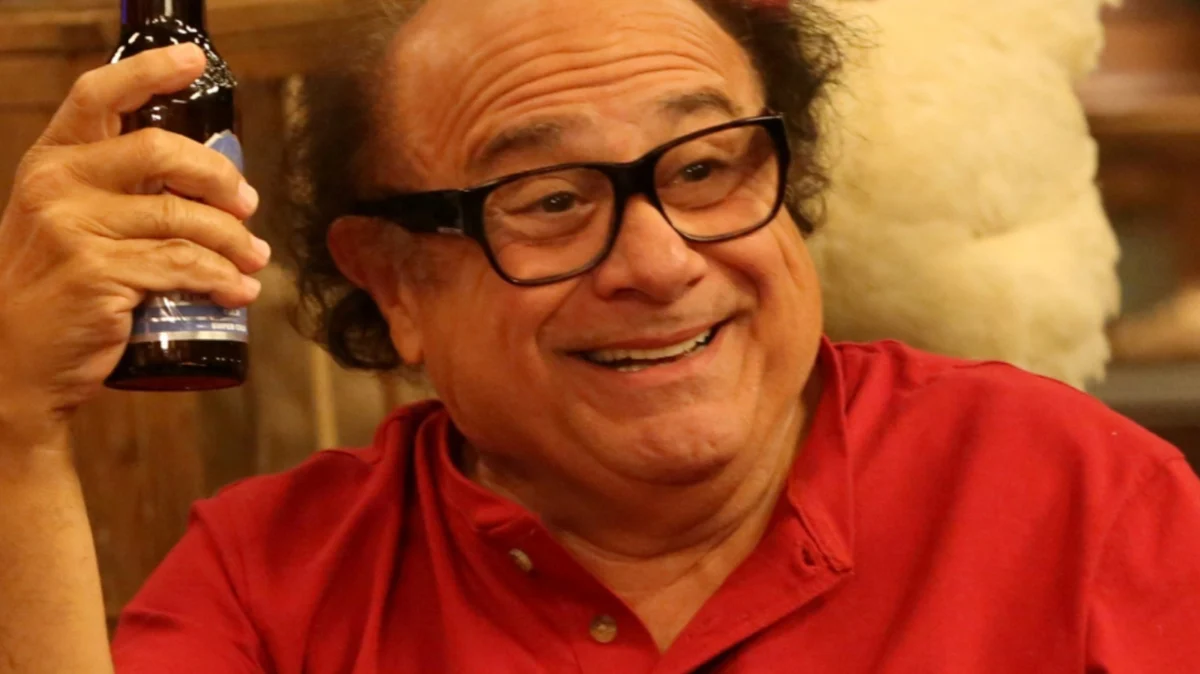
It is difficult for modern audiences, who view the ensemble cast of It’s Always Sunny in Philadelphia as a monolithic pillar of television history, to imagine a version of the show without Frank Reynolds. Yet, the iconic, unhinged patriarch—brought to life with chaotic brilliance by Danny DeVito—was not part of the original blueprint. During its low-budget, seven-episode first season, the series relied on the chemistry of its four original members: Glenn Howerton (Dennis), Rob McElhenney (Mac), Charlie Day (Charlie), and Kaitlin Olson (Dee).
When FX executives pushed for the addition of a "name" actor to boost the show’s profile in Season 2, the creators faced a daunting challenge. Integrating a fifth, high-profile lead into a show defined by the insular, toxic, and specific dynamic of the original quartet was a gamble that could have easily alienated their burgeoning fan base. To navigate this, the writers employed a strategy of patient, serialized storytelling—a decision that not only saved the series but arguably laid the groundwork for its record-breaking longevity.
The Genesis of the Gamble: Integrating a Hollywood Icon
In the early 2000s, It’s Always Sunny was a scrappy, low-budget comedy finding its footing. The decision to bring Danny DeVito into the fold was not merely a creative choice; it was a mandate from the network to ensure the show’s survival. However, the showrunners were wary. Howerton and McElhenney knew that the audience had already grown accustomed to the rhythm of the four original characters. Throwing a famous actor into the mix risked disrupting the "Paddy’s Pub" ecosystem.
"When we were writing Season 2, somewhere along the way we decided to serialize the show," Glenn Howerton explained during an episode of The Always Sunny Podcast. "Not that we were necessarily committing to it being a serialized show every year, but there’s a continuity. We wanted to slowly integrate him into the gang."
This "slow-burn" approach was vital. Rather than force Frank into every scene as an immediate, fully formed member of the group, the writers treated his presence as a disruptive force—an outsider who had to worm his way into the gang’s circle of depravity.
Chronology of a Character Arc: From Outsider to Antichrist
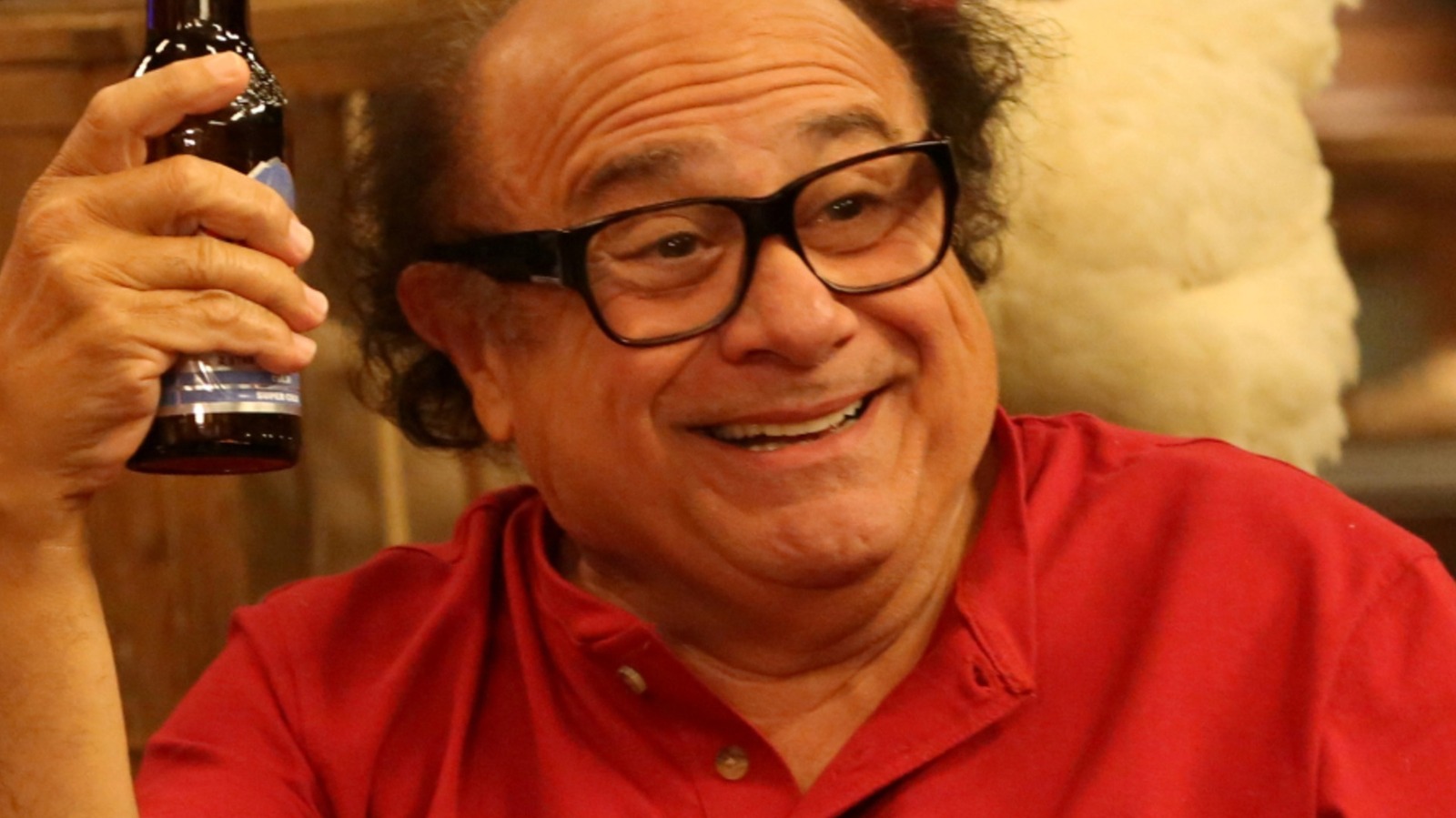
The integration of Frank Reynolds was not an overnight transition. In his initial appearance, Frank was presented as a wealthy, bored businessman looking for a distraction. His early crimes were relatively mundane—stealing Charlie’s date, for instance—but as the season progressed, the writers allowed the gang’s newfound reliance on his wealth to erode his moral compass, as well as their own.
The Hospital Bridge: Establishing Continuity
The transition from Season 1 to Season 2 was marked by a deliberate departure from the standard "status quo" format of 2000s sitcoms. In the Season 2 premiere, the gang is involved in a car accident that leaves them hospitalized. In a standard episodic show, the next episode would reset the slate. Instead, the subsequent episode, "The Gang Goes Jihad," opened with Charlie having his medical cast removed.
This small detail served a larger purpose: it acknowledged that time was moving forward linearly. It signaled to the audience that the events of the previous episode mattered. This continuity helped explain why the gang’s relationship with Frank remained strained and suspicious—he wasn’t just a new guy in a sitcom; he was an unwanted guest in a slow-motion car crash of a life.
The Descent into Darkness
As Season 2 unfolded, the "slow-burn" paid off. By the ninth episode of the second season, Frank’s trajectory from "eccentric rich guy" to "absolute agent of chaos" was complete. His involvement in the death of a man in the pub’s basement marked a turning point. Frank was no longer just a financial benefactor; he was a catalyst for the gang’s worst impulses. The audience wasn’t just watching a new character join the show; they were witnessing the corruption of the group by a man who had more money, fewer scruples, and a far deeper well of depravity than any of them.
The Structural Strategy: Directorial Consistency
One of the most overlooked aspects of this successful transition was the decision to hire a single director for the entirety of the second season: Daniel Attias. While modern television often uses a rotation of directors to manage complex production schedules, this was a deliberate, strategic choice for Always Sunny.
"We needed somebody who could pull off essentially shooting all 10 scripts as if it was one big script," Howerton shared on the podcast. By maintaining a single directorial vision, the show ensured that the tone, the pacing, and the subtle evolution of Frank’s relationship with the group remained consistent. It prevented the narrative from feeling disjointed and allowed the serialized elements to breathe across the ten-episode arc.
Supporting Data: Why Serialization Worked
The success of this experiment provided the show with a new tool in its creative arsenal. Before Season 2, Always Sunny was purely episodic—every episode could be watched in a vacuum. By introducing serialized threads, the writers created "hooks" that encouraged viewer retention.
This success set the stage for later, more ambitious experiments in storytelling:
- The Season 6 Pregnancy Arc: When Kaitlin Olson became pregnant in real life, the show leaned into it rather than hiding it. By serializing the arc—beginning with "Who Got Dee Pregnant?" and culminating in the birth—the writers turned a production hurdle into a six-episode narrative arc that deepened the gang’s interpersonal dynamics.
- The Ireland Arc (Season 15): The show’s later years saw a return to serialized storytelling with a four-episode journey to Ireland. This arc allowed for genuine character growth, particularly for Charlie Day, whose performance regarding his father’s death in "The Gang Carries a Corpse Up a Mountain" remains a masterclass in blending dark comedy with profound emotional stakes.
Official Responses and Creative Implications
Reflecting on the legacy of the show, the creative team has been vocal about how these early constraints shaped the series’ identity. The fear that adding Danny DeVito would ruin the show actually forced the writers to become more disciplined. They could not rely on the simple, repeatable gags of the first season; they had to build a narrative bridge to accommodate a major shift.
The implication for the industry was profound. It’s Always Sunny proved that a show could remain cynical, absurd, and episodic, while still utilizing long-form storytelling to deepen its character relationships. It dismantled the idea that a sitcom had to be either a flat, joke-a-minute machine or a heavy, drama-laden series. It could be both.
The Legacy of the "Frank Factor"
Today, It’s Always Sunny in Philadelphia stands as the longest-running live-action comedy in American television history, having been renewed through its 18th season. This longevity is rarely achieved by shows that don’t adapt. The "Frank Reynolds" experiment proved that the writers were not afraid to burn the house down and start over if it meant keeping the show vital.
The addition of Danny DeVito changed the DNA of the show, but it was the way they added him—through careful, serialized integration and a commitment to maintaining character continuity—that ensured the series didn’t lose its soul in the process. They didn’t just add a character; they added a mirror that reflected the gang’s own worst traits back at them, accelerating their descent into the "depths of hell" that fans have come to love.
In hindsight, the decision to slow-roll Frank’s entry was the most "Sunny" thing the creators could have done: it was methodical, slightly pretentious, highly effective, and ultimately, a brilliant subversion of television norms. By refusing to treat the show as a standard sitcom, Howerton, McElhenney, and Day turned a risky casting demand into the most important creative turning point in the history of the series.