In the pantheon of 1960s television, the landscape was dominated by the stoic morality of Gunsmoke and the sweeping family dynamics of Bonanza. Yet, cutting through the dusty trails of traditional frontier narratives was a high-octane anomaly: The Wild Wild West. A daring fusion of genre conventions, the series pioneered a “gadget-heavy” aesthetic that effectively invented the steampunk genre on television decades before the term entered the common vernacular. Despite its cultural significance, the property remains best known by modern audiences for a disastrous 1999 big-screen adaptation. However, as the television industry enters a new golden age of serialized storytelling, there is a compelling case to be made that the original concept—James West, Artemus Gordon, and their high-tech train—is perfectly primed for a triumphant return to the small screen.
The Genesis: A Spy in the Saddle
Created by Michael Garrison, The Wild Wild West premiered in 1965 with a premise that seemed almost radical for its time. Garrison’s vision was simple yet profound: he wanted to transplant the suave, gadget-reliant espionage tactics of Ian Fleming’s James Bond into the rugged, lawless setting of the post-Civil War American West.
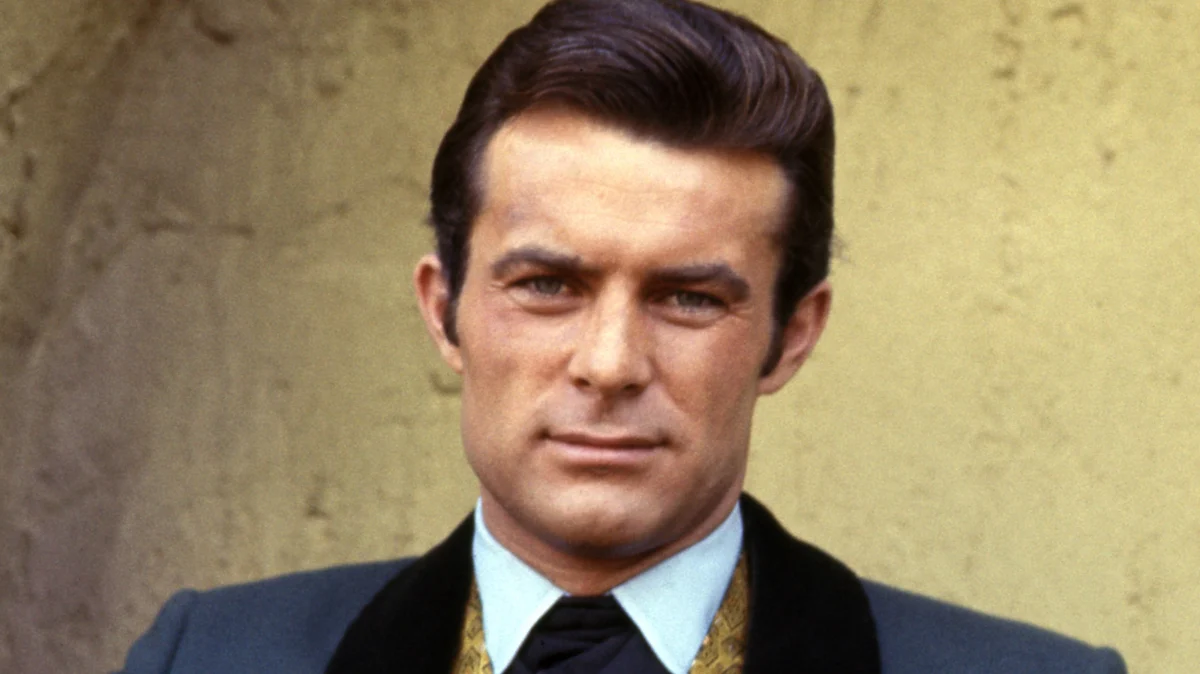
The result was a captivating alchemy. Starring Robert Conrad as the dashing Secret Service agent James T. West and Ross Martin as the master of disguise and inventor Artemus Gordon, the show defied the limitations of its era. Each week, the duo traveled aboard the Wanderer, a luxury steam train that functioned as a mobile base of operations, equipped with everything from secret laboratories to early iterations of “smart” weaponry.
By grounding the show in the tropes of a Western but flavoring it with science-fiction ingenuity, Garrison created a show that felt perpetually ahead of its time. It was not just about shootouts at the O.K. Corral; it was about outsmarting megalomaniacal villains who utilized steam-powered automatons, primitive computers, and chemical warfare.
A Chronology of a Failed Transition: The 1999 Misstep
The trajectory of The Wild Wild West is a classic case study in why some intellectual properties are fundamentally better suited for episodic television than the compressed, high-budget spectacle of a Hollywood blockbuster.
The Peak Years (1965–1969)
For four seasons, the show thrived. It built a reputation for its "Monster of the Week" format, frequently utilizing iconic guest stars to portray eccentric antagonists. Figures like Dr. Miguelito Loveless, played with delicious malice by Michael Dunn, became television legends. The show’s episodic nature allowed for variety; it was an anthology of sorts, where the setting could change, but the chemistry between the leads remained the constant anchor.
The Transition to Film
By the late 1990s, the "reboot" craze was in full swing. Warner Bros. decided to revive the franchise with a massive $170 million budget—a staggering sum at the time. They cast Will Smith, fresh off the success of Men in Black, alongside Kevin Kline and Kenneth Branagh.
The film arrived in 1999 with immense anticipation but crashed upon impact. Critics were baffled by the tone, which veered wildly from slapstick comedy to grim, CGI-heavy action sequences. The film’s centerpiece—a giant mechanical spider—became the ultimate symbol of the production’s excess. It was a movie that favored pyrotechnics over character development, a fatal error for a franchise built on the witty banter of its two protagonists.
The Anatomy of the Flop: Lessons Learned
Why did the 1999 film fail where the series succeeded? The answer lies in the structural differences between film and television.
The original show thrived on the "procedural" aspect of the adventure. It was a slow burn of mystery, disguise, and clever problem-solving. The film, conversely, treated the source material as a superhero action movie, stripping away the grounded, "detective" nature of West and Gordon. When you remove the intelligence of the characters and replace it with overblown set pieces, the audience loses the connection to the human element of the story.
Furthermore, the 1999 movie suffered from a lack of clear identity. It was too silly to be a serious thriller and too cynical to be a fun, pulpy romp. The film’s failure serves as a cautionary tale: when adapting a property that relies on character dynamics, scale should never supersede soul.
Why a Television Revival Is Necessary
The television landscape has shifted dramatically since 1999. We are currently in an era where genre-bending shows are not only successful but are often the most critically acclaimed programs on streaming platforms.
The Procedural Renaissance
Shows like Poker Face and Elsbeth have proven that audiences are hungry for the "mystery-of-the-week" format. The Wild Wild West is perfectly structured for this model. A modern reboot would not need to invent an overarching narrative that collapses under its own weight; it could simply focus on the weekly adventures of West and Gordon as they protect the United States from threats that don’t belong in the 19th century.
Steampunk’s Cultural Arrival
In the 1960s, the "futuristic" gadgets on the show were a novelty. Today, steampunk is a well-established subculture. A modern production could lean into the aesthetic of Victorian-era industrialism, blending practical effects with high-end CGI to create a world that feels tactile and dangerous. There is a visual richness to the Wanderer train that, if handled with care, could be a character in its own right, much like the TARDIS in Doctor Who.
The Villainous Roster
One of the show’s greatest strengths was its cavalcade of guest villains. By adopting a "big-name guest star" model—similar to the way The Mandalorian or Poker Face uses cameos—a revival could turn the casting of the antagonist into a major event. Having a rotating cast of high-caliber actors portraying eccentric, diabolical masterminds would provide the show with the longevity and variety that modern viewers crave.
Implications for Future Adaptations
The potential revival of The Wild Wild West carries significant implications for how we view intellectual property. It suggests that a "bad" movie does not permanently tarnish the potential of a source material. If anything, the failure of the 1999 film acts as a roadmap of what not to do.
Industry analysts suggest that the future of successful franchises lies in "right-sizing" the content. For The Wild Wild West, that means stepping away from the $200 million blockbuster model and returning to the serialized, character-focused roots that made the original show a pioneer.
Conclusion: Returning to the Rails
The history of The Wild Wild West is a testament to the fact that great concepts are resilient. While the 1999 feature film may have stumbled, the spirit of Michael Garrison’s vision remains vibrant and relevant. In a world where television is increasingly defined by the depth of its storytelling and the richness of its world-building, James West and Artemus Gordon deserve a chance to climb back onto the Wanderer.
Whether it be on a major streaming network or a premium cable channel, the time is right to reclaim the steampunk crown. By embracing the cleverness of the original series and the sophisticated production values of the modern age, a new Wild Wild West could capture the imagination of a generation that has never seen the inside of the Wanderer, while rewarding the fans who have kept the legacy alive for over half a century. The trail is wide open; it is time to ride.