By the Editorial Team
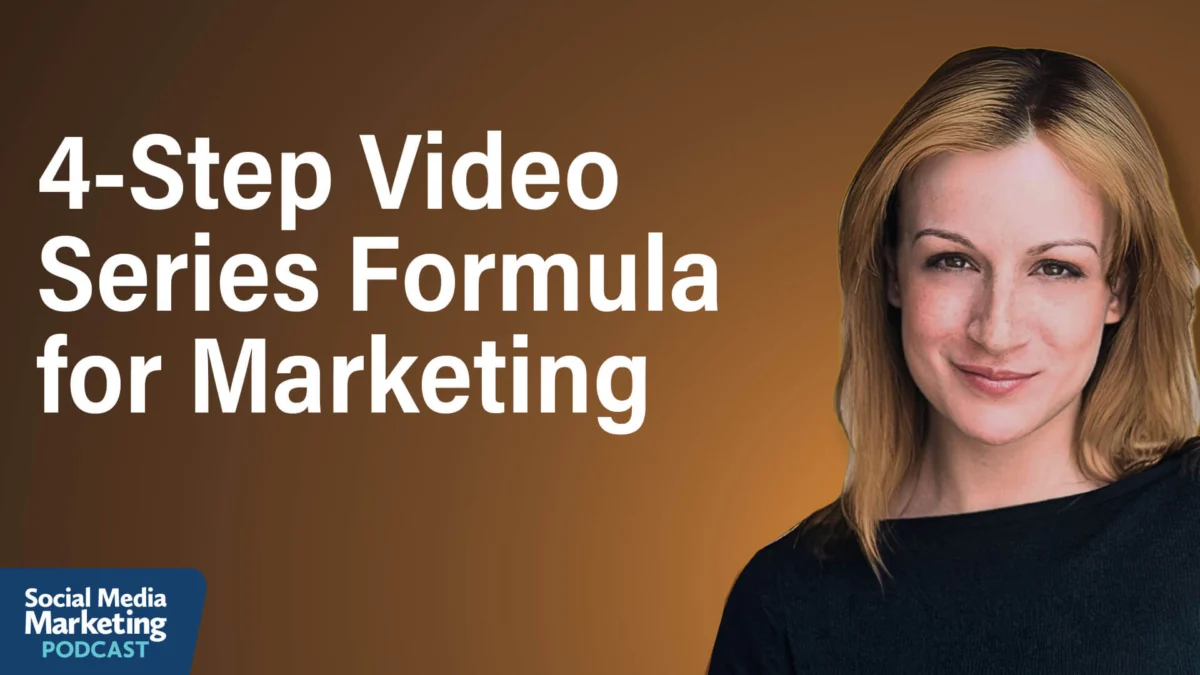
Co-created by Daryn Strauss and Michael Stelzner
Main Facts: The Shift From Vanity Metrics to Episodic Revenue
In the fast-paced ecosystem of modern digital marketing, business owners and personal brands face a familiar, exhausting trap: chasing the algorithm for a fleeting viral hit. While a video with millions of views can flood a dashboard with dopamine and short-lived vanity metrics, it rarely translates into sustainable revenue. Viewers watch a solitary piece of viral content, move on, and never return. There is no relationship built, no emotional equity established, and no clear pathway to a purchase.
Enter the strategic shift toward episodic video series.
According to Google’s time-tested 7-11-4 rule, a prospective customer typically requires 7 hours of content consumption, 11 touchpoints, and engagement across 4 different platforms before they cross the finish line to make a purchase. Viral one-offs cannot satisfy this requirement. Series content, however, is deliberately engineered to bring audiences back episode after episode. Each return visit compounds trust—the indispensable currency that turns casual scrollers into loyal customers.
This trend is no longer just a clever organic marketing hack; major platforms are fundamentally rewriting their infrastructure to support it:
- YouTube recently rolled out a dedicated “Show” feature for partner channels, allowing creators to stack serialized episodes in order—effectively mimicking the Netflix binge-watching experience.
- TikTok introduced a specialized long-form and series-focused application called Pine Drama.
- Instagram is heavily pushing Signature Series, encouraging repeatable, recognizable formats that keep audiences locked in over multiple installments.
Crucially, building a high-performing video series does not require a Hollywood budget or a massive production crew. Informal, highly conversational formats like Instagram’s trending “yapping” style—where creators speak directly and intimately to the camera—prove that what keeps viewers coming back isn’t slick production quality. It is compelling, structured storytelling.
Chronology: How the Content Landscape Evolved Toward Series-Based Strategy
To understand why episodic content is dominating boardrooms and creator studios today, it helps to look at the timeline of digital video consumption:
- The Wild West of Early Video (2010–2015): Brands and creators prioritized sheer output and keyword-stuffed search optimization. Discoverability relied heavily on individual search queries rather than platform loyalty.
- The Algorithmic Lottery (2016–2022): The rise of short-form vertical video (TikTok, Reels, Shorts) hyper-optimized platforms for viral distribution. Algorithms favored dopamine triggers over depth, leaving creators trapped in a relentless hamster wheel of chasing one-off hits that failed to convert into predictable business revenue.
- The Infrastructure Shift (2023–Present): Recognizing consumer fatigue with disjointed content, major tech platforms began building native ecosystems for serialized viewing. YouTube’s "Shows," Instagram’s "Signature Series," and dedicated series apps signaled a definitive pivot back to traditional TV mechanics: appointment viewing, narrative arcs, and bingeable ecosystems.
As digital noise increases and generative AI floods the internet with instantly generated facts, audiences are gravitating toward human-centric, serialized narratives they can trust over time.

Supporting Data: The Reality of Modern Marketing and Audience Behavior
As marketers navigate this landscape, data underscores the urgent need for structured, trusted content frameworks. Recent industry findings highlight critical shifts in how professionals and consumers approach modern tools and media:
- The AI Learning Curve: According to data from comprehensive marketing industry reports, 85% of marketers are learning AI by experimenting entirely on their own. Only 7% receive formal company training, and more than half are forced to spend their own personal money on tools and software.
- The Trust Gap: With AI tools capable of delivering raw facts instantly, factual information has been commoditized. Audiences no longer tune into video content simply for data; they tune in for a human perspective, a lived experience, and a trustworthy guide.
- The Multi-Touch Reality: Supported by Google’s 7-11-4 framework, digital buyers require multiple validation points before committing capital. A single piece of content can introduce a brand, but only a cohesive library of serialized episodes can nurture a lead through the consideration phase.
Official Perspectives: Frameworks for Building a Binge-Worthy Series
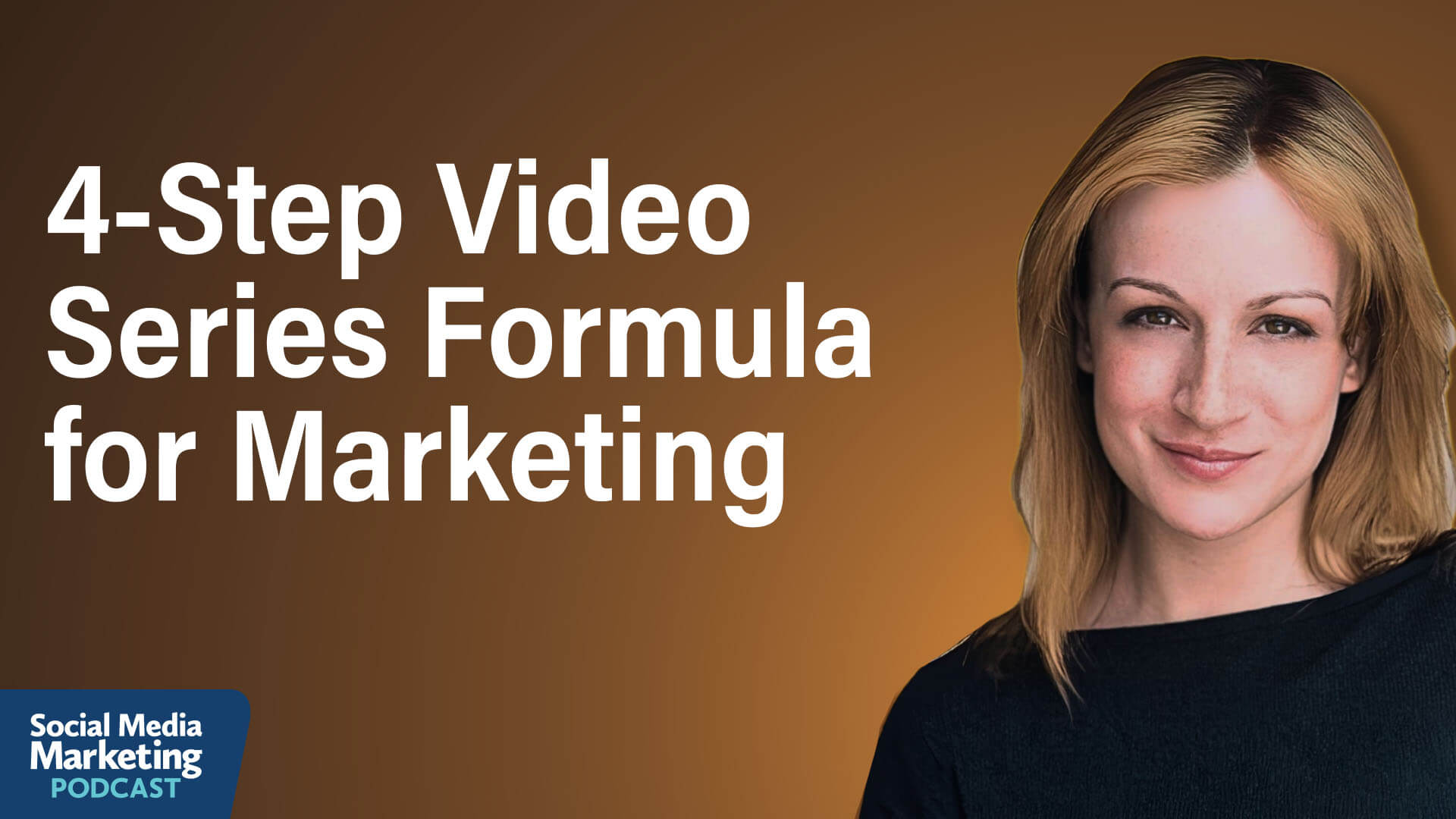
To help businesses transition from chaotic content creation to strategic storytelling, marketing experts Daryn Strauss and Michael Stelzner have outlined foundational frameworks that demystify the process. Implementing a successful series relies on three core pillars: individual video architecture, personal origin integration, and overarching series design.
1. The 4H Formula for Structuring Individual Videos
Every individual episode within a series must follow a predictable, psychologically resonant arc. Strauss teaches the 4H Formula—Hook, Heart, Help, Hero—to guide viewers smoothly from problem recognition to action.
- Hook: Establishes the core problem and makes a direct promise about what the viewer will experience. Like the opening of a procedural crime drama that drops the audience straight into the case rather than offering lengthy introductions, a strong video hook immediately stakes why the viewer should care.
- Heart: Builds rapid trust through a "bite-sized backstory." Viewers do not yet know the creator well enough to sit through an autobiography, but they need a concise narrative bridge answering why this person is qualified. The structure is simple: Before, I was in X situation; a catalyst changed my path; now, I help Y people achieve Z result. Alternatively, creators can establish authority through effort—such as investing 15 days into intense research on behalf of the viewer.
- Help: The core delivery of the video—delivering the practical instruction, insights, or frameworks promised in the hook.
- Hero: Positions the viewer as the hero of their own journey while casting the creator as a supportive guide. The call to action at this stage feels like a natural progression rather than a heavy-handed sales pitch.
2. The Story Vault and Re-Hooking
In an era saturated by automated content, personal experience is what sets a real business apart. Strauss recommends building a Story Vault—a curated collection of personal narratives categorized by theme and lesson that can be deployed across various episodes whenever a human element adds more value than bare facts.

However, storytellers must guard against self-indulgence. If a video feels like an endless monologue about the creator, the audience checks out. Creators must practice re-hooking—constantly checking in with the viewer throughout the video, treating the camera as a one-on-one conversation rather than an impersonal broadcast.
3. The Golden Series Formula
To transition from isolated videos to a cohesive series, creators must rely on the Golden Series Formula, which integrates four non-negotiable elements:
- Character: Defined through creator archetypes (such as the Sage, Underdog, Visionary, or Rebel) that determine the tone, visual style, and unique perspective of the brand.
- Quest: The central, unresolved conflict that drives the entire series forward, ensuring that no single episode provides a permanent conclusion.
- Tension: Unresolved questions that compel the viewer to click on the next episode to find out what happens next.
- Repeatable Format: A recognizable structural blueprint that simplifies production and compounds authority over time.
Implications: What This Means for Founders and Marketers
The shift toward episodic, series-based video content carries profound implications for businesses, founders, and modern marketing departments:
- Erosion of the "Viral-First" Mindset: Companies must stop measuring marketing success purely by view counts and impressions. A video with 10,000 targeted views from engaged prospective buyers is exponentially more valuable than a million views from a disconnected general audience.
- The Rise of Founder-Led Media: Because personal brands and corporate entities thrive on trust, founders who position themselves as approachable guides (using archetypes and story vaults) will build defensible moats around their businesses. Trust cannot easily be outsourced or automated.
- Algorithmic Alignment: As YouTube, TikTok, and Instagram continue to roll out infrastructure specifically designed to reward serialized viewing, early adopters who structure their content libraries into "shows" and thematic playlists will enjoy organic algorithmic preference.
- Efficiency in Production: Having a repeatable series format eliminates creator burnout. Instead of waking up every week trying to invent a brand-new content concept from scratch, teams can plug ideas into a proven framework—saving time, budget, and mental energy while driving predictable business results.