Anaheim, California — For nearly two decades, the community surrounding World of Warcraft has whispered, debated, and dreamed about a hypothetical concept known simply as "Classic Plus." The core idea was always tantalizingly straightforward: take the beloved, foundational mechanics, slower pacing, and world design of the 2004 original, but refuse to let it stagnate in amber. Instead of merely re-releasing old expansions, what if Blizzard Entertainment used vanilla Azeroth as a dynamic, ever-evolving springboard for entirely new content?
That long-standing community dream is finally a reality. During the opening ceremony at BlizzCon, Blizzard officially pulled back the curtain on World of Warcraft: Forever, a brand-new, officially supported branch of the massively multiplayer online role-playing game (MMORPG) that resets the chronological clock back to 2004 while carving an entirely fresh path forward.
Unlike World of Warcraft Classic, which serves primarily as a historical preservation project allowing players to replay past eras like The Burning Crusade and Wrath of the Lich King, WoW: Forever has a much bolder mandate. It is designed to explore uncharted territories of Azeroth, writing new lore, introducing fresh gameplay systems, and telling stories that were left on the cutting-room floor or completely unthought of during the MMO’s original historical progression.
Main Facts: What is World of Warcraft: Forever?
At its core, World of Warcraft: Forever is Blizzard’s answer to a creative dilemma that has dogged the MMORPG genre for years: how to honor nostalgia without falling into a museum trap.
Key details of the new initiative include:
- A 2004 Reset: The game begins at the foundational launch state of World of Warcraft, utilizing the original class designs, talent trees, world maps, and leveling pacing that captivated millions twenty years ago.
- Divergent Storylines: Rather than leading inexorably into The Burning Crusade or Wrath of the Lich King, Forever will pivot into an alternate timeline of new lore, unreleased zones, and untold narrative arcs.
- Subscription Integration: World of Warcraft: Forever will be fully included under the umbrella of the standard, pre-existing monthly World of Warcraft subscription.
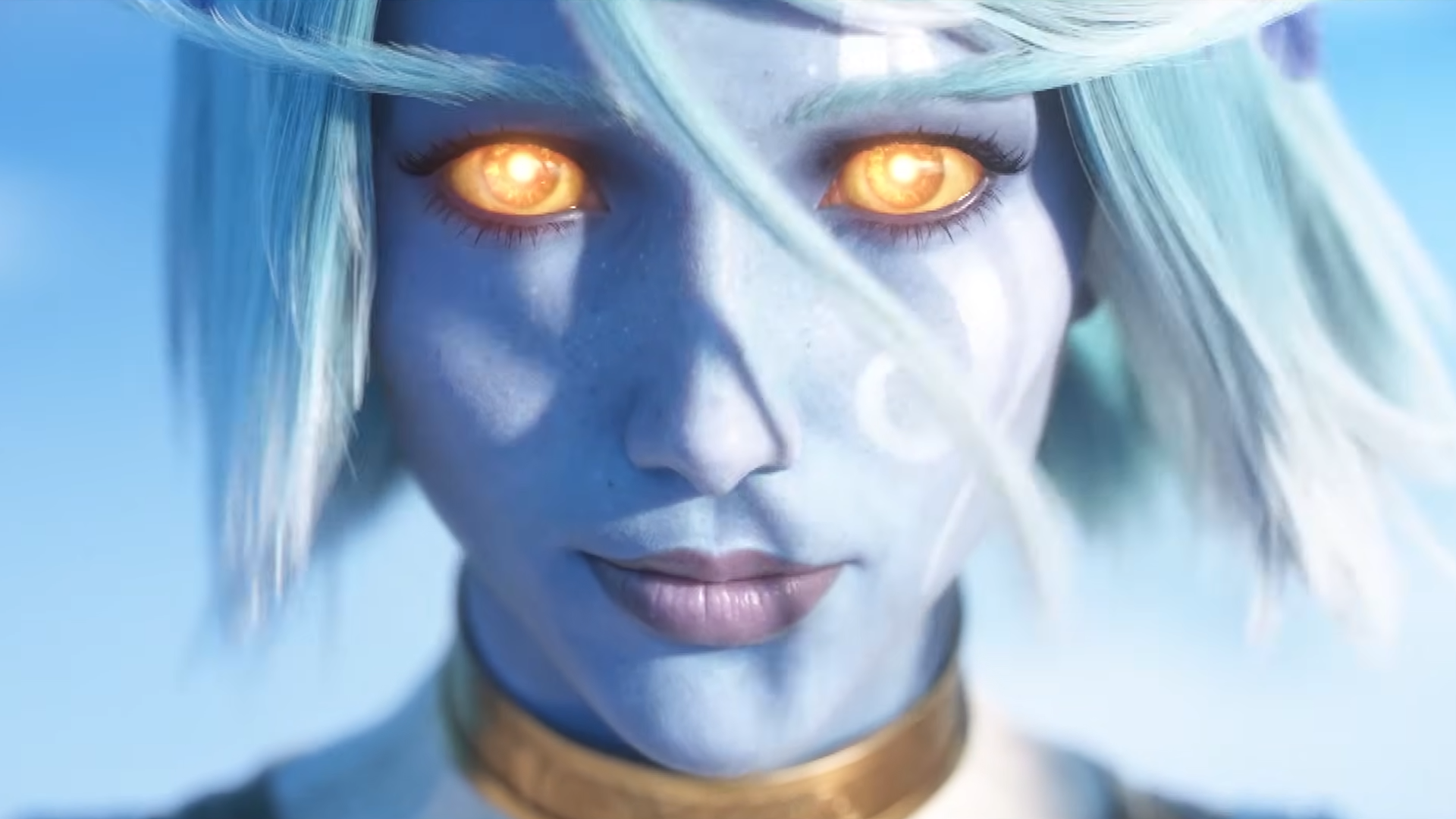
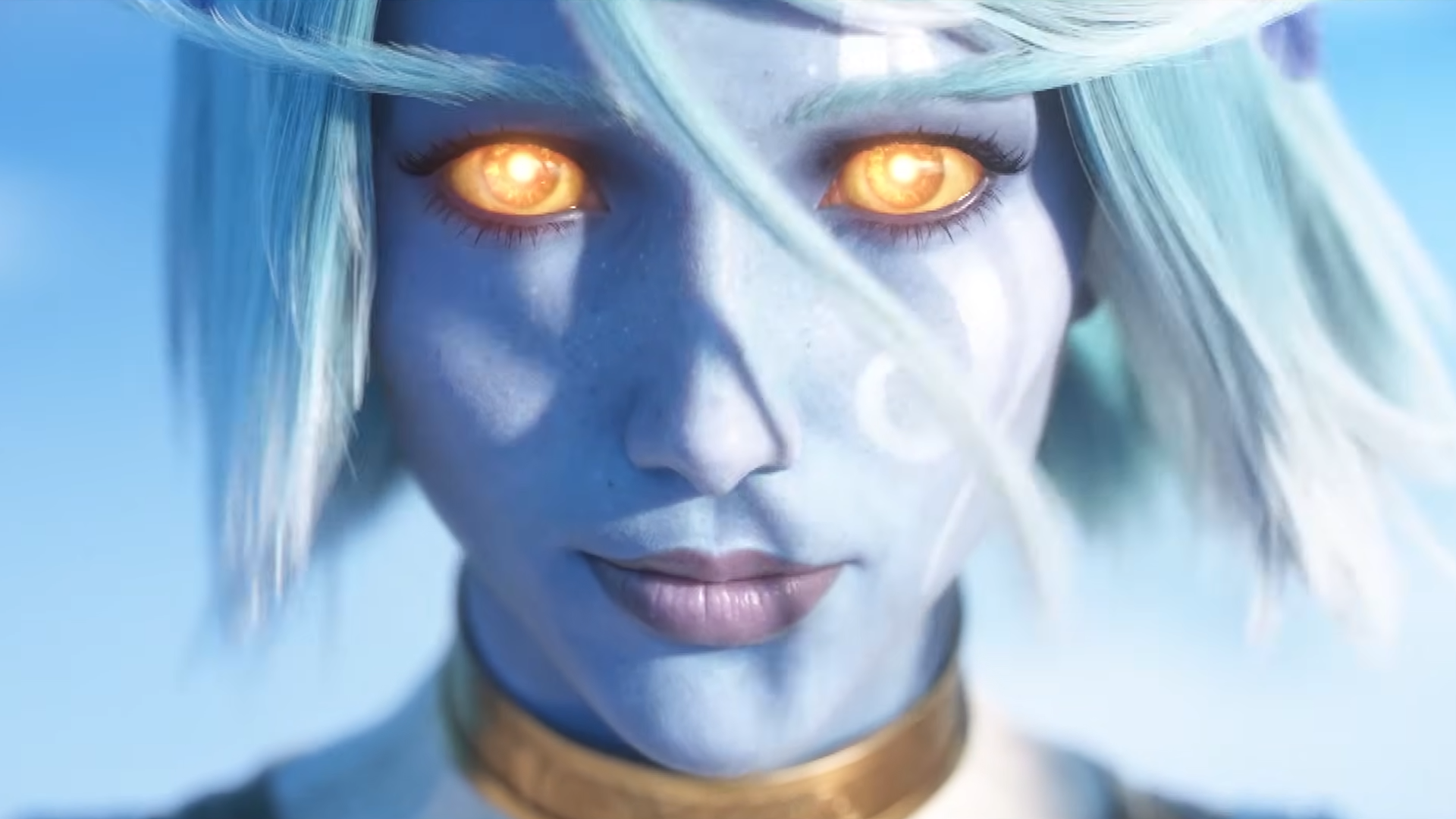
- Optional Upgrades: Blizzard is also offering tiered expansion and upgrade packs starting at $30 on Battle.net, which include cosmetic extras and early access to unique features, such as the newly introduced "Skyborne" playable race.
- Rapid Rollout: Following its grand reveal at BlizzCon, the game will be immediately playable on the convention floor this weekend. A closed beta test is scheduled to kick off this Thursday, leading up to a global full release on November 4.
Chronology: From Rumor to Reality
The journey to World of Warcraft: Forever has been a long and winding road defined by fan speculation, private server experiments, and shifting corporate philosophies at Blizzard.
- November 2004: Blizzard launches World of Warcraft, permanently altering the landscape of PC gaming and ushering in the modern era of subscription-based MMORPGs.
- 2010s (The Private Server Era): As modern expansions like Cataclysm and Warlords of Draenor altered the game’s core identity, frustrated fans rallied around "vanilla" private servers, proving that a massive, underserved demographic yearned for the original 2004 experience.
- November 2017: Recognizing the overwhelming demand, Blizzard officially announces World of Warcraft Classic at BlizzCon 2017, sending shockwaves through the gaming community.
- August 2019: World of Warcraft Classic launches to unprecedented global numbers, validating players’ nostalgia and setting concurrent player records.
- 2020–2024: Buoyed by the success of Classic, Blizzard rolls out progressive expansions (Classic Burning Crusade, Wrath, and Cataclysm). Simultaneously, the term "Classic Plus" becomes a pervasive buzzword across community forums, Reddit, and YouTube, with players begging for new, horizontal content built within the classic engine.
- Today: Blizzard officially announces World of Warcraft: Forever, validating the "Classic Plus" concept and establishing a brand-new pillar for the franchise.
Supporting Data: The Jagex Blueprint and the Risk of Dilution
Blizzard’s decision to fork the original game into an actively developed alternate timeline is not entirely unprecedented in the broader MMORPG market. Industry analysts and developers have frequently pointed to Jagex’s massive success with Old School RuneScape (OSRS) as the definitive blueprint for this strategy.
The Old School RuneScape Precedent
When Jagex accidentally discovered a pristine backup of a 2007 RuneScape server sitting in a developer’s desk drawer, they launched it as a preservation experiment. Much like early WoW Classic, players initially treated it as a digital time capsule. However, Jagex soon pivoted, establishing a dedicated team to poll players on entirely new updates, skills, bosses, and quests that never existed in the original 2007 game.
The gamble paid off spectacularly. Today, Old School RuneScape routinely boasts higher active player counts and subscriber records than the modern, flagship iteration of RuneScape. Blizzard is clearly hoping to capture that exact lightning in a bottle, utilizing player feedback to shape a retro-flavored game that still offers modern surprises.
The Dilution Dilemma
Of course, launching World of Warcraft: Forever introduces a logistical hurdle that few other companies could manage: Blizzard is now actively supporting three distinct, concurrent flavors of World of Warcraft (Modern Retail, Classic/Cataclysm progression, and now Forever).
Industry experts have raised valid concerns regarding playerbase dilution. Spreading millions of players across three separate game clients risks thinning out community sizes on individual servers, impacting guild recruitment, economy health, and dungeon queue times. However, if any studio in the industry possesses the sheer user-base scale, financial muscle, and infrastructural resources to sustain three official MMO forks simultaneously, it is Blizzard Entertainment.
Official Responses and Developer Insights
Prior to the grand reveal on the BlizzCon stage, select members of the gaming press—including PC Gamer—were given an exclusive briefing by the development team regarding the philosophy and future goals of World of Warcraft: Forever.
According to the development leads, the primary goal of Forever is to recapture the sense of mystery and communal discovery that defined the 2004 launch. In modern MMORPGs, expansions are datamined, optimized, and solved down to the microscopic level weeks before they even hit public test realms. By generating entirely new lore branches, hidden zones, and unexpected mechanics on top of the classic framework, the development team hopes to restore a sense of genuine exploration.
"We aren’t just looking backward; we’re looking sideways into what could have been," one lead developer noted during the briefing. "The 2004 game gave us a canvas with incredible texture and atmosphere. Forever lets us paint new masterpieces on that canvas without erasing the nostalgia that brought everyone back in the first place."
Furthermore, community response following the BlizzCon announcement has been overwhelmingly enthusiastic. Social media channels and forums lit up within minutes of the reveal, with veteran players praising Blizzard for finally delivering the long-awaited "Classic Plus" experience without forcing them to abandon their modern subscriptions.
Implications for the Future of the Franchise
The launch of World of Warcraft: Forever on November 4 marks a monumental philosophical shift for Blizzard Entertainment. For twenty years, the company operated under a linear design philosophy: release an expansion, progress the narrative, render previous continents obsolete, and move forward.
Forever shatters that paradigm. It proves that Blizzard now views World of Warcraft not as a single, moving train, but as a vast, multi-generational ecosystem where different eras can coexist, evolve, and tell competing stories.
If Forever successfully captures the magic of Old School RuneScape and manages to keep its player base engaged through regular, horizontal updates, it could fundamentally alter how long-running live-service games handle aging content. Instead of forcing players to constantly adapt to radical system overhauls and power creep, developers may increasingly turn to historical branching—offering fans the mechanical comfort of the past paired with the endless horizon of the future.
As the closed beta kicks off this Thursday and thousands of players flood the BlizzCon show floor to test the waters, one thing is abundantly clear: the world of Azeroth has just become vastly bigger, and the journey is truly just beginning all over again.