Main Facts: The Road Not Taken in the Creators’ Writers’ Room
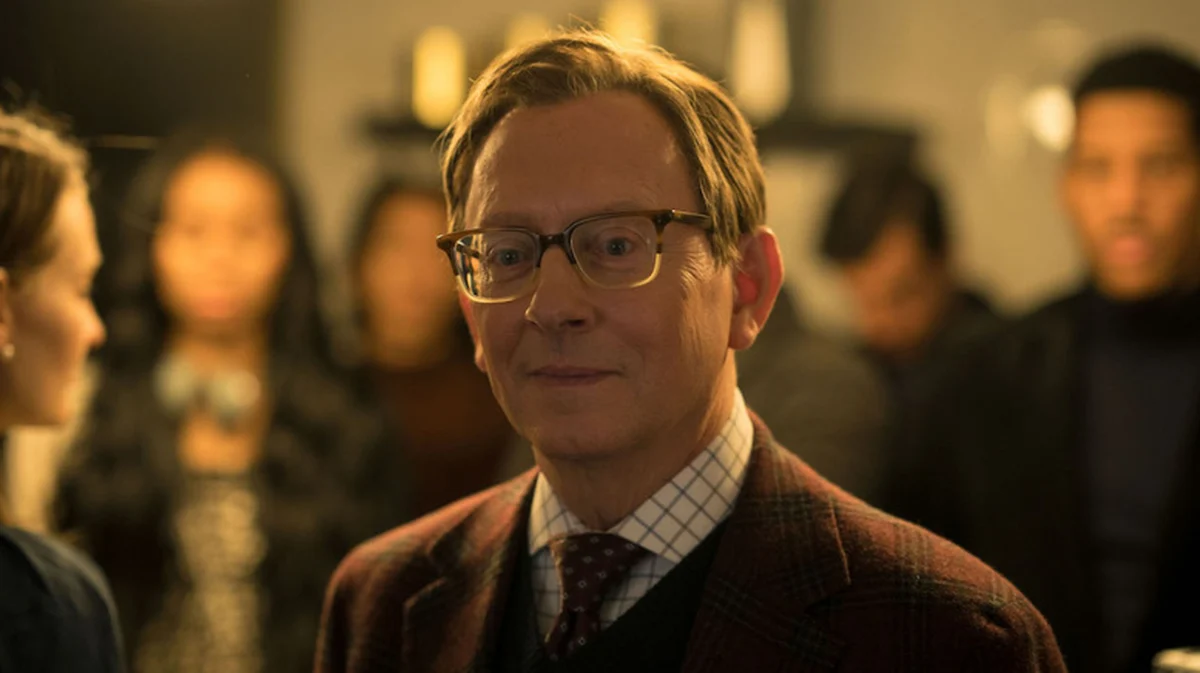
By the time the critically acclaimed supernatural drama Evil concluded its gripping four-season run on Paramount+ (following its initial broadcast genesis on CBS), Dr. Kristen Bouchard (Katja Herbers) had faced down everything from demonic pregnancies and sinister corporate conspiracies to the literal looming threat of the Antichrist. Yet, for all the apocalyptic terror that defined the series’ twilight hours, the psychological warfare orchestrated by her ultimate nemesis, Leland Townsend—brilliantly brought to life by Emmy winner Michael Emerson—remained the beating, pitch-black heart of the show.
However, according to series creators Robert and Michelle King, the trajectory of Evil could have looked radically different. Speaking in a retrospective interview with TV Insider following the series finale, Robert King revealed that during the production of Season 1, the creative team seriously contemplated killing off Leland Townsend entirely, only to replace him with a bizarre, high-concept twist: a doppelgänger.
Had the original plan gone into motion, Leland would have met his demise at the conclusion of the show’s freshman run. In his place, a literal carbon copy—an unassuming insurance adjuster residing in Des Moines, Iowa, also played by Emerson—would have stepped into the narrative vacuum to carry on the character’s nefarious legacy. While the creators ultimately scrapped the idea in favor of a more grounded, character-driven unmasking, the revelation offers a fascinating look into the early developmental mindset of one of modern television’s most inventive horror-thriller hybrids.
Chronology: From Network Constraints to Psychological Unmasking
To understand why the Kings flirted with the idea of a Midwestern insurance-adjusting doppelgänger, one must examine the precarious tightrope Evil was walking during its first season. Debuting on CBS in the fall of 2019, the series was conceived under the traditional framework of a broadcast network procedural, even as it aggressively subverted those tropes with existential dread, surreal dream logic, and moral ambiguity.
Season 1: The Search for Identity
In its nascent stages, the writing staff was fascinated by doubles, parallel identities, and the uncanny valley of human behavior. The concept of swapping out Leland via an identical twin or doppelgänger from Des Moines aligned neatly with early writer-room brainstorming sessions about shifting realities. At the time, the network television ecosystem imposed certain structural expectations, and the writers were constantly testing the boundaries of how weird they could make a show about a Catholic forensic psychologist, a skeptical priest-in-training (Mike Colter), and a tech-savvy contractor (Aasif Mandvi) investigating unexplained phenomena.
The Pivot in "Justice x 2"
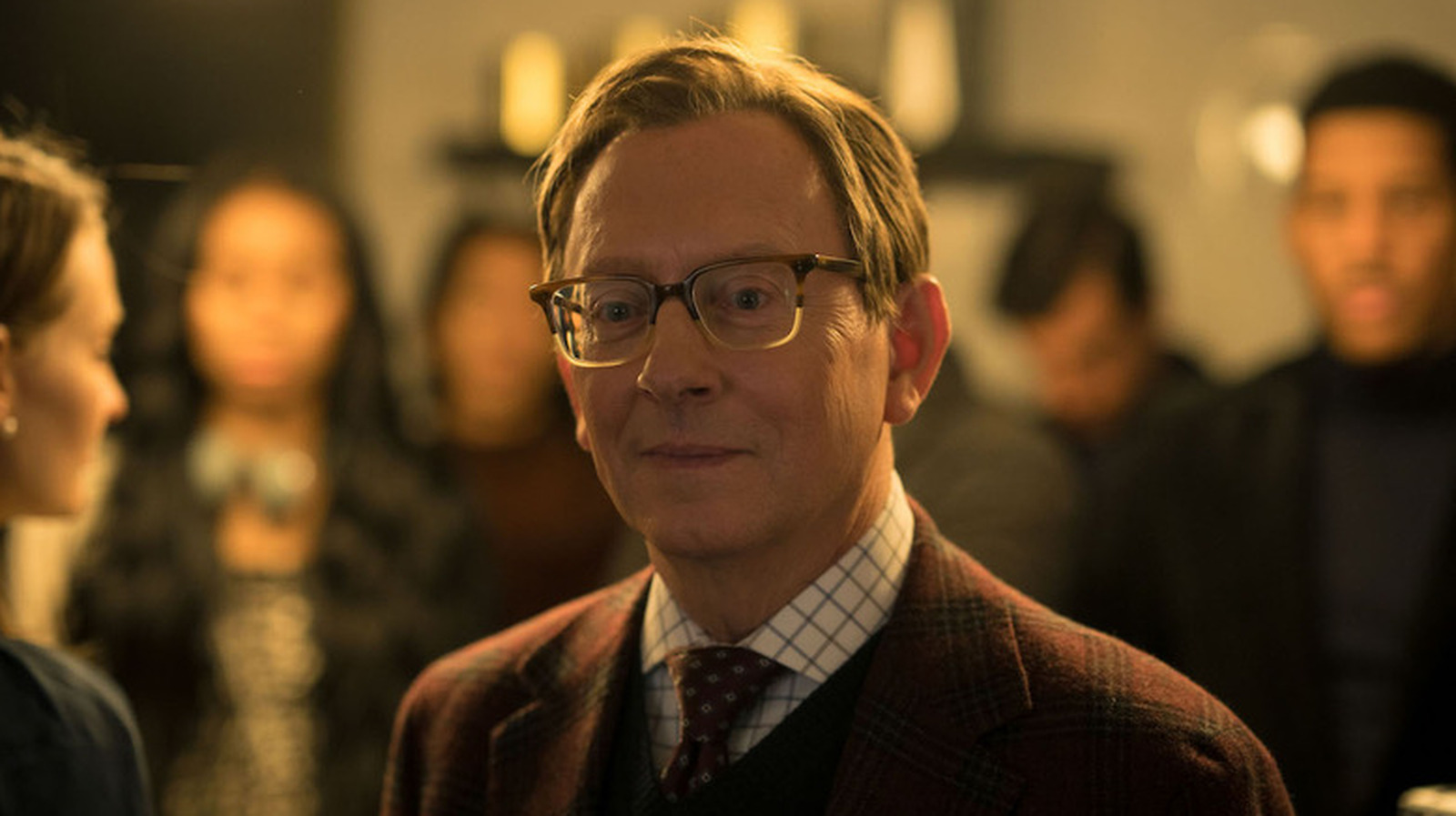
Rather than executing a sci-fi/supernatural shell game by swapping out Emerson for an Iowan twin, the Kings decided to pivot during the production of Season 1’s penultimate episode, "Justice x 2." Instead of a literal doppelgänger stepping in from out of state, the writers internalized the "Des Moines" concept, folding it into a devastating psychological weapon wielded by Kristen Bouchard.
In a masterclass of character destruction during "Justice x 2," Kristen strips away the terrifying, satanic mystique that Leland had painstakingly cultivated. Confronting him, she dismantles his entire persona, exposing him not as a powerful agent of absolute evil, but as a pathetic, deeply insecure man from the American heartland.
"You’re a ‘nothing man’ from Des Moines who is using the imagery of Satanism — a Satanism you probably don’t even believe — to pretend you weren’t the third-chair tuba player in the Roosevelt High School band," Kristen tells him, permanently altering the dynamic between hero and villain.
Supporting Data: The Evolution of Doppelgängers and Series Lore
While the specific "Des Moines insurance adjuster" plotline was ultimately abandoned for Leland, the Kings’ fascination with doubles and alternate iterations did not disappear entirely. Throughout Evil’s four-season lifespan, the creative team found other avenues to explore the doppelgänger concept without sacrificing their primary antagonist:
- Season 2’s Demon Kristen: The series frequently blurred the lines of identity, notably when Kristen hallucinated or manifested a demonic version of herself, questioning her own moral culpability in a series of violent acts.
- Season 4’s "Family Man" Ben: In the final season, Aasif Mandvi’s character Ben Shakir faced bizarre alternate scenarios and psychological fracturing, proving that the writers’ room never truly lost its appetite for exploring parallel lives and fractured psyches.
- The Persistence of Leland: Michael Emerson’s performance proved indispensable. Had the New York-based, chaos-sowing Leland been replaced by an Iowan bureaucrat in Season 1, the show would have lost years of meticulously built, delicious adversarial banter between Emerson and Herbers.
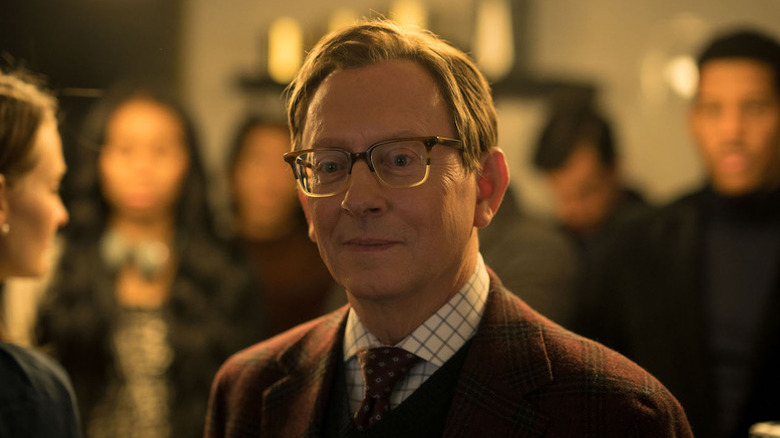
Furthermore, deleted scenes that surfaced online following the series conclusion highlighted just how thoroughly embedded Leland became in the show’s cultural footprint. His arc ultimately culminated in the series finale, "Fear of the End," where he met a fittingly poetic and darkly humorous end: being locked away inside the mysterious demonic cabinet first introduced in Season 2’s "S is for Silence."
Official Responses and Industry Context
The revelation of the scrapped Season 1 twist has sparked widespread discussion among the show’s fiercely loyal fanbase, affectionately known as "Evil-ites." Industry analysts and critics have pointed out that the decision to keep Emerson’s original Leland intact was arguably the single most important casting and narrative preservation choice the series made.
Though Evil concluded its run on Paramount+ in the summer of 2024, the appetite for the universe created by the Kings remains robust. The series managed to transcend its broadcast origins to become a prestige streaming darling, drawing high-profile champions—most notably legendary horror author Stephen King, who frequently voiced his adoration for the series on social media and publicly campaigned for its continuation or revival.
While Paramount+ opted to conclude the series with Season 4, the creative team has left the door cracked open regarding potential spinoffs, revivals, or future explorations of the show’s rich mythology. The revelation about Leland’s near-death experience in Season 1 underscores how fluid, daring, and frequently unpredictable the writers’ room was from day one.
Implications: What a Doppelgänger Twist Would Have Meant for Evil
The butterfly effect of killing off Leland Townsend at the end of Season 1 cannot be overstated. Television history is littered with series that attempted major cast resets or stunt casting too early in their runs, often alienating audiences who had bonded with specific dynamic pairings.
- The Loss of Chemistry: The adversarial chemistry between Katja Herbers’ Kristen and Michael Emerson’s Leland was the magnetic pole of the series. An insurance-adjusting doppelgänger from Des Moines—even if played by the same virtuosic actor—would have reset the emotional stakes to zero, forcing the audience to rebuild years of foundational psychological warfare.
- The Satire of Evil: Leland’s brilliance lay precisely in the fact that he was an ordinary, pathetic bureaucrat of malice who weaponized ancient theological aesthetics to feel significant. Turning him into a literal supernatural duplicate or swapping him out for an unsuspecting twin would have leaned heavier into sci-fi camp, whereas keeping him grounded in his pathetic Iowa roots made his brand of evil much more terrifyingly human.
- Legacy and Revival Hopes: By keeping Leland intact as a singular, inescapable antagonist all the way to the demon cabinet finale, the Kings preserved a clean, cohesive narrative arc. As fans and literary titans like Stephen King continue to lobby for a potential Season 5 or spinoff, the integrity of Evil‘s character roster remains one of its greatest enduring strengths.
Ultimately, Evil dodged a narrative bullet by keeping Leland Townsend right where he belonged: tormenting Kristen Bouchard, playing mind games with the Catholic Church, and reminding viewers that the scariest monsters are often just former high school band members hiding behind the mask of the abyss.