By Industry News Desk
Published: February 2025
Main Facts
Independent game development studio Heart Machine—best known for critical darlings such as Hyper Light Drifter and Solar Ash—has been forced to lay off nearly its entire workforce. The sudden and severe downsizing comes in the wake of a collapsed financial agreement with an unnamed publishing partner that had been backing the studio’s latest, unannounced video game project.
The abrupt withdrawal of funding stripped the independent developer of its primary revenue stream. With no alternative immediate capital or prospective deals lined up to bridge the financial gap, studio founder and creative director Alx Preston announced the catastrophic staffing reductions. The news represents another painful blow to the independent games sector, which has faced mounting economic pressures, tightening venture capital, and risk-averse publishing strategies over the past several years.
While Preston has stated that the studio will attempt to find a viable path forward, the future of Heart Machine remains deeply uncertain. The layoffs affect virtually all current employees, plunging a celebrated indie developer into an existential crisis just as its latest titles struggle to secure market dominance.
Chronology of Events: The Rise, Fall, and Turbulence at Heart Machine
To understand the magnitude of Heart Machine’s current crisis, it is necessary to examine the trajectory of the studio over the past decade—a timeline marked by artistic triumphs followed by compounding financial and structural hurdles.
2016: The Breakthrough with Hyper Light Drifter
Heart Machine burst onto the global gaming scene in 2016 with the release of Hyper Light Drifter, a 2D action role-playing game heavily inspired by classic 8-bit and 16-bit titles. Spearheaded by Alx Preston—who drew inspiration from his own lifelong struggles with congenital heart disease—the game was an instant critical and commercial sensation. Funded initially through a wildly successful Kickstarter campaign that raised over $600,000 against a modest $27,000 goal, Hyper Light Drifter was praised for its atmospheric neon-drenched aesthetic, cryptic storytelling, fluid combat, and a haunting score composed by Disasterpeace. It cemented Heart Machine as a heavyweight in the independent development scene.
2021–2022: Expansion and Solar Ash
Following the success of their debut, the studio sought to scale up. Moving from 2D pixel art into lush, fast-paced 3D environments, Heart Machine partnered with publisher Annapurna Interactive to release Solar Ash in late 2021. While the game earned praise for its breathtaking movement mechanics, stylized art direction, and sense of scale, it did not achieve the same sweeping cultural resonance or commercial breakout status as its predecessor. Nonetheless, it established the studio’s capability to handle larger-scale 3D projects.
Recent Years: Development Struggles and Hyper Light Breaker
Ambition, however, often carries heavy financial risks. In the years following Solar Ash, Heart Machine began working on Hyper Light Breaker, a 3D cooperative rogue-lite set in the same universe as their debut masterpiece. Unfortunately, development cycles grew protracted and expensive. The studio was forced to halt the development of Hyper Light Breaker while it was still in early access, prompting an initial round of internal restructuring and staff layoffs.
Late 2024 / Early 2025: Possessor(s) and the Final Blow
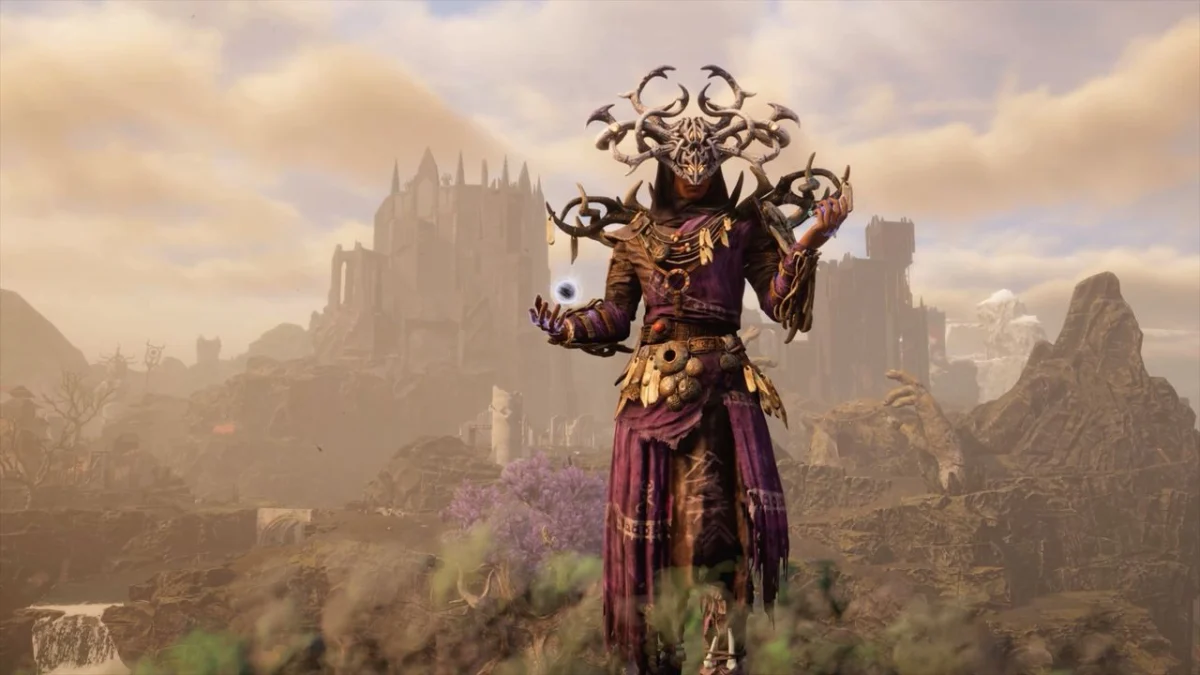
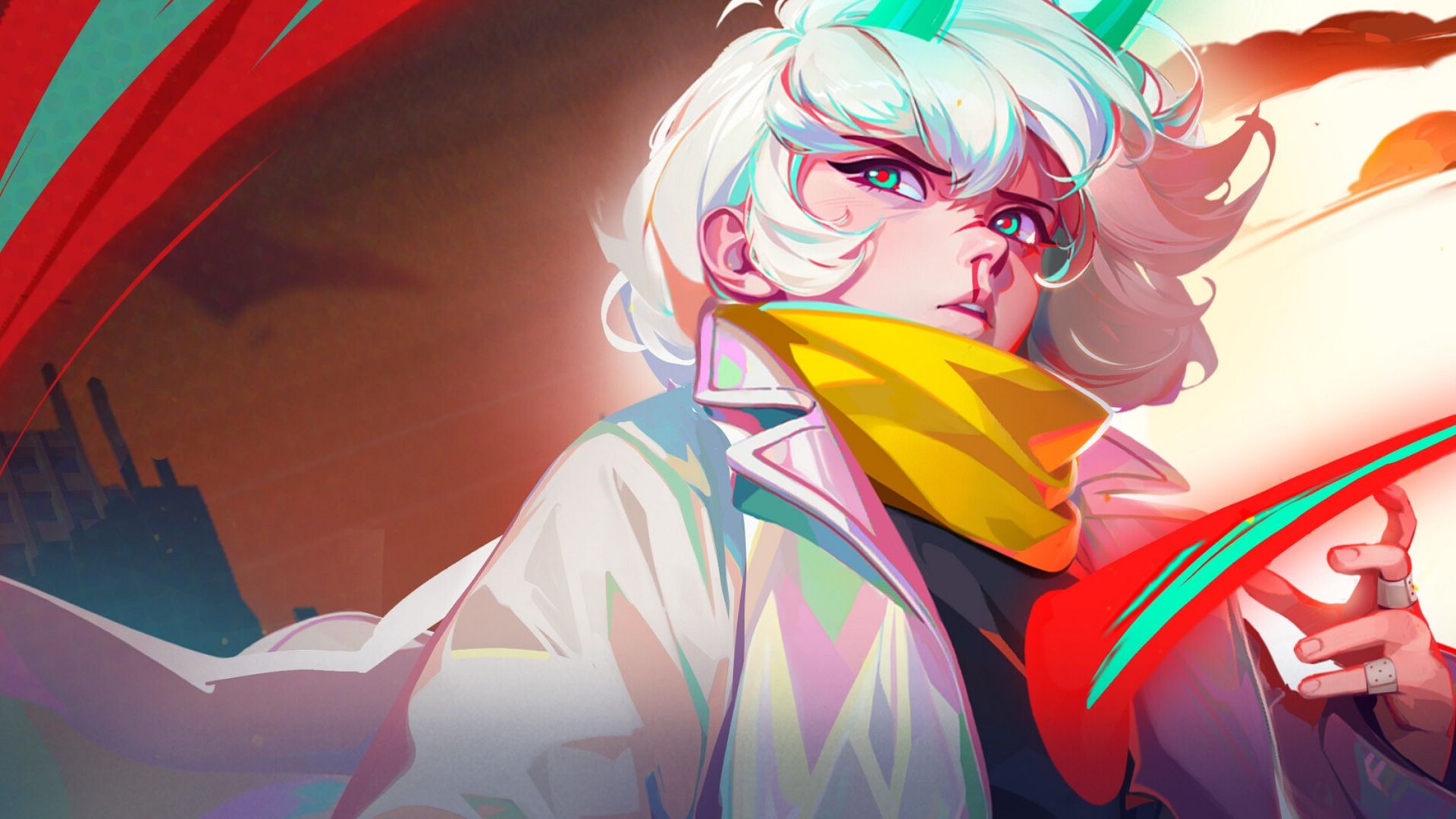
Amid these internal tremors, Heart Machine pushed forward with the release of Possessor(s), a gritty, fast-paced action-platformer. While the game garnered "mostly positive" reviews from players on Valve’s Steam platform, it suffered from a quiet launch that failed to capture a wide commercial audience or generate the kind of steady revenue needed to sustain a mid-sized independent studio.
To stay afloat, Heart Machine placed its hopes in a new, unannounced title backed by an external publisher. That lifeline snapped this week when the publisher abruptly pulled out of the agreement, triggering the near-total shutdown of the studio’s workforce.
Supporting Data and Industry Context
The collapse of Heart Machine is not an isolated incident; rather, it is part of a broader, systemic contraction plaguing the interactive entertainment industry. Since 2023, tens of thousands of video game developers, writers, artists, and QA testers have lost their jobs across studios of every size, from massive AAA conglomerates to boutique indie developers.
The Drying Up of Venture Capital and Publisher Risk-Aversion
During the COVID-19 pandemic, consumer spending on video games spiked, leading to an over-expansion across the tech and gaming sectors. As global economic conditions shifted, interest rates rose, and inflation took hold, investors and publishers grew drastically risk-averse.
For independent developers, reliance on external publishers is often a double-edged sword. While publishers provide the multi-million-dollar budgets required to build modern games, they also hold immense leverage. A single strategic pivot, corporate restructuring, or change in executive leadership at a publishing house can result in canceled projects overnight—leaving dependent studios with no recourse, zero intellectual property revenue, and mountains of unpaid overhead.
The Discoverability Crisis on Steam and Console Stores
Compounding funding issues is the sheer volume of software released daily. On Steam alone, thousands of games debut every year, making organic discoverability exceedingly difficult for mid-tier indies. Even titles with strong artistic merits, such as Heart Machine’s Possessor(s), can easily slip through the cracks without massive marketing budgets—budgets that independent studios rarely possess without publisher backing.
Official Responses and Human Toll
The most immediate and harrowing aspect of Heart Machine’s collapse is the human cost. Studio founder Alx Preston took to LinkedIn to break the news, emphasizing the devastation felt by the leadership team and prioritizing the welfare of the displaced workers.
"I have very difficult news today," Preston wrote. "We had been working on an unannounced title, funded by a publisher. This week, they decided to no longer move forward with it. Without this key income for the studio, any other immediate prospects or other funds, nearly everyone at the studio had to be laid off. It’s devastating."
Recognizing the brutal employment landscape of the current games industry, Preston and the remaining management team committed to helping their former colleagues find new homes.
"Everyone will be provided with as much support as possible, including assisting with placement," Preston continued. "If you know of any roles for extraordinarily talented, kind people, please reach out and we will coordinate."
The response from the broader game development community was swift and sympathetic. Industry peers, studio directors, and fellow developers flooded social media channels with offers of assistance, portfolios sharing, and leads on open positions—a grimly familiar ritual of solidarity that has defined the games industry labor market over the last three years.
Implications for the Future of Heart Machine and Independent Development
As the dust settles on Heart Machine’s sudden downsizing, profound questions remain regarding the studio’s viability, the fate of its existing intellectual property, and the broader health of the indie games ecosystem.
Can Heart Machine Survive?
Alx Preston has indicated that he and the skeletal remnants of the studio will "keep pushing to find a path." However, he candidly admitted to followers that he is "not sure yet what’s next for Heart Machine to survive."
Rebuilding a studio from near-zero after a catastrophic funding failure is an uphill battle. Without a dedicated publishing partner or a sudden influx of capital, reviving unannounced projects or servicing existing communities will prove nearly impossible. The studio may be forced to downscale permanently into a micro-indie operation, relying on solo or ultra-lean development teams—a far cry from the multi-project ambitions Heart Machine pursued following Hyper Light Drifter.
A Warning Sign for Independent Studios
The downfall of Heart Machine serves as a sobering cautionary tale for other independent developers navigating today’s treacherous financial waters. It highlights the dangerous vulnerability of relying on single-publisher funding models in an era where corporate partners are increasingly willing to pull the plug on creative risks to protect their bottom lines.
As the industry moves forward, independent creators are being forced to re-evaluate how they secure funding, manage studio growth, and protect themselves against the volatility of the modern publishing market. For now, however, the gaming world mourns the sudden stalling of a studio that helped define the golden age of modern indie gaming, hoping against hope that the brilliant minds behind Hyper Light Drifter will find a way to create again.