In the vast, sprawling landscape of open-world, first-person role-playing games (RPGs), few titles have managed to capture the specific "magic" of the Bethesda formula. For over a decade, players have been waiting for the next true successor to the Skyrim throne. While the industry has seen countless attempts to emulate the genre’s depth, few have succeeded as convincingly as Tainted Grail: The Fall of Avalon.
Developed by Questline, this dark, atmospheric reimagining of Arthurian legend has quietly cemented itself as one of the most compelling indie RPGs of the last few years. As we continue to wait for concrete news on The Elder Scrolls VI, Tainted Grail offers a gritty, systems-rich alternative that manages to feel both like a love letter to the classics and a bold step into new territory.
Main Facts: A New Vision for Avalon
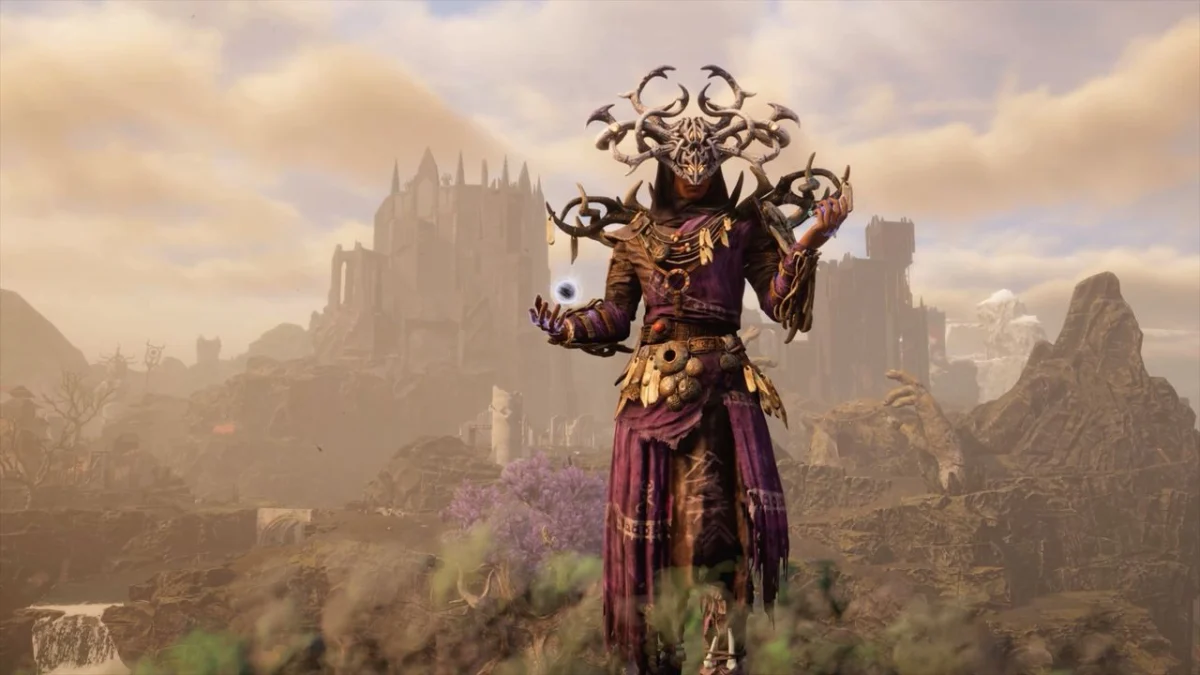
Tainted Grail: The Fall of Avalon is a first-person, open-world RPG that transports players to a dying version of the mythical island of Avalon. Unlike traditional, high-fantasy Arthurian tales, this game presents a bleak, decaying world where magic is fading and the legends you once knew have been twisted into something far more sinister.
The game distinguishes itself through its dedication to the "immersive sim" adjacent mechanics that made games like Morrowind and Skyrim so legendary. It features a robust suite of life-sim and survival elements: players can fish, farm, cook, mine, and smith weapons, all while navigating a complex, morally grey narrative. The game is divided into three distinct, hand-crafted zones, ensuring that the exploration remains tight and purposeful, avoiding the "mile-wide, inch-deep" pitfalls that often plague modern open-world titles.
Chronology: From Early Access to Global Acclaim
The journey of Tainted Grail is a testament to the power of the Early Access model.
- Initial Launch (Early Access): The game entered the public consciousness through a successful crowdfunding campaign and a subsequent Early Access launch on Steam. This period allowed the developers at Questline to iterate based on direct player feedback, specifically concerning combat fluidity and exploration depth.
- Full Release (May 2023): After a period of intense development, the game officially transitioned into its 1.0 state. The critical reception was largely positive, with reviewers highlighting the game’s ability to capture the "Bethesda feel"—that unique sense of discovery and freedom—without simply being a clone.
- Post-Launch Support: Throughout the last year, the studio has been incredibly active. They have released several major content updates, refining the game’s balance and technical performance.
- Current State: As of this writing, the game has just received a major patch accompanied by free DLC, significantly expanding the item pool, graphical fidelity, and character progression options.
Supporting Data: Technical Performance and Accessibility
One of the most surprising aspects of Tainted Grail is its technical scalability. Despite its dense atmosphere and sprawling environments, the game is remarkably well-optimized.
The Steam Deck Factor
For players on the go, Tainted Grail offers a surprisingly smooth experience on the Steam Deck. While it doesn’t always hit the coveted 60fps mark, it maintains a highly playable 30-45fps range, even in more taxing combat encounters. The UI scales well to the smaller screen, and the control scheme translates effectively from mouse and keyboard to handheld inputs.
Graphical Fidelity
With the latest "Ultra+" graphics preset, the game pushes the boundaries of its engine to cater to high-end hardware. The aesthetic is often described as a hybrid of the gloomy, deliberate combat of the Dark Souls series and the world-building sensibilities of the Elder Scrolls. This unique visual identity prevents the game from looking like a generic fantasy asset-flip and gives it a distinct, somber personality.
Official Responses and Developer Commitment
The developers at Questline have maintained a transparent, player-first relationship with their community. The recent update is a prime example of this philosophy. By providing free content—including new armor sets for specialized character builds like Rangers and Sorcerers, as well as new bows and wands—the studio has demonstrated a commitment to long-term engagement rather than a "launch and abandon" approach.
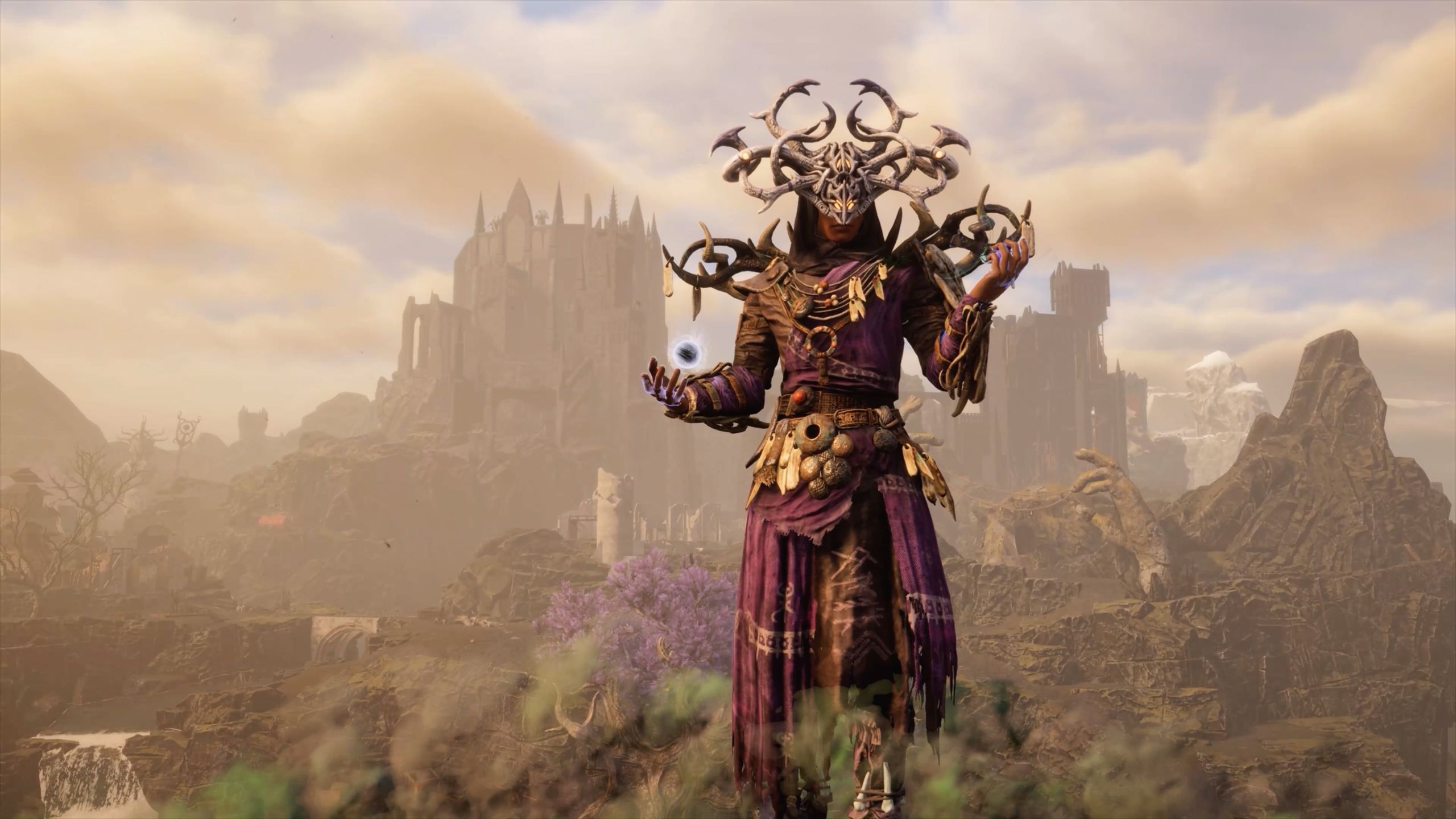
Perhaps most notably, the studio has introduced new romance options, a feature often requested by fans of deep, narrative-driven RPGs. This suggests that Questline is listening to the community’s desire for more than just mechanical depth; they are investing in the social and role-playing layers of the experience as well.
Implications: The Future of the "Elder Scrolls" Genre
The success of Tainted Grail carries significant implications for the RPG market.
Filling the Void
For years, the industry consensus was that only massive, AAA studios with hundreds of millions in funding could create a satisfying open-world, first-person RPG. Tainted Grail proves that this is not necessarily the case. By focusing on a smaller, more densely populated world rather than an infinite procedural map, Questline has delivered an experience that feels personal and curated.
Evolving the Combat
One of the most frequent critiques of the Elder Scrolls series—even among its biggest fans—is the "floaty" nature of its melee combat. Tainted Grail takes a different approach, offering a system that feels more elegant, tactical, and responsive. For many, this has been the "missing link" in the genre, proving that you can have a deep, stat-driven character progression system alongside combat that actually feels impactful.
A Gateway for Indie RPGs
The current 50% discount on Steam—the deepest discount the game has seen to date—is a strategic move that acknowledges a simple truth: the best way to grow an RPG community is to lower the barrier to entry. By offering a free demo, the developers are also showing confidence in their product, allowing the gameplay to speak for itself.
Final Thoughts: Why You Should Play It Now
If you find yourself scouring the internet for any shred of information regarding The Elder Scrolls VI, or if you find yourself reinstalling Skyrim for the tenth time, Tainted Grail: The Fall of Avalon is the remedy you’ve been waiting for.
It is not a "clone" in the pejorative sense; it is a spiritual successor that understands what makes the genre great: the ability to lose yourself in a world, the freedom to define your character through your choices, and the joy of finding a new, mysterious weapon in a forgotten ruin.
With the game currently at its lowest price point and receiving significant free content updates, there has never been a better time to step onto the island of Avalon. Whether you are a fan of the slow-burn storytelling of the classic Elder Scrolls titles or a devotee of challenging, atmospheric combat, this game is an essential addition to your library.
The Arthurian legend has been told a thousand times, but never quite like this. It is dark, it is challenging, and it is, above all, a deeply rewarding experience for anyone who loves to get lost in a fantasy world.