Main Facts
When CBS’s sci-fi drama Under the Dome concluded its third-season run on September 10, 2015, it brought a definitive, albeit bizarre, end to the tribulations of Chester’s Mill. Loosely adapted from Stephen King’s bestselling 2009 novel, the television series had captured the public imagination when it premiered in the summer of 2013, presenting a chilling premise: a massive, impenetrable, transparent dome suddenly drops from the sky, sealing off a small Maine town from the rest of the world.
Though the series finale resolved the immediate conflict—destroying the original dome through the destruction of the alien egg and a specialized transmitter—it left the door wide open for a continuation. The final moments revealed that the threat was far from extinguished. Dawn, a character previously presumed dead, was located in Omaha, Nebraska, by Hunter (now working for the NSA), and she was found tending to a brand-new extraterrestrial egg. Looking toward a sinister future, she promised, "We’ll come back another time."
Had CBS greenlit a fourth season, the narrative was poised to reset its core mechanics on a wider, national scale. According to executive producer Neal Baer, Season 4 would have introduced an entirely new dome descending upon a completely different location in the United States, effectively repeating the high-stakes survival horror of the first season while forcing characters like Barbie, Julia, and Big Jim to reckon with a sprawling, government-level conspiracy. Despite these ambitious plans, the series was canceled due to plummeting ratings, and the creative team chose not to shop the property to other networks or streaming platforms, opting instead to let the sprawling sci-fi experiment rest.
Chronology of the Series: From Phenomenal Launch to Unraveling Mystery
The Genesis and 2013 Premiere
When Under the Dome debuted in June 2013, it was positioned as a major television event. Airing on Mondays, the series premiere drew a staggering 13.5 million total viewers, instantly cementing itself as a summer blockbuster hit for CBS. Viewers and critics alike were captivated by the claustrophobic tension of Chester’s Mill. Cut off from military reinforcement, media coverage, and the outside world, the town’s residents quickly degenerated into factional infighting, power struggles, and paranoia.
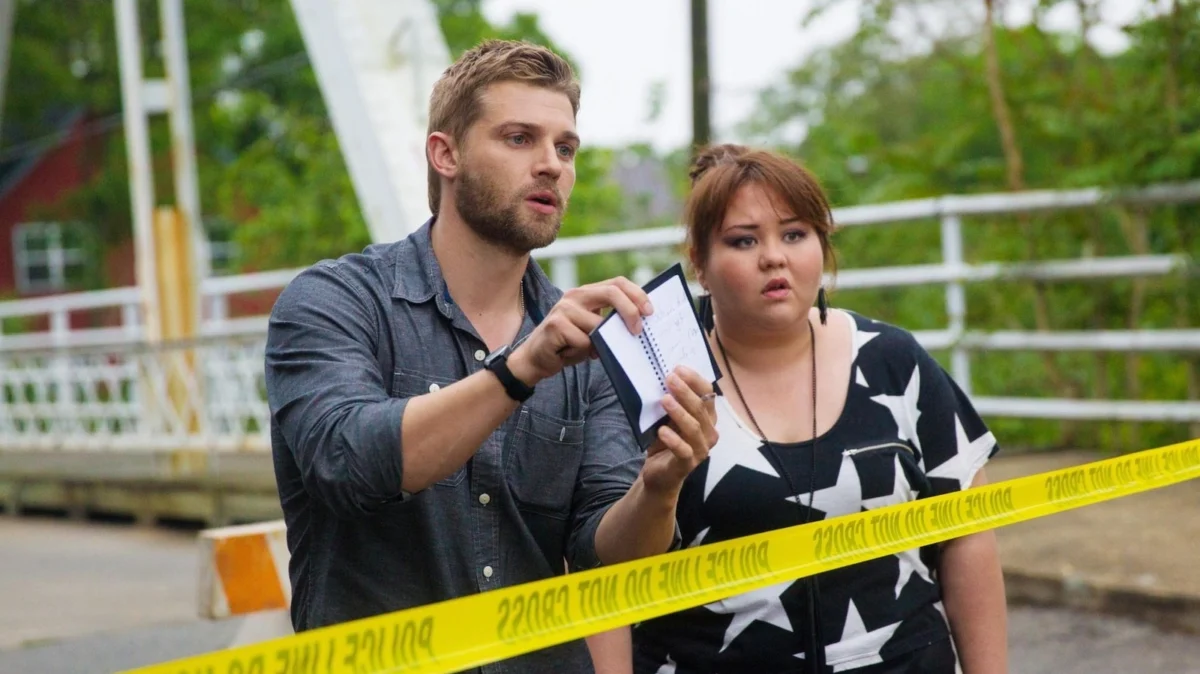
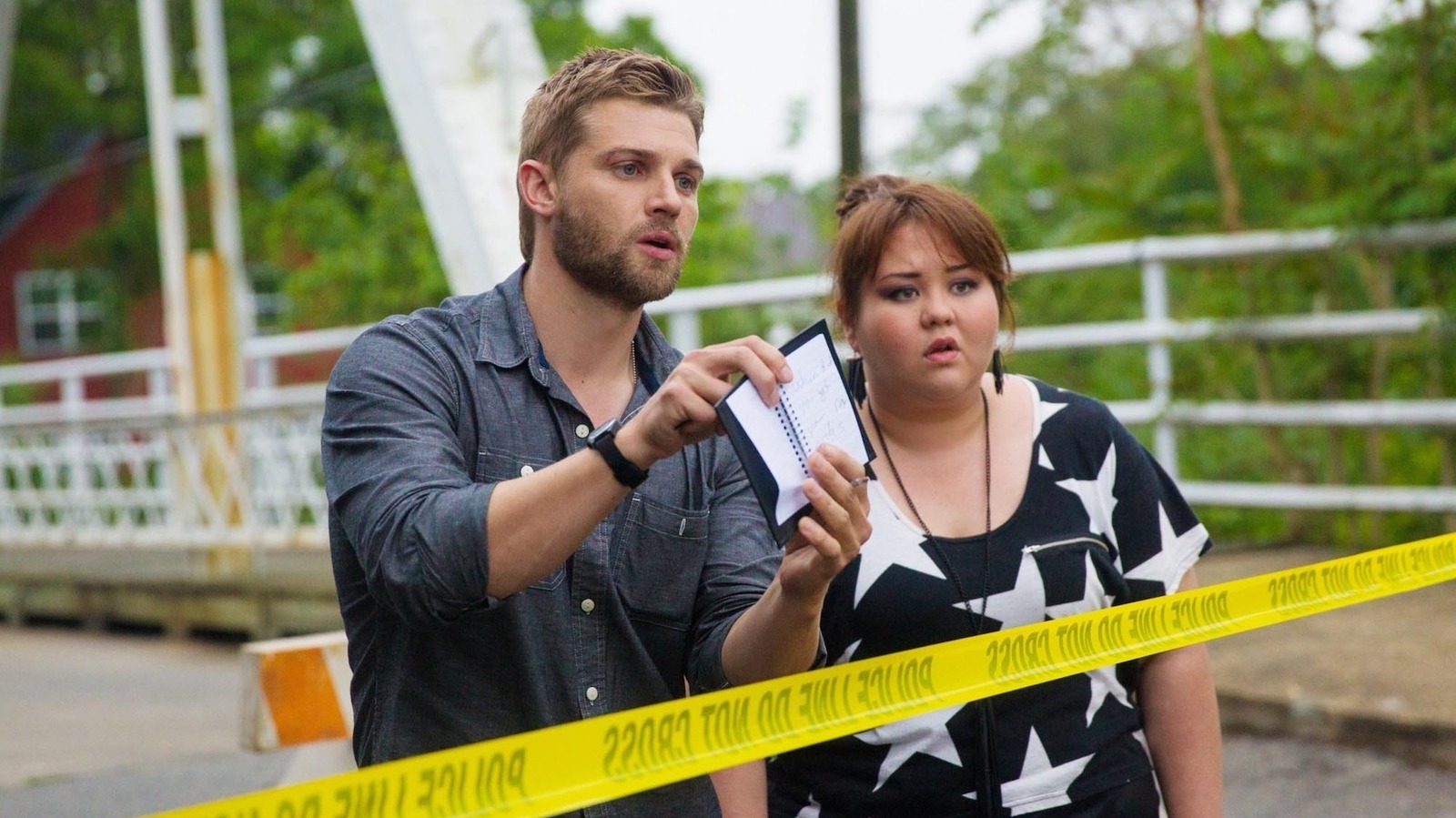
As the first season progressed, a core group of characters—including Dale "Barbie" Barbara (Mike Vogel), Julia Shumway (Rachelle Lefevre), Big Jim Rennie (Dean Norris), and a younger faction touched by the dome’s mysterious blue light—began investigating the origin of the barrier. The mythology quickly expanded beyond a simple geological anomaly, weaving in alien presences, a glowing egg, and cryptic prophecies.
The Slipping Grasp of Seasons 2 and 3
As the narrative strayed further and further from Stephen King’s source material, the storytelling grew increasingly convoluted. Season 2 introduced new characters, tragic deaths, and the revelation that the dome was a living entity testing humanity. However, cracks in audience engagement began to show. Weekly viewership dropped to an average of 7.2 million.
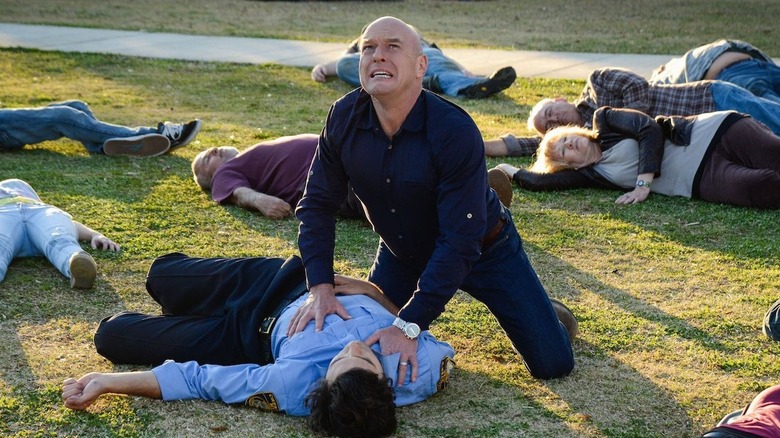
By Season 3, CBS shifted the show’s broadcasting slot from Mondays to Thursdays, a move that signaled a loss of confidence from network executives. The plot dived deep into science-fiction absurdity, introducing "The Kinship"—an alien-controlled hive mind that brainwashed a large portion of the town’s population. Characters died, came back as avatars, or underwent sudden moral shifts. By the time the Season 3 finale rolled around, the ratings were a fraction of their former glory, prompting CBS to pull the plug permanently.
Supporting Data: The Ratings Trajectory
The rise and fall of Under the Dome can be cleanly mapped through its viewership metrics, which illustrate a classic case of high-concept fatigue.
- Season 1 (Summer 2013): Launched with a phenomenal 13.5 million total viewers. Even by the time the freshman finale aired, it was still retaining a massive audience of 12.1 million, making it one of the most successful summer scripted series in modern television history.
- Season 2 (Summer 2014): Suffered a noticeable, though survivable, sophomore slump. Weekly viewership averaged around 7.2 million, as viewers began to express frustration over unanswered questions and increasingly bizarre plot twists.
- Season 3 (Summer 2015): The combination of a shift to Thursday nights and compounding narrative fatigue caused viewership to plummet. The final season failed to reach the competitive highs of its predecessors, leading directly to its cancellation announcement ahead of the finale.
Official Responses and Behind-the-Scenes Insights
Following the airing of the series finale, executive producer Neal Baer shed light on what the writers’ room had cooked up for a prospective fourth season. Speaking in interviews, Baer confirmed that the primary structural shift for Season 4 would have involved relocating the core conflict to a brand-new setting.
"They would have gone someplace else, and the dome would come down over another place," Baer explained, acknowledging the narrative challenges such a reset would pose. "But then it would be like, ‘Then what?’ Would we do the same thing again? It would have been a real challenge. I went on this incredibly interesting adventure that was a parable for sustainability in our world…"
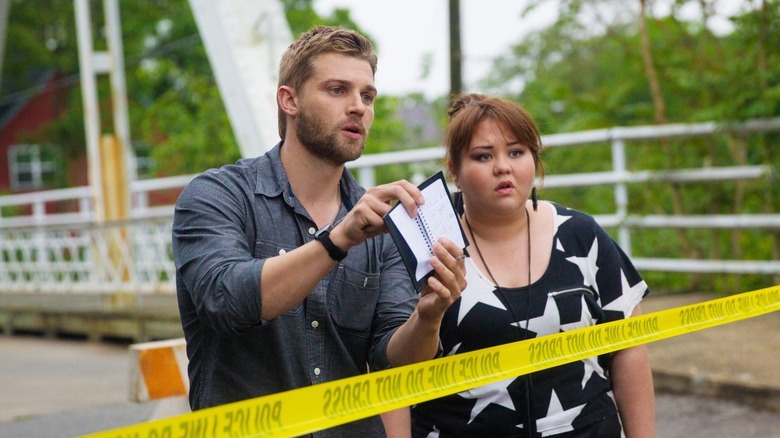
Baer also revealed personal creative regrets regarding characters who had been killed off in earlier seasons. With the show leaning heavily into supernatural and sci-fi elements—including alien consciousness and avatars—he had dreamed of bringing back deceased fan-favorites like Angie, Linda, Dodee, Reverend Coggins, and Norrie’s mother, Alice. His ultimate vision? A surreal haunting sequence where these spectral avatars torment the perennial antagonist, Big Jim Rennie.
Crucially, when asked whether the production team attempted to find a new home for the show on a cable network or a streaming platform (which was becoming a popular trend for canceled broadcast shows in the mid-2010s), Baer expressed contentment with the conclusion.
"I’m very happy with this ending. I feel very satisfied," Baer stated. "We made it so there could be another [season]… but it wasn’t necessary."
Implications of the Cancellation
The premature end of Under the Dome serves as a textbook study in the television industry regarding the management of high-concept, serialized science-fiction on major broadcast networks.
1. The Perils of Serialized Mystery Box Storytelling
Under the Dome arrived during an era heavily influenced by mystery-box dramas popularized by shows like Lost. However, unlike cable networks that could plan tightly wound, limited-run arcs, a broadcast network series with high episodic episode counts often forces writers to stretch thin mythology across dozens of hours. As the answers to the dome’s origins grew more convoluted, casual viewers drifted away, unable to follow the erratic internal logic of the show.
2. The Shift in Sci-Fi Distribution
The show’s 2013-2015 run coincided with the rapid ascent of streaming services like Netflix and Amazon Prime Video. Under the Dome was actually a pioneer in modern streaming syndication deals, finding massive global audiences on digital platforms shortly after airing on CBS. Had the series debuted just a few years later—or on a streaming-first platform—its serialized nature might have sustained a longer, more tightly controlled lifespan free from the pressure of traditional broadcast ratings erosion.
3. Closure Over Endless Continuation
Ultimately, the decision not to shop the series around prevented Under the Dome from entering a prolonged, messy limbo. By allowing the third season to double as a series finale—complete with the physical destruction of the original barrier, paired with a chilling, cyclical tease of a new dome—the creators provided closure to the residents of Chester’s Mill while leaving the broader cosmic horror open to the imagination of the fans.