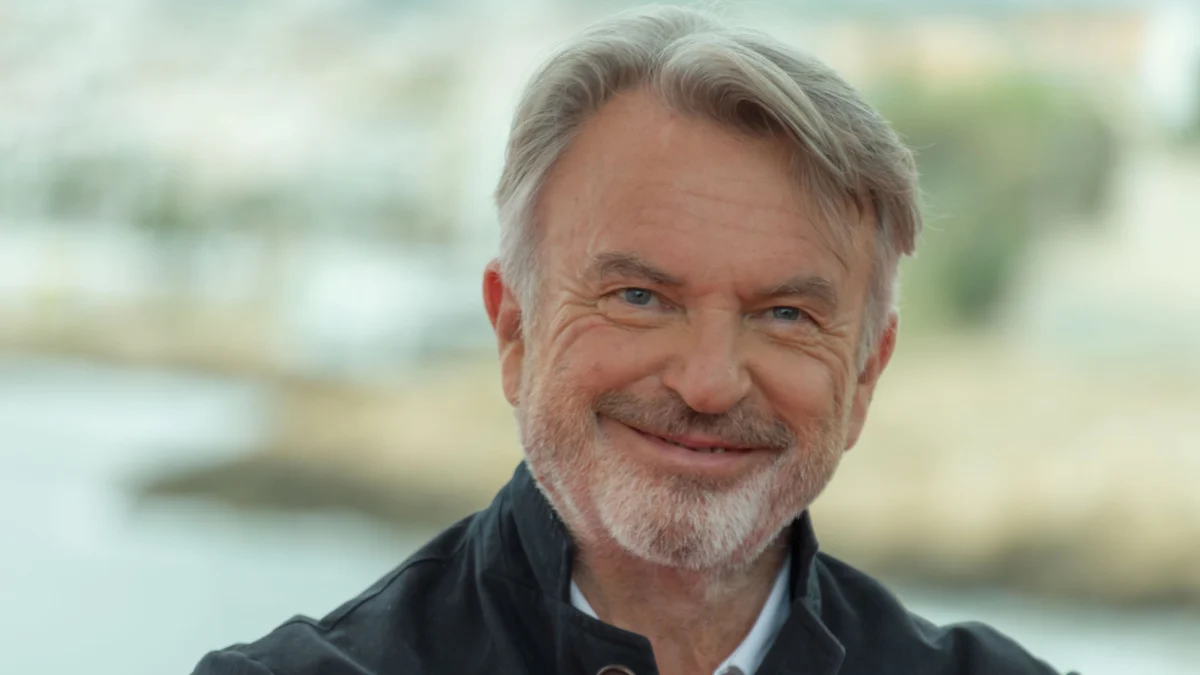
The global film and television community has been plunged into mourning following the passing of Sam Neill, the acclaimed actor whose career spanned five decades and left an indelible mark on both the silver screen and the television landscape. Known for his gravitas, versatility, and an inherent, disarming charm, Neill’s death on Monday has prompted an outpouring of grief from industry titans, co-stars, and fans who viewed him not just as a performer, but as a "national treasure."
As Hollywood grapples with the loss, the tributes pouring in underscore a simple truth: Sam Neill was more than a movie star; he was a foundational pillar of modern storytelling.
The Main Facts: A Career Defined by Excellence
Sam Neill’s resume is a roadmap of cinematic history. While he achieved global superstardom as Dr. Alan Grant in Steven Spielberg’s 1993 blockbuster Jurassic Park, his filmography extended far beyond the realm of prehistoric creatures. From the haunting intensity of his role in The Piano to his chilling, complex portrayal of Inspector Chester Campbell in the gritty period drama Peaky Blinders, Neill possessed a rare ability to disappear into characters while maintaining a distinct, magnetic screen presence.
His death has left a void in an industry that often celebrates fame over craft. Neill was, by all accounts, an "actor’s actor"—someone who approached his work with a blend of intense preparation and effortless, understated grace. His passing marks the end of an era for those who grew up in the golden age of 1990s cinema, a period Neill helped define.
Chronology: From New Zealand to Global Icon
Born in Omagh, Northern Ireland, and raised in New Zealand, Neill’s path to fame was anything but conventional. He began his career in the 1970s, honing his craft in Australian and New Zealand cinema before catching the eye of international directors.
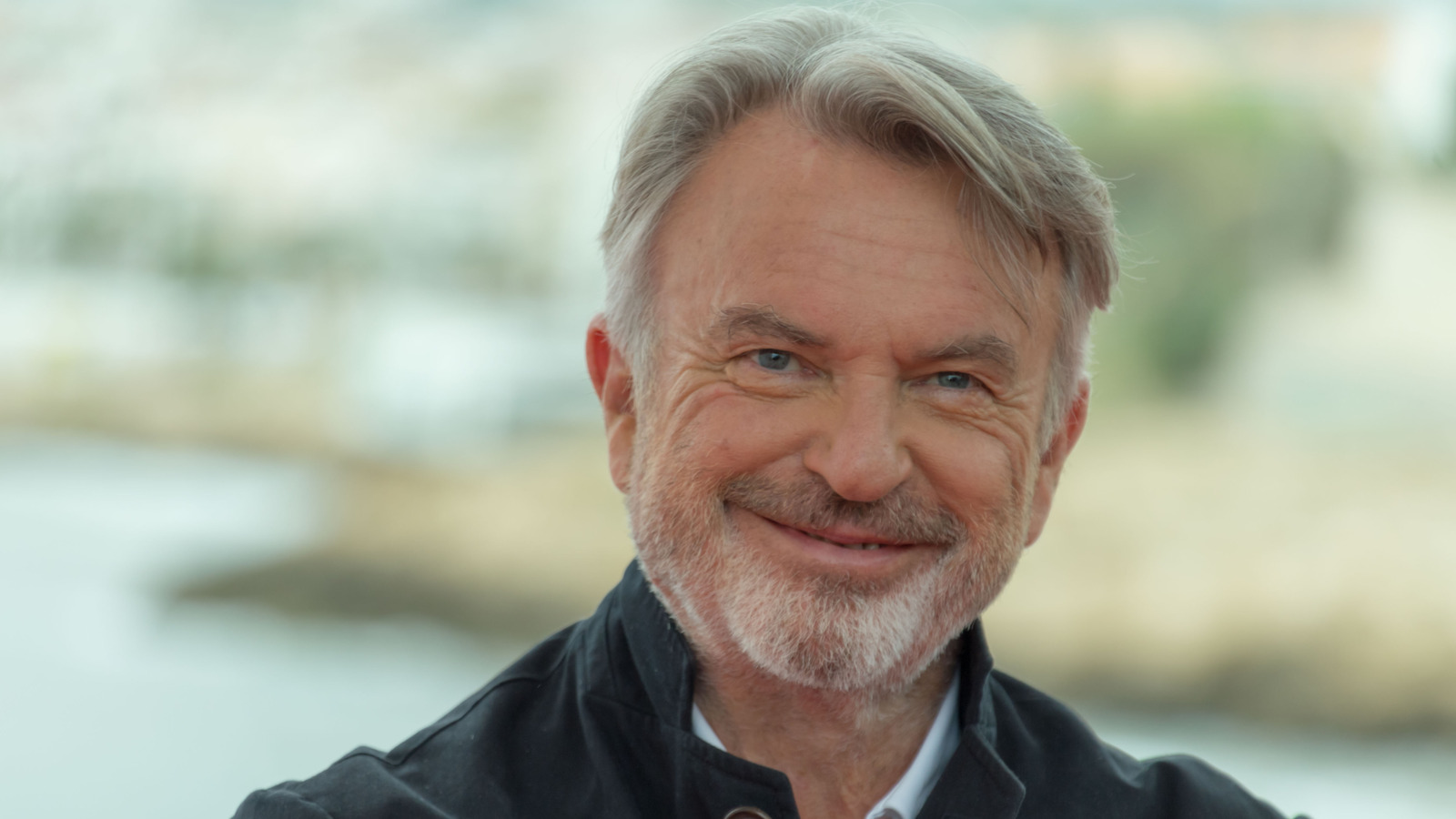
- The Early Years (1970s–1980s): Neill cut his teeth in projects like Sleeping Dogs (1977) and My Brilliant Career (1979). These early roles established him as a dramatic force capable of navigating complex emotional landscapes.
- The Breakthrough (1990s): The decade that would define his legacy. In 1993, he walked into the park, and the world followed. Jurassic Park turned him into a household name, but he balanced this fame with daring choices in independent films like The Piano and the psychological thriller In the Mouth of Madness.
- The Television Renaissance (2000s–2020s): Neill proved his longevity by transitioning seamlessly into the prestige television era. His turn as the villainous Chester Campbell in Peaky Blinders introduced him to a new generation of viewers, while his ongoing work in film—culminating in Jurassic World Dominion—cemented his status as a cinematic icon who never lost his relevance.
Supporting Data: The Anatomy of a Legend
To understand the impact of Sam Neill, one must look at the breadth of his influence. He was a multi-faceted talent who moved between genres with ease.
- Genre Versatility: Neill was equally comfortable in high-concept sci-fi (Event Horizon), historical drama (The Tudors), and dark character studies (Peaky Blinders).
- Global Reach: His work bridged the gap between Hollywood blockbusters and regional New Zealand storytelling. He served as an unofficial ambassador for New Zealand’s burgeoning film industry, inspiring a generation of Pacific actors, including Karl Urban, to pursue careers on the world stage.
- The Human Element: Colleagues often cited his love of wine, his quick wit, and his quiet, intellectual approach to life. He wasn’t just a performer; he was a colleague who made sets feel like communities.
Official Responses: Hollywood Remembers
The reaction from the entertainment industry has been profound, reflecting the deep respect Neill commanded.
The "Jurassic" Connection
Colin Trevorrow, director of Jurassic World Dominion, shared a poignant reflection on Instagram. He described Neill as a "deeply soulful and beautiful man," highlighting a quality that many viewers felt through the screen: tranquility. "His strength gave us all strength," Trevorrow wrote. "I’ll remember him for his tranquility, his love of wine, and for the calm assuredness he brought to his characters."
Universal Pictures, the studio behind the Jurassic franchise, issued a formal acknowledgment on X (formerly Twitter), calling him a "Jurassic legend." The sentiment reflects the sentiment of millions of fans who associate Neill’s face with the sense of wonder and terror that the franchise defined.
The "Peaky Blinders" Tribute
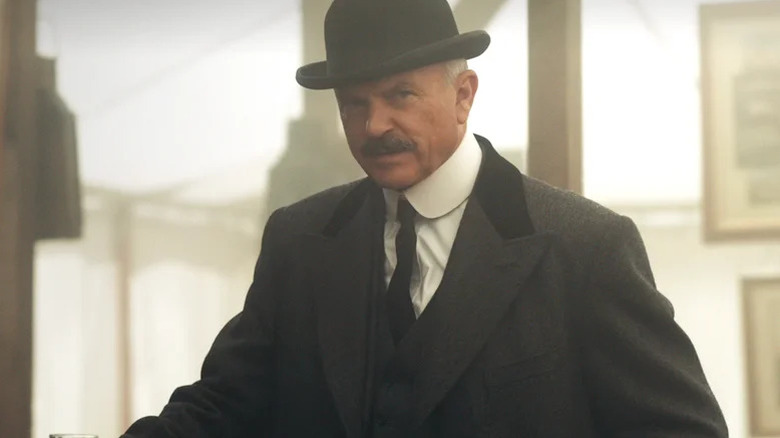
The official Peaky Blinders social media channels released a heartfelt statement regarding his role as the formidable Inspector Chester Campbell. They noted that Neill’s performance was "one for the ages," balancing the despicable nature of the villain with a vulnerability and charisma that made him one of the most compelling antagonists in television history.
Personal Reflections from Peers
The tributes go beyond professional accolades, touching on the personal bonds Neill forged:
- Richard E. Grant: Describing Neill as an "officer and a gentleman in the truest sense," Grant highlighted Neill’s capacity for kindness during difficult times.
- Toni Collette: In a moving Instagram tribute, Collette hailed him as a "hero" and a "sweetheart," echoing the sentiments of those who knew him outside the limelight.
- Steven Weber: Having worked with Neill on Happy Town, Weber spoke to Neill’s work ethic: "An actor’s actor, simple and direct. Never a false note."
Implications: The Legacy of a Trailblazer
The passing of Sam Neill carries significant weight for the future of the industry. As one of the last remaining "classic" leading men who could command a screen without the need for digital artifice, his absence is felt acutely.
A Mentor to Generations
For younger actors, Neill represented a template of how to age in the spotlight. He remained curious, humble, and engaged with his craft until the very end. His influence on actors like Karl Urban—who cited Neill as an inspiration for "those who followed in his trailblazing footsteps"—suggests that while the man is gone, his pedagogical impact on the next generation of New Zealand talent remains secure.
The Value of Authenticity
In an era of performative social media and manufactured celebrity, Neill’s reputation for being "decent, nice, and authentic" serves as a reminder of what truly matters in a long-term career. His ability to remain "pithy and game," as Steven Weber described, points to a man who understood the ephemeral nature of fame and chose to prioritize connection over ego.
Conclusion: "Sail on, Kind Sir"
As the tributes continue to circulate and fans revisit his vast body of work, the overarching theme remains one of gratitude. Sam Neill did not just provide entertainment; he provided a sense of stability. Whether he was running from a T-Rex, hunting gangsters in Birmingham, or playing a gentle soul in an indie drama, he was the steady hand on the tiller.
He leaves behind a legacy that is defined not by the number of awards on his shelf, but by the number of hearts he touched. As Richard E. Grant so eloquently put it, "Sail on, kind Sir." The screen may have gone dark on Sam Neill, but the light he brought to our collective cultural consciousness will continue to burn for decades to come.
What is your favorite Sam Neill performance? Was it the intellectual curiosity of Alan Grant, the menacing stare of Chester Campbell, or perhaps a more obscure role that captured your imagination? Join the conversation in the comments section below and share your memories of a true cinematic legend.