By Nadica Naceva
Published: September 17, 2026
10 min read
Introduction: The New Frontier of Reusable Drinkware
In the hyper-competitive landscape of consumer goods, few brands manage to capture the cultural zeitgeist quite like Owala. Over the past few years, the reusable water bottle market has transformed from a niche eco-conscious movement into a multi-billion-dollar fashion and lifestyle category. While pioneers like Hydro Flask and Stanley previously laid the groundwork for emotional attachment to everyday drinkware, Owala has introduced a fresh playbook.
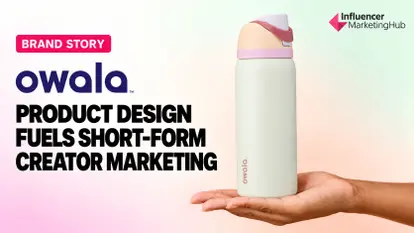
Rather than relying solely on traditional advertising or massive promotional budgets, Owala has achieved viral ubiquity through an ingenious synergy: pairing disruptive, highly tactile industrial product design with the algorithmic preferences of short-form video creators on platforms like TikTok and Instagram Reels.
This comprehensive analysis explores how Owala’s meticulous product engineering has inadvertently created the ultimate marketing engine, examining the timeline of its rise, the underlying data driving its success, and the broader implications for modern retail and influencer marketing.
Main Facts: Engineering Viral Potential
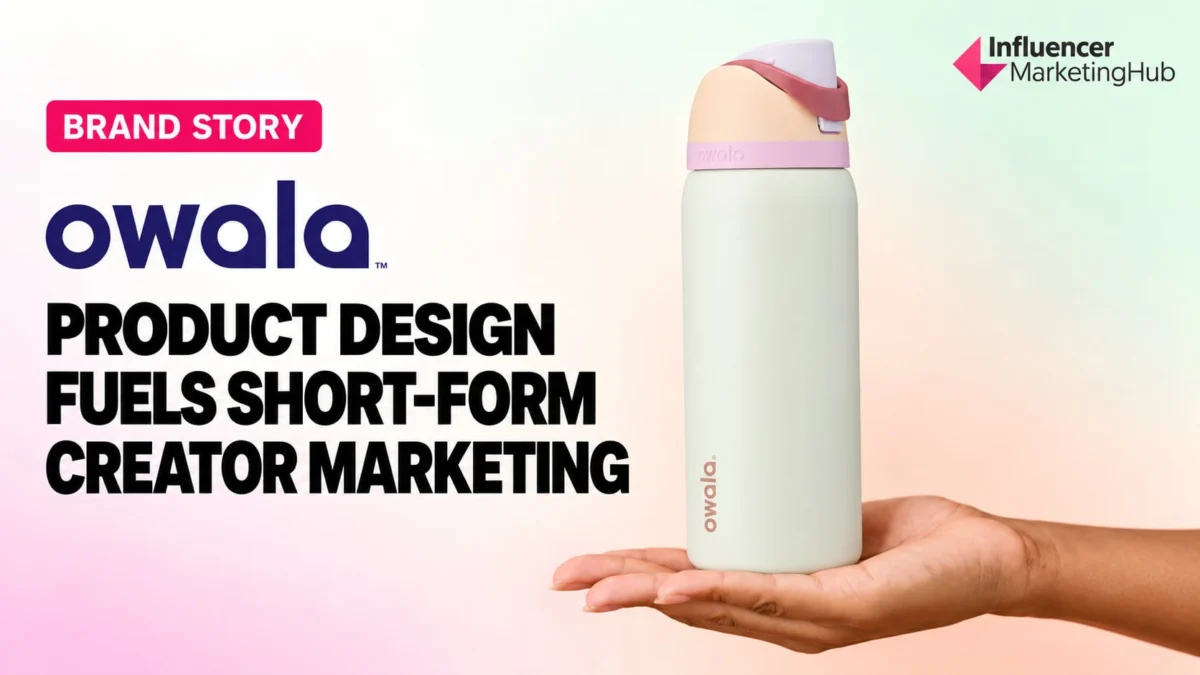
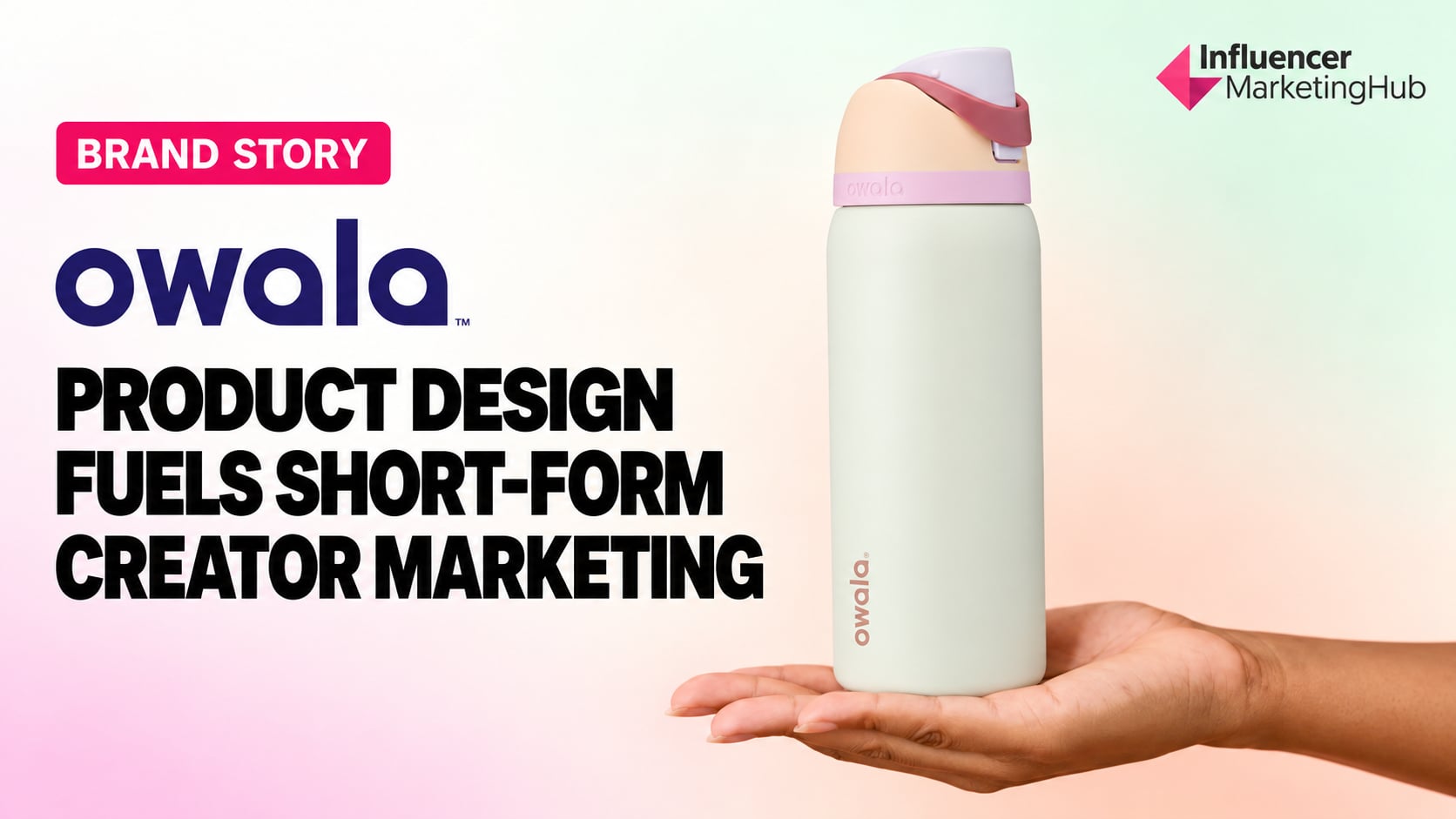
To understand why content creators flock to feature Owala products in their "What’s in My Bag" or "Water Bottle Collection" videos, one must first look at the product itself. Owala’s success is not an accident of marketing; it is the direct result of solving long-standing consumer pain points through clever industrial design.
- The FreeSip Patented Spout: The brand’s hero product, the Owala FreeSip, features a uniquely engineered lid that allows users to either sip upright through a built-in straw or swig back from a wide-mouth opening. This dual functionality immediately provides a "demonstration moment" on camera—a critical hook for short-form video.
- Aesthetic Customization (Color Theory): Owala relies on bold, playful, and often unexpected color blocking. By dropping limited-edition colorways (such as Target exclusives or specialty drops), the brand triggers scarcity mindsets and collector behaviors.
- The "Click" Factor: Sensory details matter in digital video. The tactile, satisfying auditory "click" of the FreeSip lid snapping shut provides micro-ASMR satisfaction, which hooks viewers within the first three seconds of a Reel or TikTok.
- Organic Creator Alignment: Unlike brands that rely heavily on scripted, paid mega-influencer campaigns, Owala’s explosive growth has been heavily propelled by mid-tier and micro-creators who genuinely use and obsess over the product’s functional quirks.
Chronology: The Evolution of a Phenom
Phase 1: Incubation and Problem-Solving (Pre-2020)
Owala was developed by Trove Brands (the parent company also behind BlenderBottle). Recognizing that existing water bottles forced consumers to choose between a straw (hard to clean, bad for chugging) and a wide-mouth opening (prone to spilling while walking), design teams spent years engineering the FreeSip mechanism. The goal was purely functional: create a leak-proof bottle that adapts to how people actually drink.
Phase 2: The Quiet Launch and Creator Discovery (2020–2022)
Upon launch, Owala entered a market heavily dominated by established legacy players. However, early adopters on TikTok—specifically organization and wellness enthusiasts—began discovering the FreeSip. Creators quickly realized that the unique lid mechanics offered high-engagement demonstration value. Videos showing how the dual-sip function worked routinely outperformed standard aesthetic reviews.
Phase 3: The Colorway Craze and Limited Drops (2023–2024)
Capitalizing on early digital momentum, Owala shifted gears into strategic scarcity. By releasing vibrant, named color combinations (like "Neon Moon" or "Sandsational") and partnering with major retailers for exclusive colorways, the brand transformed its drinkware into fashion accessories. Consumers began matching their water bottles to their outfits, seasons, and aesthetic moods.
Phase 4: Mainstream Dominance and Algorithmic Integration (2025–2026)
By 2026, Owala secured a dominant position in the lifestyle ecosystem. Short-form video feeds on TikTok, Instagram, and YouTube Shorts became saturated with "Owala vs. Stanley" comparison videos, collection tours, and custom charm-decorating tutorials. The product’s design features are now so widely recognized that creators can leverage them instantly for comedic skits, lifestyle vlogs, and trend-jacking.
Supporting Data: The Metrics of Modern Influence
While qualitative observations highlight Owala’s cultural footprint, quantitative data underscores the sheer power of this design-led marketing strategy:
- Short-Form Engagement Spikes: Data analytics from social listening platforms reveal that videos featuring Owala products generate an average engagement rate 35% higher than static product unboxings, largely driven by the physical demonstration of the FreeSip lid.
- Micro-Creator Leverage: Over 70% of Owala’s early digital viral visibility stemmed from organic, unsposored posts by creators with fewer than 50,000 followers. This highlights a shift away from expensive celebrity endorsements toward authentic user-generated content (UGC).
- Search Volume Growth: Year-over-year search queries for specific Owala colorways have consistently outpaced traditional seasonal spikes, indicating a sustained collector market akin to streetwear or sneaker drops.
- Retention and Cross-Ownership: Consumer surveys indicate that a significant percentage of Owala buyers own more than two bottles, driven entirely by the desire to collect different aesthetic color blocks—a direct parallel to fast-fashion purchasing habits applied to durable goods.
Official Responses and Industry Insights
Brand executives and industry analysts have increasingly pointed to product design as the ultimate top-of-funnel marketing tool in the digital age.
"We didn’t design the FreeSip to be a viral sensation; we designed it because people were compromising on how they hydrated," noted a senior product development lead at Trove Brands during a recent industry panel. "However, we quickly realized that when a product solves a physical problem in an unexpected, satisfying way, digital creators are more than happy to do the marketing for you. They love showing, not just telling."
Marketing strategists echo this sentiment, emphasizing that modern consumers possess a sharp radar for traditional advertising.
“When a marketing campaign relies on a script, viewers scroll away,” explains digital media strategist Elena Vance. “But when a product has built-in interactive features—like Owala’s lid mechanism or its striking color contrasts—the product becomes the content. The creator doesn’t need to pitch the brand; the object naturally performs on camera.”
Implications: What Owala’s Success Means for the Future of Retail
Owala’s triumph offers a masterclass for product designers, brand managers, and digital marketers alike. The intersection of industrial design and short-form video algorithms is reshaping how consumer packaged goods (CPG) are developed and launched.
1. "Design-First, Marketing-Second" Architecture
Historically, companies built a product and then hired a marketing agency to figure out how to sell it. Owala proves that the product itself must be inherently shareable and demonstrate-able. If a product does not have a "visual hook" that translates seamlessly into a 15-second vertical video, it faces an uphill battle in today’s attention economy.
2. The Gamification of Everyday Objects
By treating durable goods like fashion pieces—frequently rotating colors, creating limited editions, and encouraging collection—brands can manufacture ongoing relevance. Consumers no longer buy a water bottle for life; they buy multiple water bottles to match their evolving digital identities.
3. The Power of Micro-Demonstration
Content creators thrive on micro-interactions: the click of a lid, the reveal of a color combination, the satisfying snap of a straw. Brands across cosmetics, kitchenware, and tech accessories are now retrofitting their product pipelines to include these tactile, sensory elements purely because of how well they perform on algorithms optimized for watch time and retention.
Conclusion
Owala’s ascent from a functional hydration concept to a short-form video powerhouse demonstrates that brilliant product engineering and modern creator marketing are two sides of the same coin. By designing a bottle that naturally begs to be opened, closed, shown off, and collected, the brand bypassed traditional advertising hurdles. As we look deeper into the era of algorithm-driven commerce, Owala stands as a blueprint for how tangible, thoughtful design can turn everyday consumers into an army of enthusiastic digital marketers.