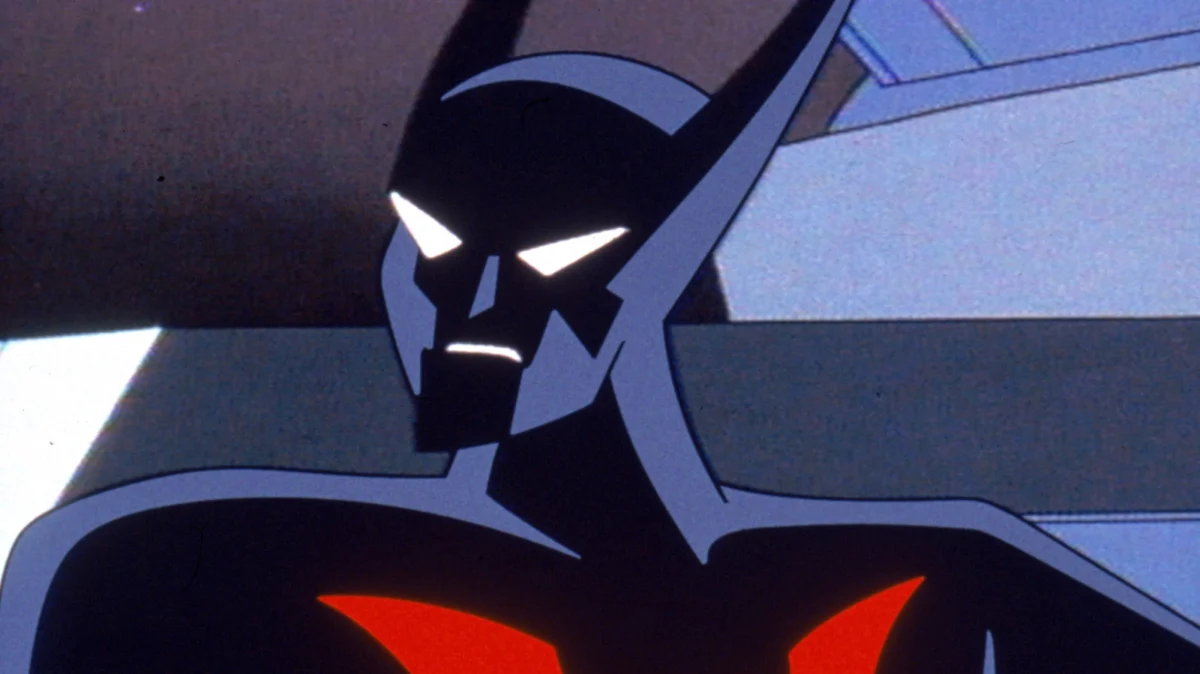
When Batman Beyond debuted in 1999, it represented a bold, neon-soaked gamble for the DC Animated Universe (DCAU). By thrusting viewers into a futuristic Gotham City under the mentorship of an elderly, embittered Bruce Wayne, the series successfully expanded the legacy of the Dark Knight while embracing a high-tech, sci-fi aesthetic. Yet, amidst the enduring cultural dominance of Batman Beyond, one direct offshoot has faded into the shadows of television history: The Zeta Project.
Despite running for two seasons on Kids’ WB, The Zeta Project is today largely considered a footnote—a "barely remembered" experiment that attempted to pivot away from the caped crusaders of the DCAU toward a more introspective, character-driven science fiction narrative. To understand why this series failed to capture the zeitgeist, one must examine the complex intersection of creative ambition, shifting network policies, and the profound impact of global real-world events.
The Genesis: From Gotham to the Run
The origins of The Zeta Project were deeply rooted in the success of its parent show. In the second season of Batman Beyond, creators introduced a sophisticated infiltration unit known as Zeta. A government-built automaton designed for high-stakes espionage and assassination, Zeta experienced a moral awakening—a glitch in his programming that led him to reject his primary directive of violence.
This narrative arc, explored in the episode titled "Zeta," provided the perfect emotional anchor for a spin-off. Unlike the brooding, vengeance-fueled world of Terry McGinnis, The Zeta Project promised something different: a road-trip story. The show followed a humanoid, sentient robot searching for his creator while being pursued by the National Security Agency (NSA). Along the way, he is joined by Ro Rowan, a teenage runaway who becomes his closest ally.
By taking the high-tech intrigue of Batman Beyond and stripping away the traditional superhero framework, the series creators were attempting to craft a "chase show." It was The Fugitive for the millennial generation, transposed into a futuristic landscape of hover-cars and artificial intelligence.
Chronology of a Short-Lived Series
The production history of The Zeta Project reflects the rapid evolution and eventual contraction of the DCAU during the early 2000s.
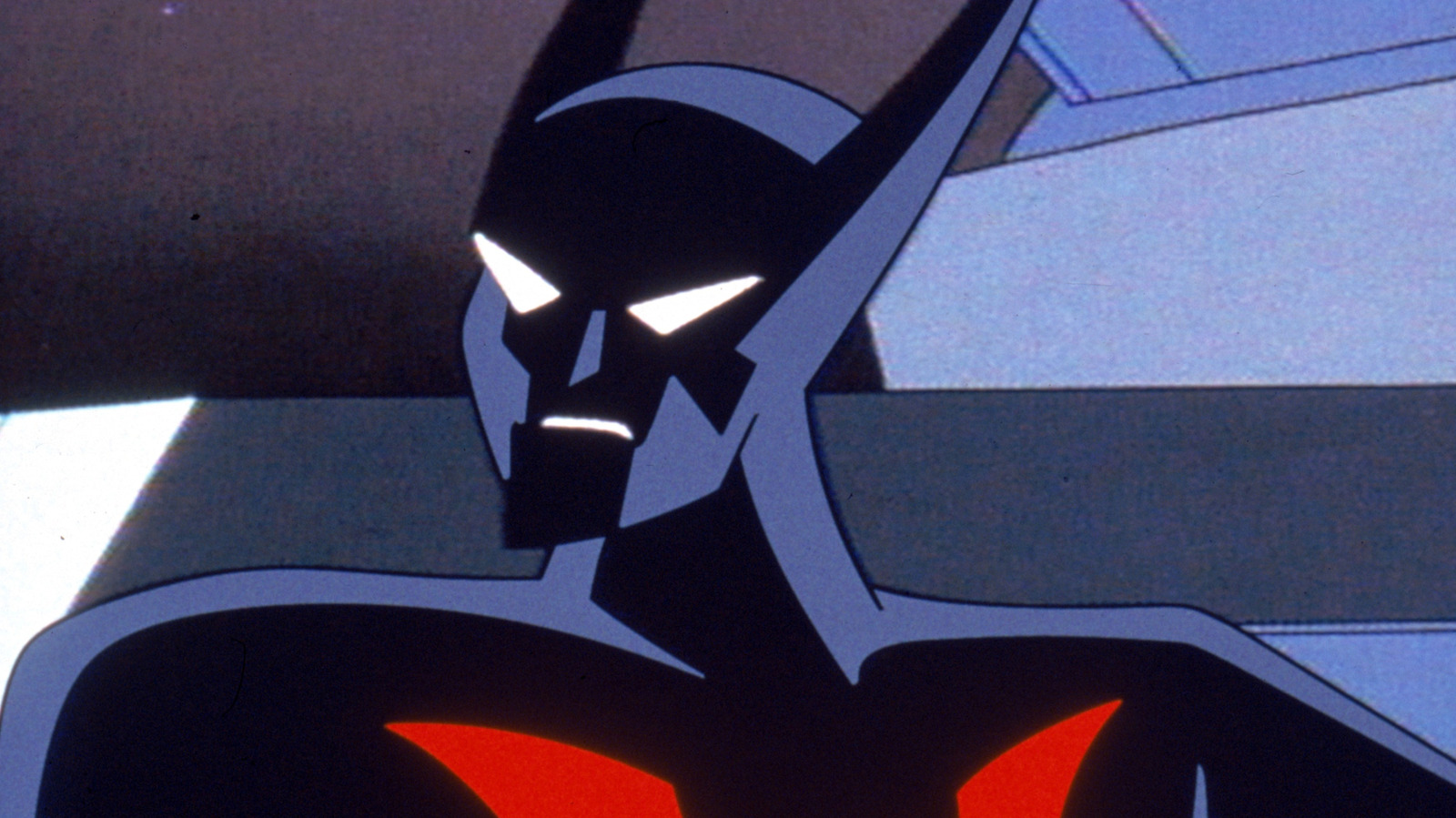
- 1999–2000: The character of Zeta is introduced in Batman Beyond, testing the waters for a character-led spin-off.
- January 2001: The Zeta Project officially premieres on Kids’ WB. The tone is initially darker, reflecting the espionage roots of the NSA pursuit.
- Late 2001: Following the September 11 terrorist attacks, the series faces immediate scrutiny regarding its thematic content. The premise—a government agency hunting a perceived "terrorist"—becomes radioactive in the new political climate.
- 2002: The series undergoes a massive tonal shift to comply with network mandates. Violence is dialed back, and the antagonists are softened.
- August 2002: The series concludes its second season, which ultimately serves as its final broadcast. No renewal is issued, marking the end of the project.
The Aesthetic and Narrative Disconnect
A primary reason for the show’s lack of mainstream longevity was its distinct departure from the "DCAU brand." Batman Beyond succeeded because it felt like a natural evolution of Batman: The Animated Series. It retained the gothic architecture, the moody color palettes, and the psychological depth that fans associated with Bruce Timm and Paul Dini’s work.
The Zeta Project, conversely, adopted a brighter, more simplistic visual style. While this was intended to make the show more accessible to a younger demographic, it created a jarring disconnect for viewers who expected the grit of Gotham. Furthermore, the show intentionally distanced itself from the DC pantheon. By removing Batman and the traditional rogue’s gallery, the show stripped itself of the "anchor" that kept fans tuned in. Without a clear connection to the heroes they loved, the audience drifted away, leaving the show to sink or swim on its own merits—a challenge it proved ill-equipped to handle.
Behind the Scenes: The Shadow of 9/11
The most significant factor in the show’s decline was external. In an era before streaming metrics, children’s television was hyper-sensitive to the political climate. Following the 9/11 attacks, the premise of a "fugitive" being pursued by the NSA for perceived acts of terrorism became a liability.
Industry reports from the time indicate that Kids’ WB executives were deeply concerned about the optics of the series. To save the show, the production team was forced to implement sweeping changes. The intensity was reduced, the conflict became less life-or-death, and the complex moral dilemmas that made the first season compelling were diluted in favor of safer, more episodic storytelling.
This creative bottleneck led to the departure of series creator Robert Goodman. When the architect of the show walks away due to creative constraints, the narrative heart of the project often follows. With no clear leadership and a network that had lost its enthusiasm for the property, the cancellation became an inevitability rather than a shock.
Supporting Data: The Talent That Was
Despite its lack of cultural footprint, The Zeta Project was far from a low-budget production. It featured an impressive voice cast that has since become synonymous with high-quality animation.
Diedrich Bader, who voiced Zeta, brought a robotic yet deeply human pathos to the role. Interestingly, Bader would later go on to voice Batman himself in Batman: The Brave and the Bold, underscoring his deep ties to the DC legacy. Perhaps even more notable was the inclusion of Michael Rosenbaum, who voiced Agent West. Rosenbaum’s performance provided a compelling foil to the protagonists, and his work here preceded his iconic portrayal of Lex Luthor in the live-action series Smallville.
The talent involved suggests that the failure of The Zeta Project was not one of performance or production value, but rather a failure of positioning. It was a show that tried to be a standalone science fiction series while operating within a universe defined by spandex-clad heroes.
Implications: A Lesson in Brand Identity
The story of The Zeta Project serves as a cautionary tale for modern media franchises. When building a shared universe, the "brand promise" is paramount. Batman Beyond worked because it honored the past while looking forward. The Zeta Project tried to discard the past entirely, effectively alienating the very audience it was designed to capture.
Furthermore, the show illustrates the vulnerability of animated storytelling to real-world trauma. The mid-series pivot caused by the 9/11 attacks permanently damaged the show’s identity. It reminds us that animated series are not merely background noise for children; they are cultural artifacts that reflect the fears and anxieties of the world in which they are produced.
Conclusion: The Legacy of a Lost Robot
Today, The Zeta Project sits in the digital archives of services like Max, waiting for a rediscovery that rarely comes. It remains an ambitious attempt to tell a serialized, character-focused story in an era when episodic television was the standard.
While it may never be ranked alongside the titans of the DCAU, its existence is a testament to a time when DC was willing to experiment with its intellectual property. It was a show about a machine trying to find his soul—a fitting metaphor for a series that struggled, against all odds, to find its own identity in a city of capes and cowls. While it may be barely remembered, The Zeta Project remains a fascinating, if flawed, relic of a bygone era of animation.