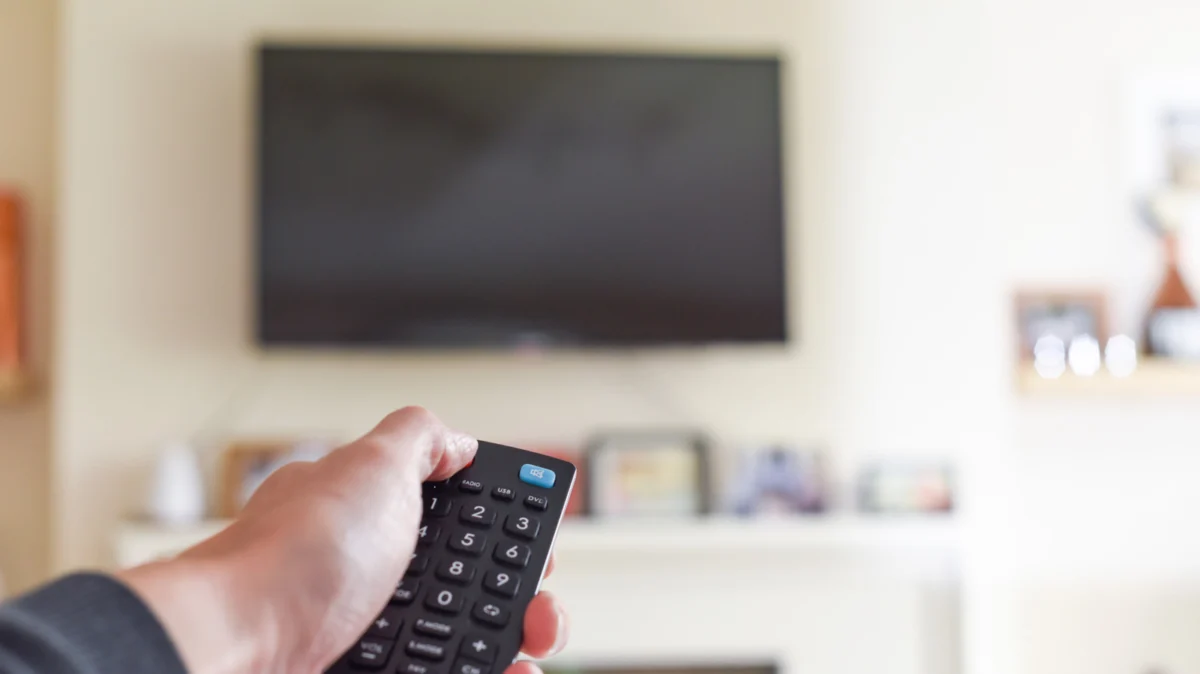
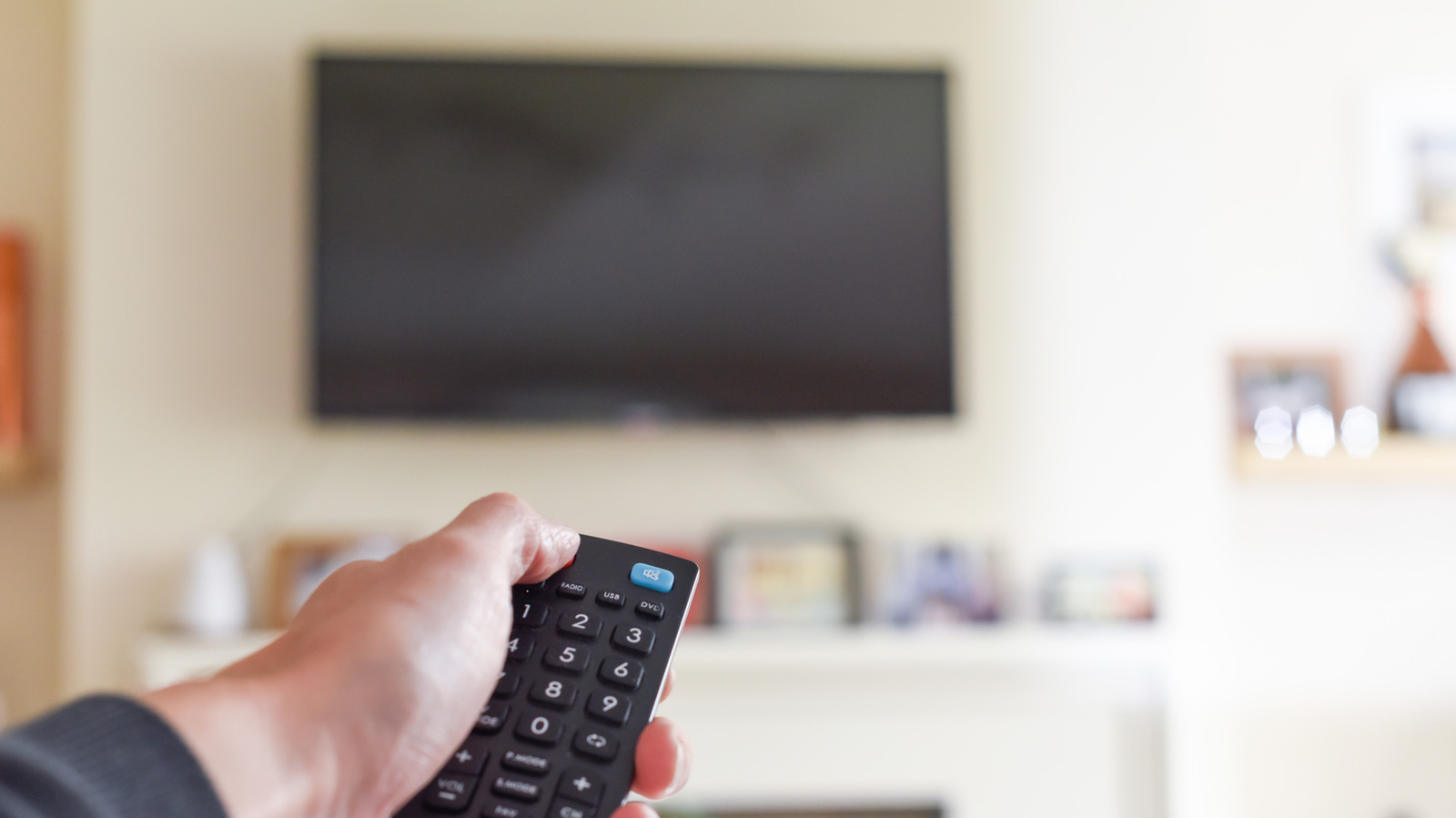
In the modern living room, the ritual is nearly universal: you finish your favorite show, point your remote at the television, and press the power button. The screen goes black, the audio cuts out, and you walk away. To the casual observer, the TV is "off." However, beneath the surface of that blank, dark glass, your television is far from dormant. It is in a state of high-tech suspension known as "standby mode," a design choice that balances user convenience, software longevity, and, in the case of premium display technologies, essential hardware maintenance.
While there is a persistent debate regarding energy consumption and the environmental impact of "vampire power," the reality of modern smart TV architecture is nuanced. Far from being a mere waste of electricity, standby mode has become a functional necessity for the complex, internet-connected operating systems that power today’s home entertainment experiences.
The Evolution of the "Off" Switch
To understand why your TV never truly turns off, one must look at the evolution of display technology. In the era of cathode-ray tubes (CRTs), a power button physically severed the electrical circuit. When you pressed it, the device was effectively dead until the next time you engaged the switch.
Today, the "TV" is a misnomer; it is essentially a dedicated computer with a display panel. Modern televisions—running robust operating systems like LG’s WebOS, Google TV, Amazon’s Fire TV OS, and Roku OS—require a sophisticated boot sequence. If you were to fully shut down these systems every time you stepped away, the user experience would be agonizing. Users would be forced to wait through splash screens, network handshakes, and system loading bars for several minutes before their content appeared. By maintaining a low-power "sleep" state, TVs ensure that when you press the power button again, the device responds in seconds, providing the seamless experience consumers have come to expect.
Supporting Data: The One-Watt Reality
The primary argument against standby mode is the financial and environmental cost of "vampire power." However, regulatory bodies and manufacturing standards have largely addressed this concern. In the United States, ENERGY STAR-certified televisions are required to consume no more than one watt of electricity while in standby mode.
To put this into perspective, let’s look at the mathematics of consumption. A device drawing one watt of power continuously for a year consumes approximately 8.76 kilowatt-hours (kWh) of electricity. Based on the average U.S. residential electricity rate, this costs roughly $1.50 per year. While this figure fluctuates depending on regional energy costs—California residents, for instance, may pay double the national average—the fiscal impact remains negligible for the average household.
Global initiatives, such as the "One Watt Initiative," have codified these standards, forcing manufacturers to optimize their power-management hardware. Consequently, the electricity required to keep your smart TV in standby is a fraction of the cost of running a single incandescent light bulb for a few hours.
The Critical Role of Maintenance in OLED Displays
While convenience and boot times are significant factors, the most compelling argument for keeping a TV in standby is the physical preservation of the panel itself—specifically for OLED (Organic Light-Emitting Diode) technology.
OLED panels, prized for their infinite contrast and deep blacks, are susceptible to a phenomenon known as image retention or "burn-in." This occurs when static elements, such as news tickers, gaming HUDs, or channel logos, are displayed in the same position for extended periods, causing uneven degradation of the organic pixels.
To combat this, manufacturers like LG, Sony, and Samsung have engineered "Automatic Compensation Cycles." These are internal maintenance routines that run while the TV is in standby. During this process, the TV’s processor analyzes the state of the pixels and performs an electrical correction to ensure color and brightness uniformity across the panel. If a user habitually cuts power to the TV—by unplugging it or using a smart plug to kill the circuit—they interrupt these vital maintenance cycles. Over time, repeated interruptions can lead to permanent image degradation, significantly shortening the lifespan of an expensive display.
Software Ecosystems and Background Updates
Beyond hardware, the smart TV ecosystem relies on continuous, background connectivity. Modern TVs are effectively IoT (Internet of Things) devices. They are designed to pull updates for the operating system, security patches, and application updates during low-activity periods.
If you were to completely power down your TV, your apps—Netflix, YouTube, Disney+, or Hulu—would be forced to update every single time you launched them. This would result in an endless cycle of "Updating…" screens, hindering your ability to consume content. Standby mode allows the television to maintain a background data connection, ensuring that when you sit down to watch a movie, your streaming libraries are optimized and your security software is up to date.
When Should You Actually Shut Down?
Despite the benefits of standby, there are instances where a complete power cycle is not only helpful but recommended.
1. Persistent System Lag
Just like a smartphone or a laptop, a TV’s operating system can accumulate "junk" data or experience memory leaks over time. If your TV’s interface begins to feel sluggish, apps are crashing, or the menu is stuttering, a full reboot is the prescribed remedy. This clears the temporary cache and refreshes the background processes. Note that this should be done through the TV’s software menu or a controlled remote command, not by yanking the power cord.
2. Extended Absences
If you are going on vacation for several weeks or months, there is little reason to keep your TV connected to the grid. In this scenario, unplugging the device or using a surge-protected power strip is a sensible move. Not only does it eliminate the cumulative power draw, but it also provides a layer of protection against power surges caused by electrical storms, which can fry sensitive motherboard components even when the device is "off."
3. The "Hard" Restart
If your TV becomes unresponsive—a "black screen of death" or a frozen interface—the manual restart is the first line of defense. Consult your owner’s manual for the specific sequence, as many modern TVs offer a "hard reboot" command by holding the power button on the remote for 10 to 15 seconds. This forces the OS to dump its memory and restart from a cold boot, which usually resolves minor firmware hiccups.
Implications for the Future of Home Entertainment
As televisions become increasingly integrated into the smart home, the lines between "device" and "appliance" continue to blur. The standby mode of 2024 is vastly different from that of 2010. Today’s TVs act as hubs for smart home lighting, security cameras, and voice assistants.
The industry is currently facing a push-pull dynamic. On one hand, environmental groups and government agencies are pushing for even stricter standby power limits, seeking to lower that one-watt threshold to milliwatts. On the other hand, manufacturers are adding more sophisticated AI-driven processors that require constant, low-level power to remain "aware" of the user’s environment.
Ultimately, the decision to keep your TV in standby is a balance between energy efficiency and device longevity. For the vast majority of users, the minor electricity cost of standby mode is a worthwhile "insurance premium" to pay for the health of the panel and the convenience of a responsive interface.
The next time you turn off your TV, remember: it isn’t going to sleep; it’s working on your behalf. By staying in standby, it is silently managing your pixels, updating your software, and preparing itself for your next viewing session. Unless you plan on leaving for a long period, your TV is right where it needs to be: quietly waiting in the background.