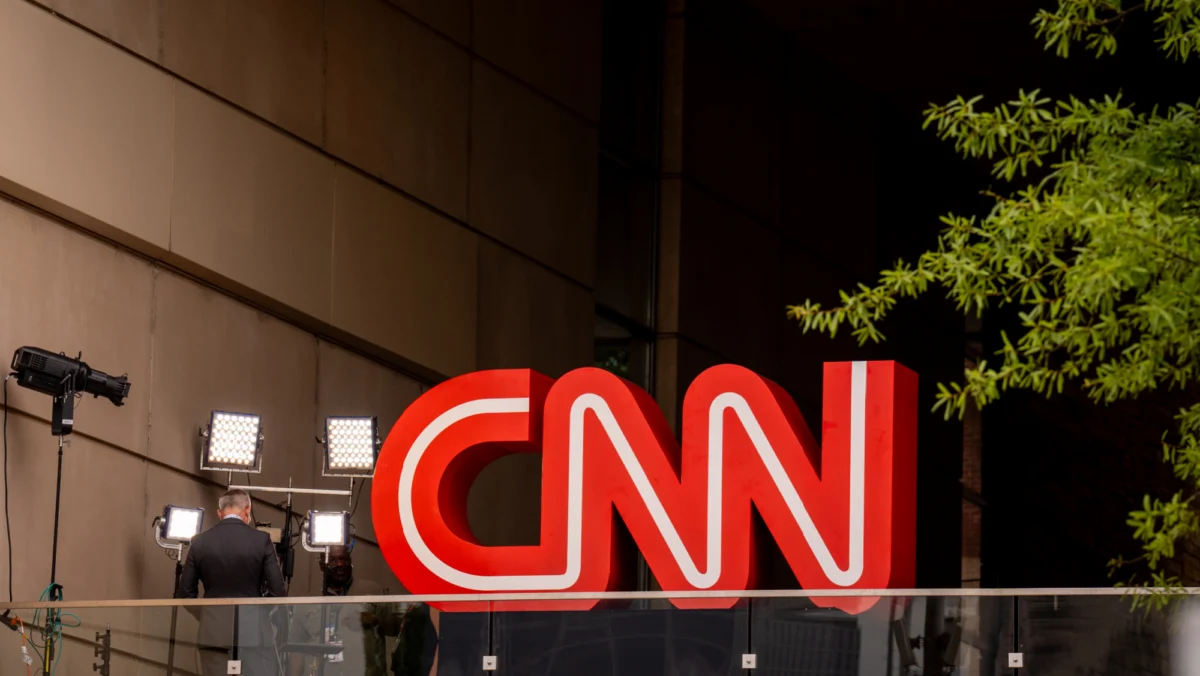
In a matter of weeks, the media landscape will undergo a seismic shift. The finalized acquisition of Warner Bros. Discovery by Paramount-Skydance will culminate in the creation of what is arguably the world’s most powerful television news apparatus. By merging the storied legacy of CBS News with the global reach of CNN, the new entity—led by David Ellison—will effectively consolidate a significant portion of the American news diet under one corporate umbrella.
However, this consolidation has not come without strings. To clear the path for the merger, Paramount has entered into a complex settlement with state attorneys general, resulting in the creation of an "Editorial Independence Board." This body, designed to function as a safeguard against corporate overreach and political interference, represents a rare and potentially precedent-setting experiment in modern media governance.
The Birth of a News Hegemon
For decades, the American news market has been defined by a competitive ecosystem of rivals: NBC News, MSNBC, CNBC, CNN, and CBS News. As these organizations split across various corporate entities, the competition kept a degree of structural tension in the marketplace. The Paramount-Skydance merger effectively collapses that dynamic.
With CNN and CBS News operating as a single unit, the new organization will enjoy an unrivaled scale of production, news-gathering infrastructure, and audience reach. While other networks remain, the concentration of assets into the hands of the new Paramount-Skydance entity creates a behemoth that will set the pace for journalistic agendas across the United States and, by extension, much of the international community.
Chronology of a Mega-Merger
The road to this consolidation has been paved with intense regulatory scrutiny and complex financial negotiations.
- Initial Overtures: Rumors of the Paramount-Skydance deal began circulating months ago, as the media industry grappled with the decline of traditional cable and the rising costs of streaming transitions.
- Regulatory Hurdles: The merger faced significant pushback from state regulators concerned about the potential for market monopolization and the silencing of diverse editorial voices.
- The Settlement Pivot: Recognizing the need to appease concerns regarding media consolidation, Paramount entered into negotiations with state attorneys general to establish a framework that would protect the integrity of the newsrooms.
- The Final Countdown: With the regulatory hurdles cleared by the agreement to establish the Editorial Independence Board, the deal is set to close within weeks, signaling the start of a six-month window to populate the newly formed board.
The Mandate: What the Editorial Independence Board Will Actually Do
The Editorial Independence Board is not merely a symbolic body; its charter is expansive. Its primary function is to draft and enforce "News Editorial Principles." These principles are mandated to focus on the bedrock values of journalism: integrity, fairness, independence, and accuracy.
Dispute Resolution
Perhaps the most potent aspect of the board’s mandate is its role as an arbiter. The board is empowered to resolve disputes between newsroom staff at CNN and CBS News and the management of the combined entity. This includes grievances related to:
- Editorial Integrity: Alleged violations of the newly created principles.
- Reporting Bias: Claims that management has exerted pressure to steer coverage in a specific ideological direction.
- Resource Allocation: Disputes regarding the failure to meet agreed-upon standards of reporting fairness.
Monitoring Independence
Beyond reactive dispute resolution, the board is tasked with proactive monitoring. It must oversee the company’s adherence to ethical journalism as defined by industry best practices. Critically, it is charged with protecting editorial independence from the "Combined Entity’s ownership and shareholders." This is a direct attempt to wall off the newsroom from the financial or political interests of the company’s executive suite.
Jurisdictional Scope
The board’s influence is specifically tethered to news content produced for U.S. distribution. While this covers the entirety of CBS News’ output, it creates a fascinating duality for CNN. Given CNN’s vast international footprint, the board will effectively govern the domestic arm of the network while leaving the international operation under the traditional management structure—a distinction that will undoubtedly create operational challenges for journalists working across both sectors.
Composition and Appointment: Who Guards the Gatekeepers?
The formation of the board is scheduled to occur within 180 days of the deal’s closure. The process of selection is inherently top-down, yet constrained by strict bylaws to ensure a semblance of independence.
The Appointment Process
The five-member board will be appointed by the corporate board of directors of the combined company, effectively placing the selection in the hands of CEO David Ellison. Once appointed, members will serve three-year terms and can only be removed for "good cause," a provision designed to prevent management from purging the board during moments of political or journalistic friction.
Eligibility Criteria
The criteria for membership are rigorous:
- Professional History: Each member must have at least 10 years of experience in journalism.
- Political Balance: No more than two members may be affiliated with the same political party, a rule that acknowledges the reality of partisanship in the media industry while attempting to enforce a "center-right" and "center-left" equilibrium.
- Governmental Prohibition: No government official or entity may serve on, or have approval rights over, the board.
- Corporate Insulation: Officers, directors, and non-journalist employees of the combined entity are strictly barred from membership, ensuring the board remains a body of practitioners rather than executives.
The "In-House" Dilemma
The pool of potential candidates is already being speculated upon. While there is a wealth of talent available, the inclusion of current staff from CBS or CNN would create a conflict of interest in the eyes of many critics. However, the involvement of figures associated with RedBird Capital—such as Chris Wallace, Graydon Carter, or Matthew Garrahan—highlights how the lines between corporate partners and journalistic oversight may become blurred.
Implications for the Future of Media
The establishment of this board raises profound questions about the future of media oversight. Critics argue that the board might be little more than a "paper tiger," similar to the oversight boards seen at other media conglomerates that were created under public pressure only to fall into irrelevance once the initial scrutiny faded.
The "Bark vs. Bite" Debate
If the board operates as intended, it could be a transformative tool for journalists, providing a shield against the "chilling effect" often caused by corporate mandates. If it fails, however, it could provide a false sense of security, effectively laundering the reputation of a massive monopoly while offering no real protection to the public.
History is a skeptical teacher. Similar boards established by News Corp. under the late Rupert Murdoch were often viewed as mechanisms for maintaining corporate control rather than empowering dissenting voices. Whether the Paramount-Skydance board can transcend this cynical precedent depends entirely on the willingness of its five members to challenge the very entity that holds their professional future in its hands.
The Threat of Partisanship
The most volatile aspect of the board’s creation will be the public perception of its members. In a hyper-polarized political environment, any appointment will be viewed through the lens of bias. If the board is seen as a collection of "establishment" journalists, it will face accusations of bias from the populist right. If it is seen as too accommodating to management, it will face accusations of corporatism from the activist left.
Conclusion: A New Era of Scrutiny
As the Paramount-Skydance merger approaches its final day, the industry stands at a crossroads. The Editorial Independence Board is an audacious experiment in corporate governance—an attempt to legislate journalistic integrity into the bylaws of a multinational corporation.
Whether this board serves as a robust defense against the corruption of news or merely as a bureaucratic layer of obfuscation remains to be seen. For the millions of viewers who rely on CNN and CBS News for their information, the stakes could not be higher. As the dust settles on this historic merger, the eyes of the media world will be fixed not just on the bottom line, but on the first meeting of these five individuals, tasked with the heavy burden of keeping the news free, fair, and, most importantly, independent.
The era of the "Mega-Newsroom" has arrived, and for better or worse, the experiment in its oversight has begun. Stay tuned.