Main Facts
The entertainment industry’s most electrifying night has officially arrived as the 2026 MTV Video Music Awards (VMAs) kick off from the Peacock Theater in Los Angeles. Marking a triumphant homecoming, this year’s ceremony represents the first time the iconic awards show has returned to the entertainment capital of the world since 2017. Guiding audiences through the star-studded evening is hip-hop legend Snoop Dogg, whose charismatic presence sets the tone for a night celebrating pop culture, boundary-pushing visuals, and historic musical milestones.

The 2026 VMAs are designed to be a landmark broadcast, packed with high-profile moments that bridge generations of music royalty. Among the most anticipated highlights is a career-defining performance by pop icon Madonna—her first appearance on the VMA stage in more than two decades—alongside a heartfelt tribute to country music legend Dolly Parton. Furthermore, the global pop phenomenon Taylor Swift is dominating the evening’s headlines. Swift is not only treating fans to the world premiere of her cinematic music video for "Patient Zero"—starring Hollywood heavyweights Dakota Johnson and Colin Farrell—but she is also being honored with the inaugural Artist-Director Award, cementing her status as a visionary auteur in addition to a global superstar.

Adding to the historical weight of the evening, grunge pioneers Nirvana are slated to receive the prestigious Video Vanguard Award, exactly 34 years after their explosive and chaotic debut performance at the 1992 VMAs. With an eclectic, star-studded performance lineup featuring Kacey Musgraves, LISA, RAYE, Shaboozey, Gunna, Sienna Spiro, GENER8ION, and Yung Lean, the 2026 VMAs are positioning themselves as one of the most culturally significant awards broadcasts in recent television history.

Chronology of the Event and Announcements
The road to the 2026 VMAs has been a masterclass in strategic anticipation, driven by months of teaser trailers, surprise announcements, and fervent fan speculation.

- Early Summer 2026: MTV began generating buzz by announcing that the VMAs would finally return to Los Angeles, taking over the state-of-the-art Peacock Theater after nearly a decade away from the city. Shortly thereafter, West Coast rap icon Snoop Dogg was revealed as the master of ceremonies, promising a relaxed yet electrifying energy for the live broadcast.
- August 2026: Nominations rolled out, highlighting a diverse pool of talent. Notably, Kacey Musgraves captured attention with a Best Country nomination for her atmospheric track "Dry Spell." Meanwhile, rumors began swirling regarding major tribute performances and unprecedented music video premieres.
- Early September 2026: MTV dropped a series of blockbuster programming announcements. First came the confirmation that Taylor Swift would debut "Patient Zero" during the live broadcast, followed by the revelation that she would also receive the very first Artist-Director Award. Music historians were thrilled when it was announced that Nirvana would accept the Video Vanguard Award, honoring a legacy that forever changed the alternative rock landscape in 1992.
- Mid-September 2026: Rehearsal leaks and official press releases filled in the blanks regarding the performance lineup. Madonna’s monumental return to the VMA stage was confirmed—her first time performing at the event since the early 2000s. Concurrently, Kacey Musgraves was locked in for a special tribute to Dolly Parton, while rising and established stars like LISA, RAYE, and Shaboozey prepared their respective television debuts and collaborative performances.
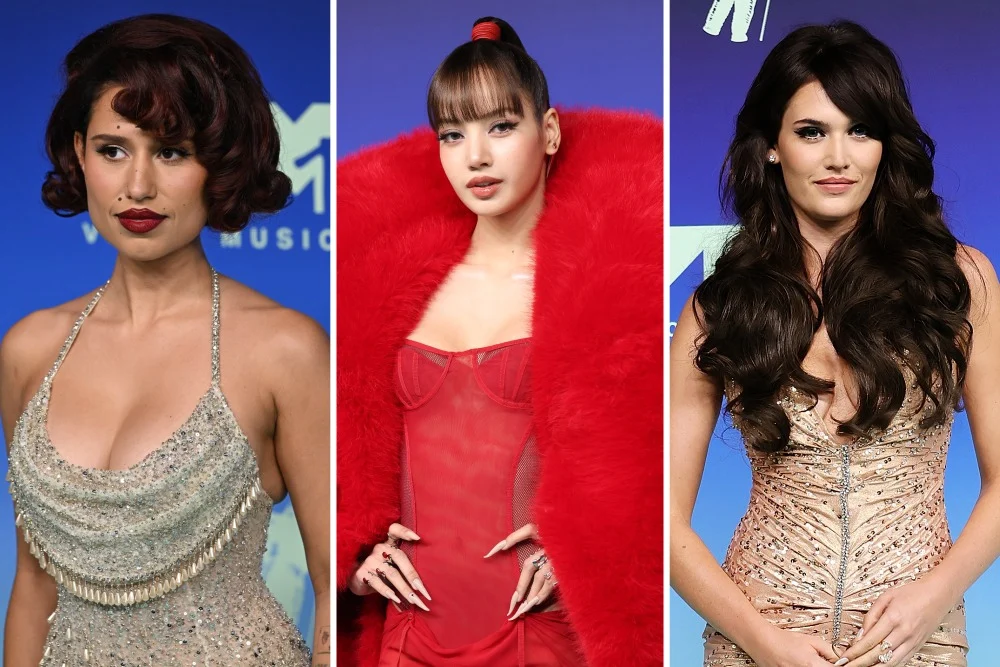
- Sunday, September 27, 2026: The grand finale arrived. Kicking off at 7:30 p.m. ET / 4:30 p.m. PT, the red carpet saw music’s biggest stars arriving in avant-garde fashion before the live-streamed and televised program commenced inside the Peacock Theater, rolling out an ambitious schedule of performances, tributes, and historic accolades.
Supporting Data and Lineup Breakdown
The 2026 VMAs boast an exceptionally diverse and star-studded roster of performers, nominees, and honorees, reflecting the multifaceted nature of the modern music industry.

Performance Lineup & Debuts
- Madonna: Making her grand return to the VMA stage after more than 20 years away, the Queen of Pop is expected to deliver a career-spanning spectacle.
- Taylor Swift: Beyond her music video premiere, Swift’s creative footprint is all over the broadcast as the recipient of the inaugural Artist-Director Award.
- Kacey Musgraves: Returning to the VMA stage for the first time in five years, Musgraves is pulling double duty by performing a sweeping tribute to Dolly Parton while also contending for Best Country for her track "Dry Spell."
- LISA: The global K-pop superstar is set to make waves by giving her brand-new single, "SaWaDiKa," its very first televised performance.
- Shaboozey & Gunna: Shaboozey will treat audiences to a solo rendition of his hit "Cowgirl," before welcoming Gunna to the stage for the inaugural live broadcast performance of their chart-climbing collaboration, "High Noon."
- RAYE & Sienna Spiro: Both powerhouse vocalists are marking their official VMAs performance debuts. RAYE will also join forces with Sombr and Teddy Swims to orchestrate a poignant musical tribute to the late George Michael.
- GENER8ION & Yung Lean: The avant-garde electronic and hip-hop pairing will take over the stage for the live world premiere of their hard-hitting track "STORM II."
Key Milestones & Awards Data
- The Vanguard Honor: 2026 marks exactly 34 years since Nirvana’s legendary, rule-breaking performance at the 1992 VMAs, making their Video Vanguard Award presentation a poetic full-circle moment for rock history.
- Geographic Shift: The return to Los Angeles at the Peacock Theater marks the first time the VMAs have been held in the city since 2017, ending a nine-year hiatus from the global entertainment hub.
- Broadcast Details: The show airs live on Sunday, September 27, at 7:30 p.m. ET / 4:30 p.m. PT, with multi-platform streaming options catering to global digital audiences.
Official Responses and Industry Reactions
The announcement and execution of the 2026 MTV VMAs have elicited an overwhelming wave of excitement, reverence, and commentary from industry insiders, participating artists, and cultural critics alike.

Music executives and producers behind the telecast have emphasized that this year’s show was meticulously curated to honor the past while violently pushing into the future of pop culture. Producers noted that booking Madonna was a multi-year endeavor, with the icon reportedly taking direct creative control over her staging to ensure her grand return matches the legendary stature of her past VMA moments—such as her iconic 1984 "Like a Virgin" performance or her 2003 stage-stealing kiss.

Taylor Swift’s recognition as the inaugural recipient of the Artist-Director Award has also sparked widespread industry discourse regarding the changing definition of a modern pop star. Long praised not only for her songwriting and vocal delivery but for her hands-on approach to directing her own music videos—culminating in cinematic achievements like All Too Well: The Short Film and now "Patient Zero"—industry analysts view the award as a formal acknowledgment of Swift’s auteur status. Representatives for Swift noted in early press statements that collaborating with cinematic titans like Dakota Johnson and Colin Farrell on "Patient Zero" represents a deliberate blurring of the lines between high-budget Hollywood filmmaking and high-rotation music television.

Furthermore, the decision to honor Nirvana with the Video Vanguard Award has resonated deeply within the rock community. Surviving members and representatives for the band expressed gratitude for the enduring legacy of their music, noting that the 1992 performance—famously marred by network censorship battles and instrument destruction—paved the way for alternative music to take center stage on mainstream pop networks like MTV.

Meanwhile, breakout and supporting acts have shared their palpable excitement across social media platforms. RAYE, speaking in pre-show interviews about her dual responsibilities of debuting on the VMA stage and honoring George Michael alongside Teddy Swims and Sombr, called the opportunity "the absolute honor of a lifetime," citing Michael’s timeless vocal mastery as a foundational influence on her own artistry.

Implications for the Music Industry and Pop Culture
As the curtain rises on the 2026 MTV Video Music Awards, the implications of this year’s broadcast stretch far beyond a single night of television ratings and trending social media hashtags.

First, the event signifies a major cultural re-centering of Los Angeles as the undisputed capital for live music spectacles. Following years of shifting venues and pandemic-era adjustments, the VMAs returning to the Peacock Theater signals a return to grand-scale theatricality in physical venues, proving that live, spectacle-driven television still holds immense power in an era dominated by on-demand streaming and fragmented media consumption.

Second, the establishment of the Artist-Director Award—inaugurated by Taylor Swift—ushers in a new paradigm for how music networks evaluate pop superstardom. As artists increasingly take control of their visual identities, writing, producing, and directing their own narrative mediums, award shows are forced to evolve. By creating a category that specifically honors directorial vision, MTV is validating the music video not just as a promotional tool for a single, but as an independent, high-art cinematic medium.

Finally, the deliberate juxtaposition of legacy acts like Madonna and Nirvana with contemporary trailblazers like LISA, Shaboozey, and RAYE demonstrates the cyclical and collaborative nature of modern pop culture. By honoring the anarchic spirit of 90s grunge and the boundary-pushing performance art of the 80s and 90s alongside the hyper-connected, genre-fluid sounds of today’s global charts, the 2026 VMAs are not merely looking backward in nostalgia. Instead, they are providing a masterclass in how musical history informs contemporary innovation—ensuring that the language of music television remains as vital, unpredictable, and culturally indispensable as it was decades ago.