Fifty years after Stephen King first unleashed his telekinetic teenage tragedy upon the literary world, Carrie White is preparing to rise from the ashes once more. This October, master of horror Mike Flanagan takes the reins of the iconic property, bringing a fresh, serialized vision of Carrie exclusively to Prime Video. Boasting a brand-new cast led by Summer H. Howell as the beleaguered prom queen, the upcoming series promises to dive deeper into the psychological torment, religious zealotry, and social cruelty that made the 1974 debut novel a timeless cornerstone of modern horror.
With all episodes scheduled to premiere on October 7, anticipation is reaching a fever pitch. As audiences prepare to revisit the blood-soaked gymnasium and the suffocating household of Margaret White, this comprehensive look explores the mechanics of Flanagan’s adaptation, the rich history of King’s source material, the legacy of previous cinematic iterations, and what this modern streaming event means for the horror genre at large.
Main Facts: The Prime Video Adaptation
The upcoming Prime Video series marks the fourth major live-action adaptation of Stephen King’s seminal novel, but it represents a historic first for the franchise: a serialized television format. Spearheaded by acclaimed horror auteur Mike Flanagan (The Haunting of Hill House, Midnight Mass), the series aims to utilize the extended runtime of television to explore the nuances of King’s novel in ways that feature films previously could not.
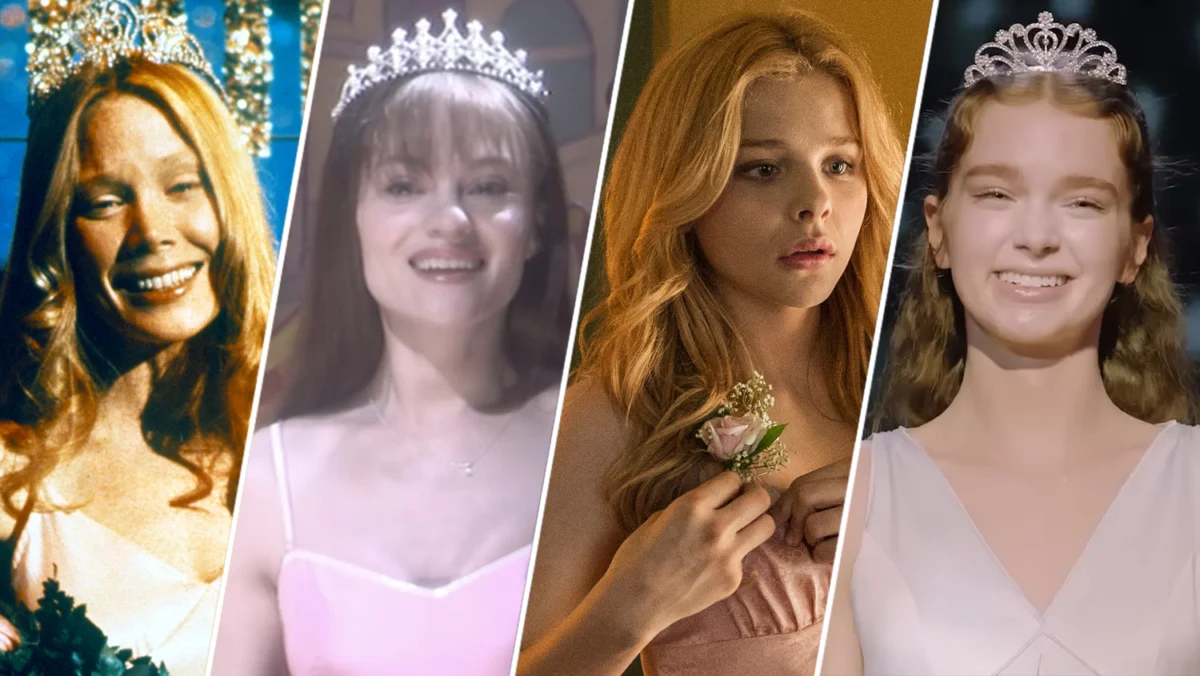
At the center of the terror is rising talent Summer H. Howell, who steps into the blood-stained shoes of Carrie White. Howell shoulders the heavy legacy of a character previously immortalized by cinematic royalty, including Sissy Spacek in Brian De Palma’s legendary 1976 feature, Angela Bettis in the 2002 television film, and Chloë Grace Moretz in Kimberly Peirce’s 2013 cinematic reimagining.

Set to premiere on October 7, the series will drop all episodes at once, catering to the modern binge-watching culture. While exact plot details regarding Flanagan’s specific deviations or expansions remain tightly under wraps, insiders and promotional materials confirm that the series will faithfully track the core narrative beats of the original text while introducing a completely contemporary, ensemble-driven approach to the iconic roster of characters, including Margaret White, Sue Snell, Tommy Ross, Chris Hargensen, and Billy Nolan.
Chronology: Fifty Years of Hellfire and Prom Queens
To understand the weight of Mike Flanagan’s new adaptation, one must trace the extraordinary trajectory of Carrie from its humble beginnings in a trailer home to a multi-media cultural phenomenon.
1974: The Birth of a Legend
Before he was a household name, Stephen King was a struggling high school English teacher living in a double-wide trailer in Maine, working on a manuscript about a bullied girl with telekinetic abilities. Frustrated with the pacing and believing the character was too unsympathetic, King crumpled up the first three pages and threw them in the trash. Fortunately, his wife, Tabitha King, fished the pages out of the wastebasket, read them, and urged her husband to finish the story. Doubleday published Carrie on April 5, 1974. Though it was a modest success initially, the paperback release transformed the novel into a blockbuster hit, launching King’s legendary literary career.
1976: Brian De Palma’s Masterpiece
Just two years after publication, director Brian De Palma adapted the novel into a cinematic masterpiece. Starring Sissy Spacek as Carrie and Piper Laurie as her fanatically religious mother, Margaret, the 1976 film became a critical and commercial smash. It earned Academy Award nominations for both Spacek and Laurie, cementing the "pig’s blood at the prom" sequence as one of the most indelible, terrifying images in cinematic history.

1988: The Broadway Stumble
In an ambitious move, the novel was adapted into a Broadway musical by the Royal Shakespeare Company. Carrie: The Musical opened in May 1988 and became one of the most expensive and notorious flops in Broadway history, closing after just 16 regular performances. However, a heavily revised off-Broadway revival in 2012 achieved cult status, proving the story’s music and themes could resonate under the right conditions.
1999–2002: Sequels and Remakes
In 1999, Hollywood attempted a theatrical sequel titled The Rage: Carrie 2, which focused on another telekinetic teenager connected to the original events. While it featured a returning Betty Buckley as gym teacher Miss Collins, it failed to capture the magic of the original. A few years later, in 2002, NBC broadcast a made-for-television movie adaptation starring Angela Bettis. While lower in budget, Bettis’s performance was widely praised for bringing a deeply vulnerable, tragic edge to the character that more closely mirrored King’s written description.
2013: The Modern Redux
Director Kimberly Peirce brought Carrie back to the big screen in 2013, starring Chloë Grace Moretz as Carrie and Julianne Moore as Margaret. This version leaned heavily into modern themes of cyberbullying and digital humiliation, updating the narrative for the 21st century while retaining the explosive, fiery climax.
2025: The Flanagan Era
Now, exactly half a century after the novel’s publication, the torch passes to Mike Flanagan. Known for his deeply empathetic, character-driven approach to horror, Flanagan’s iteration is poised to redefine the property for the streaming age, ensuring that Carrie continues to haunt new generations of viewers.

Supporting Data: The Anatomy of a Tragedy
At its core, Carrie endures because its supernatural elements serve as a visceral metaphor for real-world traumas: adolescent isolation, religious abuse, bullying, and bodily autonomy. Examining the core framework of the story reveals why it remains eternally relevant.
The Characters and the Conflict
- Carrie White: A shy, ostracized high school student who is entirely unversed in the ways of the world due to the extreme isolation imposed by her mother. Her latent telekinesis (or "telekinesis as a developmental milestone") manifests during periods of extreme emotional stress.
- Margaret White: Carrie’s mother, a fanatical religious zealot who views womanhood and natural bodily changes as inherently sinful, weaponizing scripture to abuse and control her daughter.
- Sue Snell: A popular high schooler who participates in a cruel bullying incident against Carrie in the showers, but later experiences genuine remorse. Seeking redemption, she convinces her boyfriend, Tommy Ross, to take Carrie to the prom.
- Tommy Ross: A well-liked, compassionate athlete and poet who agrees to escort Carrie to the prom as a kindness to Sue, hoping to give the outcast a night of normalcy.
- Chris Hargensen and Billy Nolan: The primary antagonists. Chris, barred from the prom for her relentless bullying, teams up with her delinquent boyfriend, Billy, to rig a prank involving buckets of slaughtered pig’s blood, setting the stage for the ultimate massacre.
Box Office and Cultural Impact of Past Adaptations
| Adaptation | Year | Medium | Critical/Cultural Reception |
|---|---|---|---|
| Carrie (De Palma) | 1976 | Feature Film | Iconic status; 2 Oscar nominations; established the modern horror blueprint. |
| The Rage: Carrie 2 | 1999 | Feature Film | Box office disappointment; cult following for its gore. |
| Carrie (Carson) | 2002 | TV Movie | Cult favorite; praised for Angela Bettis’s nuanced performance. |
| Carrie (Peirce) | 2013 | Feature Film | Moderate box office success ($84M worldwide); modernized bullying themes. |
| Carrie (Flanagan) | 2025 | TV Series (Prime Video) | Highly anticipated streaming event focusing on serial depth. |
Official Responses: Behind the Scenes of the New Adaptation
Bringing a sacred text like Stephen King’s Carrie to the screen comes with immense pressure. Fortunately, the creative team behind the Prime Video series has approached the project with reverence, caution, and a clear artistic vision.
In interviews leading up to the October release, showrunner Mike Flanagan discussed the unique challenges of adapting a novel that has already been definitive defined on film. Rather than attempting to rewrite or completely subvert the 1976 classic, Flanagan noted that the episodic format allows the production to honor King’s text more completely.
"When you have eight episodes instead of two hours, you don’t have to rush the tragedy," Flanagan explained in production notes. "You get to sit with these kids. You get to understand the architecture of high school cruelty, the devastating pressure of Margaret’s household, and the quiet, heartbreaking moments of a girl who just wants to belong."

Perhaps one of the most talked-about decisions during pre-production was made regarding the series’ lead star. In a surprising move, Summer H. Howell revealed that she and Mike Flanagan mutually agreed that she should not watch Brian De Palma’s 1976 masterpiece before filming began.
Reflecting on this choice during a press appearance at the Toronto International Film Festival, Howell explained:
"Mike and I agreed it was better for me not to watch the 1976 movie first. Sissy Spacek’s performance is so iconic, and it’s practically baked into pop culture. But we didn’t want me to be subconsciously mimicking another actor’s choices. We wanted this Carrie to be entirely born from the pages of Stephen King’s book and from my own connection to the character."
This deliberate separation from cinematic history allowed Howell to construct a wholly original interpretation of Carrie White—one that captures the raw, unfiltered vulnerability of a teenager pushed past the breaking point.

Implications: What the Prime Video Series Means for Modern Horror
The release of Prime Video’s Carrie carries significant implications for both the horror genre and the current television landscape. As Hollywood continues to lean heavily into intellectual property and nostalgic revivals, Flanagan’s project serves as a masterclass in how to approach a classic property with artistic integrity.
1. The Death of the "Quick Cash-Grab" Remake
For years, horror remakes earned a cynical reputation as lazy, low-effort cash grabs designed to exploit brand recognition. However, the involvement of a prestige horror auteur like Mike Flanagan elevates Carrie into the realm of elevated television. By treating King’s novel with the literary weight it deserves, the series sets a new standard for how classic horror literature should be translated for modern streaming platforms.
2. The Resurgence of the Character-Driven Thriller
In an era dominated by high-concept spectacle and jump-scare-heavy franchises, Carrie reminds audiences that the most terrifying monsters are born from human cruelty. By utilizing a multi-episode format, the series highlights the systemic failures of authority figures—teachers, parents, and peers—who ignore the warning signs until it is too late. This thematic depth ensures that the horror resonates on an emotional and psychological level long after the credits roll.
3. A Defining Moment for Rising Talent
For Summer H. Howell, stepping into the role of Carrie White is a career-defining moment. Just as the role catapulted Sissy Spacek to superstardom in the 1970s, Howell’s performance is poised to introduce her to a global audience, cementing her status as one of the most promising young actors working in the genre today.

Conclusion: A Date with Destiny
As the leaves begin to turn and the chill of autumn sets in, horror fans around the world are clearing their schedules for October 7. Fifty years after Stephen King first gave life to the outcast of Blackation, Maine, the story of Carrie White remains as vital, painful, and terrifying as ever.
Under the careful guidance of Mike Flanagan and brought to life by a fearless cast led by Summer H. Howell, Prime Video’s Carrie promises to be more than just a nostalgic trip down memory lane. It is a resurrection of a literary titan—a reminder that while we may try to lock our demons away in closets or suppress our true selves to appease the world, what has been broken will eventually find a way to strike back. Prepare yourselves: prom night is coming early this year, and no one will be spared the fire.