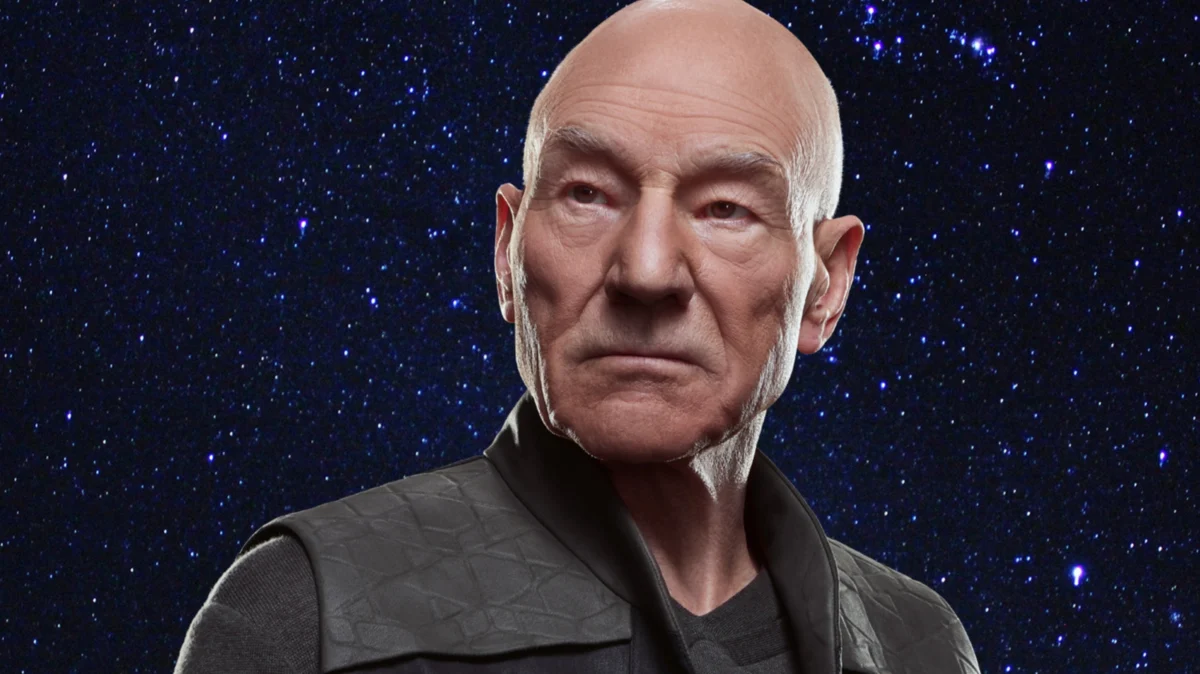
LOS ANGELES — The entertainment world is in deep mourning following the death of Sir Patrick Stewart, the classically trained British titan whose commanding presence, unmistakable voice, and profound intellect shaped some of the most iconic characters in modern science fiction and theatrical history. Stewart passed away peacefully on Wednesday at his home in Los Angeles, California. He was 86 years old.
According to a statement released by his family, the legendary actor died following what they termed “a brief and poignant journey with Alzheimer’s Disease and Lewy Body Dementia.”
In a career spanning over six decades, Stewart transitioned effortlessly from the hallowed stages of the Royal Shakespeare Company to the gleaming bridge of the U.S.S. Enterprise, capturing the hearts of millions and leaving an indelible mark on popular culture. As tributes pour in from co-stars, filmmakers, studios, and devoted fans across the globe, the entertainment industry reflects on the immense legacy of a true gentleman and a monumental talent.
Main Facts: The Passing of an Icon
Sir Patrick Stewart’s death marks the end of an era for both traditional theater and blockbuster science fiction franchises.
- Date and Location of Death: Wednesday, at his home in Los Angeles, California.
- Cause of Death: Complications related to Alzheimer’s Disease and Lewy Body Dementia, following a brief diagnosis.
- Surviving Family: He is survived by his wife, Sunny Ozell, as well as his children from previous relationships.
- Signature Roles: Best known globally for portraying Captain Jean-Luc Picard in Star Trek: The Next Generation and its subsequent films and television spin-offs, as well as Professor Charles Xavier (Professor X) in the X-Men film franchise.
- Accolades: A multi-award-winning stage and screen actor, Stewart was knighted by Queen Elizabeth II in 2010 for his services to drama.
The news of his passing has hit the international community particularly hard, coming on the heels of other recent losses within the classic Star Trek family, compounding a week of profound sorrow for science fiction enthusiasts.
Chronology: A Storied Life and Career
To understand the magnitude of Sir Patrick Stewart’s cultural footprint, one must look back at a remarkable trajectory that began in the industrial towns of Northern England and stretched to the pinnacle of Hollywood stardom.
Early Life and Theatrical Beginnings (1940–1980s)
Born in Mirfield, Yorkshire, England, on July 13, 1940, Stewart’s early life was marked by poverty and domestic hardship, experiences he frequently credited with driving his intense work ethic. He found salvation in acting during his school years and eventually joined the Bristol Old Vic Theatre School.
By the late 1960s, Stewart had become a core member of the prestigious Royal Shakespeare Company (RSC). For two decades, he established himself as one of the preeminent classical stage actors of his generation, touring the world and tackling heavy dramatic roles in works by Shakespeare, Ibsen, and Beckett. His booming, resonant voice and razor-sharp diction became his trademarks.
The Breakthrough: Star Trek: The Next Generation (1987–1994)
In 1987, American television producer Gene Roddenberry cast the classically trained British theater actor as Captain Jean-Luc Picard for a syndicated revival of his landmark 1960s series. Initially met with skepticism by purists who doubted a Shakespearean actor could anchor a sci-fi show—and by traditionalists who worried the show would fail without the original cast—Stewart quickly turned Star Trek: The Next Generation (TNG) into a cultural phenomenon.
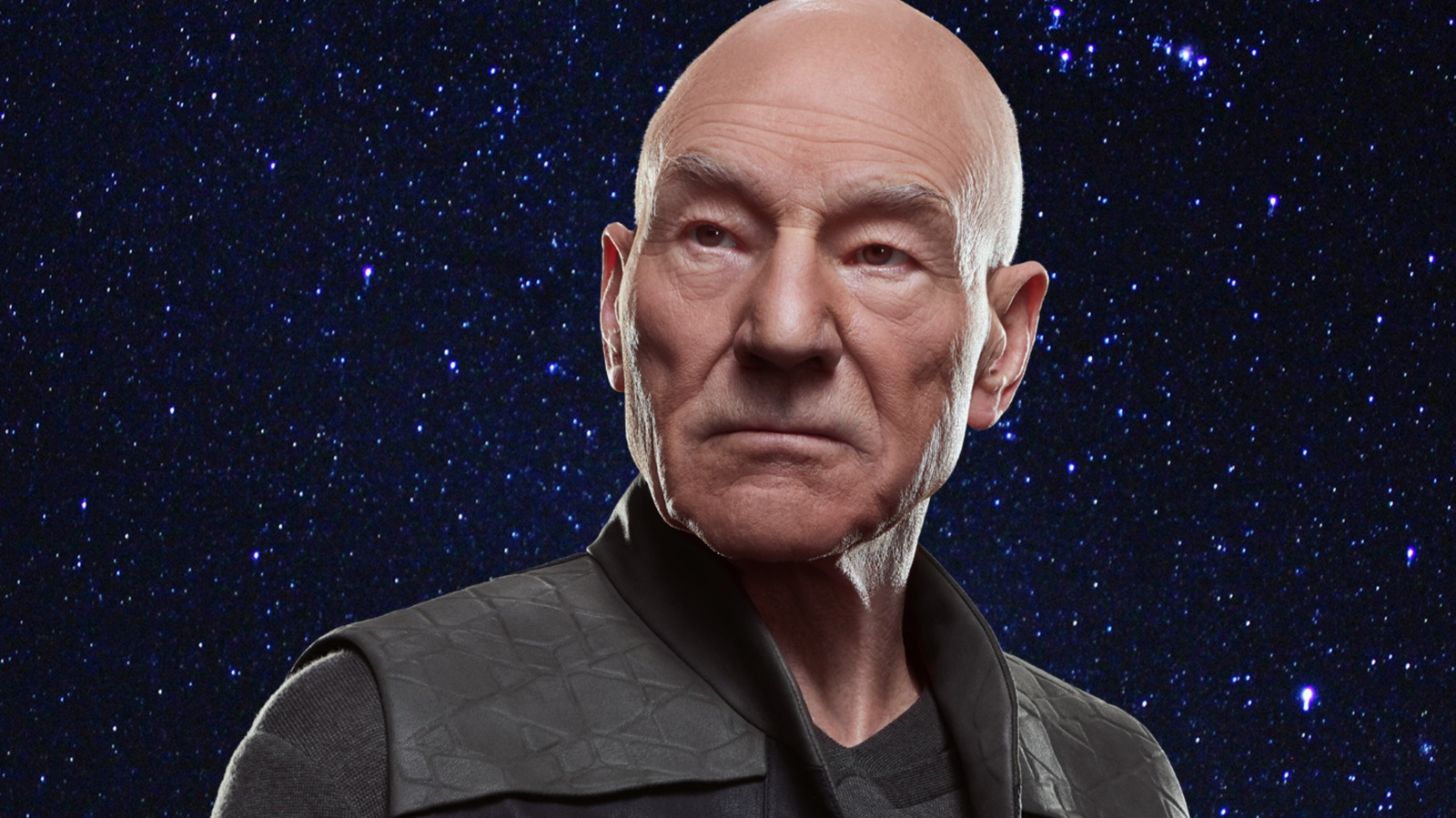
As Picard, Stewart infused the captaincy of the Enterprise-D with philosophical depth, diplomatic grace, moral fortitude, and quiet authority. TNG ran for seven seasons, cementing itself as a pillar of modern television and turning Stewart into a household name. He would reprise the role in four feature films (Star Trek: Generations, First Contact, Insurrection, and Nemesis) and later return to the character in the critically acclaimed Paramount+ streaming series Star Trek: Picard (2020–2023).
Comic Book Royalty: Entering the Marvel Universe (2000–Present)
Just as his tenure with Star Trek seemed to define the outer limits of his career, Stewart reinvented himself for a new millennium by taking on the role of Professor Charles Xavier in Bryan Singer’s X-Men (2000).
Playing the wheelchair-bound, telepathic leader of a school for mutants, Stewart brought the same gravity, empathy, and intellectual weight to the comic book adaptation that he had brought to Shakespearean royalty. He reprised the role across multiple sequels, culminating in his critically lauded, heartbreaking performance in James Mangold’s Logan (2017) and later cameo appearances within the broader Marvel Cinematic Universe.
Supporting Data: A Career in Numbers and Accolades
Sir Patrick Stewart’s professional resume is as diverse as it is extensive, bridging high-brow theatrical productions with mainstream pop culture giants:
- Television and Film Credits: Over 150 screen credits, spanning live-action dramas, comedies, voice-acting roles, and blockbuster franchises.
- Theatrical Productions: Dozens of stage performances with the Royal Shakespeare Company, London’s West End, and Broadway, including acclaimed runs of Macbeth, The Tempest, and A Christmas Carol.
- Voice Work: Renowned for distinctive voice-acting contributions, including the cynical CIA deputy director Avery Bullock on Fox’s animated sitcom American Dad! and various video game and narration projects.
- Awards and Honors: Multiple Emmy, Golden Globe, Screen Actors Guild, and Laurence Olivier Award nominations and wins. He was appointed an Officer of the Order of the British Empire (OBE) in 2001 and knighted in the 2010 New Year Honours for services to drama.
Official Responses and Tributes
Following the announcement of his passing, Hollywood, the global theater community, and generations of fans flooded social media and entertainment news outlets with heartfelt remembrances.
Co-Stars and Colleagues Speak Out
Jonathan Frakes, who spent seven seasons playing Commander William T. Riker opposite Stewart on The Next Generation, reposted Stewart’s official family death notice to his Instagram story, accompanied by the simple, poignant message: "Rest in peace my friend."
William Shatner, who portrayed Captain James T. Kirk and famously crossed paths with Stewart in the 1994 feature film Star Trek: Generations, shared a deeply emotional tribute on Instagram alongside a warm photograph of the two men.
"What a heartbreaking week it has been," Shatner wrote. "From the stage to the bridge of the Enterprise, he brought intelligence, grace, and a deep sense of humanity to everything he did. Captain Picard stood for the best of us, and so did the man who played him. I was filled with affection and admiration for him and his work. My heart goes out to Sunny and his family. He will be deeply missed."
Scott Grimes, who worked alongside Stewart on the animated series American Dad!, posted a comparative image of Stewart and his animated counterpart, Avery Bullock.
"It was an absolute pleasure, captain," Grimes wrote.
Major Studio Statements
Corporate tributes highlighted Stewart’s massive impact on intellectual properties that shaped global entertainment for decades.
Marvel Studios released an official statement recognizing his monumental contribution to the superhero genre:
"Sir Patrick brought Professor Charles Xavier to life with extraordinary grace, intelligence, and humanity, defining the character for generations of fans, from X-Men to Logan to Avengers: Doomsday. He was a singular talent, a generous collaborator, and a true gentleman. Our hearts go out to his wife Sunny, his children, his friends, and the countless fans around the world whose lives he touched with his art."
Paramount, the home of the Star Trek franchise, echoed these sentiments, noting that Stewart elevated science fiction television into a vehicle for philosophical inquiry, ethical debate, and profound human storytelling.
Implications: The End of an Era for Sci-Fi and Theater
The passing of Sir Patrick Stewart leaves a vast vacuum in both the classical acting community and the expansive sci-fi fandom that adopted him as one of its ultimate standard-bearers.
- The Passing of the Golden Generation of Star Trek: Stewart’s death follows the recent passing of other franchise luminaries, signaling a melancholic transition for a generation of fans who grew up watching the original casts of The Original Series and The Next Generation shape modern television mythos.
- Redefining Genre Acting: Stewart proved that brilliant actors do not need to "slum it" when crossing over into science fiction or comic book adaptations. By treating genre material with the exact same rigorous discipline, psychological depth, and emotional honesty he applied to classical theater, he elevated the artistic credibility of science fiction as a whole.
- An Inspiration to Aspiring Artists: From his humble working-class roots in Yorkshire to the highest echelons of British theater and Hollywood blockbusters, Stewart’s life story remains an inspiration—demonstrating that art, dedication, and intellectual curiosity can transcend any background.
As flags lower and fans share their favorite episodes, films, and stage moments across digital networks, the legacy of Sir Patrick Stewart remains secure. Whether commanding the Enterprise through an unknown sector of space, guiding mutant youth through a prejudiced world, or delivering Shakespearean soliloquies to spellbound audiences, Sir Patrick Stewart ensured that his voice will echo across the stars for generations to come.