By the PC Gamer Special Investigations Desk
⚠️ CRITICAL SPOILER WARNING: The following investigative breakdown contains exhaustive narrative details, specific structural pathways, and deep-dive analyses concerning the conclusion of Rockstar Games’ blockbuster title, Grand Theft Auto VI. Reader discretion is strongly advised.
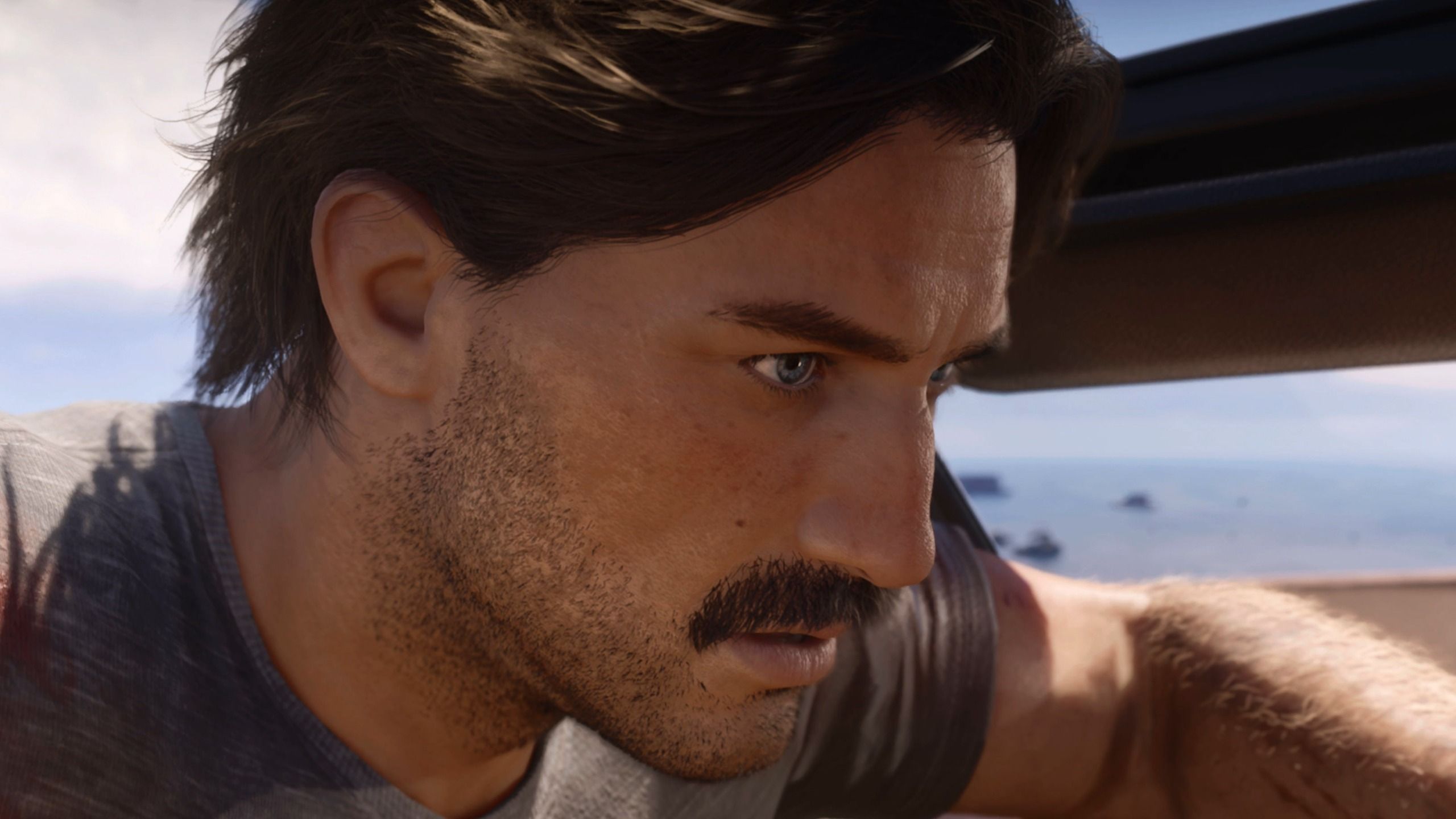
Main Facts: The Architecture of Choice in Vice City
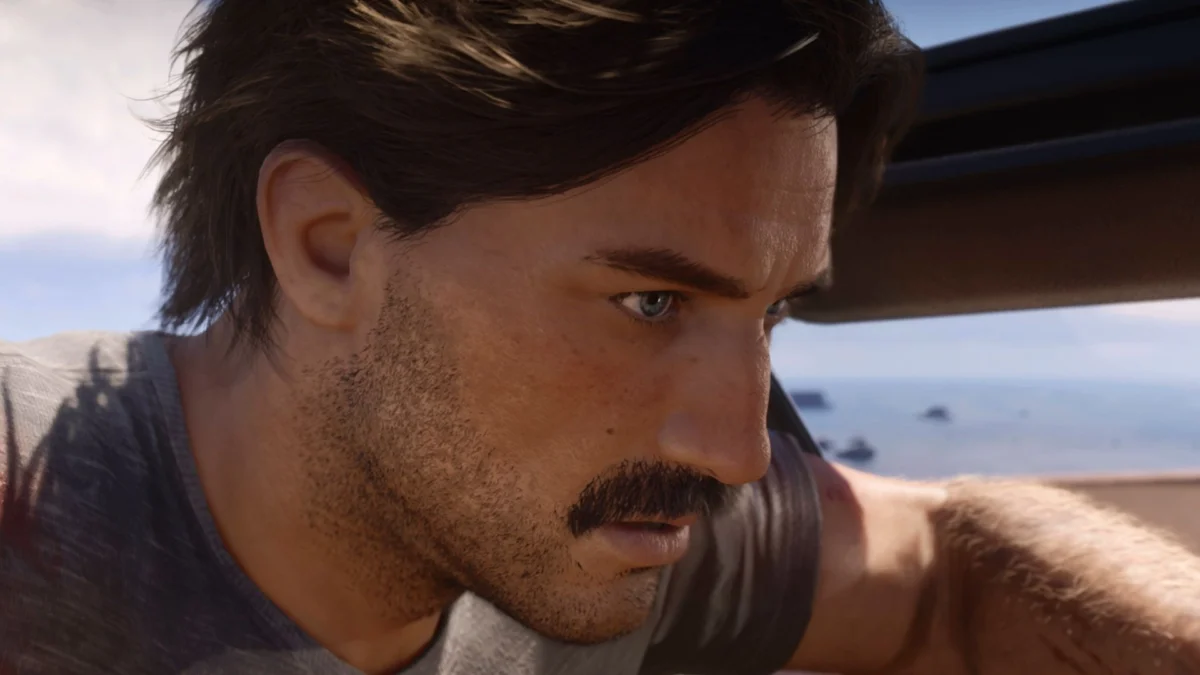
For over two decades, Rockstar Games has shaped the modern open-world genre, yet the studio has traditionally adhered to relatively linear storytelling frameworks punctuated by binary choices. With the release of Grand Theft Auto VI, however, the developers have upended franchise tradition. The conclusion of Jason and Lucia’s high-stakes criminal saga is no longer a simple, fixed cinematic payoff. Instead, GTA VI introduces a sprawling, interconnected web of endings dictated by an intricate matrix of dynamic variables.
According to community discoveries and extensive post-launch playthrough analyses, the final resolution of the narrative is determined by four core metrics accumulated throughout the entire campaign:
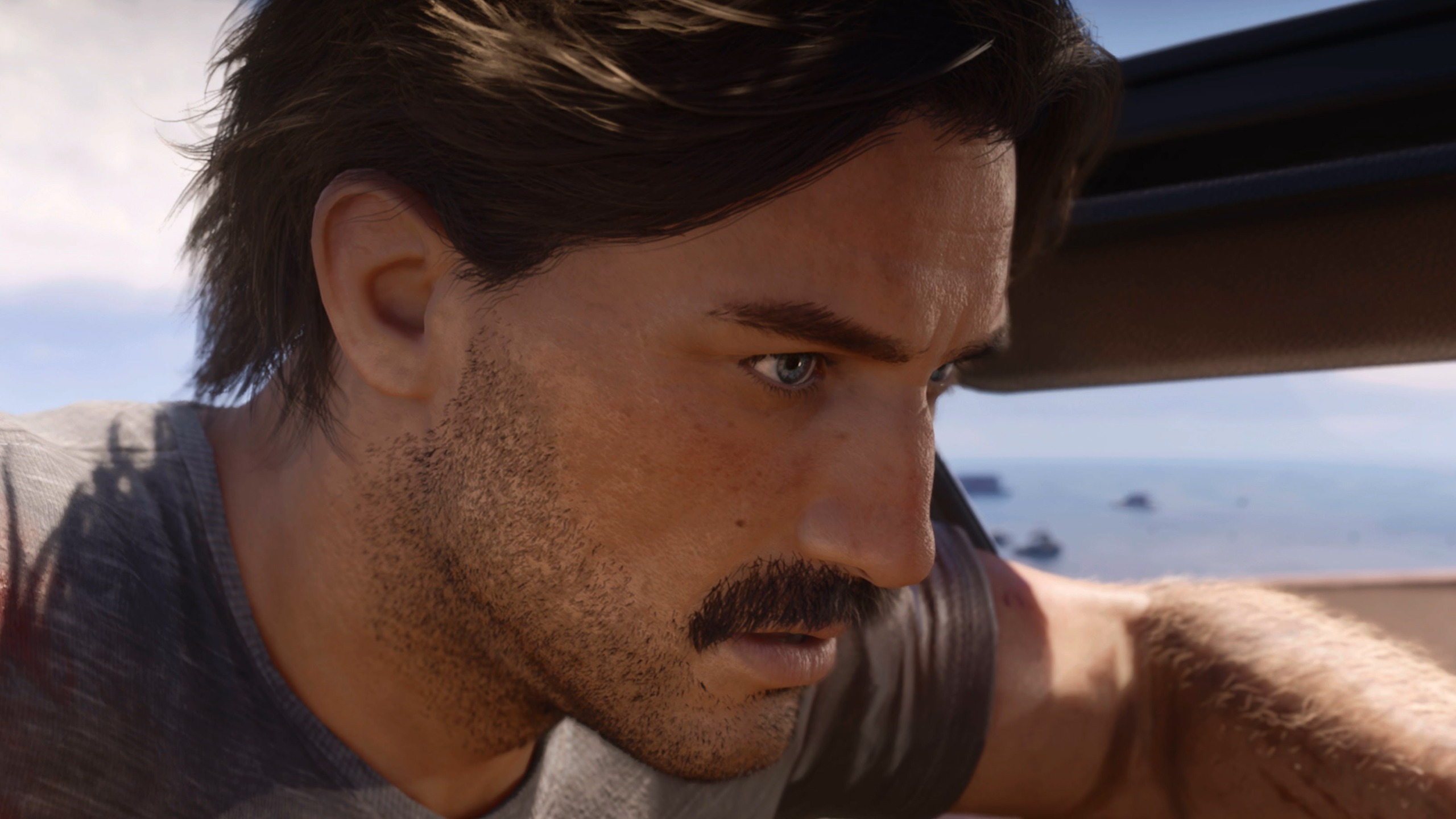
- The Final Mission Decisions: Split-second, high-stress prompts encountered during the climax at Georgio’s tower and the subsequent flight across Key Lento.
- The Romance Meter: The emotional stability and relational standing between protagonists Jason and Lucia, managed through optional side activities, dialogue choices, and cooperative missions.
- Criminal Profiles & Honor Systems: The player-driven behavioral metrics that categorize the protagonists’ operational style—ranging from reckless, violent combatants to calculating professionals.
- Liquid Assets and Savings: The monetary reserves secured during major heists, safehouse stashes, and side-ventures, which directly influence legal representation, plea deals, and post-imprisonment survival.
Because these factors ripple backward and forward through dozens of hours of gameplay, experiencing the full spectrum of GTA VI‘s narrative requires entirely distinct playthroughs rather than mere mission replays. From tragic, Shakespearean standoffs reminiscent of classic cinematic noir to surprisingly domestic, bittersweet resolutions, GTA VI offers an unprecedented nine distinct narrative conclusions.
Chronology: The Divergent Paths of the Final Act
The structural divergence of GTA VI hinges on two primary geographical nodes during the game’s explosive final hours: The Tower Confrontation at the base of Georgio’s skyscraper, and The Bridge Blockade in Key Lento.
Phase One: The Tower Confrontation
If the player fails to cultivate a resilient romance meter or actively opts to sever ties during the setup mission "Protective Custody," the narrative cuts short of the bridge sequence. Players find themselves trapped at the base of Georgio’s tower, surrounded by heavy police response following an intense firefight. Here, the narrative splits into three distinct sub-branches based on split-second combat decisions and underlying criminal profiles:
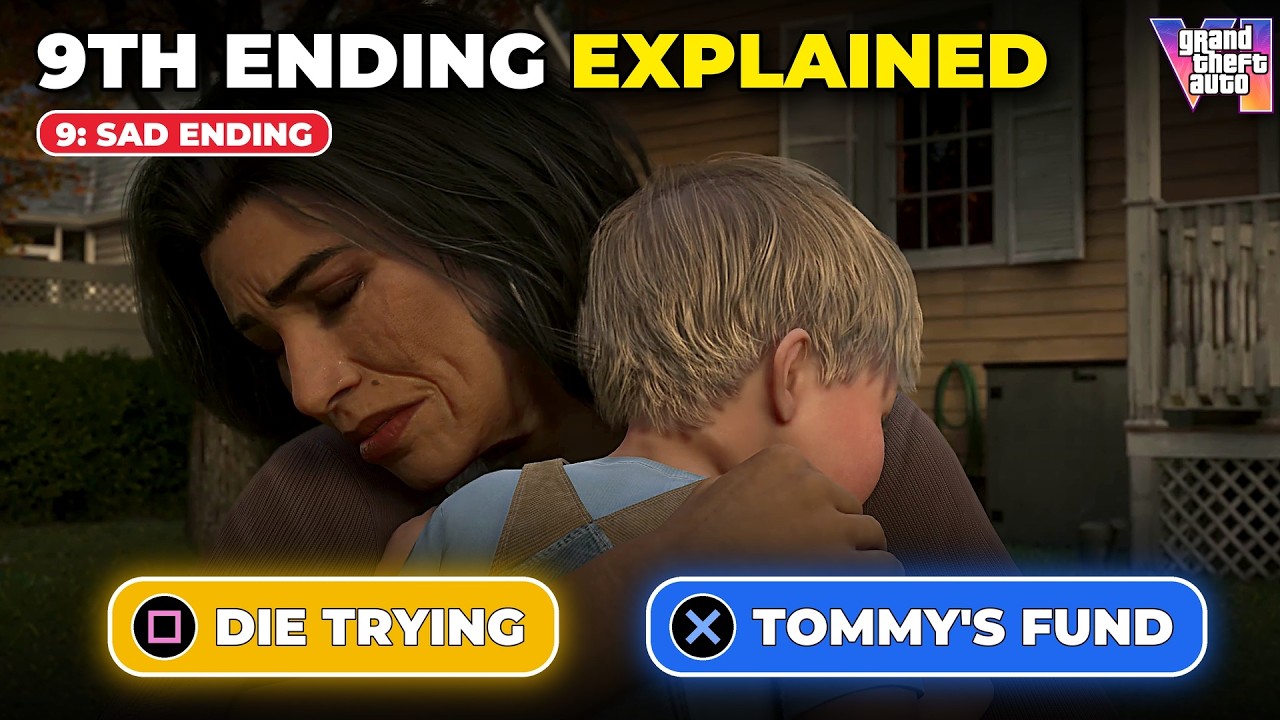
- Ending 6 (Stay Down): When police open fire and Jason physically shoves Lucia out of the line of fire, taking a fatal volley of bullets, Lucia chooses to "Stay Down." She watches Jason die, accepts a federal plea deal, visits young Tomas at her aunt’s residence, and ultimately reverts to her criminal roots, picking up a firearm to stage a solo diner robbery.
- Ending 7 (Defend Jason): In this emotionally intense variation of the tower standoff, Lucia chooses to "Defend Jason" rather than comply with the authorities. Engaging the police alongside her partner, both protagonists are cut down in a blaze of gunfire, dying side-by-side.
- Ending 8 (Jason Escapes): During the chaotic descent from the upper floors of the tower, Jason goes rogue and flees the scene independently. Lucia is arrested and subsequently takes a plea deal, settling into a quiet life working at a local diner while raising Tomas with her extended family. One evening, a mysterious bag of cash is left on her porch, accompanied by a cryptic visual tease of Jason driving away into the horizon alongside Rocco—the eccentric drug-sniffing dog encountered earlier in the campaign.
- Ending 9 (Make a Deal — The Darkest Ending): If players negotiate directly with the syndicate antagonist Mendez after defeating him, the climax subverts expectations. Upon reaching the bottom of the tower, rather than facing standard law enforcement, Mendez’s private detail intercepts the couple, abducting them to the remote Florida swamplands. The credits roll over a chillingly bleak cinematic: two human skulls resting side-by-side in the murky water, each bearing a single, execution-style bullet hole. Industry analysts speculate this path requires specific non-professional criminal profiles to trigger.
Phase Two: The Bridge Sequence
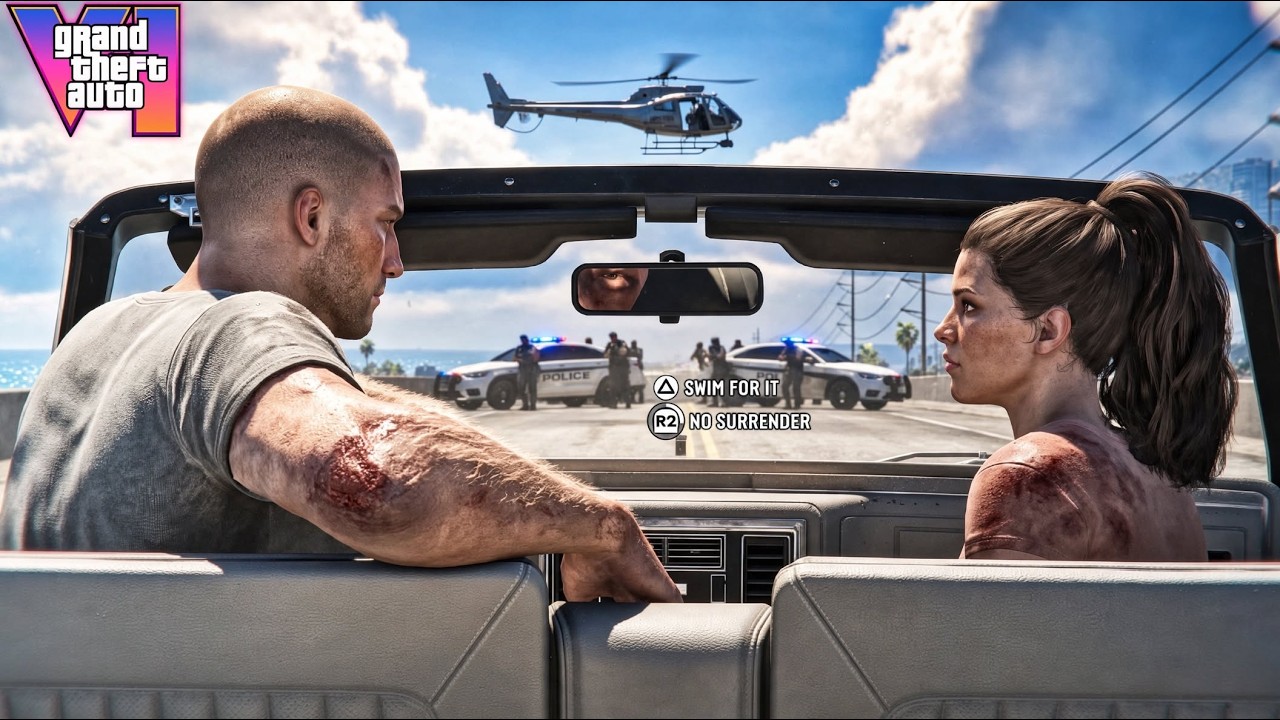
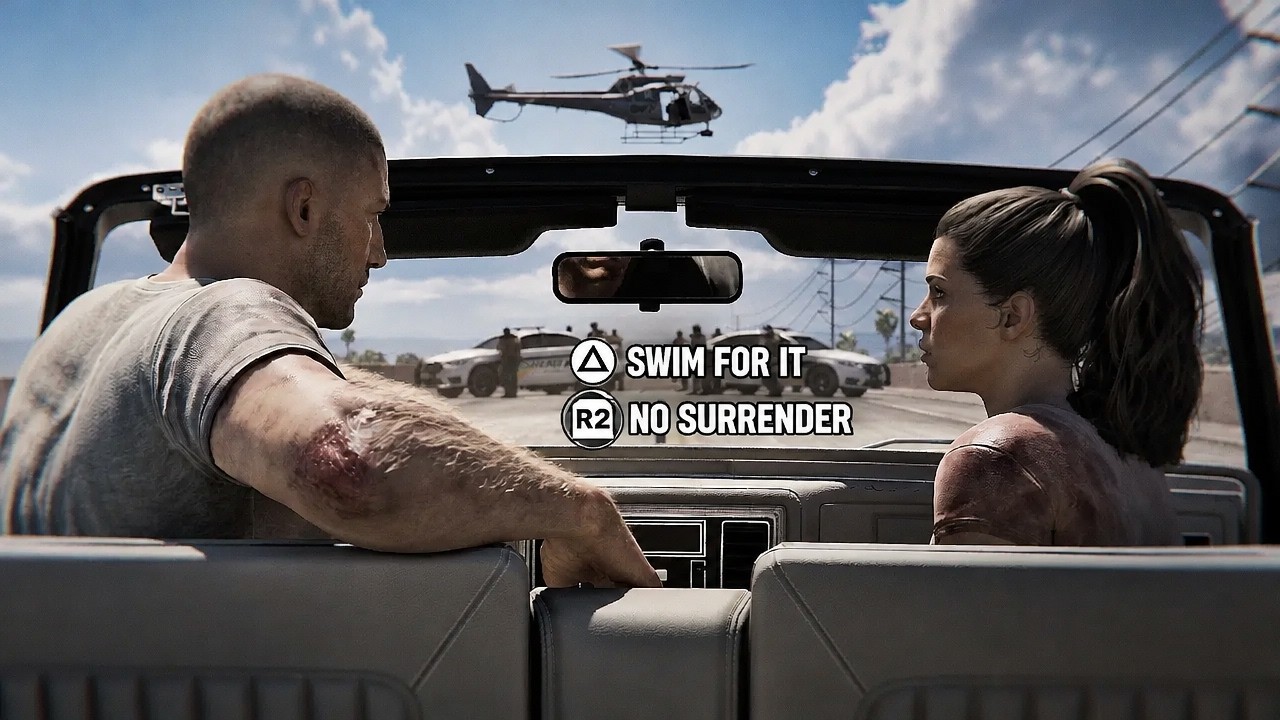
If Jason and Lucia maintain a strong romantic bond, they eliminate Mendez, recover the encrypted hard drive from Georgio’s penthouse, and successfully navigate to Key Lento to rendezvous with a contact named Cal. Upon discovering Cal has been compromised, they flee toward the bridge, only to find the Florida Highway Patrol and local law enforcement has established an insurmountable blockade.
At this juncture, the game pauses for a critical binary prompt: "Swim For It" or "No Surrender."
- Ending 1 (No Surrender): Choosing to force the roadblock results in a tragic, Bonnie and Clyde-esque shootout. Both Jason and Lucia are killed by police fire while holding hands. The epilogue reveals that their son, Tomas, is raised safely and happily by Lucia’s aunt and uncle.
- Ending 2 (No Surrender + $2 Million): Operating identically to Ending 1 in its fatal conclusion, this path factors in accumulated wealth. Because the player successfully stockpiled a $2 million savings reserve, their defense attorney, Abe, delivers the hidden funds directly to Lucia’s family. Tomas grows up in substantially elevated comfort, residing in a significantly larger estate during the credit sequences.
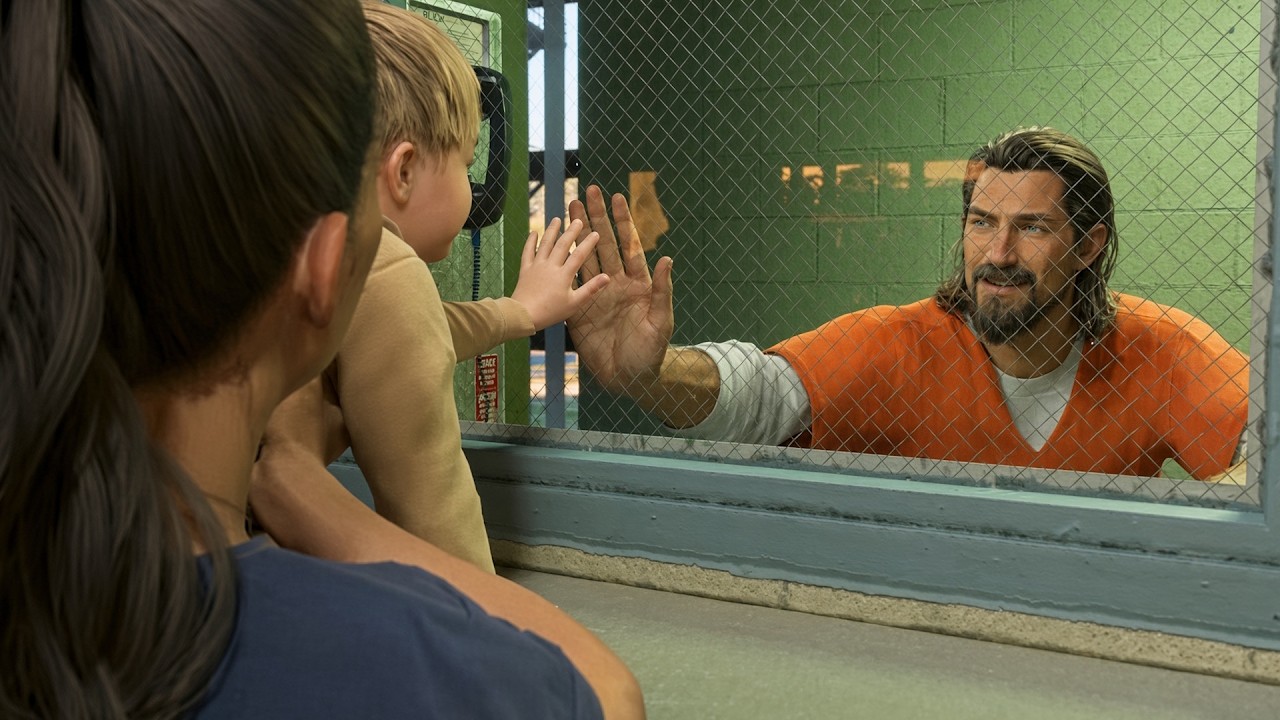
- Ending 3 (Swim for It): Selecting the aquatic escape triggers a secondary moral choice. When Jason exits the vehicle, Lucia must choose whether to exit alongside him or remain passive. In this specific variation, Lucia exits without weaponry, diving into the water while Jason stays behind to draw the police away, resulting in his arrest. Lucia secures federal immunity through a cooperation deal, takes a modest job at a diner, and is forced to orchestrate prison visitations where young Tomas can only view his father through a protective glass partition.
- Ending 4 (Swim for It — Don’t Exit): If Jason exits the vehicle armed to cover their escape, but Lucia changes her mind and remains inside the vehicle paralyzed by indecision, the police open fire instantly. Both protagonists are killed, and Tomas is placed in the care of Lucia’s extended family.
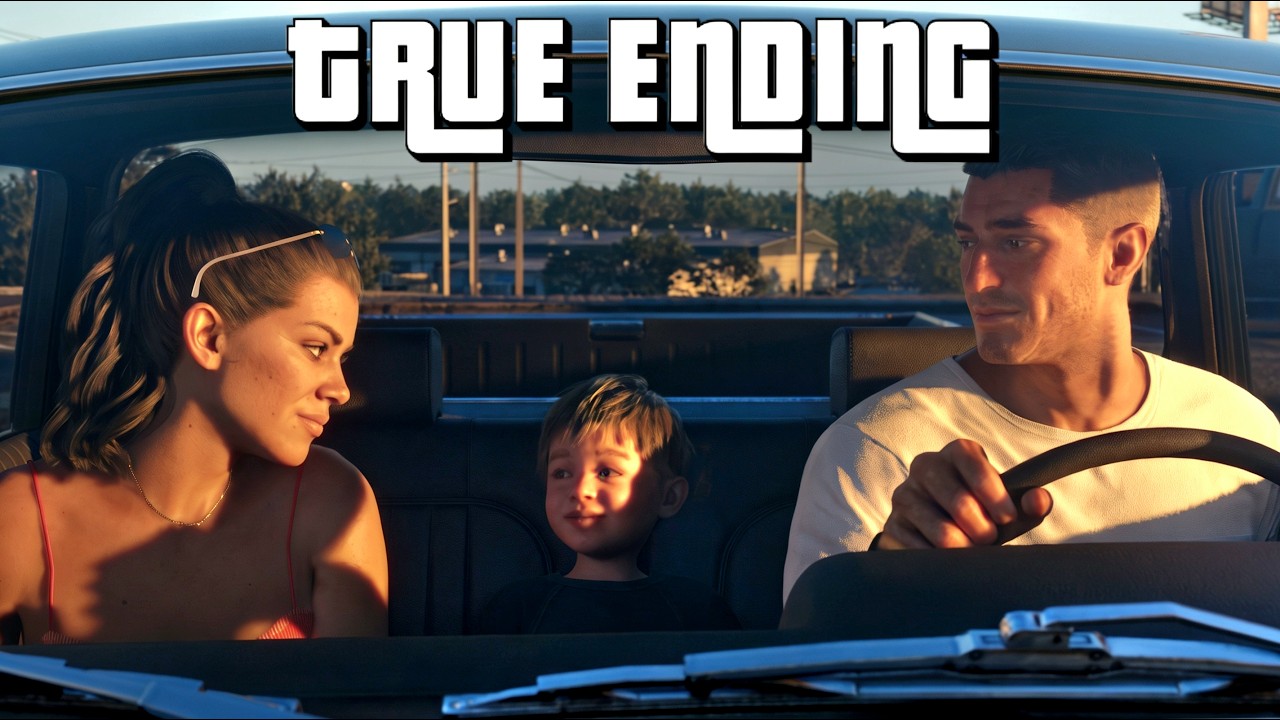
- Ending 5 (Swim for It + Exit + $2 Million — The Happiest Ending): Widely celebrated by the community as the "True Ending," this path requires optimal romance metrics, a cooperative split during the bridge escape, and a heavily funded bank account. Jason is arrested on the bridge while Lucia escapes into the water. Two years later, utilizing the massive $2 million reserve fund secured throughout the criminal enterprise, Lucia successfully finances high-tier legal representation to overturn Jason’s sentence. The game concludes on a remarkably warm note: Lucia picks up a newly released Jason from prison, where he embraces and holds young Tomas’s hand for the very first time outside of a glass partition.
Supporting Data: Statistical Distribution of Player Choices
While official telemetry data from Rockstar Games remains unreleased as of publication, community aggregation platforms, streaming metrics, and dedicated speedrunning forums provide a fascinating look at how players are interacting with GTA VI’s complex narrative maze.
- The Popularity of Resolution: Initial data suggests that roughly 41% of players stumble into the fatal "No Surrender" bridge outcomes on their first playthrough, largely due to natural inclinations toward aggressive confrontation ingrained by previous titles in the franchise.
- The Economic Impact: Players who achieve Ending 5 (The Happiest Ending) represent a distinct minority—estimated at roughly 12% of the active player base. This is attributed to the grueling economic grind required to amass the necessary $2 million while simultaneously balancing the precise romance-tracking dialogue trees.
- The Grim Reality: The pitch-black swamp execution (Ending 9) has proven to be the least organically discovered conclusion, with fewer than 4% of players unlocking it naturally without external guide intervention, reinforcing Rockstar’s intent to punish players who attempt to out-cunning the underworld syndicates.
Official Responses and Developer Intent
Rockstar Games has maintained its characteristic air of tight-lipped mystique regarding the narrative mechanics of Grand Theft Auto VI. However, lead writers and narrative designers have dropped subtle hints in pre-launch developer diaries regarding the emotional weight they intended to anchor the protagonists in.
In an interview with gaming trade publications prior to launch, senior narrative leads emphasized that Vice City was designed not merely as a playground for chaos, but as a pressure cooker designed to test human relationships under duress.
"We wanted to move past the simple sandbox anarchy of past entries," a lead writer noted regarding the character dynamics. "When you introduce genuine familial stakes—a child like Tomas, a deep romantic interdependence—every criminal act carries a moral and emotional toll. The city doesn’t just judge your driving or your shootouts; it judges your loyalty."
Rockstar has neither confirmed nor denied the existence of hidden, community-dubbed "secret" endings, though quality assurance leaks and data-mined strings indicate that the nine primary branches thoroughly map out the core narrative possibilities currently baked into the game’s code.
Implications: What GTA VI‘s Endings Mean for the Future of Open-World Design
The implementation of a deeply branching, consequence-heavy multi-ending structure in Grand Theft Auto VI marks a watershed moment for AAA open-world game design. For decades, the genre has struggled with what ludologists call "narrative dissonance"—the jarring disconnect between a protagonist acting as a ruthless mass murderer in free-roam gameplay and a sensitive, family-oriented hero during scripted cutscenes.
By tying the final fate of Jason and Lucia directly to accumulated criminal profiles, financial discipline, and interpersonal relationship metrics, Rockstar has effectively bridged the gap between open-world freedom and narrative consequence.

- Replayability Redefined: Traditional open-world games rely on side quests and collectible hunts to drive post-campaign engagement. GTA VI, by contrast, encourages entirely new structural playthroughs, compelling players to adopt different moral philosophies (the calculating professional versus the reckless outlaw) to see how Vice City reshapes its inhabitants.
- The Death of the Canon: By offering conclusions ranging from complete domestic redemption to execution in a desolate swamp, Rockstar intentionally avoids establishing a single, definitive "canon" fate for its antiheroes. This narrative ambiguity invites vibrant community debate, fan fiction, and theoretical analysis that keeps the title culturally relevant long after the credits roll.
As players continue to scour the swamps, skyscrapers, and neon-lit avenues of Vice City for unseen variables, Grand Theft Auto VI has firmly established that the most dangerous weapon in the criminal underworld isn’t an assault rifle or a getaway car—it’s the weight of consequence.