By Industry News Desk
Published: Industry Reports
Main Facts
Tripwire Interactive, the prominent American game development and publishing studio best known for its visceral co-op shooter franchise Killing Floor and the open-world shark RPG Maneater, has confirmed a major workforce reduction. The company has laid off 36 employees, a substantial blow to a studio that was already operating on a mid-sized scale.
According to internal sources speaking to industry media, these cuts have dramatically hollowed out the company’s operational capacity, leaving a skeletal crew of roughly 40 to 50 employees remaining at the studio. The layoffs impact various departments across the organization, underscoring a turbulent financial and operational reality behind the scenes at the studio’s headquarters.
Despite the sweeping downsizing, Tripwire leadership has insisted that its core operations remain viable. The studio has publicly committed to pressing forward with its current slate of internal projects. This includes the active development of Maneater 2, ongoing post-launch support and updates for Killing Floor 3, and external publishing initiatives managed under the studio’s Tripwire Presents label.
However, the timing of the layoffs—occurring on the heels of a major publishing initiative expansion and amid lukewarm commercial receptions for its tentpole titles—has cast a shadow of uncertainty over the studio’s immediate future.
Chronology of Events
To understand how Tripwire Interactive arrived at this critical juncture, it is necessary to examine the cascading events of recent years that have shaped the studio’s trajectory, culminating in the recent wave of layoffs.
1. The Highs of 2016 to 2020
For much of the past decade, Tripwire enjoyed a reputation as a reliable, mid-tier powerhouse in the PC and console gaming landscapes. The 2016 release of Killing Floor 2 was a massive success, capturing a dedicated and enthusiastic player base that sustained peak concurrent player counts in the tens of thousands on Steam for years. Building upon that momentum, the studio released Maneater in 2020. The "shaRPG" proved to be a breakout commercial hit, lauded for its novel premise, darkly comedic tone, and accessible gameplay loop, securing a wide audience across multiple platforms.
2. Leadership Shuffles and Strategic Pivots (2021–2024)
Following the success of Maneater, the studio began expanding its horizons, leaning heavily into its Tripwire Presents publishing arm to foster indie titles developed by external teams. However, this period was also marked by behind-the-scenes adjustments. The studio sought to scale its operations to handle larger, next-generation projects—chief among them, the long-awaited third installment in its flagship franchise, Killing Floor 3.
3. Late 2024 to September 2025: Sequels and Expansions
In September 2024, Tripwire officially announced Maneater 2, aiming to recapture the lightning-in-a-bottle success of the original game five years prior. Meanwhile, production ramped up on Killing Floor 3.
However, external pressures began to mount. Just a week prior to the official announcement of the layoffs, Tripwire proudly expanded its Tripwire Presents publishing division. The expanded initiative was designed to offer "scaled publishing support for smaller independent developers"—a noble endeavor, but one that raised eyebrows among industry observers given the heavy resource investments required to launch a major AAA or AA title like Killing Floor 3.
4. The Recent Layoffs
The culmination of these mounting pressures materialized when Tripwire leadership announced the termination of 36 employees. Internal sources verified that the remaining workforce stands at a perilous 40 to 50 people, sparking immediate concerns regarding employee burnout, project feasibility, and the long-term sustainability of the studio’s ambitious multi-project pipeline.
Supporting Data and Market Performance
The decision to execute layoffs at Tripwire Interactive does not occur in a vacuum; it is reflective of broader market realities and specific performance metrics tied to the studio’s recent releases.
Killing Floor 3: A Mixed Reception
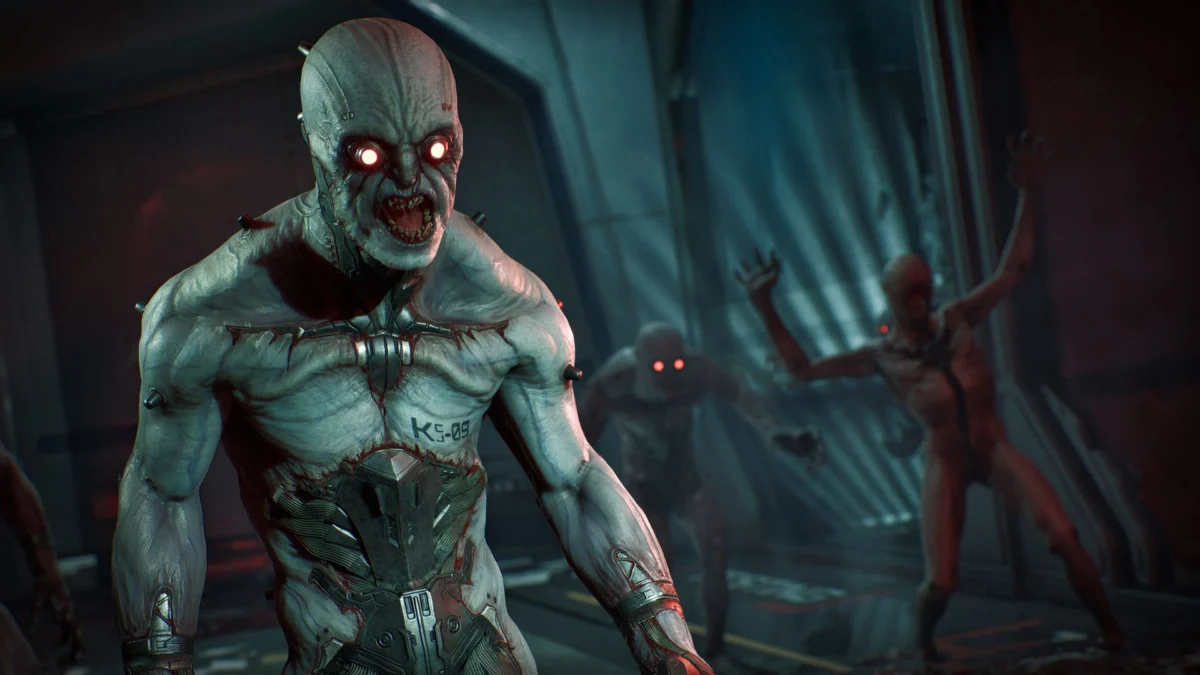
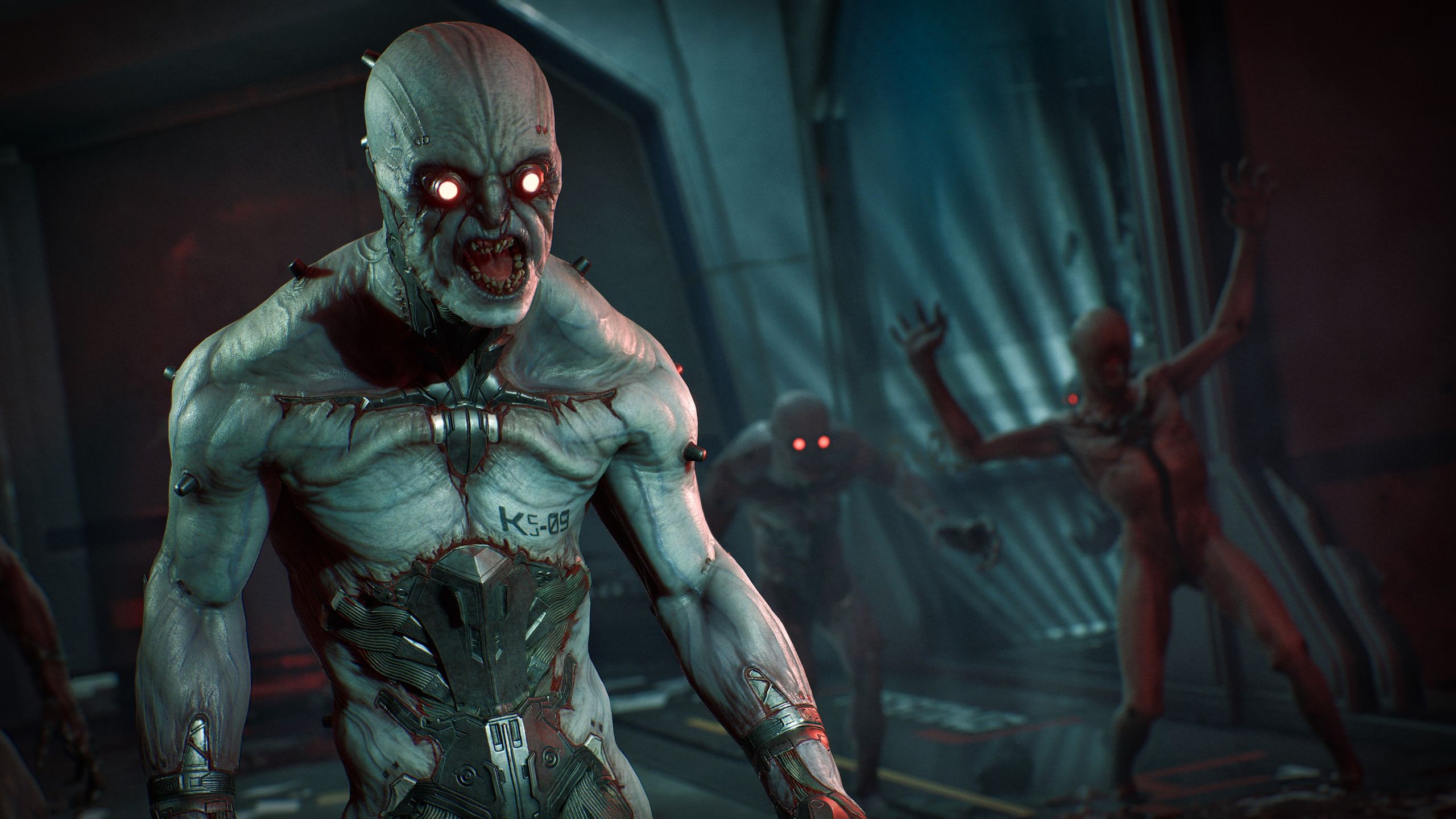
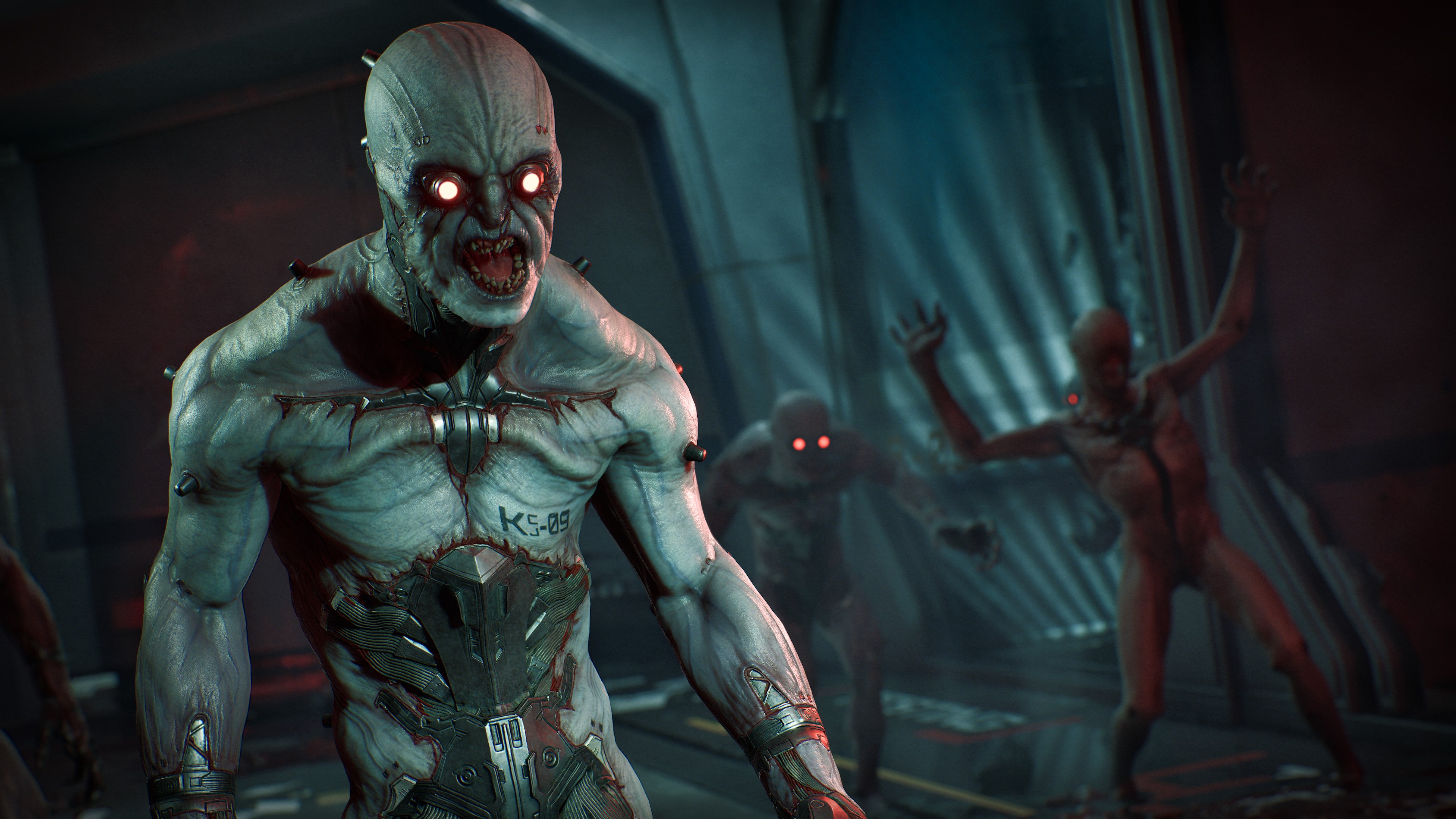
At the heart of Tripwire’s current financial strain is the performance of Killing Floor 3. Released in 2025, the game was expected to be a major financial driver and a triumphant evolution of the cooperative zombie-shooter genre. Instead, the title has struggled to find its footing in a crowded marketplace.
On Steam, Killing Floor 3 currently sits at "Mixed" user reviews. More critically, its concurrent player counts represent a fraction of what its predecessor, Killing Floor 2, achieved at its peak. While the franchise historically relied on a dedicated cult following, the third installment has faced criticism regarding its gameplay systems, monetization models, and technical execution at launch. In an era where live-service and co-op games require massive, sustained player retention to justify their development budgets, the lukewarm reception of Killing Floor 3 has created severe revenue shortfalls.
The Challenge of Replicating Past Success
While Maneater was a breakout financial triumph in 2020, Tripwire has faced distinct difficulties in replicating that specific commercial breakthrough across its other IPs. Developing games of scale has become exponentially more expensive over the past five years, driven by inflation in labor costs, extended development cycles, and rising consumer expectations. When a marquee title fails to achieve runaway blockbuster status, mid-sized studios like Tripwire—lacking the infinite safety nets of multi-billion-dollar conglomerates—frequently find themselves forced to downsize to stay afloat.
Official Responses and Public Statements
Faced with mounting scrutiny from the gaming community and press, Tripwire Interactive addressed the restructuring through a formal statement shared via professional networks.
"Today we share difficult news: Tripwire has undergone a workforce reduction, affecting 36 talented people across our organization," the studio stated in a message published on LinkedIn. "This was certainly not an easy decision, but unfortunately a necessary one for the organization."
Despite the severity of the cuts, leadership emphasized its ongoing dedication to its product ecosystem and its player base.
"Our team is focused on our internal projects, including active development of Maneater 2, ongoing work on Killing Floor 3, and publishing efforts under the Tripwire Presents label," the statement continued. "We are continuing to give the best support possible to all of our games and remain committed to our awesome community."
This sentiment echoes broader industry rhetoric seen throughout the gaming sector’s recent wave of mass layoffs—balancing corporate restructuring justifications with assurances of continued creative output. Notably, just days prior to the layoffs, Tripwire’s publishing director, Bryan West, spoke optimistically about the expansion of Tripwire Presents, framing it as an opportunity to support "scrappy developers" requiring targeted assistance. The juxtaposition of expanding publishing operations while gutting internal development staff has drawn considerable critique from industry unions and labor advocates.
Implications for the Industry and Tripwire’s Future
The downsizing at Tripwire Interactive carries profound implications, both for the studio itself and for the broader independent and mid-tier gaming landscape.
1. The Perils of the "AA" Squeeze
Tripwire’s plight is a textbook illustration of the crisis facing mid-sized (AA) video game developers. Caught between the low-risk, low-budget indie space and the astronomical budgets of AAA mega-publishers, mid-tier studios are uniquely vulnerable. If a flagship game fails to achieve massive commercial velocity, or if consumer sentiment turns "Mixed," studios lack the financial cushion to absorb the blow. Consequently, layoffs have become an increasingly routine mechanism for survival in this sector.
2. Project Viability and Employee Burnout
Reducing a studio’s headcount from roughly 80–90 employees down to 40–50 while simultaneously maintaining work on Killing Floor 3 updates, pushing forward with Maneater 2, and managing an expanded indie publishing label introduces severe risks of employee burnout. Remaining staff will inevitably face increased workloads to compensate for departed colleagues, raising concerns about the long-term quality and delivery timelines of promised content.
3. The Future of Tripwire’s Franchises
For fans of the Killing Floor and Maneater series, the news breeds uncertainty. While Tripwire has promised continued support, a skeleton crew will face immense pressure to turn public perception around for Killing Floor 3 while successfully delivering a polished sequel with Maneater 2. Whether the studio can right the ship and regain its footing as a premier developer of action-heavy, gritty titles remains one of the most critical storylines to watch in the gaming industry moving forward.