While much of the contemporary role-playing game community has its eyes fixed on modern graphical powerhouses and sprawling, open-world epics, a quiet revolution is taking place in the deeper, dustier corners of digital distribution platforms. Amidst a wave of titles drawing mainstream headlines, a distinct alternative has emerged for veterans of classic PC gaming.
Underkeep, developed by indie studio Rake in Grass, launched on Steam on November 5, offering a deliberate throwback to the formative years of computer role-playing games. Eschewing the fast-paced action of modern hits, the game has quickly captured the attention of critics and players alike, offering a surprisingly robust, mechanically rich adventure that bridges the gap between 1980s dungeon crawls and contemporary quality-of-life design.
Main Facts
- Release Details: Underkeep launched on Steam on November 5, currently priced at $19.50 following a 15% launch discount scheduled to run through November 19. A playable demo offering roughly an hour of compressed gameplay is also available.
- Inspirational Roots: The game deliberately channels the aesthetic and structural design of early-1990s and late-1980s grid-based RPGs, drawing direct stylistic and auditory cues from genre-defining classics such as The Bard’s Tale, Dungeon Master, Wizardry, and SSI’s Eye of the Beholder series (specifically Eye of the Beholder II: The Legend of Darkmoon).
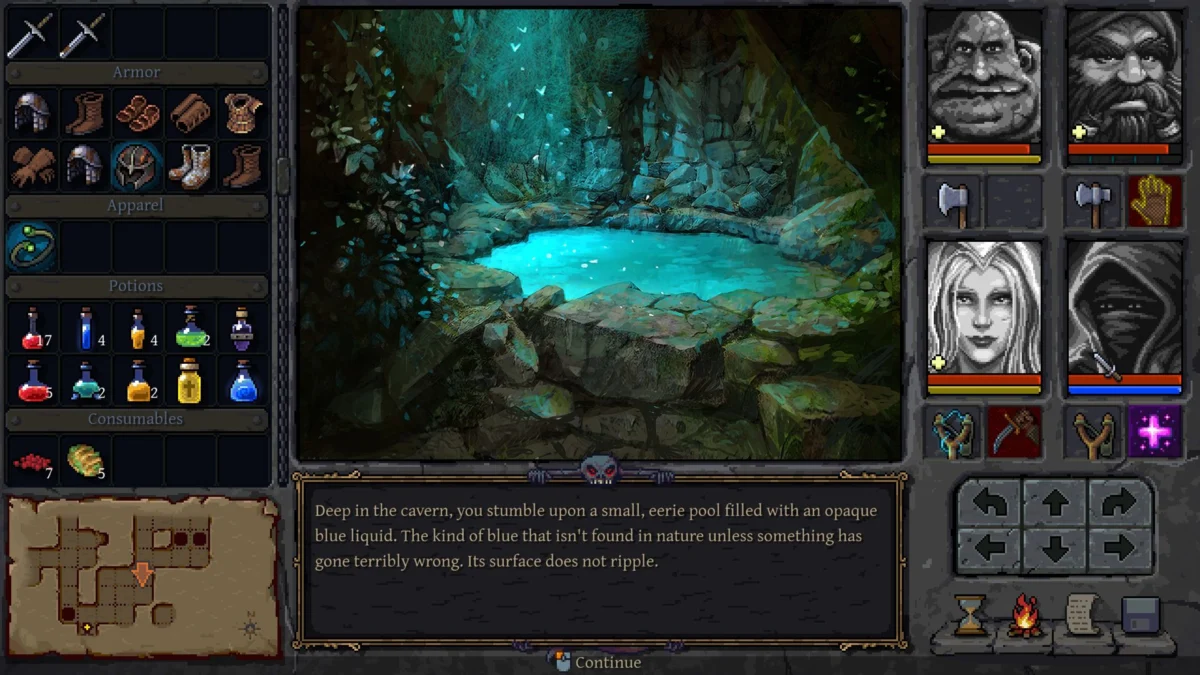
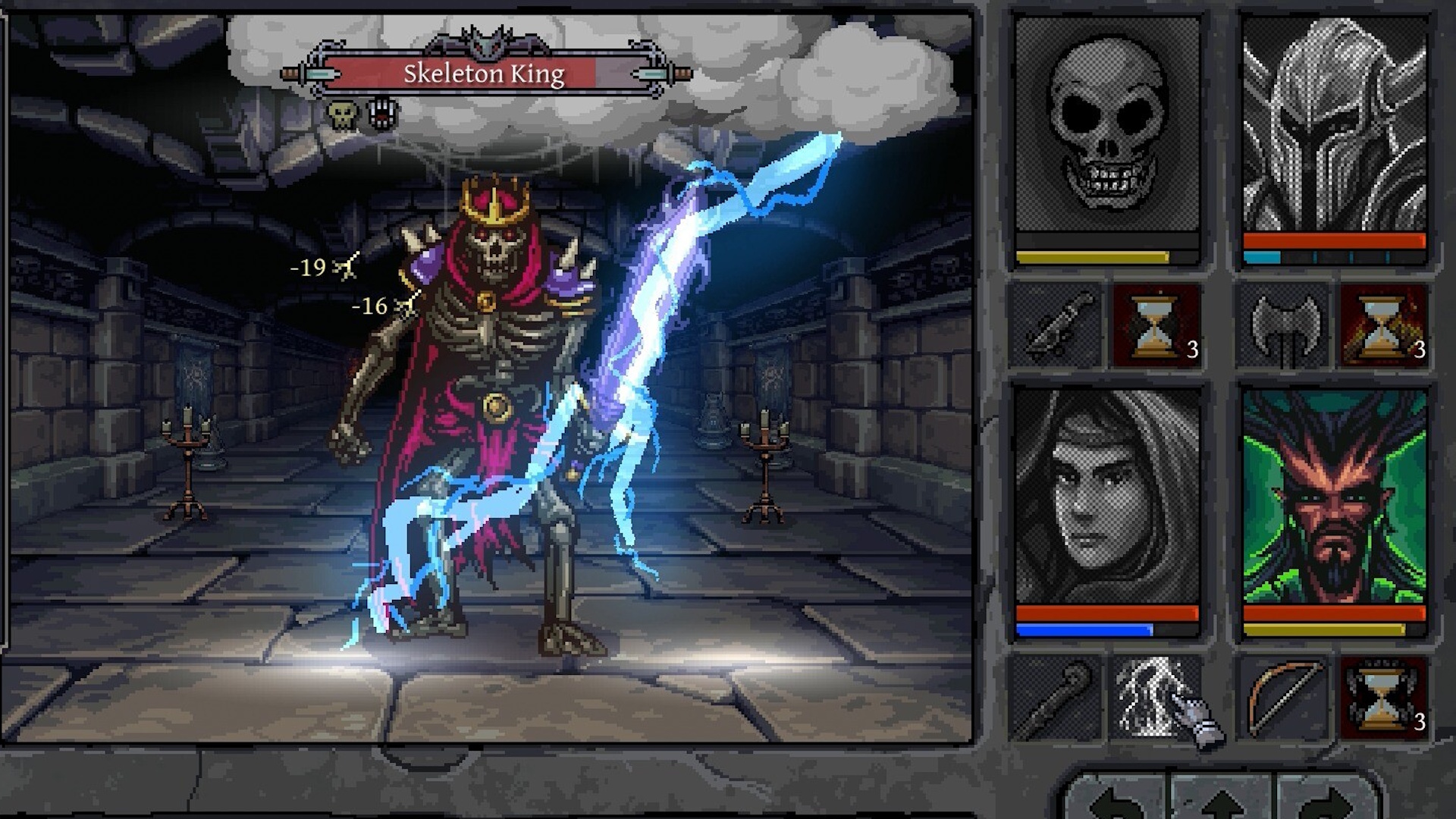
- Core Mechanics: Unlike its real-time inspirations, Underkeep implements a strictly turn-based combat system. It features a categorically organized shared inventory, an automated mapping system with freehand note-taking capabilities, and context-sensitive automatic tool utilization.
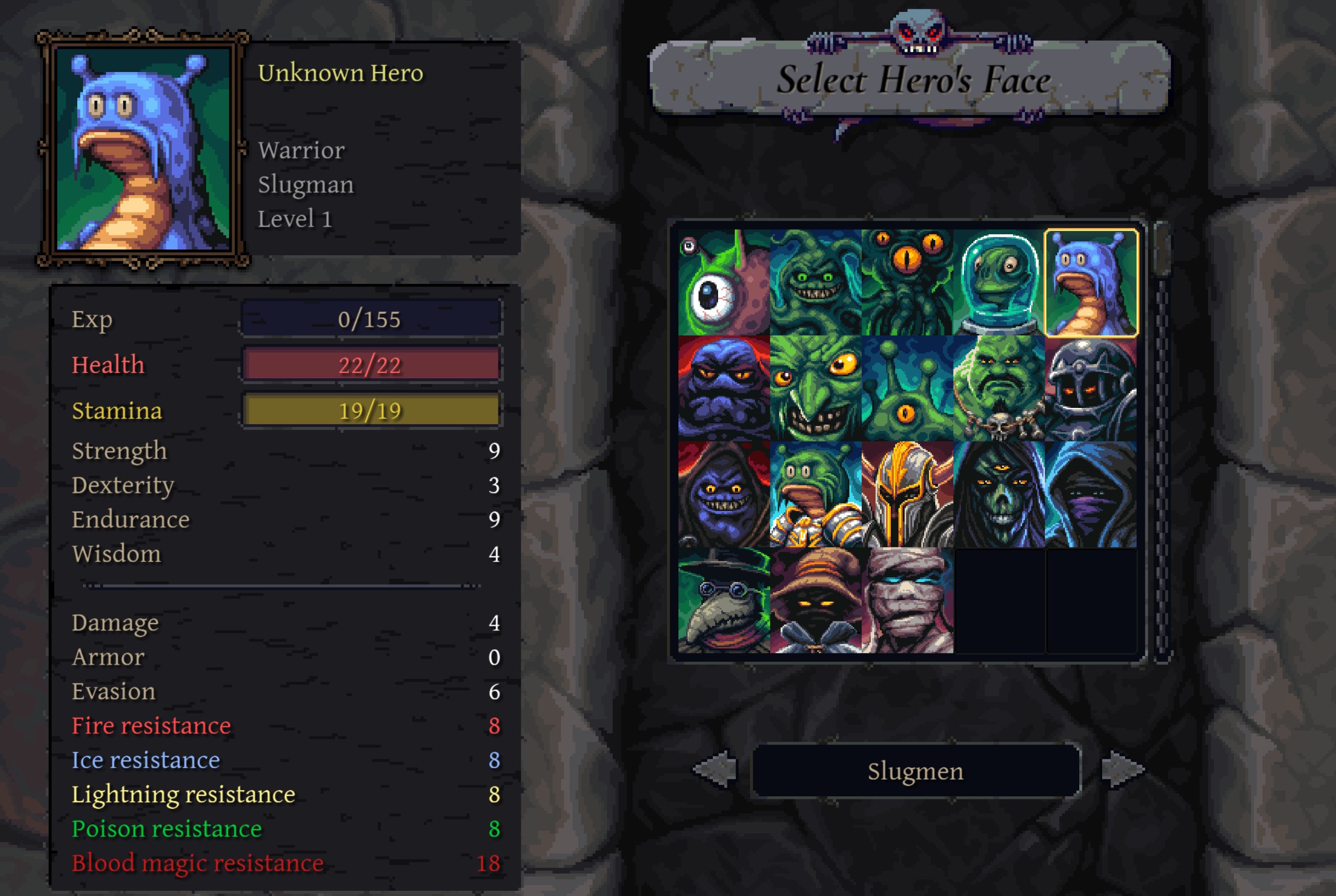
- Character Customization: Players assemble a party from traditional classes (fighter, paladin, wizard, thief) paired with an eclectic mix of standard and unconventional races, including humans, dwarves, "elks" (an elf-like variant), golemlike stoneborn, ravens prone to random mutations, and slugmen.
- Developer Stance on Assets: Amid community discussions and online speculation regarding asset creation, developer Rake in Grass has officially and repeatedly asserted that the game contains zero generative AI elements, maintaining that all artwork is entirely hand-drawn.
Chronology of Release and Early Reception
The journey of Underkeep from concept to storefront has been steady, culminating in its early November release. Developed by Rake in Grass—a studio known for previous indie projects—the game was quietly built over several years with a focus on resurrecting a largely dormant subgenre of PC role-playing games.
Following the release of its Steam page and a subsequent playable demo, anticipation built among a niche segment of the CRPG community hungering for a true grid-based dungeon crawler. Upon its November 5 launch, early adopters dove into the game, quickly discovering that initial impressions of a modest indie title belied a remarkably deep experience. Players logging multi-hour sessions reported exploring vast, interconnected horizontal and vertical dungeon complexes and navigating an overworld scale that far exceeded early expectations.
As word of mouth spread across forums and social media platforms throughout November, the title began carving out a reputation as one of the most substantial grid-based RPGs released in recent years, drawing favorable comparisons to genre milestones like 2014’s Legend of Grimrock 2.
Supporting Data and Mechanical Breakdown
To understand Underkeep, one must examine how it bridges the design philosophies of decades past with modern usability standards. Traditional grid-based dungeon crawlers are notoriously punishing, often requiring players to maintain physical graph paper, manually manage cumbersome inventories, and wrestle with clumsy interfaces.
Underkeep retains the foundational grid-based movement and tile-by-tile exploration of its ancestors while stripping away the most frustrating archaic friction points:
- Inventory and Equipment Management: The shared party inventory is cleanly segregated into logical categories. Swapping armor, weapons, and consumables between characters is streamlined, removing the tedious micro-management that bogged down classics like Eye of the Beholder.
- Automapping with Freehand Notes: While hardcore purists may lament the inclusion of automatic mapping, Underkeep strikes a pragmatic balance. The automap tracks explored corridors in intricate detail while still permitting players to drop freehand notes onto the parchment—catering to both modern convenience and tactical cartography.
- Automated Tools: Utilities and exploration tools are deployed contextually without requiring manual equipping from active inventory slots, maintaining momentum during exploration.
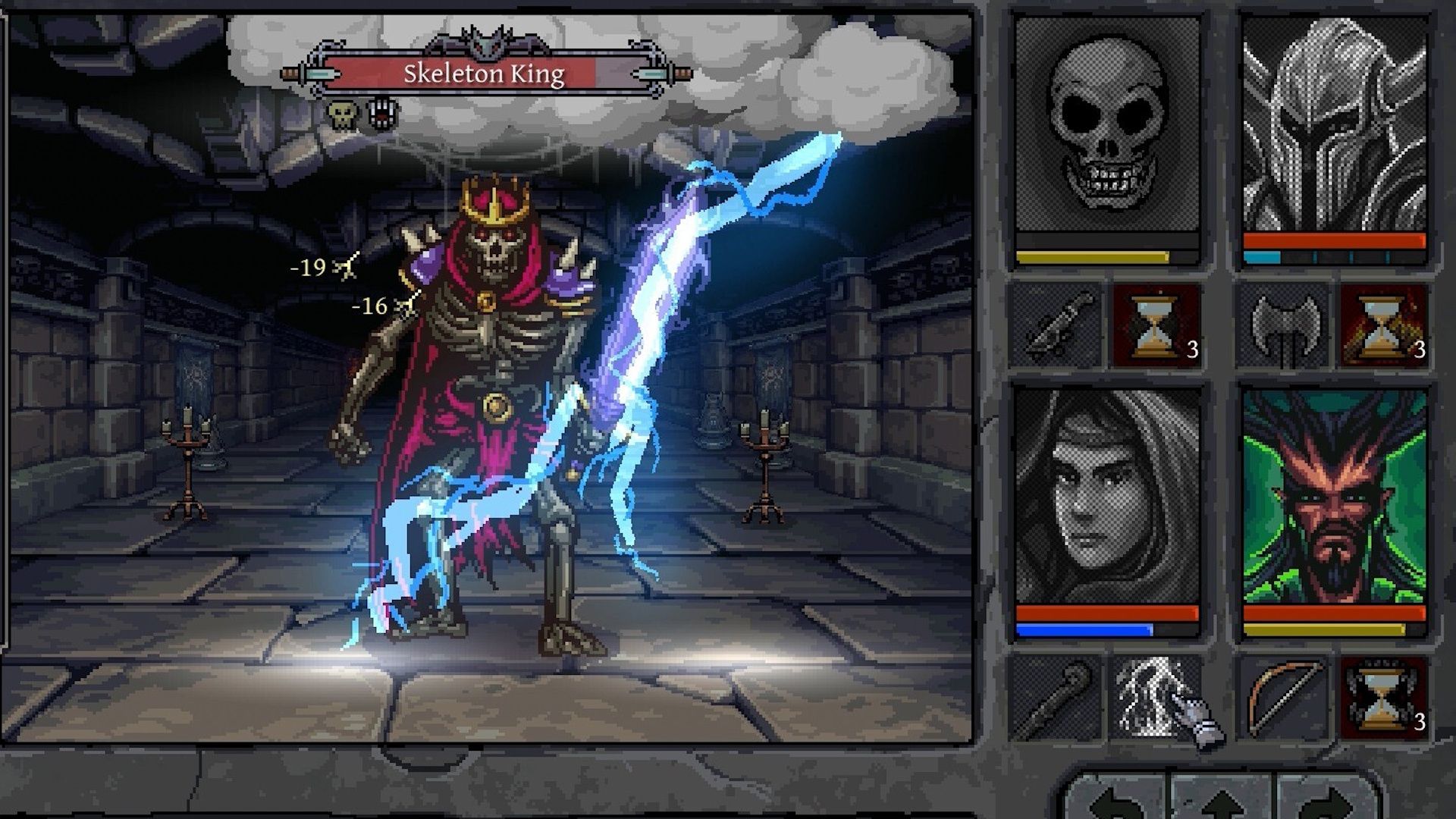
- The Turn-Based Shift: Perhaps the most significant structural departure from games like Eye of the Beholder is the shift to a purely turn-based framework. In classic real-time dungeon crawlers, players could exploit pathfinding loops—hitting an adversary and stepping backward before the enemy could retaliate. Underkeep eliminates this "cheese" strategy. Encounters require methodical pacing; players can survey the environment, reposition, or pause indefinitely before initiating melee. Once combat begins, party members execute their actions, followed by the enemy turn, preserving the option to tactically retreat (often accompanied by an aggressive pursuit).
Character Diversity and Encounter Design
Character creation in Underkeep offers a blend of familiar archetypes and wildly imaginative departures. While core classes adhere to standard fantasy roles—fighters, paladins, wizards, and thieves—the available races introduce significant tactical variables and narrative flavor.
Alongside conventional humans, dwarves, and elf-adjacent "elks," players can recruit:
- Stoneborn: Living golems possessing immense physical strength and durability, offset by abysmal agility and an inability to wear traditional body armor. They function essentially as mobile boulders in combat.
- Ravens: Characters subject to unpredictable, emergent gameplay mutations. One notable mutation cited by early players is "Roommate from the Void," a passive healing buff stemming from an uninvited entity residing within the character’s body that "pays rent in blood."
- Slugmen: Anthropomorphic gastropods that introduce a distinct visual absurdity to party compositions.
Crucially, the game places no restrictions on race-and-class combinations. While pairing a slow stoneborn with a stealth-oriented thief or a slugman with a holy paladin may present severe optimization challenges, the system grants total freedom for experimental builds.
Beyond party building, the game’s textual encounters and ambient writing lean heavily into classic tabletop RPG traditions. Brief narrative vignettes present players with moral and tactical crossroads—such as interactions with enigmatic, red-cloaked figures. Depending on how these encounters are handled, players may secure unexpected boons, trigger immediate combat, or sow the seeds for future complications, underscored by evocative, atmospheric prose.
Official Responses and the Generative AI Debate
In the contemporary gaming landscape, the visual presentation of independent titles is frequently subjected to intense public scrutiny regarding the potential use of generative artificial intelligence. Underkeep did not escape this cultural crossfire. Shortly after launch, discussions arose within the Steam community forums, with users debating whether certain visual assets or stylistic inconsistencies were produced via AI tools.
Developer Rake in Grass directly addressed these concerns through official statements and a published FAQ on the game’s Steam community hub, categorically denying the use of generative AI in any capacity.
"All artwork in Underkeep was hand-drawn by our artists," the official FAQ states. "Some variations in style are natural, as several artists contributed to the game. The occasional ‘mixels’ are caused by dynamic scaling used to simulate 3D perspective and smooth animations."
While the debate highlights the current climate of skepticism and caution among players regarding digital art assets, the developer’s steadfast transparency and the cohesive artistic vision of the hand-drawn encounter screens have helped ground the conversation in the game’s actual merit.
Implications for the Genre
The quiet success of Underkeep carries broader implications for the independent game development scene and the survival of niche retro genres. For over a decade, the commercial viability of grid-based, party-driven dungeon crawlers has relied almost entirely on occasional passion projects or Kickstarter-funded revivals.
By demonstrating that a title can honor the DNA of 1990s masterpieces without alienating modern players through archaic menu friction, Underkeep proves that a sustainable appetite remains for thoughtful, methodical role-playing experiences. It stands as proof that innovation in retro-styled games does not always require high-budget 3D engines or real-time action mechanics; sometimes, refinement of classic rulesets, creative world-building, and respect for the player’s time are all it takes to unearth a hidden gem.