By Tech & Hardware Desk
Published November 2026
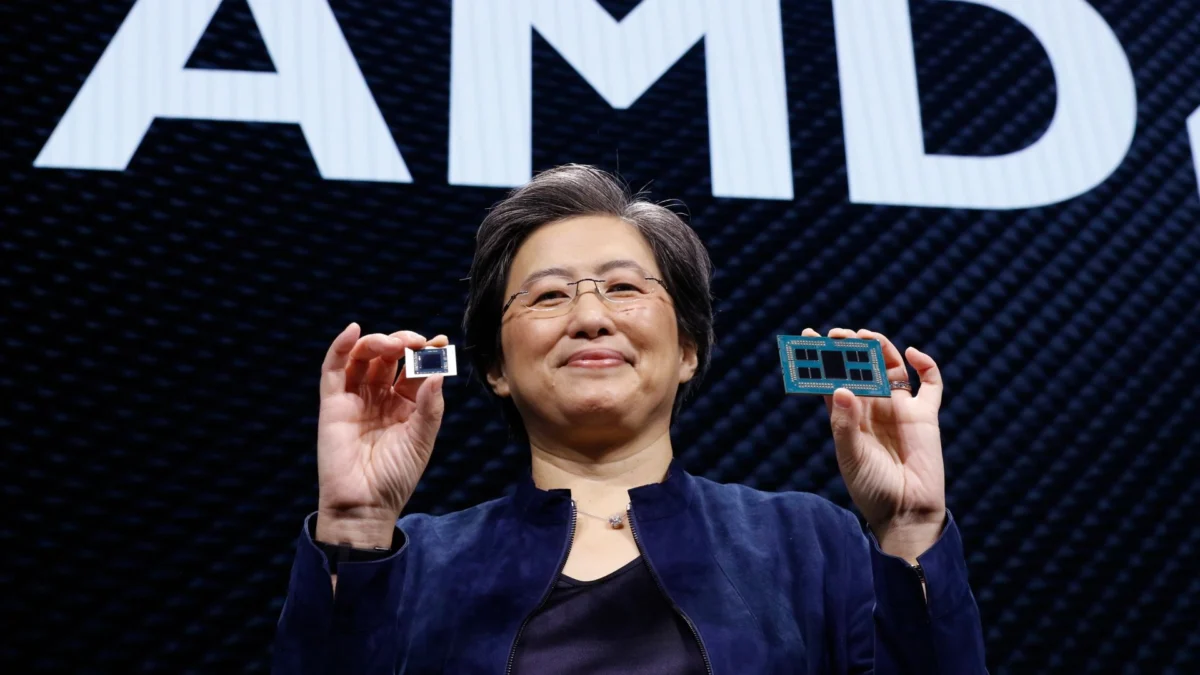
Advanced Micro Devices (AMD) is undergoing a fundamental corporate metamorphosis. In recent statements, including a high-profile interview with Yahoo Finance and disclosures during the company’s Q3 earnings call, AMD Chief Executive Officer Dr. Lisa Su confirmed that the semiconductor giant is officially shedding its identity as a general-purpose processor provider to become a "data center-first" enterprise.
While this aggressive pivot toward artificial intelligence and high-performance computing has galvanized Wall Street and fueled staggering sequential growth, it has also sparked fierce backlash within the PC gaming community. Compounded by Dr. Su’s forecast of a double-digit percentage decline in global PC sales by 2027, the tech landscape is bracing for a profound structural realignment—one that prioritizes enterprise AI infrastructure over the everyday consumer.
Main Facts: The Strategic Pivot to Enterprise AI
The core development centers on AMD’s wholesale reallocation of resources toward the enterprise and AI sectors. For decades, AMD was known primarily as a champion of the consumer, battling Intel for dominance in desktop CPUs and competing with Nvidia in consumer-grade graphics cards (GPUs). However, the explosive demand for generative AI models has rewritten the playbook for the entire semiconductor industry.
Key highlights of AMD’s strategic shift include:
- The Data Center-First Mandate: Dr. Su explicitly stated that AMD is no longer just a PC company, identifying its primary profile moving forward as a data center-first organization.
- Staggering Sequential Growth: Driven almost entirely by AI infrastructure demands, AMD’s data center business is projected to grow by 50% sequentially from the third quarter to the fourth quarter.
- Aggressive Long-Term Outlook: Management is looking to more than double its data center enterprise business heading into next year, banking heavily on the theory that "computing equates to intelligence."
- The Consumer Fallout: Simultaneously, AMD has forecasted a severe, double-digit percentage slump in global personal computer sales for 2027, driven by a combination of component inflation, supply chain constraints, and shifting manufacturing priorities.
Chronology of Events: From Consumer Champion to Enterprise Powerhouse
To understand how AMD reached this pivotal juncture, it is necessary to examine the timeline of decisions that reshaped the company over the last decade.

2017–2020: The Consumer Resurgence
Under Lisa Su’s leadership, AMD executed one of the most successful turnaround stories in corporate history. The launch of the Zen microarchitecture and Ryzen desktop processors reclaimed market share from Intel, while the EPYC server line established a foothold in enterprise computing. During this era, AMD was widely celebrated as a consumer-first hero, delivering high-performance hardware at competitive prices.
2023–2025: The Generative AI Gold Rush
Following the public explosion of generative artificial intelligence sparked by OpenAI’s ChatGPT, enterprise demand for specialized accelerators skyrocketed. While competitor Nvidia initially cornered the market with its H100 GPUs, AMD swiftly repositioned its roadmap. The company poured billions into developing its MI300 series accelerators and software ecosystem (ROCm), pivoting its manufacturing capacity away from lower-margin consumer silicon toward high-margin enterprise data center components.
Late 2026: The Paradigm Shift Becomes Official
In November 2026, during a series of investor briefings and interviews following post-election market volatility, Dr. Su formally codified AMD’s new identity. Dismissing short-term market corrections and stock fluctuations as short-sighted, she doubled down on long-term capital expenditure for AI infrastructure. Shortly thereafter, financial disclosures and industry forecasts revealed the dark side of this transition: consumer PC sales are projected to face a steep, double-digit collapse in 2027, largely catalyzed by the component shortages and price hikes resulting from the industry’s singular focus on AI.
Supporting Data: The Economics of the AI Boom vs. PC Decline
The friction between AMD’s corporate strategy and consumer sentiment is best understood through the lens of financial metrics and market dynamics.
The Data Center Growth Curve
AMD’s aggressive capital allocation is justified, from a corporate finance perspective, by staggering growth metrics in the enterprise sector.
- Sequential Surges: The company anticipates its data center revenue to jump 50% quarter-over-quarter between Q3 and Q4.
- Doubling Down: Projections indicate that the enterprise segment will more than double its footprint over the next 12 to 18 months.
- The Valuation Debate: Despite recent post-election corrections and cooling valuations across the broader tech sector, enterprise buyers continue to sink capital into data center buildouts, treating compute power as the foundational currency of the modern corporate world.
The Consumer PC Squeeze
Conversely, the consumer hardware market is facing severe headwinds.
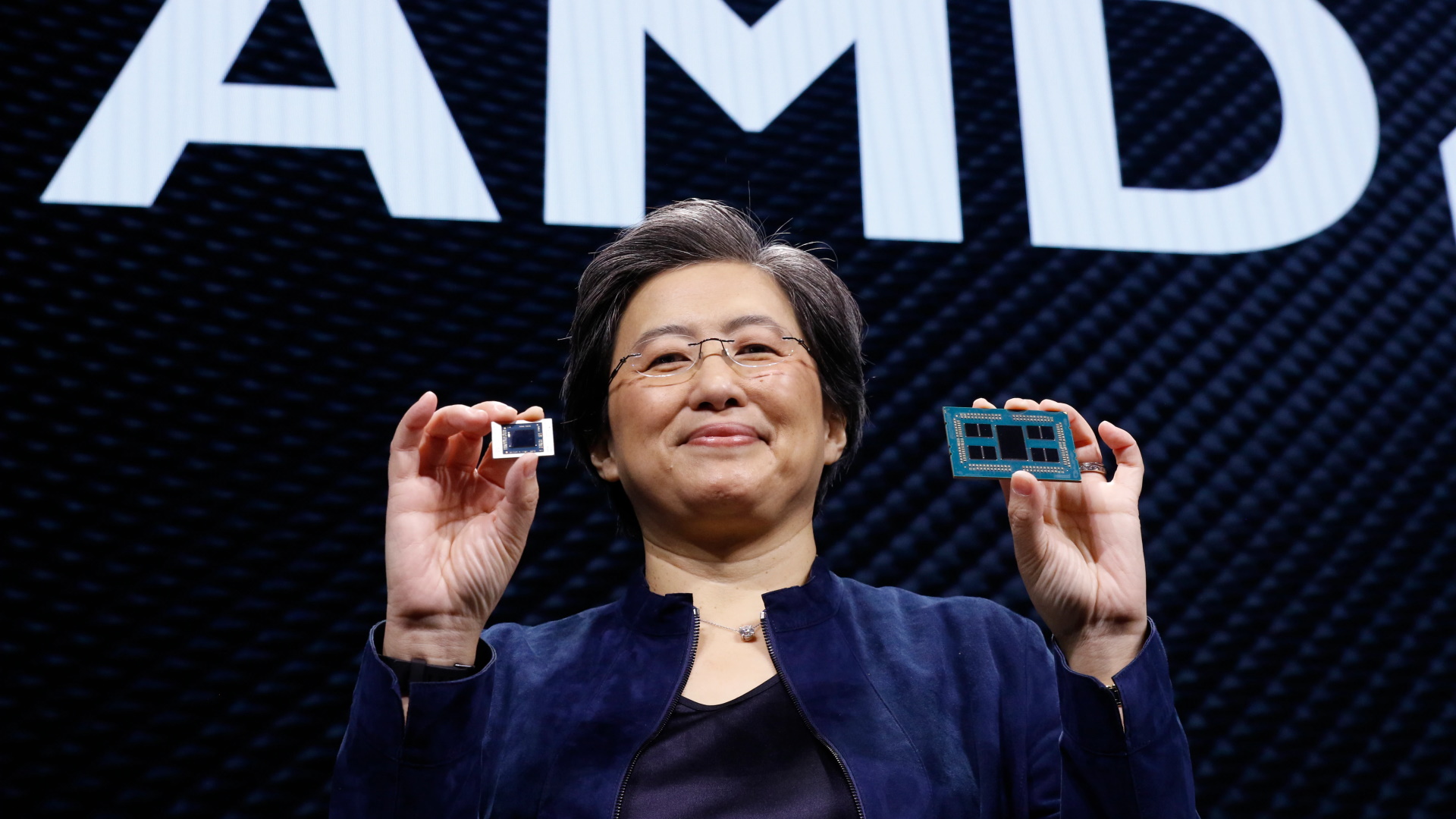
- The "RAMpocalypse" and Component Inflation: The diversion of advanced manufacturing nodes (such as TSMC’s cutting-edge wafer capacity) toward enterprise AI accelerators has constrained the supply of consumer-grade RAM, GPUs, and CPUs.
- Soaring Hardware Costs: As supply tightens, prices for PC components have risen to levels that many everyday consumers and casual gamers find prohibitive.
- The 2027 Forecast: Industry analysts, aligning with AMD’s internal projections, expect consumer PC shipments to plummet by a double-digit percentage as replacement cycles lengthen and buyers are priced out of the market.
Official Responses and Industry Perspectives
The divide between corporate leadership and consumer advocates highlights a deep philosophical schism regarding the true value of artificial intelligence.
Corporate Optimism: Dr. Lisa Su and the "Super Intelligence" Horizon
Defending the company’s heavy investments against recent market jitters, Dr. Su argued that critics suffer from short-term thinking.
"I think the market can sometimes be a little bit short-sighted. Look, it is what it is," Su noted in her Yahoo Finance interview. "What I look at is in the long term, if you believe—which I do, deeply—that computing in many ways equates to intelligence… the more compute you have, the more intelligent your company is, the more problems you’re going to be able to solve."
Su emphasized that AMD’s investments are calibrated across a three-to-five-year horizon, during which AI and superintelligence are expected to become deeply woven into every facet of global business and daily life.
Consumer Backlash: The Grassroots Frustration
In contrast, consumer tech commentators and PC enthusiasts have expressed deep weariness over the industry’s pivot. Critics argue that corporate leaders are manufacturing an artificial gold rush while alienating the very user base that sustained them during leaner years.
Industry observers note a profound disconnect between the promise of "super intelligence" and the practical utility experienced by everyday computer users. For many, generative AI tools have done little to transform daily productivity, yet they have successfully driven up the cost of PCs, graphics cards, and memory modules to unprecedented heights. Furthermore, critics point out a deep irony: tech executives are now predicting a slump in PC sales that their own prioritization of data center hardware helped manufacture.

Implications: What the Shift Means for the Future of Tech
AMD’s formal transition into a data center-first enterprise carries profound implications for the broader technology ecosystem.
1. The Stratification of Computing Hardware
We are entering an era where consumer hardware is increasingly treated as an afterthought by major semiconductor manufacturers. As fabrication plants prioritize high-margin AI accelerators (which command tens of thousands of dollars per unit) over consumer desktop chips, PC building is shifting from an accessible hobby to an expensive luxury.
2. Economic Exposure and the AI "Hangover"
Because tech giants, institutional investors, and pension funds (via 401ks tied to major tech indices) have heavily subsidized the AI infrastructure boom, the broader economy is now deeply leveraged on AI’s long-term profitability. Analysts warn that if enterprise AI adoption fails to deliver the promised return on investment, the resulting market correction will not be absorbed solely by Silicon Valley executives, but distributed widely across public retirement funds and consumer portfolios.
3. The Future of Gaming and Personal Computing
For gamers, enthusiasts, and independent creators, the roadmap ahead is fraught with higher hardware costs and prolonged upgrade cycles. As AMD and its peers chase the multi-billion-dollar enterprise cloud, the era of affordable, high-performance consumer computing may be giving way to a market dominated by corporate data centers and subscription-based cloud rendering.
Ultimately, Dr. Su’s declaration marks the end of an era. AMD has chosen its path: the future belongs to the data center, leaving the everyday PC user to navigate the fallout of an industry transformed by the relentless pursuit of artificial intelligence.