
Introduction: The Latest Storm in the Galactic War
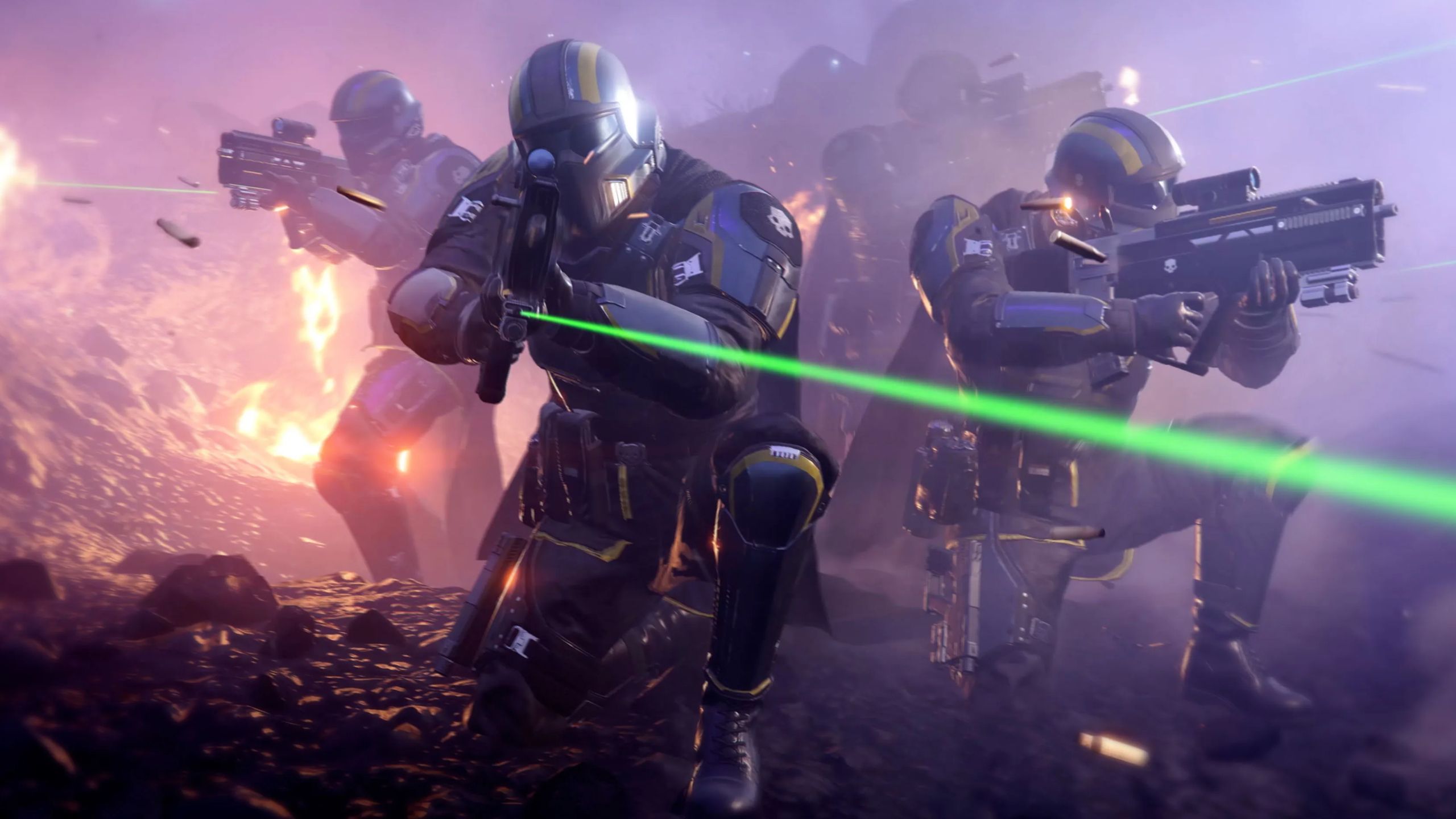
Helldivers 2, Arrowhead Game Studios’ breakout cooperative third-person shooter, has once again found itself engulfed in community controversy. Long praised for its cinematic combat, satirical universe, and a passionate player base capable of mobilizing like a digital military force, the game has also earned a reputation for volatile relationships with its community.
A few weeks ago, the game was hit by a massive wave of negative Steam reviews—enough to drive its recent user rating down to "Mostly Negative." The catalyst for this latest storm was a seemingly routine technical update: a switch in anti-cheat software designed to combat cheaters, but one that inadvertently shattered the thriving, albeit unofficial, modding scene that many players had come to cherish.
As Arrowhead attempts to pilot the community through turbulence involving broken mods, missed roadmap deadlines, and controversial developer updates, the situation offers a fascinating case study in the challenges of managing a live-service PvE (Player versus Environment) game. Balancing player freedom against game integrity is a delicate tightrope walk, and Arrowhead’s recent communications highlight just how fragile that balance can be.
Main Facts: The Anti-Cheat Transition and the Modding Fallout
The root cause of the recent review-bombing campaign—which briefly threatened Helldivers 2‘s hard-earned standing—was Arrowhead’s decision to replace GameGuard with Easy Anti-Cheat (EAC).
From a technical perspective, developer studios constantly seek robust anti-cheat solutions to preserve the economy and fairness of their games. Helldivers 2, despite being a cooperative game rather than a competitive player-versus-player (PvP) title, features a live-service economy. This economy includes premium "Super Credits" that can be bought with real-world currency or earned very slowly through in-game exploration.
When Arrowhead rolled out the switch to Easy Anti-Cheat, studio representatives openly warned the community that the change would likely break existing mods. The stated objective was clear: curb malicious modifications that grant unfair advantages, disrupt multiplayer sessions, or allow bad actors to exploit the game’s backend.
However, the collateral damage included purely cosmetic modifications—such as custom armor textures, sound replacements, and visual overhauls—that many PC players enjoyed without harming anyone else’s experience. The community’s reaction was swift and unforgiving. More than 10,000 negative reviews flooded Steam in a matter of days, dropping the game’s recent review score into the "Mostly Negative" territory and stirring fresh debates across Reddit and Discord.
Chronology: How the Crisis Unfolded
To understand how a switch in security software snowballed into a major public relations hurdle, it helps to examine the timeline of events leading up to Arrowhead’s recent developer blog addressing the outcry.
Phase 1: The Announcement and the Warning
Arrowhead announced its intention to transition Helldivers 2 from GameGuard to Easy Anti-Cheat. While security upgrades are standard procedure for modern live-service titles, the studio’s advisory note that mods might break served as a flare to the community. Modding had become an integral part of the PC player experience, adding longevity and personalization to the game.
Phase 2: The Update and the Steam Review-Bomb
The update went live, immediately locking out numerous mods, both functional and cosmetic. True to form, the Helldivers 2 community—known for its history of organized boycotts and swift pushback against unpopular changes—responded by review-bombing the game on Steam. Thousands of negative user reviews criticized not only the loss of mods, but also lingering bugs, perceived slow development cycles, and a general feeling that Arrowhead was cracking down on harmless creativity instead of addressing technical issues.
Phase 3: The Developer Response and Roadmap Reckoning
Recognizing the escalating tension, Arrowhead published a comprehensive developer blog on Steam. The studio stood firm on its core security rationale while making concessions for cosmetic mods. Furthermore, the studio used the update to address broader community grievances, owning up to missed roadmap deadlines, delayed quality-of-life fixes, and miscommunications regarding upcoming content.
Supporting Data and Technical Realities
The conflict between Arrowhead and the Helldivers 2 modding community highlights a fundamental engineering dilemma in modern game development: the line between a cosmetic mod and a cheat tool is often razor-thin.
The Economics of Cheating in PvE Games
While casual observers might wonder why a developer would care about mods in a PvE game where players fight automated Terminids and Automotons together, the reality of live-service monetization complicates the equation.
- Super Credit Farming: Premium currency can be farmed or purchased. Exploits and mods have frequently been used to automate or accelerate the acquisition of Super Credits, undercutting the game’s monetization model.
- Gameplay Disruption: Some mods alter weapon ranges, fire rates, or enemy behavior. When brought into public matchmaking lobbies, these modifications can desynchronize game states, ruin the intended challenge for vanilla players, and occasionally cause game crashes.
Arrowhead’s Technical Stance
Arrowhead has maintained that from a purely technical standpoint, certain modifications are fundamentally indistinguishable from malicious injection attempts. Easy Anti-Cheat operates by scanning game files and memory spaces for unauthorized alterations. Because of this, blanket allowances for custom code are virtually impossible without compromising the software’s overall efficacy.

Nevertheless, the studio listened to the outcry regarding harmless personal customizations. In their official statement, developers noted:
"While all mods are not officially supported, we have been reviewing how the code changes disabled cosmetic non-gameplay mods. This has resulted in adjustments that should allow some cosmetic mods to be functional with our next hotfix."
Official Responses and Roadmap Adjustments
The anti-cheat controversy did not exist in a vacuum; it amplified existing frustrations regarding Arrowhead’s development roadmap. In their official communications, studio representatives addressed multiple pain points raised by the community.
Acknowledging Roadmap Missteps
Players had grown increasingly vocal about delayed features, such as improved hellpod steering and stratagem bouncing mechanics. Arrowhead admitted that these mechanics are far more complex to implement than initially anticipated, requiring extensive adjustments to account for countless gameplay edge cases.
Furthermore, the studio copped to over-promising on specific deliverables. For instance, labeling the expansion of bug caves across multiple map types as an entirely "new biome" on the roadmap was acknowledged as an overstatement that set unrealistic expectations.
"Your input matters and we’re sorry this roadmap wasn’t as accurate as it should have been, Helldivers," the studio stated. "While we aren’t announcing a date for it in this article, our next roadmap will demonstrate the impact of your feedback."
Quality-of-Life Commitments
Looking forward, Arrowhead has outlined a series of targeted improvements designed to restore goodwill. Among these are refinements to inventory management during missions—such as ensuring mobility packs integrate smoothly with objectives requiring players to carry bulky items like SEAF artillery missiles. While patch notes and upcoming feature lists can sometimes suffer from clarity issues, the underlying message is clear: Arrowhead is actively attempting to recalibrate its development pipeline around player feedback.

Implications: The Future of Helldivers 2 and Live-Service Modding
The friction between Helldivers 2 developers and its player base carries significant implications for the broader gaming industry, particularly for cooperative live-service titles on PC.
1. The Delicate Ecosystem of PC Modding
PC gaming has historically thrived on open access and user-generated modifications. However, as games increasingly transition into closed, live-service ecosystems supported by microtransactions and cross-play, the traditional freedoms enjoyed by PC modders are shrinking. Studios like Arrowhead are caught between honoring PC gaming culture and protecting their intellectual property and revenue streams from exploiters.
2. Community Power vs. Studio Agility
Helldivers 2 has repeatedly demonstrated that its community possesses immense leverage. Through coordinated review campaigns and vocal social media mobilization, players have proven capable of forcing developers to alter course on major business and technical decisions (most notably the infamous PlayStation Network account-linking controversy). While this grassroots power ensures developers remain accountable, it can also create an adversarial relationship where every minor patch becomes a high-stakes PR battle.
3. Rebuilding Trust
For Arrowhead, the path forward requires consistency, transparency, and a steady delivery of quality updates. By acknowledging their mistakes regarding the roadmap, apologizing for over-promising, and carving out technical exceptions for cosmetic mods, the studio has taken constructive steps toward defusing the tension.
As the Galactic War continues to rage across alien worlds, the true test for Arrowhead will be whether they can maintain a secure, stable game environment without suffocating the passion and creativity of the community that made Helldivers 2 a cultural phenomenon in the first place.