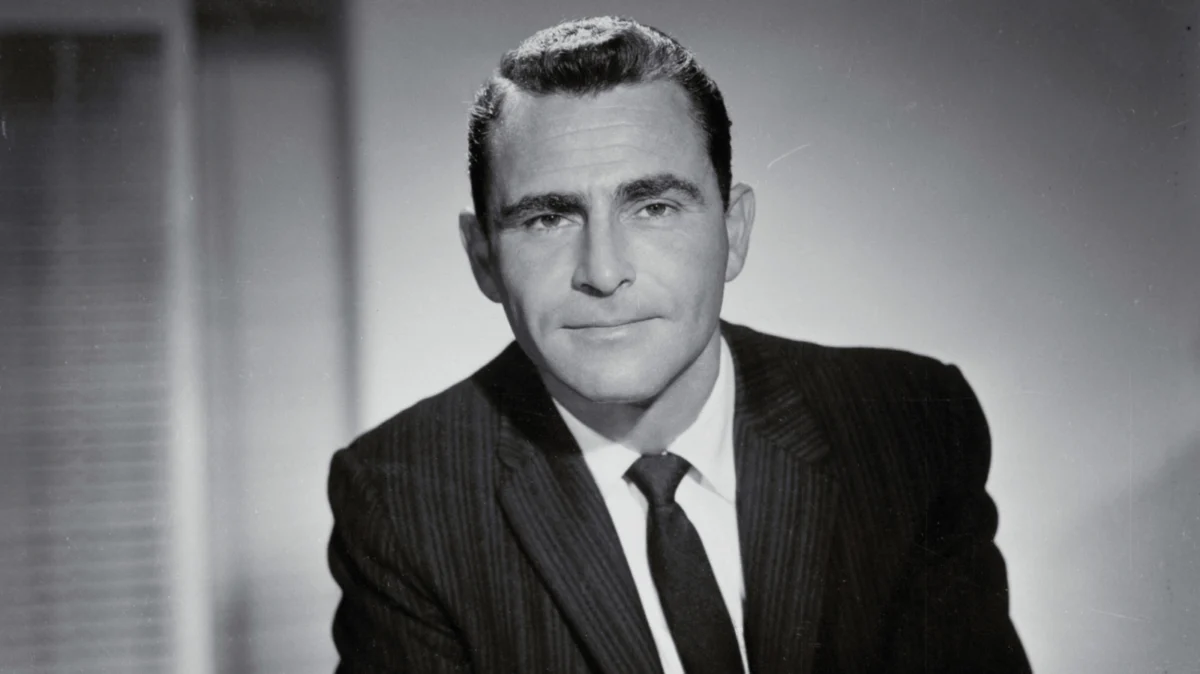
For generations, The Twilight Zone has stood as the gold standard of speculative fiction, a masterclass in moral storytelling, and the pioneer of the "twist ending." Rod Serling’s brainchild, which premiered on CBS in 1959, dared to ask profound questions about the human condition through the lens of the supernatural. However, behind the eerie black-and-white visuals and the iconic theme music lay a turbulent reality: the show was a constant battleground between artistic integrity and the bottom-line concerns of 1950s corporate sponsors.
While the show is remembered for its intellectual ambition, its production history is littered with stories of baffled executives, petty demands, and the stifling grip of advertising-led censorship.
The "Old Man" and the Problem of Complexity
In a 1962 interview with TV Guide, Rod Serling provided a candid look at the frustration of navigating the expectations of early television sponsors. He recounted the presence of a particular financier—referred to only as "the Old Man"—who bankrolled an early season of the anthology series.
The Old Man was not a fan of the cerebral, metaphorical, or ambiguous. He had been drawn to the show by Serling’s pre-existing reputation as a brilliant writer, but he had a preference for the straightforward, action-oriented narratives found in shows like Wanted: Dead or Alive, the Western series starring Steve McQueen.
A Weekly Ritual of Confusion
According to Serling, the Old Man’s weekly experience with The Twilight Zone was one of profound bewilderment. Every Monday morning, the sponsor would contact the agency responsible for the show, demanding a breakdown of the previous Friday’s script. When that explanation proved insufficient, he would demand an "explanation of the explanation."
"I guess he figured if he couldn’t understand it, neither could the people who bought his products," Serling remarked. This logic highlights the fundamental disconnect between the era’s advertising model—which prioritized mass-market, easily digestible content—and Serling’s desire to challenge his audience.
The instability of the show’s funding became a recurring nightmare for the production team. Serling recalled weeks where he would receive conflicting phone calls throughout a single day: four informing him the show had been canceled, and four informing him it had been renewed. Despite the constant friction and the sponsor’s inability to grasp the show’s themes, the Old Man remained for an entire season before finally concluding that the psychological weight of the series was simply incompatible with his brand’s image.
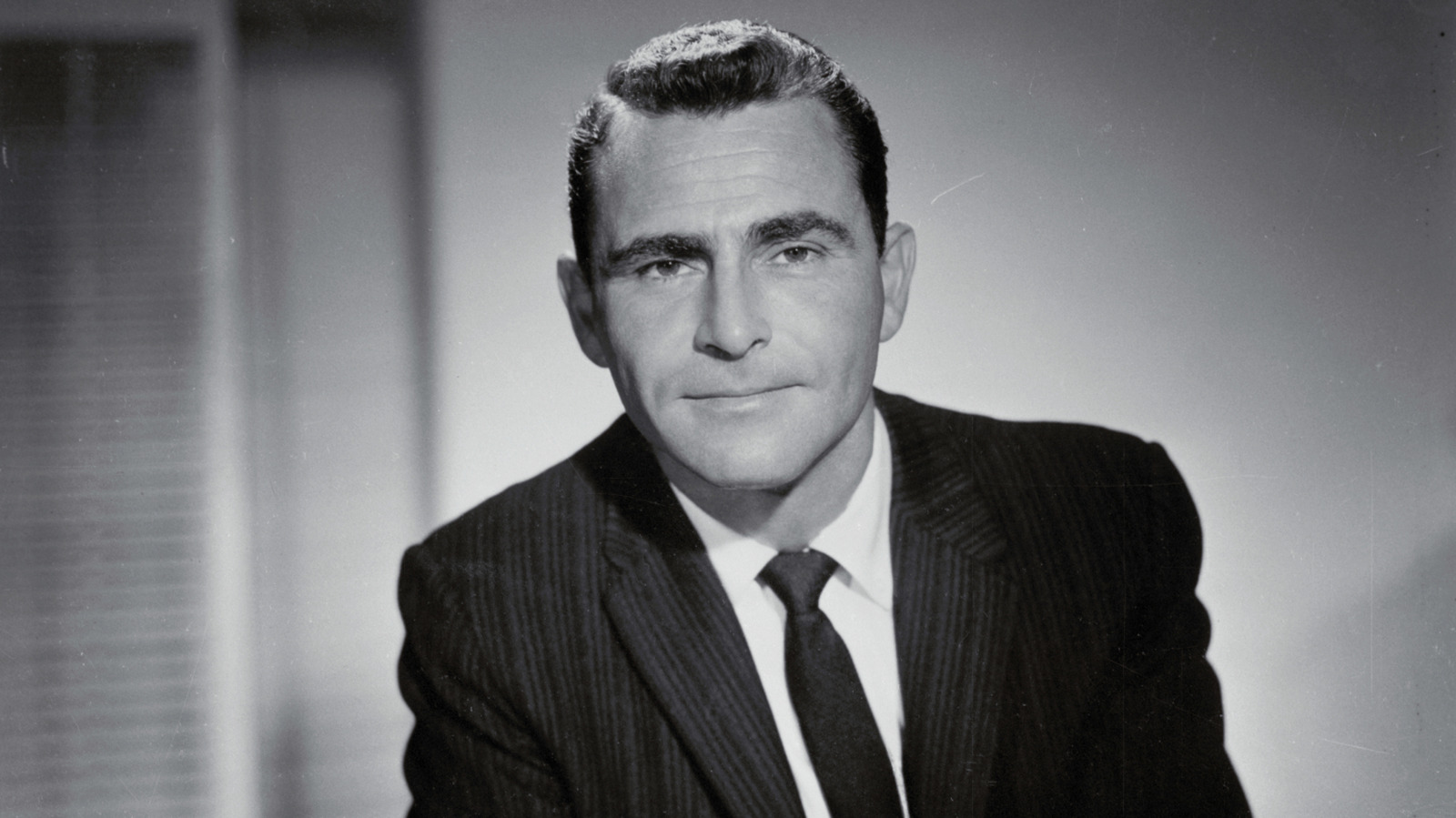
Corporate Censorship: The Silent Hand of the Sponsor
The confusion of "the Old Man" was perhaps the most benign form of sponsor interference. As The Twilight Zone gained traction, the influence of sponsors began to shift from simple confusion to active, aggressive censorship of content. In the mid-20th century, sponsors exerted immense pressure on networks to ensure that no programming would offend potential customers, leading to a sanitized television landscape that Serling frequently lamented.
The "Gruesome" Hand Incident
One of the most notable casualties of this corporate micromanagement involved a script by George Clayton Johnson, a frequent and celebrated contributor to the series. The episode was to center on a man whose hand is severed, only for him to regrow it—only to discover that the severed hand has also regrown an entire human body. The horrific implication was that there was only room for one of them to exist.
While the premise fit perfectly within the dark, ironic tradition of the show, it never made it to the screen. A food company sponsoring the program intervened, arguing that the imagery of a severed limb was far too gruesome and would inevitably ruin the appetites of the viewers sitting down to eat while watching. Serling, forced to prioritize the series’ budget and survival, ultimately returned the script, sacrificing a chilling narrative to satisfy a corporation’s fear of causing "indigestion."
The Coffee and Tea Rivalry
The interference often bordered on the absurd. In another instance, an instant coffee company, which held a sponsorship deal with the show, demanded that a script be altered to remove any mention of tea. Because the company viewed tea as a direct competitor, they prohibited the word from being spoken on screen. The production team was forced to resort to awkward workarounds, having characters ask for "a tray" rather than specifying a beverage, a small but telling example of how corporate branding dictated the linguistic boundaries of the show’s world.
Serling’s Philosophical Resistance
Rod Serling was rarely silent about his distaste for the influence of sponsors on the creative process. Throughout his career, he became a vocal critic of the television industry’s obsession with commercial safety.
In a landmark 1959 interview with Mike Wallace, Serling articulated the existential threat that corporate sponsorship posed to the medium. He argued that if a writer dared to dramatize a theme involving any "social controversy currently extant," they were immediately inviting trouble. To the sponsors of the 1950s, controversy was synonymous with lost revenue. Consequently, writers were forced to camouflage their social critiques in metaphors, science fiction, or period settings to bypass the watchful eyes of the boardroom.
The Struggle for Social Relevance
Despite the constraints, Serling was a master of subversion. He used the "fifth dimension" as a veil, allowing him to explore themes of racism, war, paranoia, and the dehumanizing nature of bureaucracy under the guise of fantasy.
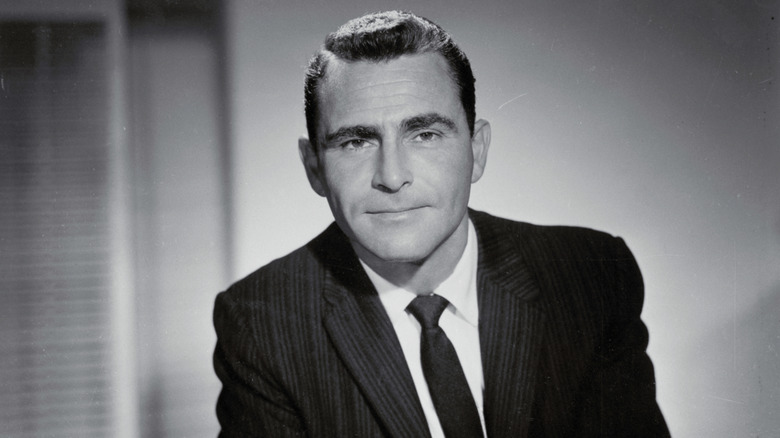
The Rod Serling Memorial Foundation has documented extensively how Serling fought to keep the soul of his stories intact. Even when forced to cut scenes or change dialogue, he often found ways to retain the core of his message. Whether through the ironic twists at the end of an episode or the moralizing voiceover intros and outros, Serling ensured that the viewers were left with a lingering sense of unease that forced them to reflect on the society they inhabited.
The Legacy of the Sponsor Conflict
The friction between Rod Serling and his sponsors is a foundational part of the history of American television. It serves as a reminder that the content we consume is rarely the result of purely artistic vision; it is often the product of a delicate, often volatile negotiation between the creator’s voice and the financier’s wallet.
A Different Era of Advertising
The advertising model of the 1950s—often referred to as the "single-sponsor" model—gave corporations an unprecedented level of control over the programs they paid for. Because a company like a coffee brand or a food manufacturer was paying for the entirety of an episode, they viewed the show as an extension of their own advertising copy. They felt they had a right, and perhaps a responsibility, to curate the content to ensure it remained "safe" for the suburban families they were targeting.
Evolution of the Medium
Today, the model has changed, but the pressure remains. While modern showrunners may not face the same direct censorship regarding tea or "gruesome" imagery, they face the pressure of algorithms, international marketability, and the "brand safety" requirements of digital platforms. Serling’s battle was the prototype for the ongoing struggle of creators to maintain their vision in a commercial environment.
Conclusion: The Persistence of Vision
Looking back at the history of The Twilight Zone, it is a testament to Rod Serling’s brilliance that the series not only survived these corporate interventions but thrived in spite of them. The confusion of "the Old Man" and the demands of coffee brands now seem like relics of a bygone era, but they provide critical context for the weight of the work Serling was producing.
He was writing for an audience that was often patronized by their own sponsors, and he was doing so while his own funding was being threatened by those who couldn’t—or wouldn’t—understand the complex, cautionary tales he was telling.
Ultimately, the sponsors did not succeed in diluting the impact of The Twilight Zone. Instead, they inadvertently highlighted the necessity of such a show. By attempting to force the series into a box of simplicity and comfort, they only proved how vital Serling’s uncomfortable, complex, and deeply human questions truly were. The show remains, decades later, a towering achievement—not just for what it said, but for the tenacity with which it was created in the face of those who wanted it to be something much smaller than what it was.