
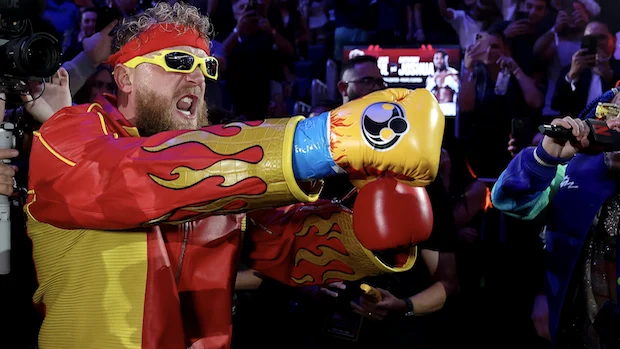
In an era where social media metrics, 24-hour news cycles, and the democratization of opinion have fundamentally altered the landscape of fame, the line between a beloved athlete and a cultural pariah has never been thinner. Recognizing this shift, US network Vice TV has announced the commissioning of Everybody Hates, a high-stakes, six-part anthology series that aims to dissect the lives of the most polarizing figures in modern athletics.
Produced by the award-winning Vice Studios, the series promises to move past the superficial narratives found on X (formerly Twitter) or Instagram comment sections. Instead, it seeks to explore the sociological and psychological machinery that turns human beings into lightning rods for public discourse.
The Core Objective: Deconstructing the "Villain" Archetype
The premise of Everybody Hates is deceptively simple: How do these figures become magnets for such intense, often irrational, public scrutiny? And why, regardless of their individual accomplishments, does nearly everyone feel entitled to a vehement opinion on their personal and professional lives?
The series will dedicate each episode to a specific athlete whose career has been defined as much by their controversies as by their accolades. The lineup is intentionally provocative, featuring:
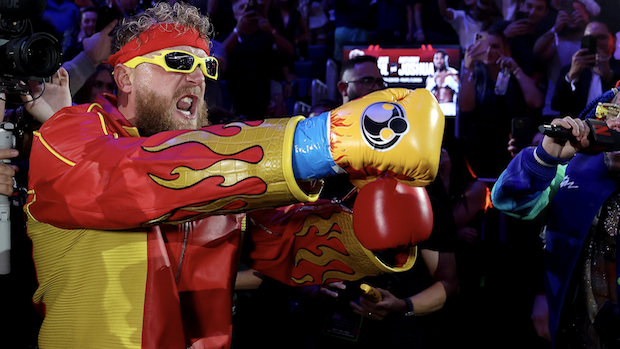
- Jake Paul: The YouTuber-turned-pugilist who has successfully disrupted the boxing establishment.
- Caitlin Clark: The basketball sensation whose meteoric rise to WNBA superstardom sparked debates about race, privilege, and the commercialization of women’s sports.
- Michael Vick: The former NFL quarterback whose legacy remains indelibly marked by his past criminal convictions and subsequent path to redemption.
- Cristiano Ronaldo: A global icon whose transition from Manchester United to the Saudi Pro League ignited conversations regarding sportswashing and the legacy of the "GOAT" debate.
- Floyd Mayweather Jr.: The undefeated boxing titan whose "Money" persona turned him into the sport’s ultimate heel.
By focusing on these specific individuals, Vice TV is positioning itself to examine the intersection of sports with broader cultural issues, including gender equality, the ethics of modern media, and the power of individual branding.
Chronology and Release Schedule
For viewers eager to dive into these deep-dive profiles, the rollout of Everybody Hates is designed to maintain a consistent cultural conversation throughout the autumn of 2026.
- Premiere Date: Tuesday, October 27, 2026.
- Format: Weekly linear broadcast on Vice TV.
- Conclusion: The six-part run will conclude on December 1, 2026.
- Digital Accessibility: Recognizing the habits of its core demographic, Vice TV has confirmed that select episodes will be available for streaming on the Vice TV YouTube channel precisely 24 hours after their linear premiere, bridging the gap between traditional television and digital-first consumption.
Supporting Data: Why Polarization Sells
The decision to greenlight Everybody Hates is not merely an artistic choice; it is a calculated business move based on the changing nature of sports engagement. Data from recent years indicates that "villainous" or "divisive" athletes often drive higher engagement numbers than their more traditional counterparts.
According to industry analysts, the rise of "hate-watching" and the "debate culture" popularized by programs like First Take has created a market where controversy is a high-value commodity. For example, Jake Paul’s high-profile bouts—such as his 2025 match against Anthony Joshua—consistently break streaming records, not necessarily because the audience is rooting for him, but because they are invested in his potential failure.
Vice TV’s project seeks to formalize this dynamic. By examining the data behind social media sentiment, the show will likely highlight how these athletes benefit from, and are simultaneously harmed by, the very polarization they generate. This is not just a documentary; it is an autopsy of the "Main Character" syndrome that defines 21st-century sports celebrity.
Official Responses and Editorial Vision
The network’s leadership believes that Everybody Hates represents the quintessential Vice identity: gritty, inquisitive, and unafraid to challenge prevailing wisdom.
"The biggest stories in sports are often the ones everyone thinks they already know," stated Pete Gaffney, President of Vice TV. "Today’s athletes are judged in real time, often before the full story is understood. Everybody Hates looks beyond the headlines to examine how these figures became symbols of much larger cultural conversations. That’s exactly the kind of storytelling Vice has always done best."
Gaffney’s sentiments reflect a broader industry trend toward "contextual journalism." As the public becomes increasingly wary of "clickbait" headlines, there is a growing appetite for long-form investigations that provide the human nuance often stripped away by algorithm-driven media. By allowing cameras and investigative journalists into the orbit of these athletes, Vice hopes to reveal the humans behind the caricatures.
Implications: The Future of Sports Stardom
The release of Everybody Hates arrives at a pivotal moment in the history of sports media. As we look at the subjects of the series, we see a shift in how athletes manage their personal brands.
1. The Death of the "Neutral" Athlete
The modern athlete can no longer afford to be a blank slate. Whether through political activism, eccentric behavior, or aggressive self-promotion, the most successful athletes of the current era are those who polarize. The series will likely explore whether this is a conscious strategy by the athletes themselves—understanding that "love" and "hate" are merely two sides of the same engagement coin.
2. The Power of the "Main Character"
Figures like Caitlin Clark and Jake Paul have transcended their respective sports. They represent, for better or worse, the cultural zeitgeist. When a basketball player or a boxer becomes a proxy for broader cultural wars, the sport itself often takes a backseat. Everybody Hates will be instrumental in mapping this transition from athlete to cultural icon.
3. The Burden of Representation
Perhaps the most poignant aspect of the series will be the look at Michael Vick and Floyd Mayweather Jr. These figures represent the "burden of representation," where an individual’s personal failures or successes are projected onto their entire demographic. The show’s ability to handle these sensitive topics with journalistic integrity will be the true measure of its success.
Conclusion: A Mirror to the Audience
Ultimately, Everybody Hates is not just about the athletes; it is about the audience. By asking why we care so deeply about the perceived shortcomings of a millionaire athlete, Vice TV is holding a mirror up to the viewer.
In a digital landscape that rewards outrage, we have become accustomed to consuming the lives of others as a form of entertainment. Vice TV’s ambitious new series invites us to stop, take a breath, and reconsider the complexities of the figures we love to despise. As the premiere approaches on October 27, the question remains: When we look at these athletes, are we seeing them, or are we just seeing a reflection of our own prejudices and passions?
With its combination of high-profile subjects, deep investigative rigor, and a commitment to the Vice brand of storytelling, Everybody Hates is poised to be one of the most discussed television events of the 2026 season. It promises to move the needle from the superficial to the profound, ensuring that even if the public continues to hate these figures, they will at least do so with a deeper understanding of the forces at play.