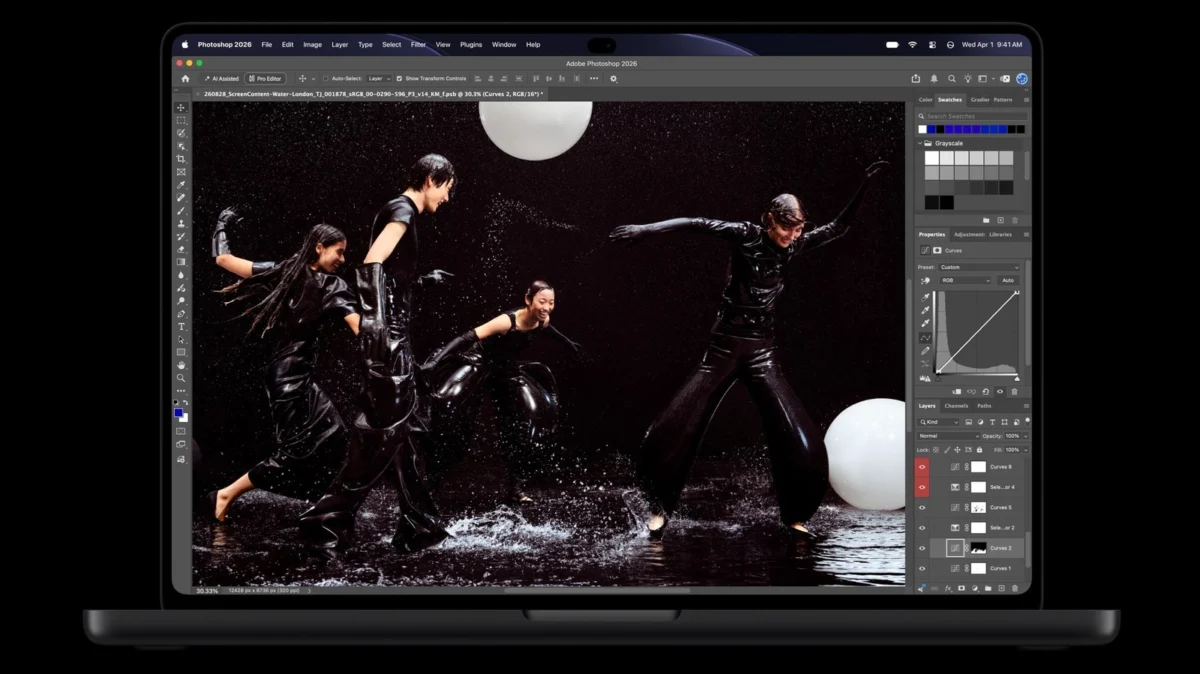
While the introduction of a touchscreen interface on the MacBook Pro has captured the majority of the headlines, Apple’s underlying display innovation—branded as "PROLED XDR"—represents a more profound shift in professional computing. By moving away from Mini LED and embracing tandem OLED technology, Apple is attempting to redefine the standards for color grading, HDR content creation, and visual longevity. Despite the marketing-heavy moniker, which has drawn criticism for being unnecessarily "cringy," the engineering reality behind the screen suggests a significant leap forward for creative professionals.
Main Facts: A Paradigm Shift in Panel Architecture
At the heart of the new MacBook Pro lineup is a display technology that borrows heavily from the M4 iPad Pro, yet pushes the boundaries further for the laptop form factor. The PROLED XDR panel is built on a "tandem OLED" architecture. Unlike standard single-layer OLED panels, which rely on one light-emitting layer, tandem OLED stacks multiple organic layers on top of one another.
This structural change is not merely for marketing impact; it is a fundamental hardware solution to the historical weaknesses of OLED technology: brightness limitations and the specter of burn-in. By distributing the electrical load across multiple layers, Apple has achieved a peak HDR brightness of 2,000 nits. This represents a significant 25% increase over the previous Mini LED-based XDR displays, which topped out at 1,600 nits.
Furthermore, the integration of a sophisticated display engine allows for sub-millisecond control over individual pixel luminance and color. This engine operates in real-time, monitoring temperature, environment, and content, effectively "aging" the display by adjusting voltage to pixels based on their historical usage patterns. This active management is designed to keep the screen uniform over years of heavy professional use.
The Chronology of Apple’s Display Evolution
To understand the magnitude of the PROLED XDR transition, one must look at the timeline of Apple’s display strategies over the last decade.
- 2016–2019: The Retina Era. Apple focused on color-accurate LCDs with P3 wide color gamut coverage. While reliable, these panels lacked the deep black levels required for true cinematic HDR.
- 2021: The Mini LED Pivot. The introduction of the 14-inch and 16-inch MacBook Pro models with Liquid Retina XDR (Mini LED) was a watershed moment. It brought high contrast and massive brightness to the laptop, though it was plagued by minor "blooming" effects caused by the haloing of local dimming zones.
- 2024: The M4 iPad Pro Precursor. Apple debuted tandem OLED in the M4 iPad Pro, signaling that the technology was finally mature enough to handle the power demands of higher-end hardware.
- 2025/2026: The PROLED XDR Launch. Apple officially replaces Mini LED in the MacBook Pro with PROLED XDR. This marks the first time the company has fully committed to organic light-emitting diode technology for its professional laptop flagship, paired with a touch-sensitive layer.
Supporting Data: Why Professionals Should Care
The technical specifications provided by Apple are designed to satisfy the rigorous requirements of high-end colorists and visual effects artists.
Color Accuracy and Gamut Coverage
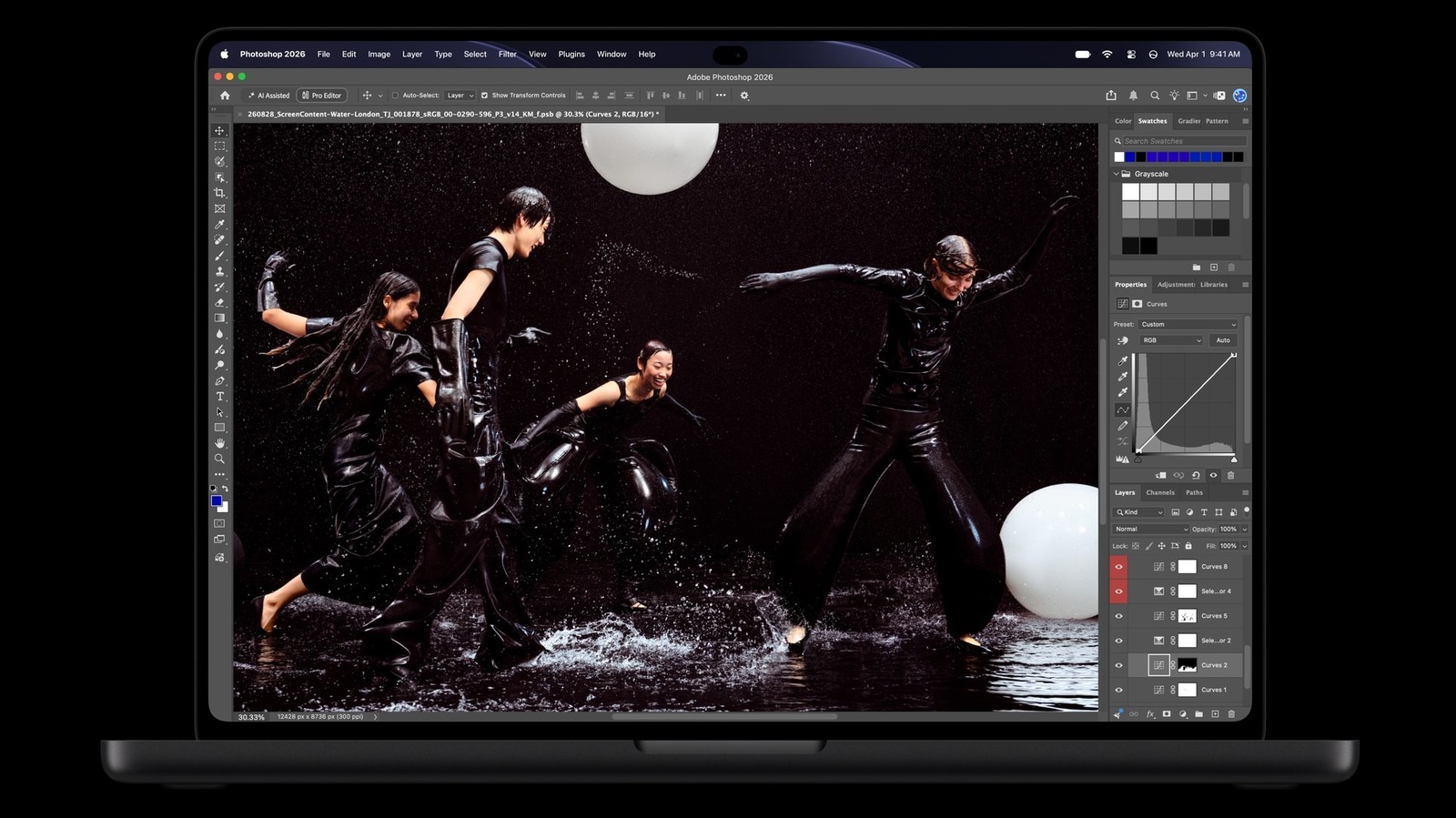
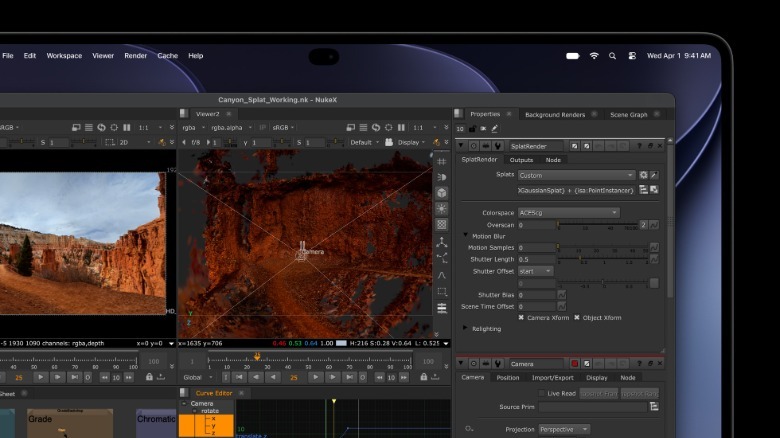
The PROLED XDR display offers an expansive color profile. Apple reports that the panels cover both the P3 and Adobe RGB gamuts with "notably wider coverage" in the green and cyan ranges—areas where traditional displays often fall short. Perhaps most impressively, the display reaches 80% coverage of the Rec.2020 gamut. For those working in HDR video workflows, this level of precision allows for color grading that was previously only possible on specialized, multi-thousand-dollar reference monitors.
The Contrast Advantage
While Mini LED provided high contrast, it was limited by the number of local dimming zones. PROLED XDR effectively provides "infinite" contrast—each pixel is its own light source, meaning blacks are truly black, with no light bleed from adjacent pixels. The claimed 10,000,000:1 contrast ratio is a theoretical baseline that ensures the "XDR" (Extreme Dynamic Range) branding remains earned.
Anti-Glare Innovation
For mobile professionals, the environment is rarely controlled. Apple has introduced a nano-texture option, previously seen on the Pro Display XDR, for the laptop. This is not a screen protector; it is a precision-etched glass surface that breaks up light, significantly reducing glare while maintaining contrast. When combined with the high peak brightness, the new MacBook Pro becomes one of the few machines on the market that remains perfectly legible in direct sunlight.
Official Responses and Engineering Nuance
Apple’s messaging emphasizes "factory calibration" as a core pillar of the PROLED XDR experience. Every unit undergoes rigorous testing to ensure that white point, luminance, and color gamut metrics align with industry-standard targets.
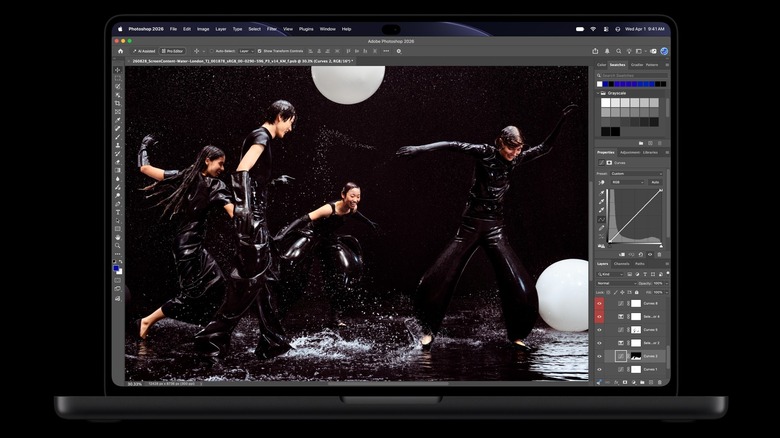
When questioned about the pixel arrangement, early reports suggest Apple has opted for a triangular pixel structure rather than the traditional striped RGB layout. While the company has yet to provide full documentation, experts believe this structure is designed to optimize text rendering and minimize the "fringing" issues often associated with non-standard OLED sub-pixel layouts.
Regarding the concern of "cringy" marketing, an Apple spokesperson noted: "The PROLED designation reflects the marriage of our professional display engine with the unique capabilities of tandem OLED. It is about the holistic system, not just the panel."
Implications: The High Cost of Perfection
The shift to PROLED XDR comes with a notable financial barrier. The base price of these models has seen a $400 increase, a premium that will undoubtedly alienate the casual consumer. However, for the target audience—filmmakers, 3D modelers, and professional colorists—this cost is likely viewed as an investment in efficiency.
Impact on the Industry
The inclusion of a touch interface on a display of this quality is a double-edged sword. While it invites interaction, it also necessitates more frequent contact with the glass. Apple’s emphasis on the display engine’s ability to manage pixel life suggests that they are banking on software and hardware-level mitigation to handle the wear and tear of a touchscreen.
The Competitive Landscape
If Apple’s claims regarding brightness and color accuracy hold up under third-party testing, the MacBook Pro will effectively kill the need for portable reference monitors in many production scenarios. Competitors in the Windows space—many of which rely on single-layer OLED panels—will be forced to either adopt tandem technology or risk losing the high-end creative market.
Longevity and Sustainability
Perhaps the most important implication of this technology is the attempt to solve the "OLED lifespan" problem. If the display engine truly compensates for pixel aging in real-time, the MacBook Pro may be the first laptop that remains as color-accurate in its fourth year as it was in its first. This is a critical development for a device that is increasingly being treated as a five-to-six-year investment.
Conclusion
Apple’s PROLED XDR is, at its core, a testament to the company’s ability to refine emerging display technologies for professional environments. While the name may invite eye-rolls from tech purists, the specifications—2,000 nits, wide Rec.2020 coverage, and the innovative tandem architecture—are undeniably impressive. Whether the average user will perceive the difference is debatable, but for the creative industries, the move to PROLED XDR is a significant, if expensive, step into a more vibrant and durable future. As the industry watches, the real test will be whether this panel can survive the rigors of the field while maintaining that industry-leading calibration. For now, Apple has set a new, high-performance benchmark for the laptop display market.