After nearly 12 years of pioneering virtual reality experiences, Seattle-based independent developer Polyarc has officially closed its doors. The studio, best known for the critically acclaimed Moss franchise, announced the cessation of its operations via a poignant LinkedIn post, marking a somber conclusion to a journey that helped define the early potential of VR gaming.
The closure marks more than just the end of a single studio; it serves as a stark barometer for the broader virtual reality industry, which has faced significant headwinds as major players pivot their focus toward artificial intelligence and hardware consolidation.
The Core Facts: A Studio Shuttered
The announcement came this week, accompanied by a "reverse recruiting" spreadsheet—a common and compassionate practice in the modern gaming industry—detailing that at least 29 staff members are now seeking new opportunities.
"After nearly 12 years riding the joyous rollercoaster of emotions that is making video games, our time together has come to an end," the company stated in its final public address. "As we wind down active development, we are saying our farewells to each other. Working together over all of these years has been an honor. Bringing surprise and delight to those who played our games has been a privilege. Thank you to everyone at Polyarc, our work is now finished."
While the studio has ceased active development, it confirmed that its existing catalog—including Moss, Moss: Book II, and the multiplayer strategy title Glassbreakers—will remain available for purchase across all digital storefronts.
Chronology: From VR Pioneers to Final Curtain
The Early Years (2015–2018)
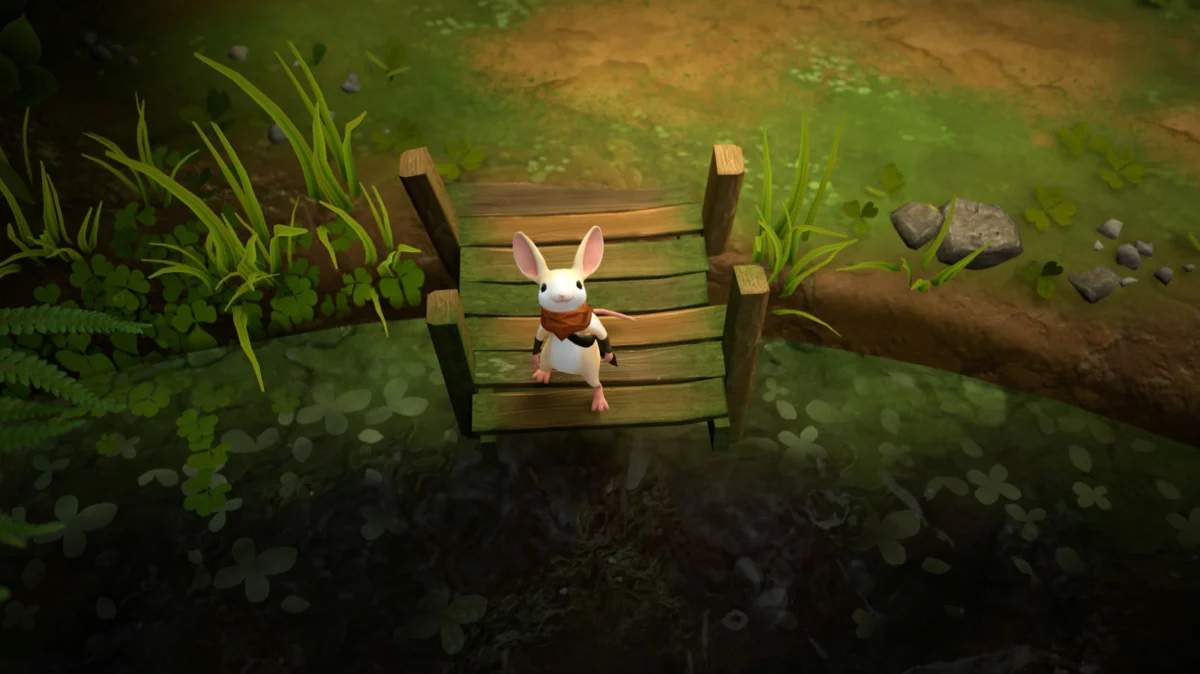
Founded by industry veterans from companies like Bungie and Valve, Polyarc burst onto the scene with a clear vision: to create immersive, character-driven stories that felt natural in virtual space. In 2018, they released Moss, a game that would become the gold standard for third-person VR platforming. By placing the player in the role of a "Reader" who guides a tiny, sword-wielding mouse named Quill through a diorama-like world, Polyarc solved one of VR’s biggest hurdles—motion sickness—while creating an emotional connection between the player and their virtual avatar.
Scaling and Diversification (2019–2023)
Following the massive success of Moss, the studio expanded its reach. Moss: Book II (2022) was met with even greater critical acclaim, building on the mechanical depth of the first title. During this period, the studio explored new hardware ecosystems, ensuring their games were launch titles or staples on PlayStation VR, Oculus (Meta) Quest, SteamVR, and eventually Pico. They also experimented with competitive gaming through Glassbreakers, a real-time strategy game built specifically for the Apple Vision Pro, signaling an attempt to capture the high-end, spatial computing market.
The Strategic Pivot and Final Efforts (2024–2026)
Recognizing that the VR market remained niche, Polyarc took a bold risk in May 2026 with Moss: The Forgotten Relic. This release was a collection of the series, significantly reimagined to be played on traditional consoles without a VR headset. It was an attempt to move beyond the "VR-only" label and reach the millions of gamers who hadn’t invested in a headset. Unfortunately, the transition appears to have come too late to stabilize the company’s financial trajectory.
Industry Implications: A Chilling Effect on VR
The collapse of Polyarc is not an isolated event; it is a symptom of a systemic cooling within the virtual reality development sector.
The Meta Factor
For years, the industry relied on the "gold rush" era of VR, heavily subsidized by Meta (formerly Facebook). Meta’s massive investment in the Quest ecosystem provided a runway for studios like Polyarc to develop premium, polished titles. However, the start of this year marked a definitive shift. Meta pivoted its corporate strategy toward AI-integrated hardware and general-purpose computing, resulting in the closure of several of its own first-party VR studios.

When the primary patron of a technology platform begins to pull back, independent developers—who lack the massive financial cushions of tech giants—are often the first to feel the impact. The reduction in venture capital interest for "standalone VR" projects has created a funding vacuum, leaving studios with few options for financing new, ambitious titles.
The "Death of the Niche"
Polyarc’s struggle with Moss: The Forgotten Relic highlights a painful truth: even the best-reviewed VR games struggle to achieve the scale necessary to support a full-scale studio in the long term. While VR enthusiasts often cite Moss as a "must-play" title, the addressable market for a premium, single-player VR experience remains constrained by hardware adoption rates.
Official Responses and The Human Cost
The "reverse recruiting" document shared by the studio has been widely circulated by industry peers and former employees. It serves as a testament to the culture Polyarc built. Industry observers have noted that the studio was widely respected for its artistic integrity and its commitment to "surprise and delight."
"The talent leaving Polyarc represents a massive loss of institutional knowledge in the VR space," says an industry analyst familiar with the studio’s trajectory. "These are people who learned the hard lessons of spatial design before anyone else. Their departure from the workforce is a signal that the ‘experimental’ phase of VR is being replaced by a ‘consolidation’ phase, where only the largest, lowest-risk projects will survive."
Former employees have taken to social media to express their gratitude for their time at the studio, highlighting the camaraderie that defined the team. The studio’s final post, while brief, emphasizes that the goal was never just to build a product, but to create a shared, emotional experience—a goal they undeniably met for hundreds of thousands of players worldwide.
The Legacy of Quill
As the final digital lights go out at Polyarc, the legacy of their work remains. Moss is frequently cited as the game that convinced skeptics that virtual reality was more than just a gimmick. It proved that a headset could be a window into a storybook world, and that a mouse named Quill could be as compelling a protagonist as any high-budget human character in traditional media.
For those who own a headset, the library remains a monument to a studio that swung for the fences during a time when the rules of the game were still being written. The closure is a reminder of the volatility of the tech sector, but it does not diminish the impact of the artistry produced.
As we look toward the future of XR (Extended Reality), the lessons learned by the Polyarc team—about player agency, camera control, and the emotional resonance of virtual spaces—will undoubtedly inform the next generation of developers. Their contribution to the medium is permanent, even if the studio itself is now part of gaming history.
For the 29 employees now navigating a difficult job market, the industry response has been overwhelmingly supportive, with dozens of major studios reaching out to offer roles. While the studio is gone, the community they helped build remains, and the "Reader" will always have a place in the quiet, magical library of Moss.