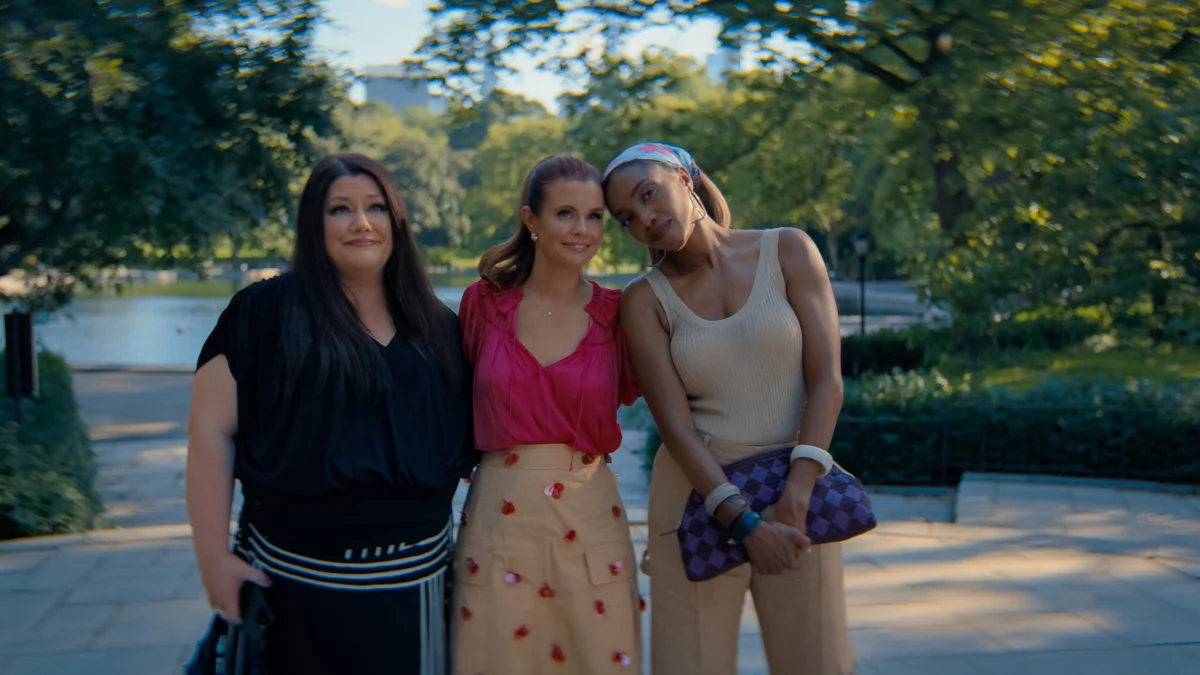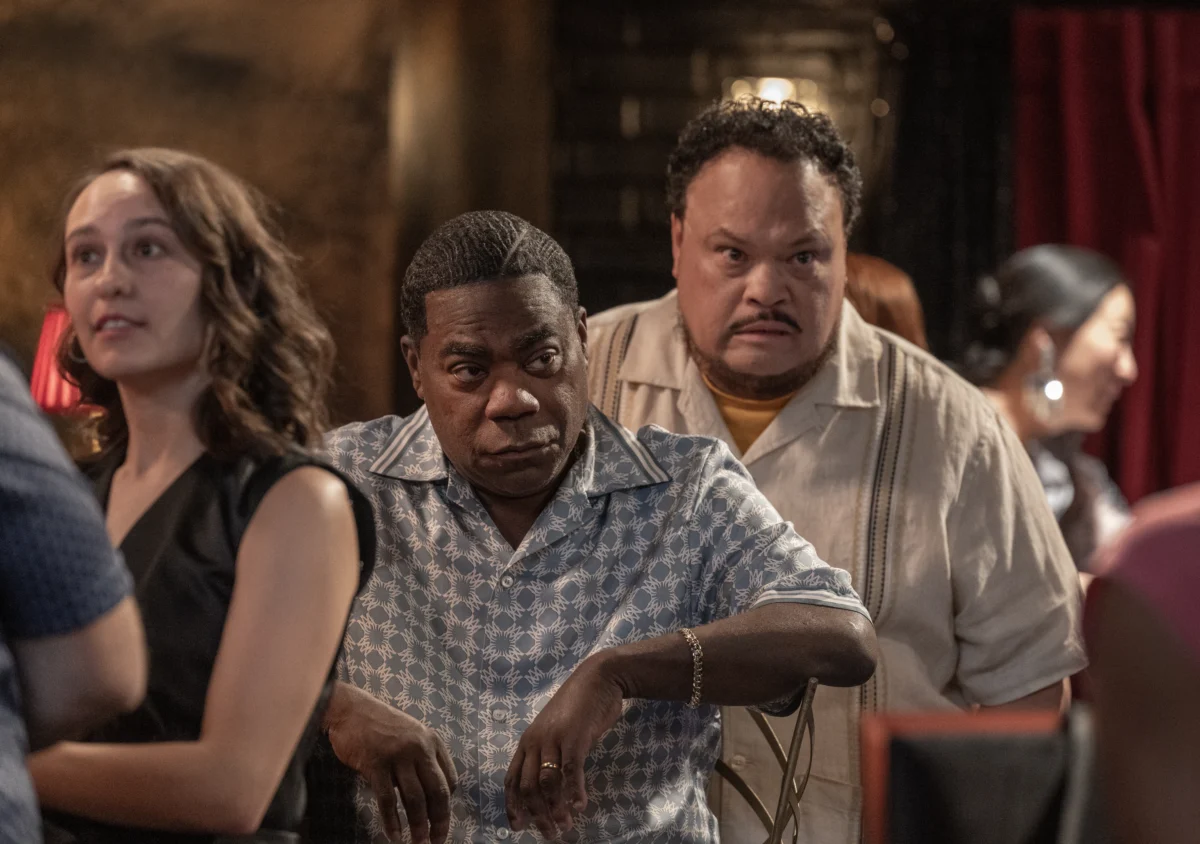
SAVANNAH, Ga. — To the uninitiated, the glamour of cinematic costume design often conjures images of luxury boutiques, high-end shopping sprees, and runway trends transposed onto the silver screen. However, according to Hollywood’s top artisans, this popular misconception entirely misses the point. Costume design is not merely about shopping; it is an intricate exercise in historical research, psychological profiling, and visual storytelling.
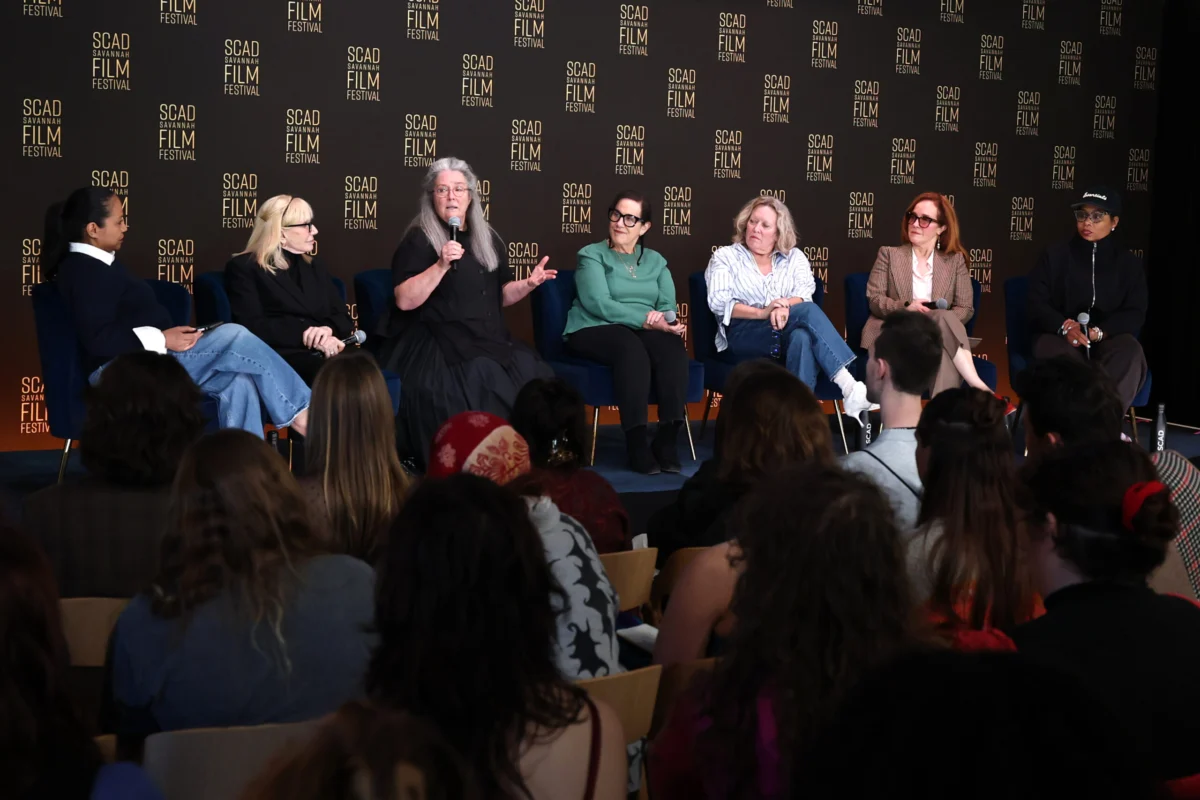
That was the central thesis delivered by veteran costume designer Molly Rogers during the Costume Design Roundtable at the SCAD Savannah Film Festival. Moderated by Variety’s Senior Artisans Editor Jazz Tangcay, the panel featured a powerhouse lineup of industry luminaries, including Ellen Mirojnick (The Odyssey), Arianne Phillips (The Invite), Linda Muir (Werwulf), Amy Roth (I Play Rocky), and Marci Rodgers (Michael).
Together, these creators pulled back the curtain on an often-misunderstood discipline, revealing the rigorous methodology, institutional hurdles, and creative triumphs that define the modern wardrobe department.
Main Facts: The Reality Behind the Seams
The prevailing theme of the roundtable was clear: contemporary and period costume design is an intellectual and psychological discipline rather than a retail expedition.
Molly Rogers, whose extensive credits include serving as an assistant costume designer on the iconic The Devil Wears Prada and later returning as the costume designer for its anticipated sequel, did not mince words regarding industry aspirants.
"When someone comes up to me and says, ‘I really want to learn and work with you. I love to shop,’ That’s an automatic exit," Rogers stated bluntly.
Rather than chasing fleeting retail trends, designers must act as archaeologists of human behavior, socio-economic standing, and character evolution. Whether navigating the corporate cutthroat corridors of 1980s New York, outfitting Viking nobility in historical dramas, or recreating global pop-culture touchstones, these designers use textiles as a primary narrative language.
The panel highlighted that contemporary design is frequently viewed by studio executives and actors as an intuitive task—after all, everyone wears clothes. Yet, navigating ego, corporate product placement mandates, and strict historical accuracy makes it one of the most demanding specialties in modern filmmaking.
Chronology: From Early Career Hurdles to High-Profile Blockbusters
The evolution of a costume designer is marked by meticulous preparation, shifting industry standards, and a progressive understanding of how actors inhabit a space. The panel traced this professional trajectory through the personal histories of its members.
Marci Rodgers and the Urban Landscape
Marci Rodgers recalled her early days cutting her teeth on Spike Lee’s groundbreaking She’s Gotta Have It. Arriving from Chicago with a keen awareness of regional stylistic differences, Rodgers recognized that New York’s visual culture required immersion. She actively asked Lee to sit with her during background casting sessions simply to observe how everyday people walked into the room and dressed themselves.
When developing the wardrobe for the character Nola Darling, Rodgers discovered that the character’s artistic idol was Prince. Translating that subtle cue meant avoiding high-end luxury stores like Saks Fifth Avenue; instead, Rodgers scoured thrift stores, weaving "tidbits of purple" into a thrift-centric wardrobe that reflected Nola’s bohemian reality.
Later, on the Chicago-set comedy Barbershop, Rodgers faced the pressure of capturing a specific hyper-local community aesthetic. A mentor’s early warning proved prophetic: "Contemporary design would be the hardest thing I’d ever do. Actors will come in with an idea — or no idea — and then, after the table read, everything changes."
Ellen Mirojnick: Documenting Eras and Crafting Scale
Ellen Mirojnick, a titan of contemporary design whose work includes Wall Street, Basic Instinct, and Fatal Attraction, reflected on the documentary nature of her early career.
"In the beginning of my career, I did a lot of contemporary costume, and I loved it. I loved being able to document what New York was like at that period, because yes, it was for film, but it also documented the history of what we were like," Mirojnick explained. "Contemporary design is very difficult and very beautiful at the same time to create."
Moving from the concrete canyons of Manhattan to ancient Greece, Mirojnick recently undertook a staggering challenge: crafting over 5,300 costumes for Christopher Nolan’s The Odyssey, which included distinct sartorial arcs for Anne Hathaway’s Queen Penelope.
Supporting Data: Case Studies in Textural Storytelling
To understand the weight of modern costume design, one must examine the granular details of recent cinematic projects discussed by the panel.
The Odyssey: The Politics of Red and Blue
In The Odyssey, Mirojnick built a visual language anchored in color psychology and narrative consistency. The House of Ithaca was assigned a foundational "burned red" color theme, which permeated Penelope’s wardrobe to anchor her securely within her environment without disrupting the narrative flow.
The psychological climax of Penelope’s visual arc arrives when Odysseus finally returns. Abandoning the red tones, Penelope dons a structured, deep blue dress that functions explicitly as armor.
"We created a drape with fine pleats, very tight and specific to the shape of her body," Mirojnick noted. "It went up through her neck, paired with a golden necklace — one of the only decorative pieces she wears. It felt as if she was ready for battle, and she was going to hold her own… her gown reinforced her strength."
Werwulf: The Economics of Viking Wool
For period projects requiring rigorous historical fidelity, the hurdles multiply exponentially. Linda Muir, collaborating with director Robert Eggers on The Northman and Werwulf, detailed the exhaustive research required to accurately portray class structures through textiles.
In Viking-era societies, wool was not merely a warm fabric; it was a primary commodity and a direct status symbol. Muir noted a fascinating historical irony: "There are no wolves in the British Isles because the king ordered all of them eradicated so they wouldn’t eat the sheep."
Because the wealthy hoarded sheep and controlled the wool trade, heavy wool garments instantly telegraphed upper-class privilege. The real-world production challenge, Muir emphasized, lay in sourcing and training artisans capable of hand-crafting authentic wool fabrics, historical hats, primitive jewelry, buttons, and belts when working within a severely restricted palette of period-accurate materials.
The Invite: Subtext Through Spatial Harmony
Arianne Phillips brought her signature psychological depth to Olivia Wilde’s The Invite, marking their third major collaboration.
To visually define Angela, a stay-at-home artist grappling with a profound creative block, Phillips utilized minimalist means. Working alongside production designer Jade Healy, Phillips intentionally coordinated Angela’s layered wardrobe to visually blend her into the set’s background walls. When evaluating the palette of co-star Seth, Phillips noticed their respective blue tones felt slightly discordant—a happy accident that ultimately underscored the emotional disconnect within the characters’ relationship.
The Devil Wears Prada 2: Revisiting a Cultural Artifact
Returning to a beloved cinematic universe carries its own distinct terror. Molly Rogers admitted to meditating extensively on the legacy of the original film before accepting the challenges of The Devil Wears Prada 2.
"The first movie is so beloved, and I meditated on that for a while. It was a perfect storm — the script, the cast, the clothing. I thought, ‘OK, the curse of the sequel,’" Rogers recalled.
Despite the pressure, Rogers managed a triumphant return, even resurrecting Andy’s (Anne Hathaway) iconic cerulean sweater—an item the character would realistically retain over the years. The resurrection process became a collaborative, hands-on modification:
"Annie had scissors in her hands. I had wanted to shred it more naturally… But she chopped the sleeves off, and I realized it’s now a vest. I was trying to do menswear a little with her, so it read that way — it’s a vest."
I Play Rocky: Excavating Collective Memory
Amy Roth faced a unique hurdle while working on I Play Rocky: the original 1970s classic Rocky famously operated without a designated costume designer, leaving no traditional paper trail or designer archives to reference.
"Recreating this iconic look — not just from the film, but from my memory and everybody’s collective memory of Rocky — the hat, the leather jacket, the gloves, the bouncing ball, they were all crucial," Roth explained.
The linchpin of the wardrobe was Rocky’s signature leather jacket. Roth went so far as to hunt down an original period jacket on eBay in the exact size of her actor, Anthony Ippolito. She credited Ippolito with pushing the design work to new heights, noting that the actor fully embodied Sylvester Stallone’s physical posture and actively brought in reference photos to ensure absolute authenticity.
Michael: Decoding the King of Pop
Marci Rodgers closed out the technical deep dives by sharing the monumental task of recreating Michael Jackson’s legendary Thriller music video for the biographical film Michael.
Armed with an 800-page research book, Rodgers consulted Deborah Landis, the designer of the original video. Landis revealed a surprising historical detail: the iconic red Levi’s jeans Jackson wore were originally white and had to be custom-dyed red for the shoot.
Collaborating directly with Levi’s, Rodgers utilized Pantone color books to accurately match the dual shades of red required for the beaded jacket and denim. Every background element received the same forensic attention: "I thought, ‘That’s the woman in the pink dress. I’ve got to put the pearls right here.’"
Official Responses and Industry Insights
The roundtable conversation also served as a vital platform to address the structural and political realities of working within modern studio systems.
Arianne Phillips offered a candid critique of how studio executives, producers, and actors frequently undervalue the labor of costume designers due to a disconnect born of personal wealth and access to personal shoppers.
"I’ve been in rooms with studio executives. Directors, writers, producers and studio executives — they’re rich. They make a lot of money. They have a relationship to shopping, someone shopping for them," Phillips explained. "This happens with actors a lot, where they’ll say, ‘Oh, I know my character wore those Prada boots.’ You have to be, as Marci said, a salesperson for your character. Costume design can be disrespected so easily by people sitting behind desks moving numbers around and not giving you the support you need."
Implications: The Financialization of Fashion on Screen
Beyond internal studio friction, Phillips raised a growing systemic concern that threatens the artistic integrity of contemporary costume design: the rising tide of product placement and corporate brand financing.
As luxury fashion houses increasingly step into the film financing space to guarantee placement for their latest collections, the traditional firewall between narrative storytelling and commercial marketing is beginning to crack.
"We’re told by producers, ‘You have to use that product,’" Phillips warned fellow creators and aspiring filmmakers. "You have to choose directors who support staying true to the story, as this is only going to get more complicated with how films are financed."
The Future of the Craft
As film financing models shift and the pressures of sequels, biopics, and historical epics mount, the role of the costume designer is more critical—and more politically charged—than ever. Far from being a simple matter of selecting pretty clothes off a retail rack, modern costume design stands as a sophisticated blend of historical research, psychological architecture, and fierce protection of character truth against corporate intrusion.
The insights shared at the SCAD Savannah Film Festival underscore a vital truth: when an audience looks at a character on screen, every stitch, color swatch, and weathered texture tells a story long before a single line of dialogue is spoken.