NEW YORK — For years, the holy grail of influencer marketing was simple to measure: reach, likes, comments, and sheer volume of clicks. Yet, as e-commerce landscapes mature and digital ad spend faces tightening scrutiny, digital retailers are discovering a glaring disconnect between top-of-funnel applause and bottom-line reality. A creator can drive thousands of qualified visitors to a storefront and produce a steady clip of checkout notifications, only for a campaign to underperform commercially.
The culprit? A high volume of single-item purchases featuring low-priced entry goods.
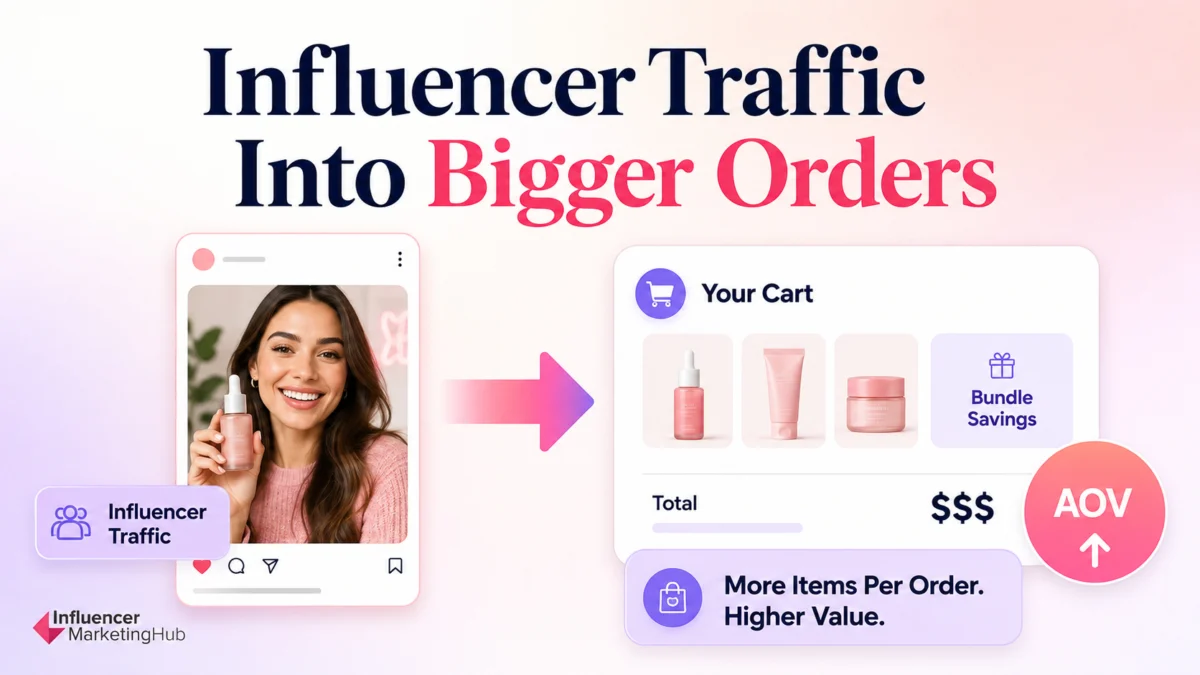
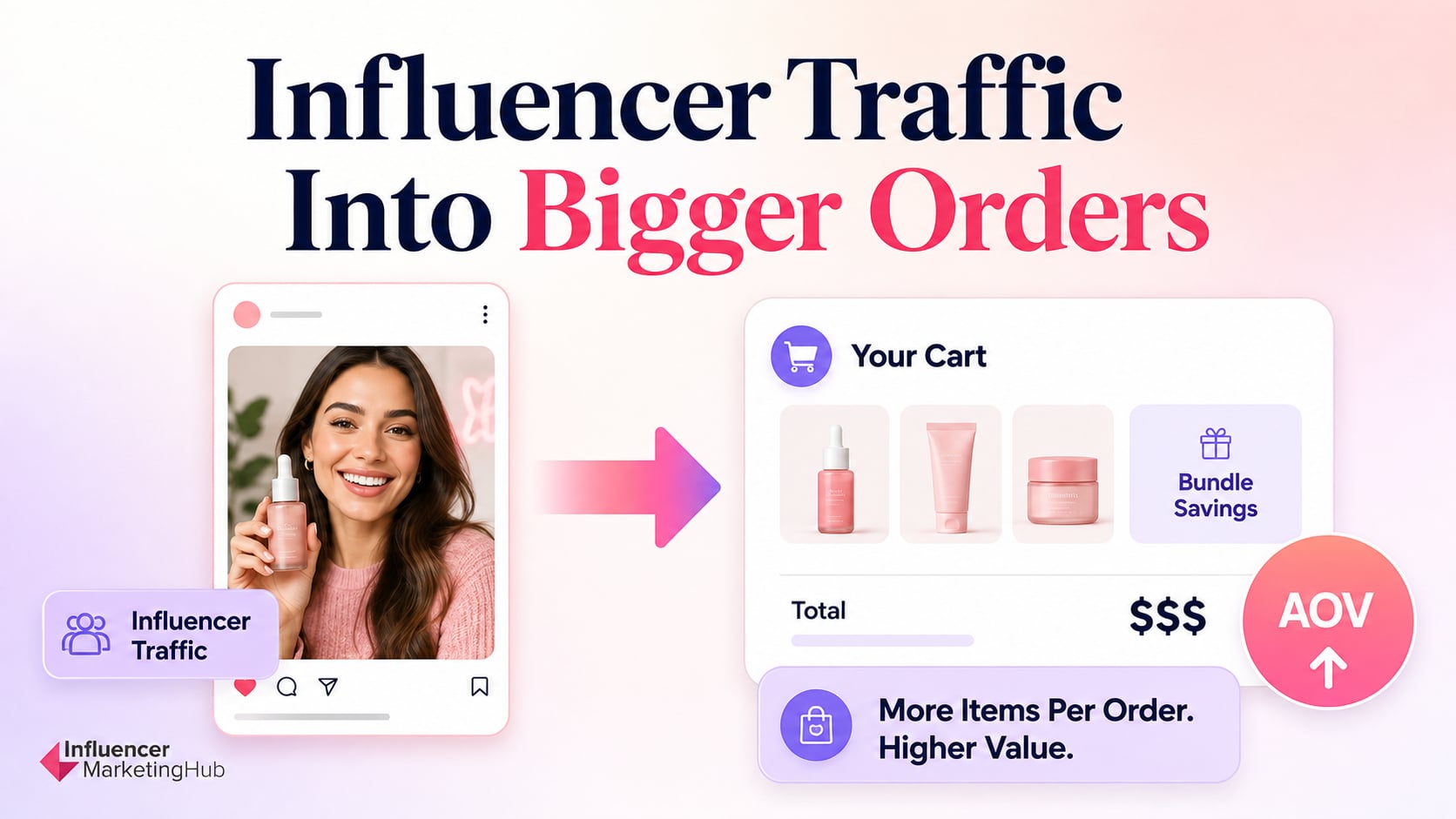
As digital storefronts face rising customer acquisition costs (CAC) and thinner margins, industry leaders are shifting their gaze away from vanity metrics. Instead, they are locking in on a critical financial lever: Average Order Value (AOV). By optimizing the post-click experience, e-commerce brands are learning that the true power of influencer marketing lies not just in generating traffic, but in transforming borrowed trust into high-value transactions.
Chronology of an Evolution: From Brand Awareness to Direct-Response Commerce
To understand how influencer marketing arrived at this juncture, it helps to examine its operational timeline over the past decade:
- 2015–2018 (The Era of Reach): Influencer marketing operated much like traditional billboard advertising. Brands paid creators based primarily on follower counts and estimated impressions, prioritizing brand awareness over direct attribution.
- 2019–2022 (The Performance Shift): With the rise of Shopify and direct-to-consumer (DTC) ecosystems, performance marketing took center stage. Tracking links, promo codes, and last-click attribution models forced creators to prove they could drive clicks and baseline conversions.
- 2023–Present (The AOV & Revenue Quality Focus): As traffic acquisition became increasingly expensive, brands realized that conversion volume alone was insufficient. E-commerce strategists began focusing heavily on post-click journeys, customized landing pages, product bundling, and tiered commission structures to maximize every dollar spent.
Why Influencer Traffic Behaves Differently Than Paid Ads
Not all digital traffic is created equal. When a consumer arrives at an online store via a retargeting ad on Meta or Google, they typically possess a baseline familiarity with the brand. They may have browsed the catalog previously or abandoned a cart.
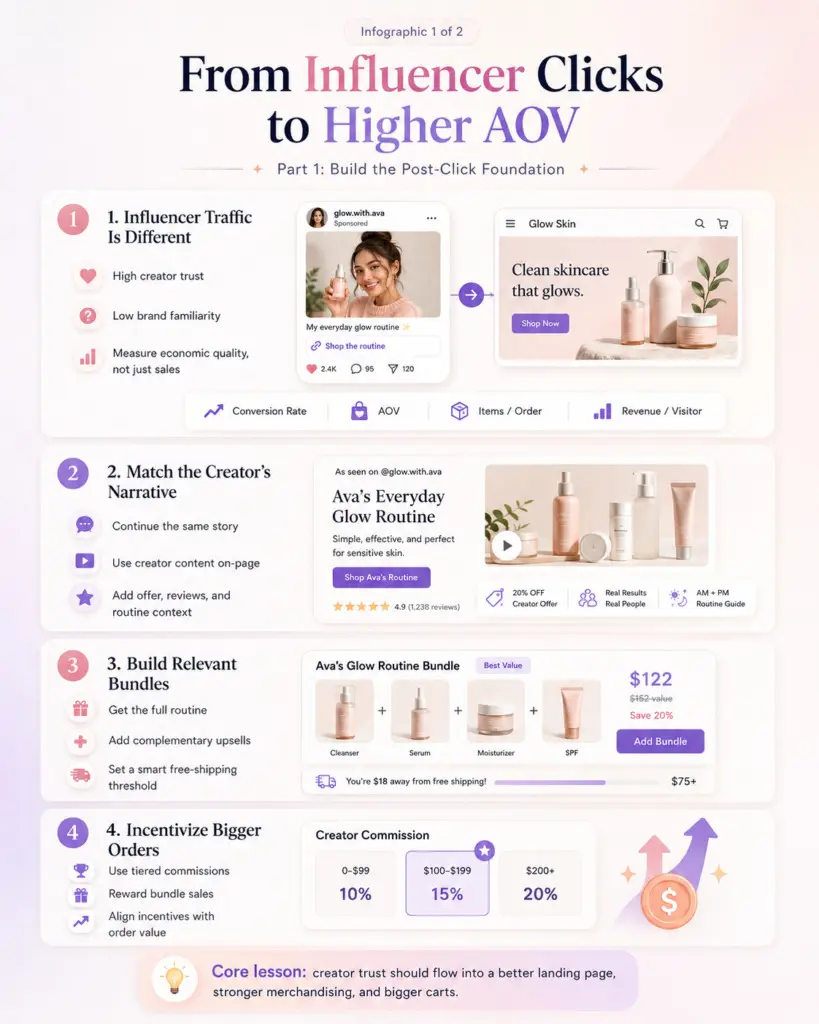
Influencer-referred visitors operate on a fundamentally different psychological frequency. They arrive carrying high trust in the creator’s personal recommendation, but often possess little to no prior familiarity with the brand’s broader product ecosystem. When a beauty influencer demonstrates a specific foundation or serum, that exact product becomes the sole reason for the click.
This creates a unique commercial paradox:
- The Advantage: The creator has already supplied powerful social proof, effectively dismantling the traditional skepticism associated with discovering an unfamiliar brand.
- The Limitation: If a shopper lands on a conventional product page designed for generic search traffic, they buy the single item and bounce. They remain blind to the rest of the catalog because the store fails to communicate why purchasing more makes sense.
To capture this hidden revenue, forward-thinking brands are segmenting traffic using creator-specific UTM parameters. By evaluating metrics such as Revenue Per Visitor (RPV), Items Per Order, and New-Customer Percentage, merchants can finally understand the true economic quality of influencer-driven traffic, rather than just tallying raw transaction counts.
Supporting Data: A Tale of Two Creators
To illustrate the importance of AOV over basic conversion volume, consider a comparative performance model frequently cited by e-commerce strategists:
| Performance Metric | Creator A | Creator B |
|---|---|---|
| Total Orders Generated | 100 | 100 |
| Average Order Value (AOV) | $45.00 | $80.00 |
| Total Gross Revenue | $4,500.00 | $8,000.00 |
| Items Per Order | 1.1 | 2.4 |
| Repeat Purchase Rate (60-day) | 12% | 28% |
As the data demonstrates, Creator A and Creator B produced identical top-line conversion counts (100 orders each). However, because Creator B’s campaign was integrated with contextual bundles and a higher-value narrative, they delivered nearly double the gross revenue. Evaluating creators strictly by conversion count would completely obscure this massive performance gap.
Official Industry Responses and Strategic Shifts
As performance data matures, digital marketing executives and platform developers are reshaping their toolkits to address the "narrative gap" between social feeds and checkout pages.
Industry analysts point out that one of the greatest sources of conversion friction occurs when a viewer transitions from a deeply contextualized video—such as a creator explaining how a product fits into a complex morning routine—to a sterile, text-heavy product page.
"The opportunity with influencer marketing isn’t simply generating more traffic," notes recent e-commerce research. "It’s designing the post-click experience so the trust created by an influencer translates into higher-value transactions."
To solve this, software platforms like Bundly and specialized Shopify integration apps are seeing explosive adoption. These tools enable brands to dynamically group products into custom bundles that mirror creator demonstrations, automating what was once a tedious manual process.
Furthermore, forward-looking affiliate networks are overhauling compensation models. Instead of paying a flat percentage across all sales—which offers creators zero incentive to pitch high-value bundles or multi-item sets—brands are increasingly deploying tiered commission structures. Under these models, creators unlock higher payout percentages or special bonuses once their referred order values cross predetermined revenue thresholds.
Implications for E-Commerce Brands
The shift toward AOV-driven influencer marketing carries profound implications for how brands structure their budgets, creative briefs, and long-term customer journeys.
1. Dedicated Creator Landing Pages
Rather than sending all social traffic to a generic homepage or single product listing, leading brands are building dedicated, campaign-specific landing experiences. These pages incorporate creator video content, outline specific routines or use cases, answer common objections, and immediately present related items.
2. Contextual Product Bundling
Influencers rarely showcase items in a vacuum; they present them as part of an outfit, a recipe, a morning routine, or a home decor setup. E-commerce merchants are capitalizing on this by packaging these exact collections into one-click bundles. This matches the purchase opportunity directly to the inspiration that sparked the customer’s interest.
3. Retargeting with Continuity
An influencer campaign should not die the moment a social post stops trending. Non-converting visitors who arrived via a creator recommendation represent a high-intent audience. Brands are now building custom retargeting segments using UTM parameters, ensuring that follow-up ads reinforce the original creator’s partnership, offer, or review, rather than defaulting to generic brand advertising.
4. Scaling with Creative Freedom
As brands scale their creator rosters, the temptation is to impose rigid compliance guidelines and corporate scripts. However, doing so often strips creators of the authentic voice that built their audience in the first place. Successful brands are moving toward a model of creative freedom within commercial guardrails—giving creators flexibility over how they present products while maintaining strict alignment on product claims, discount codes, and campaign links.
Conclusion: Redefining Influencer ROI
The era of evaluating influencer marketing solely by reach, impressions, and basic click-through rates is drawing to a close. For modern e-commerce brands navigating a hyper-competitive digital marketplace, the ultimate measure of success is financial efficiency and revenue quality.
By treating influencer marketing not merely as an upper-funnel traffic source, but as a holistic acquisition channel optimized all the way from social content to checkout, brands can unlock unprecedented commercial value. When the creator generates trust, the landing experience preserves it, product merchandising expands the basket, and advanced analytics track the true return—influencer marketing transforms from an unpredictable expense into a predictable, high-margin engine for scalable growth.