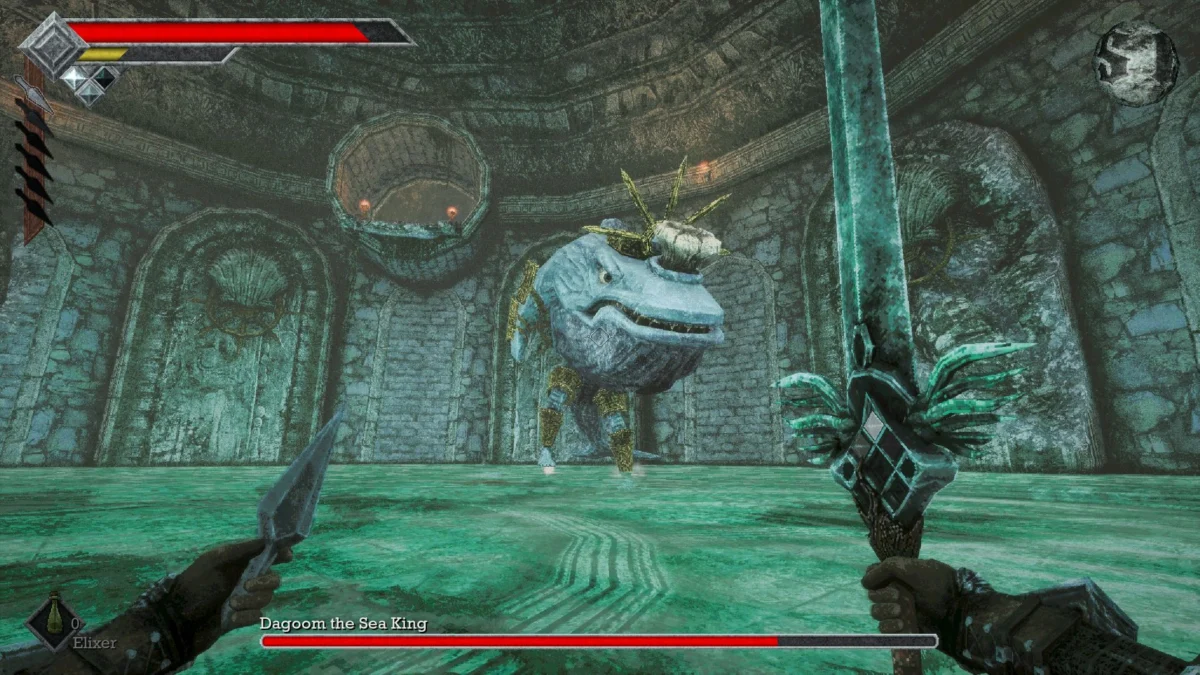
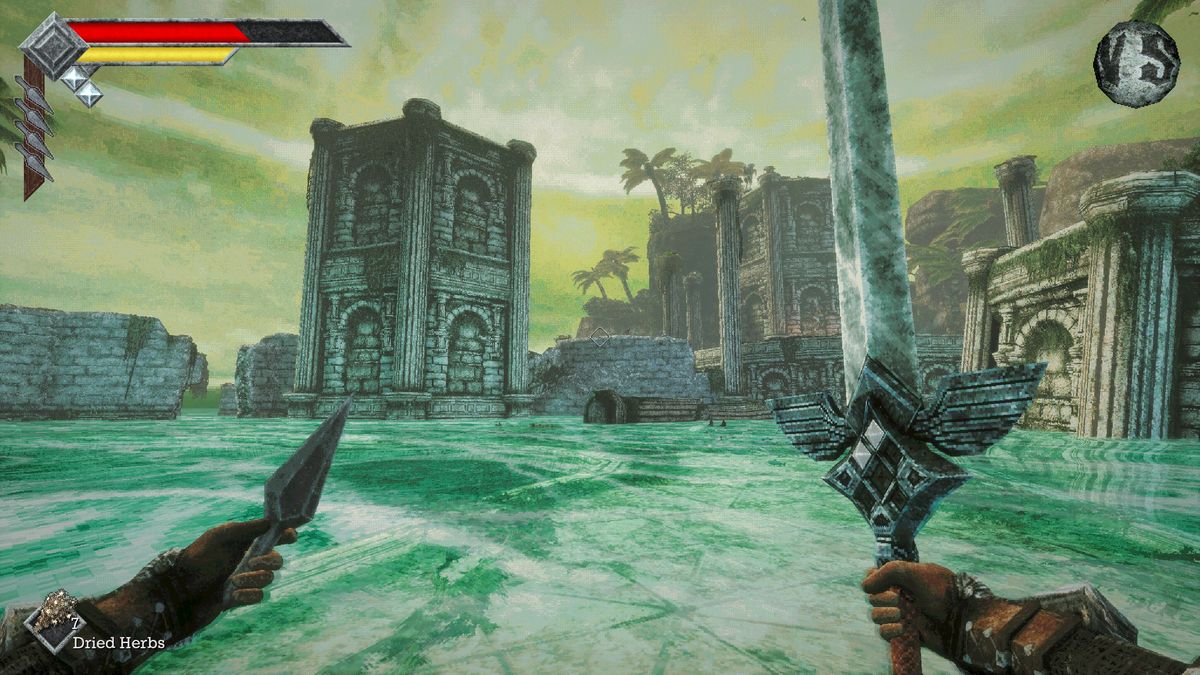
For years, the first-person dungeon crawler subgenre has occupied a specialized, often overlooked corner of the PC gaming landscape. Frequently referred to as "King’s Field-likes"—paying homage to FromSoftware’s cryptic, atmospheric, grid-and-real-time RPGs that predated the Dark Souls cultural phenomenon—these titles generally ask players to adjust to slow movement speeds, claustrophobic corridors, and punishing combat mechanics.
Enter Queen’s Domain, developed by Freshly Baked Games and published on Steam on October 30. Initially dismissed by some players during its demo phase as yet another slow-paced tribute to old-school dungeon diving, the full release has quickly turned heads. Clocking in at an estimated 30+ hours of content, the game has rapidly emerged as a critical darling among PC enthusiasts, blending the dark fantasy aesthetics of classic dungeon crawlers with fluid, high-velocity movement systems usually reserved for arena shooters or modern Metroidvanias.
Priced at a launch-window discount of $17 (down from its standard $20 MSRP), Queen’s Domain bridges the gap between retro nostalgia and modern design sensibilities. But what begins as a deliberate, boots-on-the-ground survival trek transforms, after the defeat of its first major boss, into a high-flying aerial navigation puzzle reminiscent of Metroid Prime or Destiny raid verticals.
Chronology of the Experience: From Grounded Roots to Aerial Mastery
The Slow Burn: The First Half-Hour
To fully understand the triumph of Queen’s Domain, one must examine its intentionally restrictive opening phase. In its earliest moments, the game feels stubbornly traditional. Players plod through murky, monster-infested environments, swinging heavy weapons with limited stamina and zero verticality.
Initial feedback from early demo players and internal testing cohorts—including PC Gamer staff writers—highlighted a sense of friction. The movement feels heavy, and the enemies hit hard. For players accustomed to modern, fast-paced action RPGs, this introductory window can act as a psychological barrier.
However, developers Freshly Baked Games deliberately engineered this friction to establish a stark thematic contrast. The early game teaches players to fear the ground, to respect enemy positioning, and to meticulously map every corridor.
The Turning Point: The Holy Sword, Endu
Everything shifts the moment a player triumphs over the game’s first major boss encounter. The reward is not merely a stat boost or a standard key item; it is Endu, a magic-infused airdash sword that fundamentally rewrites the rules of engagement.
Once players equip Endu, Queen’s Domain ceases to be a traditional dungeon crawler and morphs into a first-person platforming masterclass. The initial zones, which previously felt linear and cramped, suddenly open up like clockwork mechanisms. Hidden pathways, vertical archways, and treacherous chasms transform from obstacles into avenues for swift, acrobatic traversal.
As players progress further into the 30-hour campaign, Endu can be upgraded using rare gems found hidden throughout the world. Each upgrade grants an additional mid-air dash. Players who reach the mid-game milestone of three consecutive dashes report the ability to cross massive map sections entirely without touching the ground—a mechanic that delivers an exhilarating rush of perceived sequence-breaking.
Supporting Data & Mechanics: Depth Through Experimentation
Beyond its standout movement mechanics, Queen’s Domain distinguishes itself through an inventive progression and weapon system that departs sharply from contemporary Souls-likes.
No Level-Up Stat Allocation: Unlike traditional RPGs where players spend hours optimizing dexterity, strength, or intelligence stats upon leveling up, Queen’s Domain eliminates stat tracking entirely.
Organic Weapon Progression: Weapons become stronger simply through regular usage. The more a player swings a sword, thrusts a spear, or pummels foes with a blunt instrument, the more powerful that specific weapon becomes.
Arsenal Versatility: Playtesters have noted an expansive weapon variety. Hardware writers tracking weapon efficiency managed to fully max out up to 20 distinct weapons over a single playthrough.
Loadout Customization: Players are restricted to hotkeying three weapons at a time, forcing tactical decisions reminiscent of BioShock or the System Shock Remake rather than the passive item hoarding typical of dark fantasy titles.
The Caestus: Blurring Combat and Traversal
A prime example of this design philosophy is the Caestus, a medieval knuckle-duster weapon adapted from classic Souls titles. While its fast, blunt attacks make it devastating against slashing-resistant skeletons, its special attack serves a dual purpose: an explosive uppercut that launches the player character into the air. Savvy explorers quickly learned to utilize this uppercut not just in combat, but as an effective double-jump mechanic to scale heights and reach hidden treasures that reward curiosity.
Official Perspectives and Community Reception
The industry reception to Queen’s Domain highlights a growing appetite for innovative indie titles that subvert established genre tropes. While mainstream outlets have praised its aesthetic presentation—highlighted by striking retro-styled graphics, an atmospheric soundtrack often compared favorably to Lunacid, and pristine UI feedback—community sentiment has focused heavily on the game’s pacing payoff.
Early critics who "bounced off" the slow demo have increasingly returned to the title following peer encouragement, comparing the experience to classic genre transitions in acclaimed Metroidvanias.
"It’s the sort of contrast metroidvanias thrive on," noted returning reviewers. "I always think of how dinky you feel before you get the wall jump in Hollow Knight—and Queen’s Domain’s brilliant level design might leave it the best first-person metroidvania anyone’s made since the first Metroid Prime."
Freshly Baked Games has not yet issued formal sales figures, but the indie developer’s title has sustained high visibility on Steam’s trending charts since its October 30 debut.
Implications for the First-Person RPG Genre
The unexpected breakout success of Queen’s Domain carries several broader implications for independent game development and the evolution of first-person exploration titles:
Re-evaluating Pacing in Retro Tributes: For years, indie "King’s Field-likes" have leaned heavily into slow, deliberate movement as an immutable design pillar. Queen’s Domain demonstrates that injecting high-mobility mechanics into a slow-burn dark fantasy setting can successfully expand the appeal of a niche genre without sacrificing its eerie atmosphere.
The Return of Organic Metroidvania Design: By marrying first-person dungeon exploration with intricate, multi-tiered verticality and rewarding backtracking, Freshly Baked Games has provided a modern blueprint for how 3D Metroidvanias can function outside of Nintendo’s flagship franchises.
Player Trust and Friction: The game’s deliberate decision to frontload its slowest gameplay serves as a bold reminder that earned mobility feels significantly more rewarding when players are first forced to master the ground beneath them.
As players continue to dive into the extensive 30+ hour campaign, Queen’s Domain stands poised to finish the year as a defining release for indie RPG aficionados, signaling a bright future for developers willing to blend nostalgic aesthetics with dynamic, boundary-pushing mechanics.