Main Facts
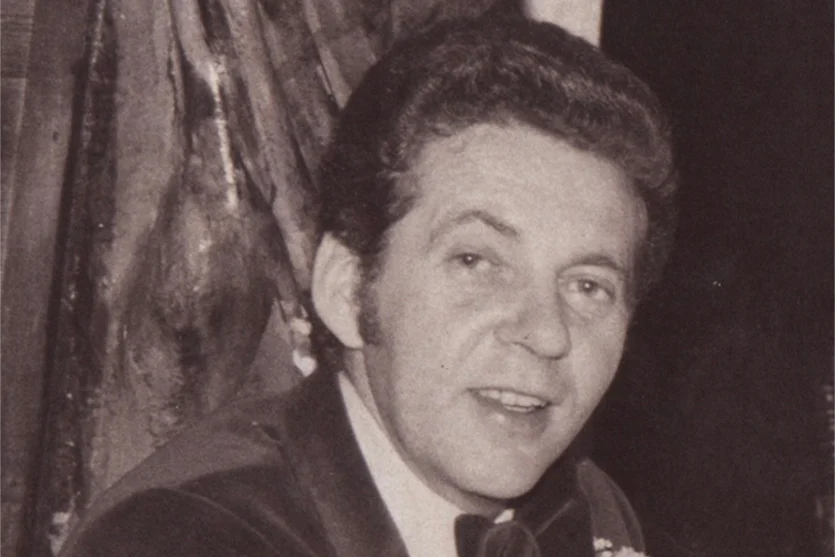
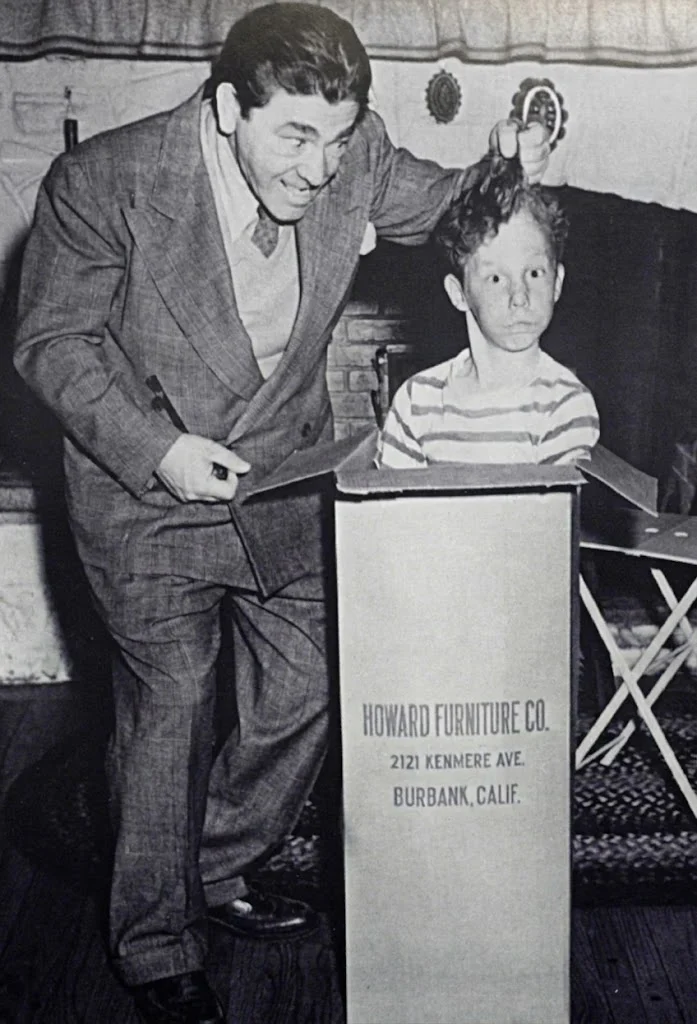
Paul Howard, the cherished son of Moe Howard—the iconic, bowl-cut leader of The Three Stooges—passed away earlier this week in Manhattan at the age of 91. Throughout his long and full life, Paul served as the ultimate custodian and passionate ambassador of his father’s monumental comedic legacy. Generations of die-hard Three Stooges fans encountered Paul at fan conventions, public gatherings, and retrospective events, where he generously shared personal family memories, behind-the-scenes insights, and intimate human details about the man behind the slapstick persona.
His dedication to preserving the cinematic and cultural footprint of the legendary comedy troupe culminated in 2015, when he hosted the critically praised nine-part docuseries, "Hey Moe, Hey Dad!" The series offered an unprecedented, deeply personal window into the lives and careers of The Three Stooges, utilizing rare archival footage, personal family accounts, and comprehensive interviews with the descendants of Moe Howard, Larry Fine, Curly Howard, Shemp Howard, and Curly Joe DeRita.
Beyond family members, the series attracted an array of notable celebrity superfans and industry historians, including award-winning actress Whoopi Goldberg, celebrated voice actor Billy West, and esteemed film critic Leonard Maltin. Paul Howard is survived by his devoted wife, Joanne, and his daughter, Jennifer, leaving behind a profound legacy not only as a family member, but as a vital historian of American comedy history.
Chronology: From a Vaudeville Delivery Room to a Lifelong Legacy
The extraordinary story of Paul Howard’s life began on July 8, 1935, wrapped in the chaotic blend of vaudeville pressure and theatrical serendipity that characterized the golden age of American comedy.
A Birth Fit for a Comedy Routine
Moe Howard had long yearned for a son—someone he could take fishing, toss a baseball with, and pass down the lessons of a hard-fought life in show business. In late 1934, when his wife, Helen, informed him she was pregnant, Moe famously quipped to family members, "Honey, if it’s a boy, they’ll have to drag me out of the gutter, I’ll be so drunk." True to his word, though he was a teetotaler who didn’t drink alcohol, he was utterly "drunk with glee" at the prospect of a male heir.
Helen planned the birth strategically, timing it around a vaudeville tour on the East Coast so that she could deliver the baby at Doctor’s Hospital in New York City. On July 8, 1935—eight years after the birth of Paul’s sister, Joan—Moe’s dream became reality.
However, Moe himself was a nervous wreck on the day of the birth. He was in the middle of performing live on stage with comedy partners Larry Fine and Curly Howard at the Metropolitan Theatre in Boston. Waiting backstage with bated breath, he received a telegram from the hospital sent by Helen. It read, in part:
"IT’S A GORGEOUS 8 POUND BOY BORN NINE FORTY-FIVE AM. KEEP OUT OF THE GUTTER… LOVE = HELEN."
The Real-Life Stooge Accident
The drama surrounding Paul’s birth did not end in the delivery room; in fact, the days immediately following read like a script pulled straight from one of the troupe’s classic two-reel shorts.
Moe was driving a rented car through a heavy, blinding Manhattan rainstorm, rushing to the hospital to pick up Helen and the newborn Paul. Traveling with him were his sister-in-law, Aunt Clarice—who was seven months pregnant at the time—and Uncle Harry Seiden. As Moe navigated the slick city streets, the vehicle suddenly skidded entirely out of control, slamming head-first into a towering cement lamppost and violently knocking it from its concrete foundation.
The heavy post crashed down across the hood of the car in a thunderous impact, completely shattering the windshield and injuring Moe. He sustained severe cuts on his face from jagged shards of flying glass and sported a prominent black eye. Miraculously, his aunt and uncle in the back seat escaped major initial injury.
Yet, as the shock settled, an even more absurd crisis unfolded. The sheer stress and sudden jolt of the crash caused Aunt Clarice’s water to break prematurely. Staring at the wreckage, his bleeding face, and his laboring sister-in-law, Moe laughed hysterically, uttering a phrase that would echo through family lore: "This only happens in a Stooge comedy."
Emergency responders rushed Moe to the hospital emergency room for medical treatment, while Aunt Clarice was immediately wheeled into the delivery room, where she gave birth to her daughter, Carole, two months prematurely. When Helen finally saw her husband walk into her hospital room—sporting a black eye, bandages, and facial lacerations—she was understandably shocked. Moe offered a classic deadpan defense: "This didn’t happen on stage stooging around."
Growing Up and Preserving the Past
Remarkably, decades later, Paul Howard settled down and lived just two blocks away from Doctor’s Hospital where he was born in the Yorkville section of Manhattan, maintaining a lifelong connection to the city of his birth.
As he matured, Paul witnessed firsthand the evolution of his father’s career from grueling vaudeville circuits and short-subject film dominance at Columbia Pictures to a massive television-fueled resurgence in the late 1950s and 1960s. While many children of famous entertainers distance themselves from their parents’ shadows, Paul embraced his heritage. He dedicated his later decades to interacting with fans, attending nostalgic conventions, and correcting historical misconceptions about the comedy legends.
Supporting Data and Family Context
To truly understand Paul Howard’s life work, one must examine the cultural phenomenon of The Three Stooges and the intimate family dynamics that sustained it behind the scenes.
The Three Stooges—primarily consisting of Moe Howard, Larry Fine, and a revolving door of physical comedy geniuses including Curly Howard, Shemp Howard, Joe Besser, and Curly Joe DeRita—released nearly 190 short films for Columbia Pictures between 1934 and 1959. Known for their anarchic slapstick, eye-poking, head-slapping, and verbal sparring, the trio became an indelible pillar of American popular culture.
However, the public persona of the aggressive, domineering "Moe" stood in stark contrast to the devoted family man known by his wife and children. Paul Howard was raised in a household that balanced the intense pressures of Hollywood production schedules with a tight-knit family structure.
Key details highlighting the preservation of this history include:
- The 2015 Docuseries ("Hey Moe, Hey Dad!"): Spanning nine comprehensive episodes, this project stands as Paul Howard’s crowning achievement in media preservation. It leveraged archival home movies, rare photographs, and firsthand accounts to humanize performers who were often typecast purely as cartoonish figures of chaos.
- Literary Contributions: Memoirs such as Growing Up Stooge, written by Paul’s sister Joan Howard Maurer, provided the raw historical material that Paul later translated into oral histories, convention talks, and digital media appearances.
- Fan Engagement Metrics: Across decades of conventions, Paul signed thousands of autographs, posed for photographs with multi-generational families, and verified authentic memorabilia, ensuring that the legacy of physical comedy was passed down accurately to Gen X, Millennial, and Gen Z fans alike.
Official Responses and Tributes
Following the news of Paul Howard’s passing, tributes poured in from family members, entertainment historians, and devoted fans across the globe.
His niece, Tessa Maurer, shared poignant excerpts from her family’s literary history to honor her uncle’s memory, emphasizing the profound joy his birth brought to Moe Howard and the tight bond he shared with his mother, Helen, and sister, Joan.
Entertainment historians and comedic archivists also expressed their sorrow. In statements shared across social media platforms and fan forums, admirers remembered Paul as a gracious, humble, and endlessly patient man who never grew tired of answering questions about his father’s iconic bowl haircut, trademark physical gags, and off-screen personality.
A spokesperson for several classic film preservation societies noted: "Paul Howard was more than a son to a comedy icon; he was a gracious bridge to an irreplaceable era of American entertainment. He treated every fan like an old friend, ensuring that the laughter generated by The Three Stooges would continue to resonate with warmth and humanity."
Implications: The End of an Era for Living Stooge History
The passing of Paul Howard at age 91 marks a significant emotional milestone—and a stark reminder of the passage of time—for lovers of classic Hollywood comedy.
With the children, spouses, and direct contemporaries of the original Three Stooges steadily fading into history, figures like Paul Howard served as the final human links to a bygone era of entertainment. While the films of Moe, Larry, and Curly remain immortalized on digital platforms, home video releases, and streaming services, the loss of Paul removes a vital, living voice capable of contextualizing the human reality behind the cinematic mayhem.
Paul Howard’s legacy ensures that the men behind the slapstick are remembered not merely as caricatures taking pies to the face, but as dedicated artists, loving fathers, and architects of joy. Through his preservation efforts, his hosting of "Hey Moe, Hey Dad!", and his tireless interactions with the public, Paul successfully safeguarded his father’s place in the pantheon of American comedy. As family, friends, and fans mourn his passing, they also celebrate a life well-lived—one that began with a chaotic car crash and a hospital telegram, and concluded with a timeless legacy of laughter, memory, and enduring familial devotion.