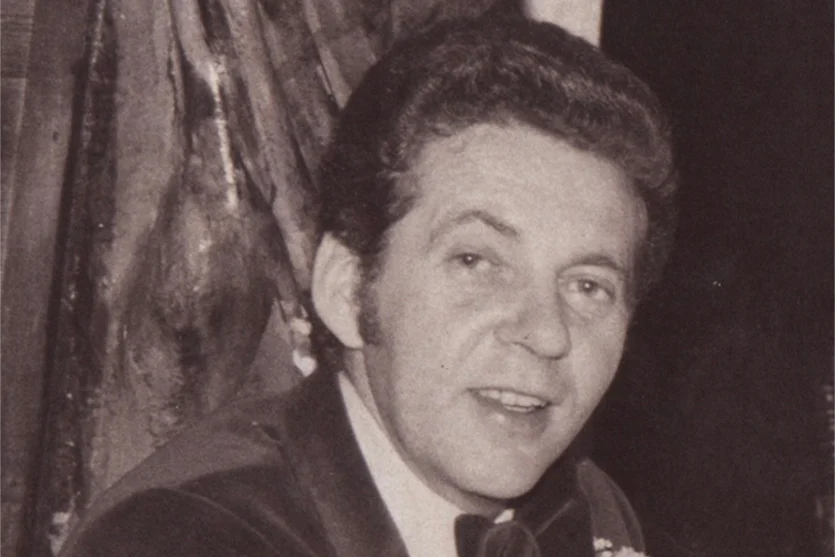
LOS ANGELES — The golden age of American television comedy lost one of its most versatile and prolific architects with the passing of Earl Barret. A writer whose career spanned three decades and intersected with some of the most iconic sitcoms and pop-culture phenomena in television history, Barret died at his home in Sherman Oaks, California, on October 22 at the age of 94.
Barret’s career was defined by a rare adaptability. At a time when television was rapidly expanding from its early black-and-white infancy into vibrant, multi-camera color productions and syndicated powerhouses, Barret was there—typing out gags, structuring narratives, and shaping characters that would define generations of home entertainment. Whether it was putting words into the mouths of campy supervillains in the 1960s, framing domestic suburban absurdities in the 1970s, or creating a hit syndicated family sitcom in the 1980s, Barret’s signature blend of sharp wit and impeccable comic timing permeated the American living room.
Beyond his institutional contributions to television history, Barret was remembered by family, friends, and colleagues as a quintessential student of human nature—a lifelong creative whose journey from the Midwestern tap-dance studios of his childhood to the bustling writers’ rooms of Hollywood formed a quintessential American show-business story.
Main Facts
Earl Barret’s death marks the conclusion of a remarkable life in the arts that bridged the traditional entertainment world of mid-century Hollywood with the modern era of television syndication.
- Date of Passing: October 22 (age 94)
- Location: Sherman Oaks, California
- Key Professional Identity: Television comedy writer, creator, producer, and director.
- Magnum Opus: Co-creator, executive producer, writer, and occasional director of the hit 1980s sitcom Too Close for Comfort.
- Extensive Resumé: Contributed writing to more than 30 television series over a 30-year active career, spanning genres from sci-fi comedy and superhero camp to gritty urban comedy and traditional family sitcoms.
- Key Collaborator: Longtime creative partner Arne Sultan, with whom Barret co-authored numerous television scripts, stage plays, and the 1989 feature film See No Evil, Hear No Evil.
- Survivors: Survived by his wife, Barbara Barnett Barret; daughter, J.K. Barret; son, John Nelson; and five grandsons. He was predeceased by his daughter, Lisa Nelson.
Barret’s professional journey began unconventionally. Rather than entering the industry through traditional academic screenwriting programs or the legendary Broadway pool, Barret broke into the television business in 1961 as a direct result of attending a weekly, free television writing class taught by Robert C. Dennis. That single workshop ignited a creative partnership and a career that would fundamentally alter the television landscape.
Chronology: A Life in Entertainment
Early Beginnings and the Performing Arts
Long before he ever pitched a joke to a network executive, Earl Barret’s life was steeped in the performing arts. Born with an innate curiosity about music, rhythm, and performance, Barret spent his formative years in Guangzhou, Ohio, taking tap-dancing and violin lessons. According to his daughter, J.K. Barret, these early artistic pursuits planted the seeds for what would become a lifelong passion for entertainment.
As a young man, Barret’s education took him through the heart of the Southern California academic system. He graduated from Hollywood High School before attending Los Angeles City College. Before ever sitting down at a typewriter as a professional scribe, Barret initially pursued a career as an actor, earning a Screen Actors Guild (SAG) card. This early performance experience proved invaluable; understanding the mechanics of acting, stage directions, and physical comedy gave Barret an intuitive grasp of how lines would actually sound when delivered by actors under the pressure of a live studio audience or a tight production schedule.
The 1961 Breakthrough
The trajectory of Barret’s life shifted permanently in 1961. Seeking a way to break into the burgeoning medium of television, Barret enrolled in a free weekly TV writing class instructed by industry veteran Robert C. Dennis. Dennis, a prolific writer who penned scripts for everything from Perry Mason to The Outer Limits, recognized Barret’s distinct comedic voice and sharp structural instincts.
The two men formed an immediate professional alliance, collaborating on scripts for several television shows. This mentorship-turned-partnership provided Barret with the foundational credits needed to establish himself as a reliable, high-tier journeyman writer in an industry known for its high turnover and fierce competition.
The Golden Decades of Television Writing
Throughout the 1960s, 1970s, and 1980s, Barret’s typewriter was rarely cold. He contributed writing to more than 30 distinct television programs—a staggering volume of work that placed him at the epicenter of American popular culture during television’s most formative decades.
His credits read like a masterclass in classic television history:
- My Favorite Martian (CBS, 1963–1966): Barret helped navigate the surreal, high-concept premise of a stranded Martian living among humans, mastering the art of science-fiction sitcom farce.
- Batman (ABC, 1966–1968): At the height of "Batmania," Barret contributed to the campy, pop-art cultural phenomenon that required a delicate balance of deadpan absurdity and precise comedic timing.
- Bewitched (ABC, 1964–1972): He wrote for the beloved fantasy-sitcom about a witch trying to live a normal suburban life with her mortal husband.
- The Andy Griffith Show (CBS, 1960–1968): Barret lent his pen to the folksy, character-driven humor of Mayberry, proving his range extended far beyond fantasy and high-concept premises.
- I Spy (NBC, 1965–1968): He dipped into the realm of action-adventure comedy, writing for the groundbreaking pairing of Robert Culp and Bill Cosby.
- Sanford and Son (NBC, 1972–1977): Barret adapted his comedic sensibilities to the gritty, urban, culturally rich humor pioneered by Redd Foxx and Demond Wilson.
- Welcome Back, Kotter (ABC, 1975–1979): He contributed to the fast-paced, wisecracking classroom comedy that launched John Travolta to superstardom.
The Pinnacle: Too Close for Comfort
While Barret’s episodic writing credits alone would have secured his legacy, his crowning achievement arrived at the dawn of the 1980s. Alongside his longtime writing partner Arne Sultan, Barret created, wrote, and executive produced the hit sitcom Too Close for Comfort.
The series premiered on ABC in 1980, running on the network until 1983 before transitioning into a highly successful syndicated run from 1984 to 1987. Starring veteran actor Ted Knight (beloved for his work on The Mary Tyler Moore Show), Nancy Dussault, and Jim J. Bullock, the show was anchored by a distinct and culturally relevant premise: In liberal San Francisco, a conservative cartoonist tries to keep his two daughters, who rent an apartment below him, safe.
The show allowed Barret to explore generational friction, political comedy, and family dynamics. Beyond his duties as creator, writer, and executive producer, Barret stepped behind the camera to direct 13 episodes of the series, cementing his status as a multi-hyphenate television auteur.
Later Collaborations and Feature Films
Following the conclusion of Too Close for Comfort, Barret continued working alongside Arne Sultan. The duo expanded their creative footprint beyond the small screen, writing stage plays and pivoting to feature-film writing. Most notably, Barret and Sultan co-wrote the screenplay for the 1989 comedy hit See No Evil, Hear No Evil, starring the legendary comedy duo Gene Wilder and Richard Pryor. The film showcased Barret’s enduring ability to construct traditional, high-concept physical and verbal comedy for the silver screen.
Supporting Data: The Anatomy of a Career
To truly understand Earl Barret’s impact on the entertainment industry, one must examine the sheer statistical breadth of his professional output. Television writing in the mid-to-late 20th century was an industrial art form; it required discipline, speed, and an unerring sense of audience psychology.
| Metric / Category | Details |
|---|---|
| Lifespan | 1930 – October 22, 2024 (94 years old) |
| Active Writing Career | 1961 – Late 1980s/Early 1990s (Over 30 years) |
| Total Shows Contributed To | 30+ television series |
| Signature Creation | Too Close for Comfort (ABC/Syndication, 1980–1987) |
| Key Creative Partner | Arne Sultan |
| Notable Feature Films | See No Evil, Hear No Evil (1989) |
| Directing Credits | 13 episodes of Too Close for Comfort |
The diversity of this data illustrates a crucial aspect of Barret’s career: he was a television "chameleon." While many writers became typecast in specific genres (such as animation, single-camera dramas, or multi-cam domestic sitcoms), Barret moved seamlessly from comic book camp (Batman) to rural whimsy (The Andy Griffith Show), to edgy urban humor (Sanford and Son), and finally to domestic family farce (Too Close for Comfort).
Official Responses and Tributes
The entertainment community and Barret’s family have shared warm recollections celebrating his remarkable intellect, artistic longevity, and personal warmth.
J.K. Barret, his daughter, provided a poignant portrait of her father’s inner life, characterizing him not merely as a television writer, but as an intellectual seeker:
"He was a lifelong learner with a keen, curious mind and a gift for impeccable comic timing. He spent nine decades cultivating his passion for the performing arts, music, and entertainment that began with the tap dancing and violin lessons he took in childhood in Guangzhou, Ohio."
Colleagues and industry historians have likewise taken to social media and trade publications to note the passing of a quiet giant of the sitcom era. While Barret did not seek the celebrity status afforded to the network stars whose lines he scripted, those within the television production ecosystem understood that the structural integrity of American television comedy rested on the shoulders of dedicated writers like Barret.
Writers from subsequent generations have frequently cited the body of work produced by Barret and his contemporaries as the gold standard of multi-camera television writing—a discipline requiring economical exposition, rapid-fire setup-and-punchline mechanics, and relatable characters who could invite themselves into living rooms week after week.
Implications: The Legacy of Earl Barret
The passing of Earl Barret arrives at a time when the television industry is undergoing a structural transformation. The traditional network television model—where writers rooms like the ones Barret inhabited produced 22 to 26 episodes a season year after year—has largely given way to shortened streaming seasons, serialized dramas, and fragmented viewing habits.
Barret’s career represents the pinnacle of an era when television writing was treated as a daily craft, built on the steady execution of structural comedy, ensemble dynamics, and broad audience appeal. Shows like Too Close for Comfort, Bewitched, and Sanford and Son continue to live on through syndication, streaming platforms, and late-night cable blocks, introducing Barret’s comedic timing to new generations of viewers who may not know his name, but are intimately familiar with the rhythms of his jokes.
Furthermore, Barret’s trajectory—from a tap-dancing child in Ohio to an aspiring actor with a SAG card, to a student in a free night class, to the creator of a nationally syndicated television hit—stands as a testament to the classic American entertainment narrative. It underscores the importance of mentorship in the arts (exemplified by Robert C. Dennis’s free writing class) and the enduring value of hard work, adaptability, and intellectual curiosity.
As television history continues to be written, analyzed, and preserved, figures like Earl Barret will be remembered as the structural engineers who built the foundation of modern popular culture. Through decades of changing cultural norms, political shifts, and technological evolutions in broadcasting, Barret maintained a singular, steadfast commitment to the oldest and most noble of artistic callings: making people laugh.