The dust has settled on Super Bowl LX, and for the digital infrastructure powering the most-watched television event in the United States, the outcome was a resounding success. NBC Sports and Peacock, tasked with the Herculean effort of broadcasting the championship game simultaneously with their extensive Winter Olympics coverage, delivered a high-fidelity, remarkably stable stream that sets a new benchmark for live event delivery at scale.
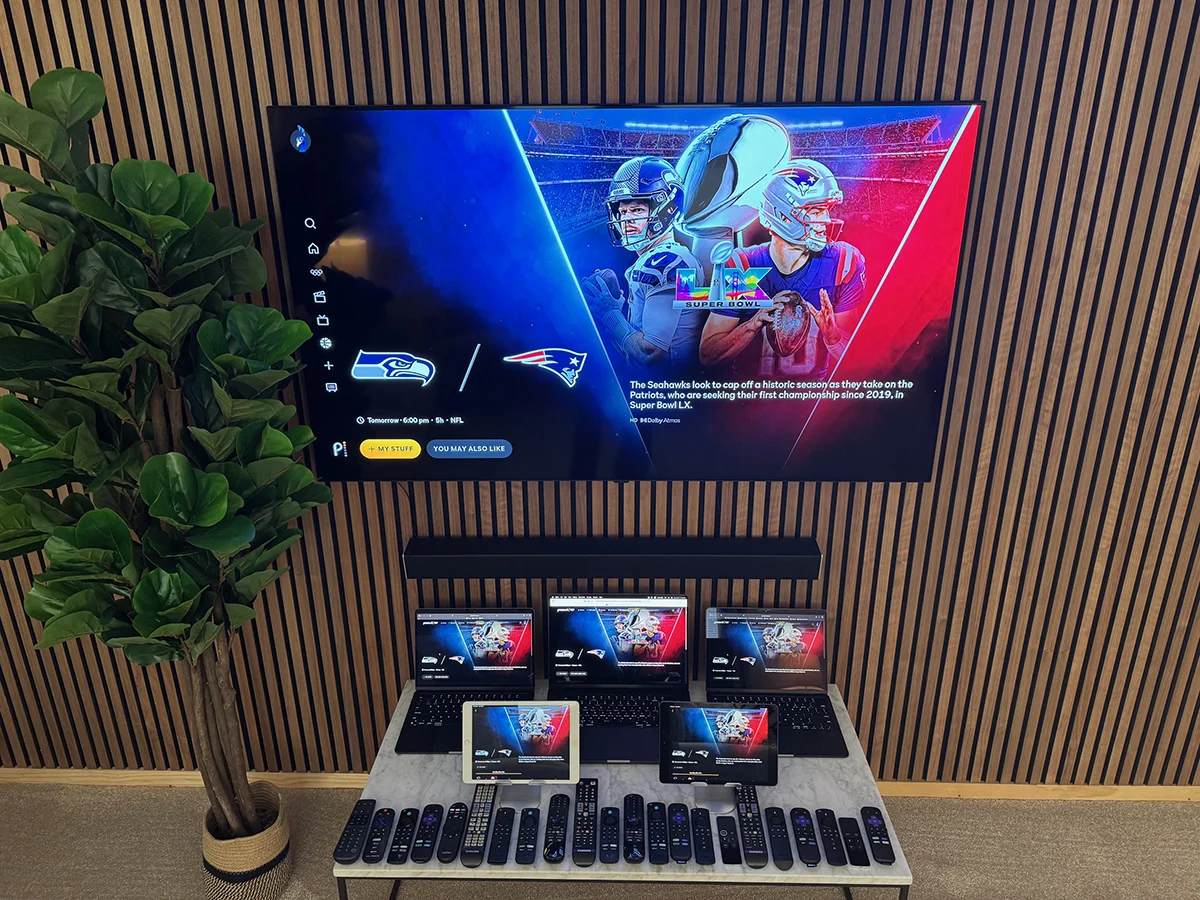
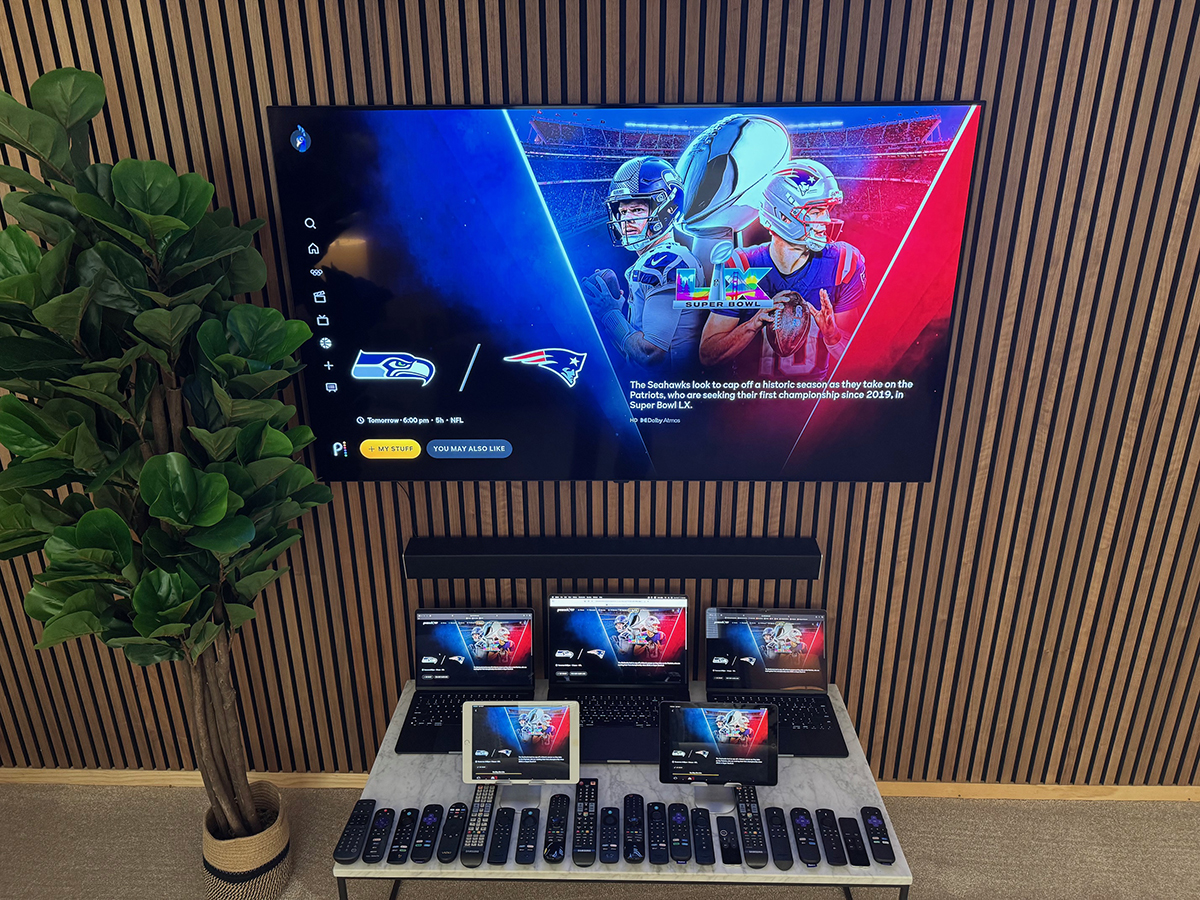
For the past decade, I have meticulously documented the technical performance of Super Bowl streams. This year, I conducted a comprehensive evaluation across more than 25 devices and platforms, monitoring video quality, latency, bitrate stability, and CDN performance. The verdict: NBCU’s engineering team achieved a near-perfect execution, maintaining a reported rebuffer rate of just 0.07%—a testament to the maturation of modern OTT (Over-the-Top) delivery architectures.
The Technical Infrastructure: Behind the Curtain
Producing a broadcast of this magnitude is a logistical feat of epic proportions. NBC Sports deployed a massive technical footprint: 22 mobile units from NEP Group, 145 cameras, 130 microphones, and over 75 miles of cabling, all managed by a dedicated on-site team of more than 700 personnel.
While the broadcast originated in 1080p at 59.94 fps, the distribution to Peacock utilized an upscaled 4K HDR feed. It is critical to clarify this distinction: the stream was not "native" 4K. While some outlets reported "true" 4K, the reality is that the contribution feed was captured and processed in 1080p, then upscaled for the final distribution pipeline. This approach, while distinct from native 4K capture, provided a visually superior experience for viewers on high-end displays, particularly when paired with Dolby Atmos audio processing.
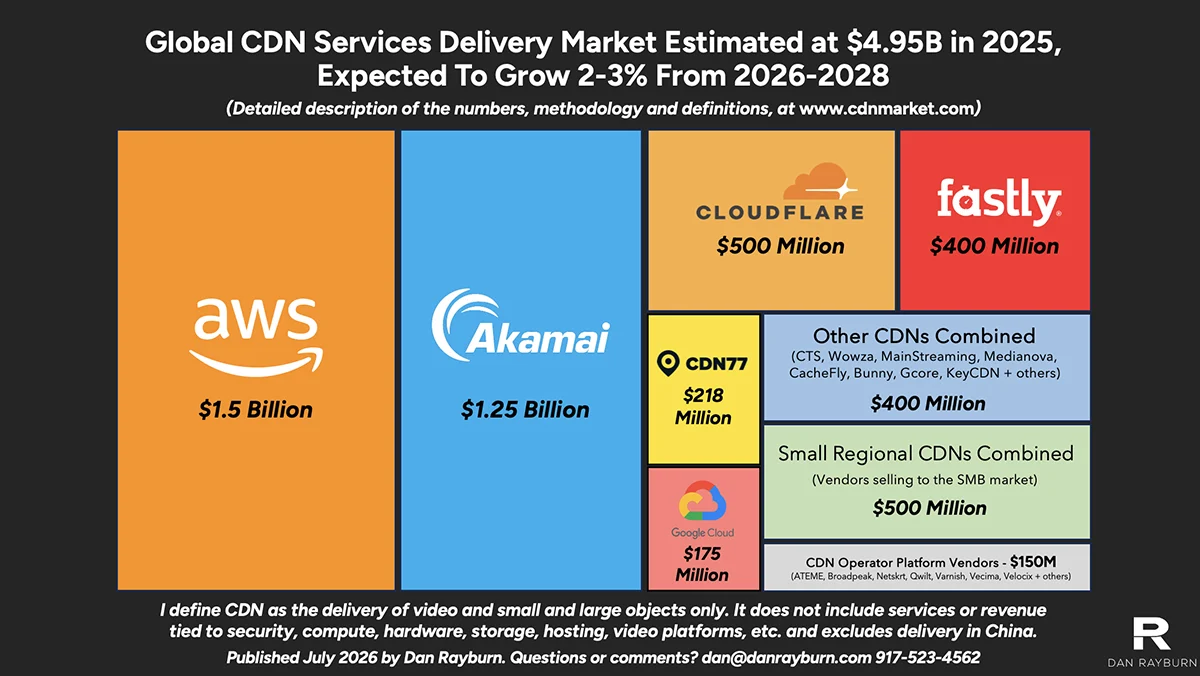
The delivery ecosystem was a "who’s who" of the internet’s backbone. Content Delivery Networks (CDNs) including Akamai, CloudFront, Fastly, Google Media CDN, and Netskrt worked in concert with Comcast’s infrastructure to manage the massive influx of traffic.
A Chronological Analysis: From Kickoff to Final Whistle
My testing began at 1:00 PM EST with the pre-game coverage. By monitoring Reddit threads, Twitter hashtags, and direct feedback from domestic ISPs, I was able to correlate user sentiment with real-time network data.
Pre-Game and Kickoff (1:00 PM – 6:30 PM)
Initial testing across various platforms indicated a stable baseline. However, an interesting outlier emerged during tests conducted over a SpaceX Starlink Mini. Despite reporting 265 Mbps download speeds and 22 ms latency, the streaming experience on an Amazon Fire TV Stick 4K Max was fraught with significant buffering. Throughput struggled to exceed 3 Mbps. This highlighted that raw bandwidth does not always equate to a smooth streaming experience, especially when dealing with satellite-based last-mile delivery that may be sensitive to routing variations or ISP-specific traffic management.
The Game in Motion (6:30 PM – 10:00 PM)
As the game progressed, the stream remained exceptionally robust. By the end of the third quarter, average bitrates across major ISPs hovered around 8.5 Mbps. While this is not record-breaking in terms of sheer data volume—largely because the stream was behind a paywall, unlike the free-to-access models seen in previous years—the stability was remarkable.
A minor friction point surfaced during the broadcast regarding subtitling: viewers noted that certain high-profile cultural segments, such as the halftime show performances, caused confusion with Peacock’s English subtitling engine. However, these were isolated user-interface concerns rather than systemic streaming failures.
The Final Stretch (10:00 PM – Post-Game)
By the two-minute warning, it was clear that NBCU had avoided the "buffering apocalypse" that has plagued previous high-traffic live events. By the time the game concluded, the technical feedback was overwhelmingly positive. The ability to pivot between the live game and the halftime show, with "catch-up" features for key plays, added a layer of interactivity that modern viewers have come to expect.
Comparative Latency Analysis
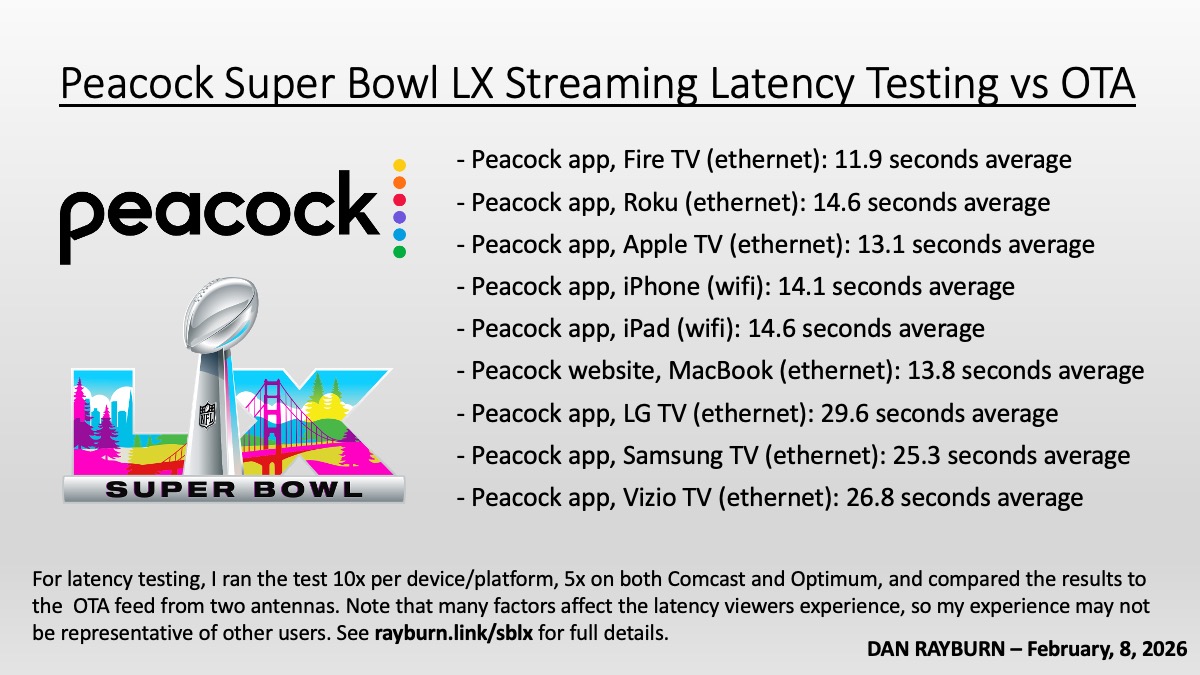
Latency remains the "holy grail" of live sports streaming. To evaluate this, I performed 10 tests per device/platform, benchmarking against an Over-the-Air (OTA) antenna feed.
The results highlight the inherent "glass-to-glass" delay present in OTT delivery:
- Hulu + Live TV (Fire TV): Averaged 34.2 seconds behind OTA.
- Sling TV (Fire TV): Averaged 59.4 seconds behind OTA.
- Illegal IPTV Services: Averaged a staggering 58 seconds behind OTA, confirming that "pirate" streams often lag significantly behind legitimate, optimized broadcast-grade infrastructure.
These figures underscore why the industry continues to innovate in low-latency HLS and DASH protocols. While 30 to 60 seconds of delay may seem negligible to a casual viewer, it is an eternity in the age of social media, where spoilers and goal notifications arrive on mobile devices long before the action is seen on the screen.
Implications for the Future of Broadcasting
The successful delivery of Super Bowl LX has several implications for the future of sports media:
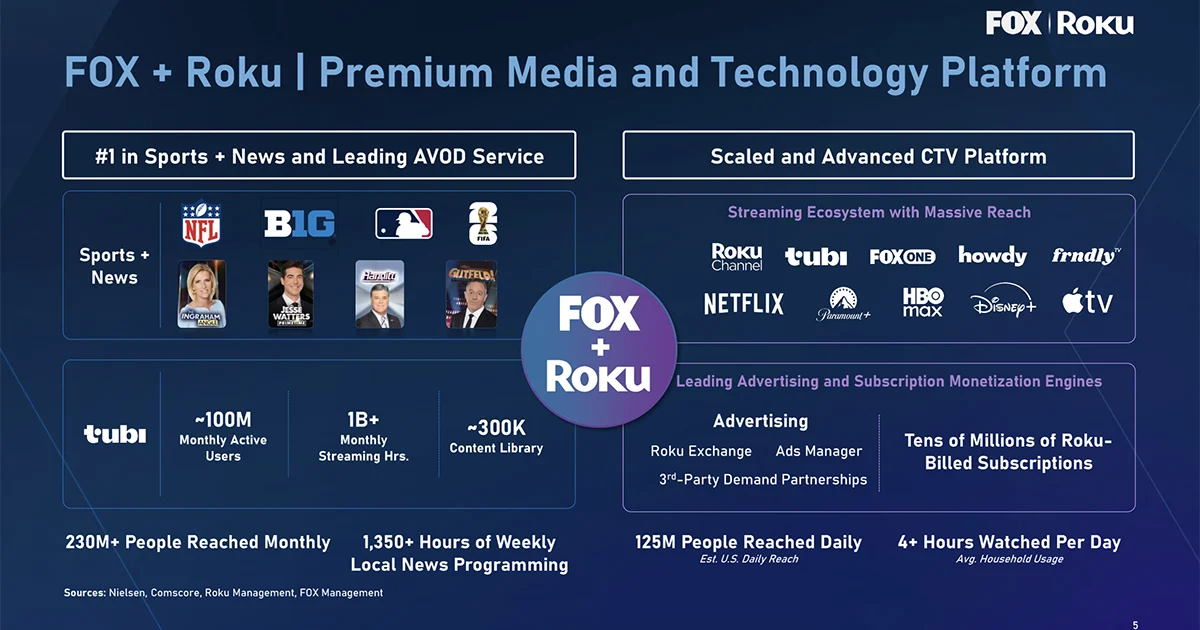
- The End of the "Free-to-Stream" Era? Unlike the FOX/Tubi model of previous years, the requirement for a Peacock Premium subscription changed the traffic profile. The industry is clearly moving toward a model where high-value sports content is treated as a premium acquisition driver for subscription services, rather than a mass-reach loss leader.
- Infrastructure Resilience: The performance of the combined NBCU/Peacock stack proves that cloud-based delivery can handle the Super Bowl’s peak demand. The reliance on multiple CDNs (Akamai, Fastly, CloudFront, etc.) suggests that the "multi-CDN" strategy is now the industry gold standard for risk mitigation.
- The "Upscaled 4K" Debate: The industry needs to standardize terminology. Reporting "upscaled" as "native" 4K creates consumer confusion. As we move toward 8K and beyond, clarity in marketing will be essential to maintaining consumer trust.
- Starlink and Non-Traditional ISPs: The performance issues on Starlink during the game suggest that while satellite internet is evolving, it still faces challenges with OTT protocols compared to traditional fiber or cable connections. This is a critical area for developers to optimize as remote viewing becomes more decentralized.
Official Responses and Industry Context
While formal viewership numbers take days to finalize, NBC Sports has expressed confidence in the technical execution. The ability to maintain a 0.07% rebuffer rate while simultaneously managing 17 hours of Winter Olympics programming is a testament to the team’s operational efficiency.

For those interested in the historical context, the shift from 2014 to 2026 is stark. In the early days, buffering was a near-certainty; today, it is an anomaly. The 2025 FOX technical report established a peak capacity of 135 Tbps, a figure that NBCU likely matched or approached. As the industry moves forward, the focus will shift from "can we stream it?" to "how can we make the streaming experience more interactive, personalized, and lower in latency?"
Conclusion
Super Bowl LX was a masterclass in modern digital delivery. By leveraging a multi-CDN strategy, rigorous testing, and a mature infrastructure, NBC Sports and Peacock delivered a high-quality experience that largely silenced the technical critics. While latency persists as the primary challenge for the streaming industry, the stability of the feed throughout the evening suggests that we are entering a new era of digital reliability.
As I wrap up my 12th year of independent Super Bowl testing, it is clear that the "streaming vs. broadcast" debate is effectively over. The technology has arrived; the focus now turns to the business of content and the continued refinement of the user experience.
Note: This analysis was conducted independently. I am not affiliated with NBC, Peacock, or any of the technology providers mentioned, and I received no compensation for this technical review.