By Editorial Staff
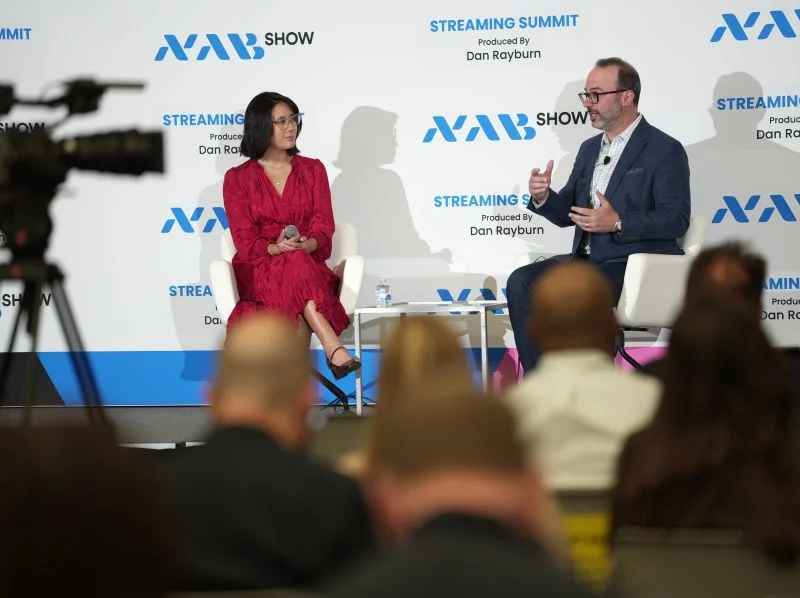
At the 2026 NAB Streaming Summit held on April 20, the landscape of digital entertainment witnessed a compelling counter-narrative to the dominant “growth-at-all-costs” mantra that has defined the last decade of streaming wars. Robert Schildhouse, CEO of BBC Studios’ Direct-to-Consumer (DTC) division, took the stage to detail the strategic evolution of BritBox, painting a picture of a business model built on precision, loyalty, and long-term profitability rather than sheer subscriber volume.
Schildhouse, an industry titan who famously helped orchestrate the launch of Hulu in 2008, offered a masterclass in how a specialized service can thrive in a market saturated by generalist giants. By eschewing the pursuit of 200 million global households in favor of a disciplined, niche-focused approach, BritBox is carving out a reputation as the “Anti-Netflix.”
The Philosophy of Durability Over Scale
The current streaming climate is characterized by an existential pivot: after years of burning cash to secure market share, the industry is now obsessed with the bottom line. Schildhouse’s vision for BritBox aligns perfectly with this shift toward “durable and profitable” business models.
For many streaming services, the goal is universality. They want to be the "everything store" for entertainment. BritBox, however, has leaned into its identity as the definitive home for British television. This is not merely a content strategy; it is a fundamental business architecture. By focusing on a specific audience segment, the company reduces the need for the exorbitant marketing spend required to maintain mass-market churn.
The Evolution of the "Anti-Netflix" Model
The "Anti-Netflix" model, as described by Schildhouse, is predicated on the idea that in a fragmented marketplace, depth is more valuable than breadth. While competitors chase the fleeting attention of younger demographics through viral content, BritBox has cultivated a core audience that is historically underserved by mainstream American platforms.
Chronology of Strategic Success: The BritBox Trajectory
The success of BritBox under Schildhouse’s leadership has been a gradual, methodical process rather than a sudden explosion.
- Early Foundation: Following the initial launch, the focus was on establishing a robust library of high-quality British dramas and mysteries.
- The Pivot to Premium: In recent months, the introduction of "BritBox Premier" marked a significant evolution. Despite a quiet rollout, the tier—which includes 4K streaming, early access, mobile downloads, and documentaries from BBC Select—has rapidly gained traction.
- The Aggregation Shift: Recognizing that consumers are increasingly fatigued by managing dozens of individual subscriptions, BritBox has spent the last year pivoting toward strategic bundling.
- Current Market Position: As of the April 2026 Summit, the service has successfully stabilized its churn rates, proving that the niche-premium model is not only viable but highly lucrative.
Supporting Data: The Economics of Loyalty
One of the most revealing insights shared by Schildhouse at the summit involved the granular metrics of the BritBox subscriber base. The platform’s financial health is underpinned by two primary pillars: annual plan penetration and demographic loyalty.
The Power of the Annual Subscriber
Perhaps the most striking data point provided was that 50% of BritBox’s direct-to-consumer subscribers are currently on annual plans.
In the subscription economy, the transition from monthly to annual billing is the gold standard for success. Schildhouse noted that these users are worth more than twice as much as their monthly counterparts. This is not just due to the upfront cash flow, but because of the significantly higher tenure and the drastic reduction in churn. When a customer commits to a year, they are signaling a deep integration of the service into their daily media diet.
Demographic Demographics and "Serial Churn"
BritBox’s audience leans older and more female—a demographic that has traditionally been underestimated by the tech-focused streaming industry. However, Schildhouse reframes this as a competitive advantage. This segment is less susceptible to “serial churn”—the behavior where users hop between platforms based on a single hit show. By delivering consistent, high-quality content that resonates with this loyal core, BritBox maintains a stable revenue base that is far more predictable than the volatile, youth-oriented market.
Marketing Precision: Reaching the Right Viewer
BritBox’s marketing strategy is a masterclass in efficiency. Rather than attempting to cast a wide net across all social media platforms, the brand utilizes highly targeted campaigns.
If you are not in their target demographic, you are unlikely to ever see a BritBox ad. Conversely, those who fit the profile are consistently engaged across both television and social media. This "surround sound" approach keeps the service top-of-mind without the massive overhead costs of mass-market brand awareness campaigns.
Looking forward, the upcoming May 6 release of The Other Bennet Sister—a spin-off of the classic Pride and Prejudice—is being positioned as a key “on-ramp” for new subscribers. By leveraging established intellectual property that appeals directly to their core audience, the company minimizes customer acquisition costs while maximizing the likelihood of retention.
Official Responses and Strategic Implications: The Future of Bundling
Schildhouse’s most provocative assertion at the NAB Streaming Summit was his rejection of fragmentation as the end-state of the industry. He believes the future of streaming lies in aggregation and bundling.
The Industry Pivot: From Fragmentation to Bundling
For years, the industry operated under the assumption that every media company needed to own its own independent, siloed platform. Schildhouse argues that this is unsustainable for the consumer. The modern viewer is experiencing “subscription exhaustion,” and the only way to alleviate this friction is through partnerships.
BritBox has already made significant strides in this arena, forming strategic bundles with major players such as Starz, MGM+, and Hallmark. These partnerships serve two purposes:
- Audience Expansion: They introduce BritBox to unique, adjacent audience profiles who might not have sought out the service independently.
- Churn Reduction: By embedding BritBox within a larger, more comprehensive content package, the service becomes a "sticky" part of a broader entertainment ecosystem.
Implications for Competitors
The success of the BritBox model sends a clear message to smaller and mid-sized streaming players: you do not need to be a global behemoth to be a profitable, high-value asset. By focusing on a clear, distinct value proposition and prioritizing long-term subscriber value over short-term growth spikes, niche services can create a powerful defensive moat.
Conclusion: Lessons from the Summit
The fireside chat at the NAB Streaming Summit served as a necessary reality check for the streaming industry. While headlines often focus on the billions of dollars spent on original content and the race to capture the largest number of global sign-ups, the true story of the next era of streaming will be written by those who focus on the fundamentals.
Robert Schildhouse’s approach—prioritizing the annual subscriber, utilizing precise marketing, and embracing the necessity of bundling—is a blueprint for sustainability. As the streaming market matures, it is likely that many other services will look to the "Anti-Netflix" model to rescue their own bottom lines.
For those interested in further insights from the industry’s leading voices, the remainder of the presentations from the 2026 NAB Show Streaming Summit are available for viewing through the official archive.