By Staff Reports
Published November
The votes have been tallied, the upsets have been analyzed, and the community has spoken. In what has become one of the most fiercely contested brackets in online gaming journalism, the community-driven tournament hosted by PC Gamer column FOV 90 has officially entered Round 3. With over 2,500 votes cast in the previous stage alone, shooter enthusiasts from across the globe have spent weeks debating the mechanical purity, cultural impact, and sheer entertainment value of the video game industry’s most enduring multiplayer configurations.
As the tournament narrows down from a sprawling field of fan-favorite game types to the definitive "Final Four," the results are offering a fascinating psychological profile of what modern and classic first-person shooter fans truly value. From the stubborn resilience of timeless arcade classics to the surprising displacement of contemporary behemoths, the tournament has proven that when it comes to the DNA of the FPS genre, nostalgia and tactical depth are heavy hitters.
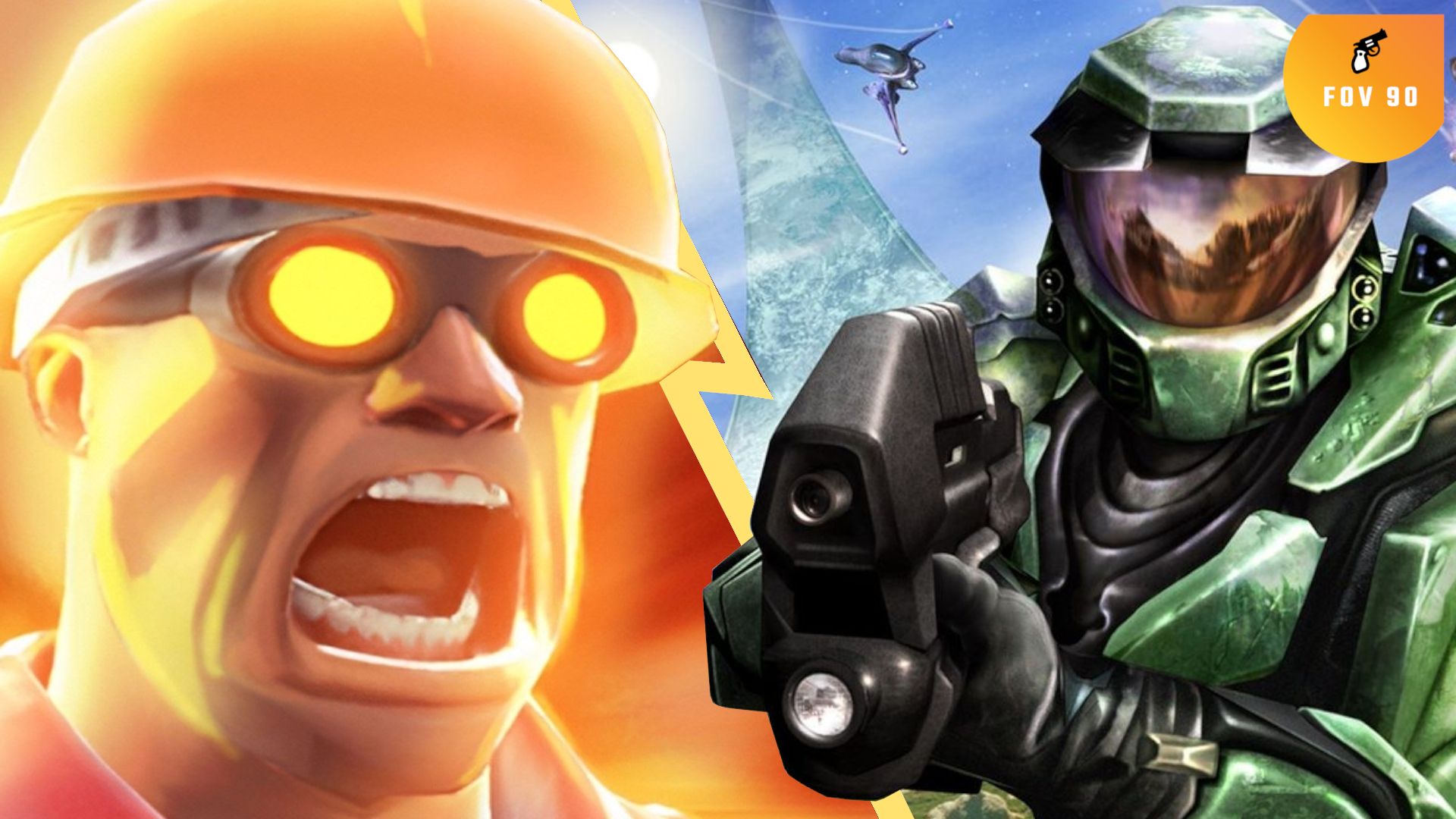
Main Facts: The Anatomy of the FPS Mode Tournament
The ongoing tournament, spearheaded by PC Gamer staff writer Morgan Park through his bi-weekly FOV 90 column, aims to definitively crown the greatest first-person shooter mode of all time. Moving away from specific game titles, the tournament isolates pure game modes—the foundational rulesets that dictate how players interact, strategize, and compete within virtual environments.
- The Scope: The bracket covers a wide historical and mechanical spectrum, pitting classic twitch-shooter staples against modern tactical heavyweights and asymmetrical multiplayer modes.
- Turnout: Round 2 drew more than 2,500 active votes, signaling an extraordinarily high level of engagement from the PC gaming community.
- The Final Four Matchups: The survivors of Round 2 have set up two distinct ideological showdowns for Round 3:
- Team Deathmatch (TDM) versus Conquest
- Payload versus Capture the Flag (CTF)
- Voting Window: Voting for Round 3 is currently open, with the deadline set for Sunday at 11:59 PM PDT, leading directly into the final championship round.
Chronology: How the Tournament Unfolded
The path to the Final Four has been anything but predictable. The tournament structure was designed to force difficult compromises among gamers who span multiple generations of hardware and design philosophies.
The Prelude and Round 1 Shockers
Before the current bracket took shape, the broader PC Gamer readership had spent previous months settling other monumental community debates, such as identifying the greatest RTS unit of all time and crowning the scariest PC horror games. Buoyed by this momentum, the FPS mode tournament kicked off with a sprawling initial roster.
Early rounds saw brutal casualties. Notably, Counter-Strike’s beloved community-favorite "Gun Game" mode met an early exit at the hands of Payload, much to the chagrin of veteran purists who fondly remember its roots as a modded Counter-Strike variant. Asymmetrical giants and experimental niche modes were steadily pruned away as voters consolidated around foundational staples.
Round 2: The Rejection of the Battle Royale
The most talked-about narrative of Round 2 was the clash between traditional Team Deathmatch and the modern Battle Royale format. Despite Battle Royale representing the undisputed titan of contemporary shooter monetization, player counts, and cultural ubiquity, PC Gamer readers delivered a resounding verdict. TDM crushed the competition with an astonishing 82% majority.
Simultaneously, classic territory-control mechanics in modes like Conquest defied expectations by defeating Bomb Defusal—widely considered the gold standard of high-stakes, competitive tactical PvP.
Entering Round 3
With the dust settled on Round 2, the tournament organizers officially buried the fallen modes and unveiled the bracket for Round 3. The competition has now narrowed to four titan modes that represent the pinnacle of team coordination and objective-based play.
Supporting Data & Matchup Analysis
The mathematical and demographic breakdown of the votes reveals deep insights into consumer sentiment regarding multiplayer design. The dominance of traditional modes over modern iterations has forced industry commentators to reevaluate current trends in game development.
Matchup 1: Team Deathmatch vs. Conquest
- Team Deathmatch (TDM) – AKA: Team Slayer (Halo), Warfare (Hell Let Loose)
- The Pitch: Intimate, fast-paced, individual-skirmish-driven team action where every kill matters and respawns are either infinite or mathematically straightforward.
- Conquest – AKA: Territory Control / Large-Scale Domination
- The Pitch: Expansive, chaotic, vehicle-heavy warfare spanning massive maps where squads fight continuously over strategic capture points.
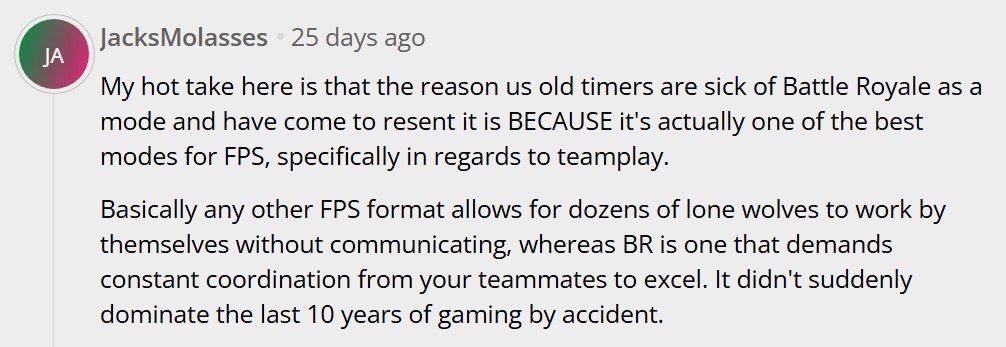
The Data Context: TDM’s triumph over Battle Royale highlights a growing fatigue with high-stress, high-communication survival loops. As one prominent community commenter, "JacksMolasses," noted, aging veterans and burnout-prone players are increasingly exhausted by modes that require hyper-coordinated squad communication with random players, preferring the straightforward, drop-in-drop-out agency of classic deathmatch variants.
Matchup 2: Payload vs. Capture the Flag
- Payload – AKA: Escort the Cart
- The Pitch: An asymmetrical tug-of-war where one team pushes a moving objective while the other defends, forcing intense spatial bottlenecks and coordinated pushes.
- Capture the Flag (CTF) – AKA: The Ancestral PvP Standard
- The Pitch: Symmetrical infiltration and extraction, requiring high-speed mobility, map awareness, and desperate defensive heroics.
The Data Context: Both modes focus on escorting or retrieving objects against active resistance, yet they offer entirely different temporal pacing. While Payload has enjoyed a steady surge in popularity thanks to hero shooters and objective-based multiplayer mainstays, purists continue to champion CTF for its historical lineage rooted in classic arena shooters like Tribes and Quake.
Official Responses and Staff Commentary
The editorial staff at PC Gamer weighed in heavily on the surprising trends and tactical philosophies emerging from the community’s votes, offering deep insights into why certain modes resonated while others faltered.
-
Tyler Wilde pointed out a crucial psychological throughline in the final four:

"What’s notable to me about the final four is that they mostly don’t put individuals on the spot. In Infection, Battle Royale, and Bomb Defusal, you can wind up being the last survivor, with all the pressure on you to bring it home. That’s not really the case in TDM, Conquest, Payload, or CTF, which usually allow unlimited respawns… CTF does require individual flag runner heroism, but as part of a team effort."
-
Ted Litchfield expressed lingering shock over the relentless momentum of Payload:
"The continued dominance of Payload is vexing to me: I’ve always thought it was Fine, but an all-conquering hero? Maybe I’m just sore it bodied Gun Game in the first round… If Payload beats out the all-time classic, Capture the Flag, this round, we may have to reexamine this whole ‘democracy’ thing."

-
Evan Lahti defended the historical evolution of objective modes:
"CTF had its time, and was at its peak in the various iterations of Tribes… But I don’t think it stands up if we’re evaluating these as modern modes. Otherwise, it’s tough to see Bomb Defusal fizzle—Counter-Strike’s competitive mode holds up wonderfully as the premier FPS esport, which says a lot given that it’s asymmetrical."
Implications for the Future of FPS Design
The results of this tournament carry significant philosophical implications for game developers and studio directors designing the next generation of multiplayer shooters.

- The Fatigue of the Solo-Pressure Loop: The community’s rejection of Battle Royale dominance in favor of forgiving, team-oriented respawn modes suggests that players are seeking psychological refuge from high-stress "last-man-standing" mechanics. Gamers appear to increasingly favor loops where mistakes are instantly correctable rather than penalized by immediate elimination and lengthy matchmaking queues.
- The Endurance of Core Mechanics: Despite millions of dollars poured into cinematic, narrative-driven multiplayer gimmicks and complex extraction shooters, the fundamental pillars of shooter design—shooting enemies to score points, holding territory, and moving objects across a map—remain undefeated in the hearts of players.
- Community-Driven Discourse: Interactive brackets of this scale demonstrate the hunger for community validation in a fragmented media landscape. By crowdsourcing these decisions, gaming publications are effectively mapping out the historical consensus of what makes interactive entertainment enduring.
As Round 3 voting pushes toward its Sunday deadline, all eyes turn to the brackets. Will the timeless simplicity of Team Deathmatch overcome the sprawling strategy of Conquest? Can Payload complete its Cinderella run by dethroning the legendary Capture the Flag? The answers will dictate the final matchup, culminating in a grand finale that will permanently etch the greatest FPS mode into digital history.