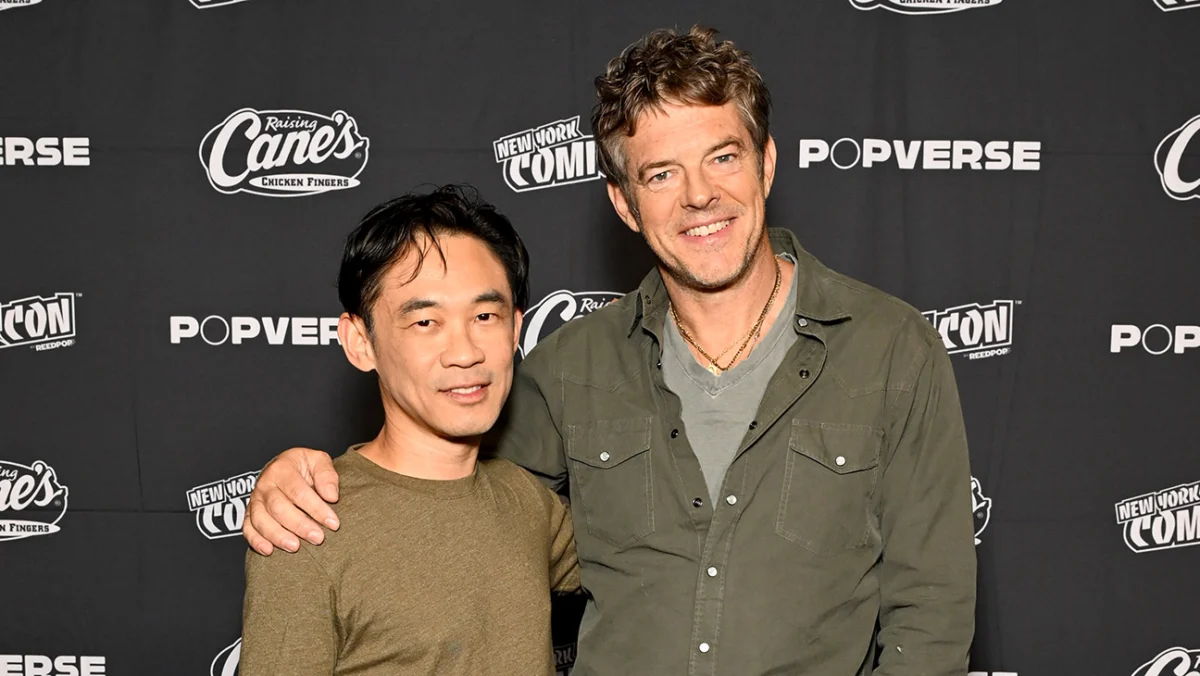
Two years after sending a shockwave through the entertainment industry by joining forces, horror powerhouses Jason Blum and James Wan are officially rebranding their combined entity. Moving away from the clunky "Blumhouse Atomic Monster" moniker, the company has streamlined its identity to simply Blumhouse Atomic. This rebrand marks more than just a change in nomenclature; it represents the maturation of a strategic partnership that has successfully redefined the economics of modern genre filmmaking.
The Evolution of a Genre Empire
In early 2023, the merger of Blumhouse Productions—the titan of low-budget, high-concept horror—and Atomic Monster—the visionary shop founded by James Wan—was hailed as a "super-merger." The goal was to create a powerhouse capable of dominating the horror landscape through a shared infrastructure while maintaining the distinct creative spirits of both brands.
As of this week, the entity is officially moving forward as Blumhouse Atomic. Under this new umbrella, Blumhouse and Atomic Monster will continue to operate as distinct creative labels. This dual-label approach allows both teams to maintain their unique "house styles" while benefiting from a unified development, production, and distribution pipeline.
Financial Dominance: The Numbers Behind the Fear
The rebranding arrives at a moment of undeniable financial triumph. Since the inception of their partnership, the combined company has generated a staggering $2.5 billion in global box office receipts. Perhaps most impressively, this haul was achieved against a total production spend of only $330 million, underscoring the "financial discipline" that defines the Blumhouse business model.
Key contributors to this financial windfall include:
- Obsession: A global sensation that raked in $525 million.
- The Conjuring: Last Rites: Proving the enduring power of the Conjuring universe with a nearly $500 million global performance.
- Backrooms: A viral-turned-cinematic phenomenon that brought in $400.6 million worldwide.
These figures illustrate a fundamental shift in Hollywood’s risk-reward assessment. In an era where blockbusters often carry price tags exceeding $200 million, Blumhouse Atomic has proven that high-concept, genre-driven storytelling remains the most reliable path to profitability in the theatrical market.
Official Statements: Vision for the Future
The decision to unify under the Blumhouse Atomic banner was driven by a desire to signal long-term stability and creative expansion. Jason Blum, whose career has been defined by the democratization of filmmaking, emphasized that the merger has unlocked capabilities beyond the silver screen.
"When we merged our companies, we believed the whole would be greater than the sum of its parts, and that is exactly what has happened," Blum stated. "We have the output of a studio with the creative freedom and financial discipline of an independent company. We now have more opportunities than ever to take these stories beyond the theater and into television, games, and live experiences."
For James Wan, the architect behind the Saw, Insidious, and The Conjuring franchises, the focus remains on the "talent pipeline."
"The future of horror comes from new voices, and Blumhouse Atomic gives us more ways to find them and support them for the long haul," Wan noted. "I got my start with a small film and people willing to take a chance on it, so creating those opportunities for others is personal to me. Working with filmmakers like Kane Parsons, Curry Barker, Josh Giuliano, and Dylan Clark is a big part of that. We want to give them the freedom to make something distinctive and build relationships that last beyond one film."
Strategic Implications: Scouting and Acquisitions
The rebranding is not merely cosmetic; it coincides with an aggressive expansion of the company’s development infrastructure. The success of films like Backrooms and Obsession triggered a fierce competitive "arms race" among major studios to capture filmmakers capable of delivering high-impact, low-budget content.
To maintain their competitive edge, Blumhouse Atomic has doubled down on their acquisition strategy:
- Talent Scouting: Earlier this year, the company appointed Sam Zimmerman as SVP of development and acquisitions. His mandate is to curate a slate of genre projects specifically budgeted under $5 million, ensuring that the company never loses touch with the "indie" spirit that birthed its success.
- Strategic Partnerships: The company recently entered a first-look deal with horror-focused producers Divide/Conquer. This collaboration aims to identify high-concept scripts that can be produced efficiently without sacrificing visual flair or narrative depth.
- Intellectual Property Revival: The company is currently spearheading new iterations of legacy horror franchises, including Paranormal Activity, The Blair Witch Project, and Saw. By balancing new, original voices with established IP, Blumhouse Atomic is positioning itself to be the primary destination for genre audiences across all demographics.
The Upcoming Slate: What’s Next?
The pipeline for Blumhouse Atomic is robust, signaling a steady stream of theatrical and streaming content over the next 24 to 36 months. The upcoming slate includes a mix of sequels, reboots, and original concepts:
- River and Molepeople: Original features focusing on atmospheric tension.
- The Revenge of La Llorona and The Exorcist: Martyrs: Expanding on established supernatural mythologies.
- Anything But Ghosts: A project aimed at testing new narrative boundaries in the supernatural subgenre.
- Sleepover and Seasons: Projects indicating a shift toward broader, potentially multi-generational genre appeal.
- Paranormal Activity and Blair Witch: High-profile re-imaginings of the found-footage classics that once defined the modern horror landscape.
Conclusion: Redefining the Genre Studio
The transition to "Blumhouse Atomic" is a symbolic milestone. It marks the end of the "integration phase" and the beginning of a "growth phase." By streamlining their identity, Blum and Wan are signaling to shareholders, talent, and exhibitors that they are a cohesive unit with a singular mission: to dominate the genre space through fiscal responsibility and creative empowerment.
As the industry continues to grapple with the volatility of the box office, Blumhouse Atomic remains a beacon of consistency. By betting on new directors and fostering deep, multi-film relationships, they are not just making horror movies—they are building a durable, scalable ecosystem that will likely influence the trajectory of genre cinema for the next decade. Whether through the revival of legendary franchises or the incubation of viral internet sensations, Blumhouse Atomic has firmly cemented its position as the undisputed powerhouse of the macabre.