Main Facts: The Catalyst for Change in the Alpha Quadrant
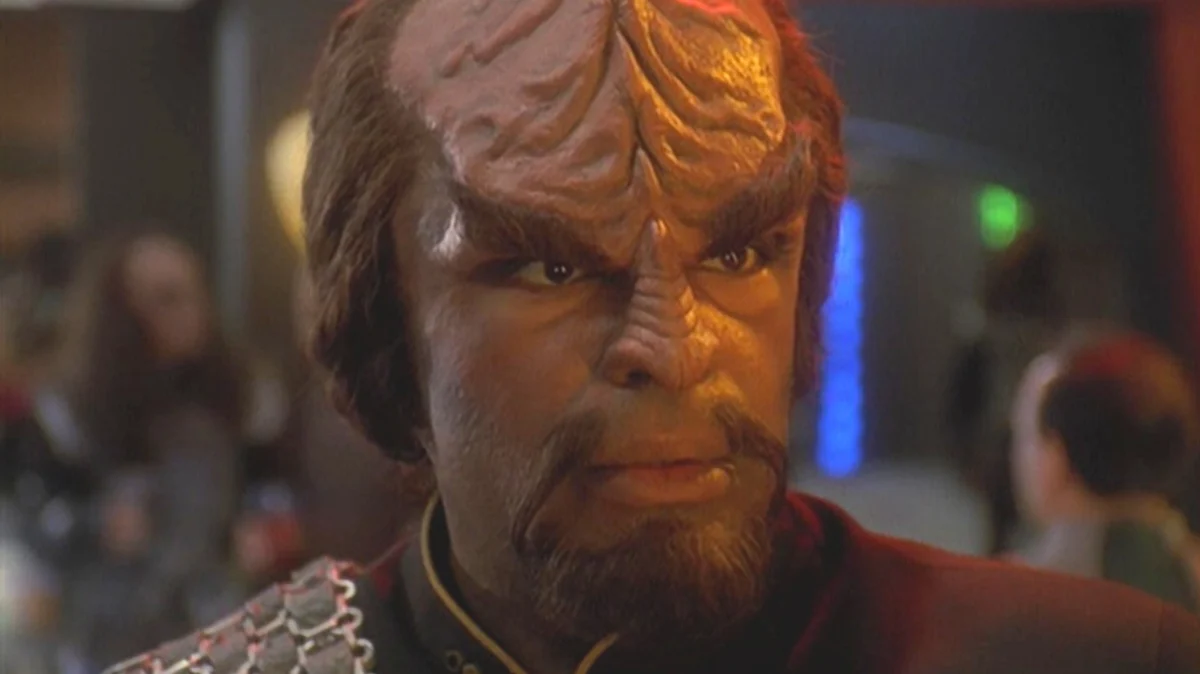
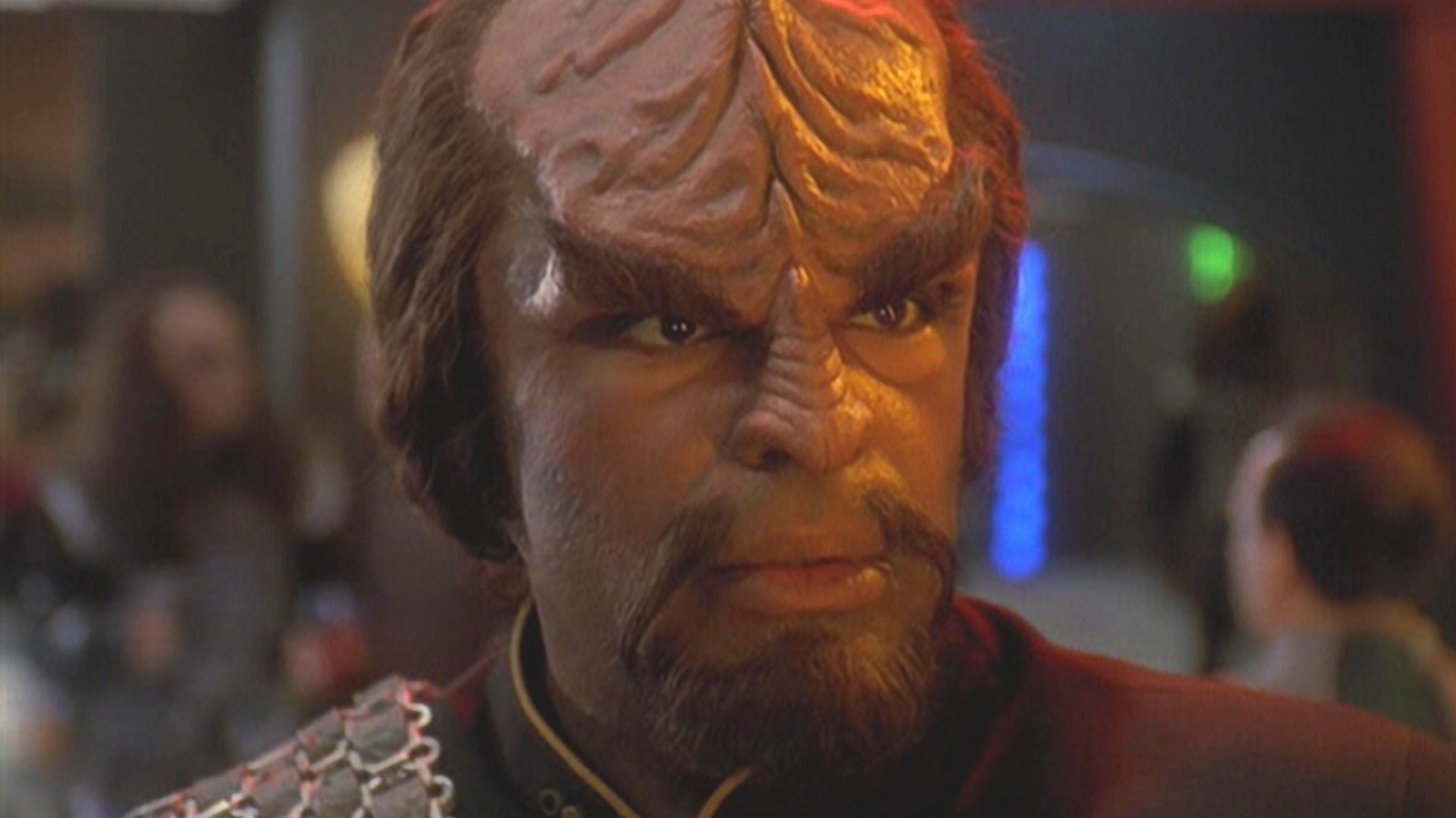
When actor Michael Dorn stepped onto the promenade of Star Trek: Deep Space Nine (DS9) as Lieutenant Commander Worf at the start of Season 4, it marked a historic milestone for the Star Trek franchise. It was the first time a primary series regular made a permanent transition from one Star Trek television series to another. Dorn, who holds the record for appearing in more episodes of Star Trek than any other actor in history, brought an immediate jolt of energy to a station that was struggling to retain its viewership amid a rapidly changing television landscape.
The decision to fold the beloved Klingon security chief into the Deep Space Nine ensemble was not merely a creative whim; it was a calculated business and narrative strategy. Facing mounting pressure from an increasingly crowded 1990s science-fiction television market and worrying feedback that viewers of Star Trek: The Next Generation (TNG) were abandoning Deep Space Nine, the show’s producers needed a high-stakes narrative earthquake. By introducing the Klingon Empire’s breaking ties with the United Federation of Planets and positioning Worf directly at the center of that geopolitical firestorm, the creative team achieved their goal: they lured lapsed fans back to the station, revitalized lagging ratings, and set the stage for some of the most compelling serialized storytelling in franchise history.
Chronology: From the Enterprise to Terok Nor
The TNG Era and the End of an Enterprise
For seven seasons, Michael Dorn defined the honor-bound, stoic, and fiercely loyal Klingon warrior Worf aboard the USS Enterprise-D under the command of Captain Jean-Luc Picard. When Star Trek: The Next Generation concluded its immensely successful television run with the 1994 series finale "All Good Things…", the cast immediately transitioned into feature-length films, beginning with Star Trek Generations (1994). However, as Deep Space Nine entered its third production block, the creative team behind the station-bound spin-off realized that their show needed a dramatic injection of momentum.
The Ratings Panic of 1994–1995
During DS9’s third season (airing through 1994 and 1995), ratings remained solid by syndication standards, but the television landscape was shifting beneath Paramount’s feet. A proliferation of competing sci-fi shows began flooding the airwaves, and early murmurs suggested that The Next Generation loyalists—who favored the exploratory, ship-based format of TNG—were not making the jump to a static, politically complex space station.
As co-creator Rick Berman candidly admitted in the 1997 retrospective book The Trekker’s Guide to Deep Space Nine, "We got the feeling in the last year that The Next Generation viewers had stopped watching DS9. We needed to get viewers to resample the show, and we thought having the Klingons back would do the trick."
The Negotiations and the Makeup Chair Standoff
Securing the character of Worf was only half the battle; getting Michael Dorn to sign on the dotted line proved to be a delicate diplomatic dance. Initial reports from TV Guide (highlighted in The Trekker’s Guide) indicated that Dorn had initially turned down the offer. His hesitations were multi-layered: he felt the financial compensation package offered by Paramount was inadequate, he harbored legitimate concerns that a demanding television schedule would conflict with the ongoing TNG feature film schedule, and, perhaps most pressingly, he was utterly exhausted by the prospect of enduring hours in the prosthetic makeup chair to apply Worf’s iconic Klingon cranial ridges.
Ultimately, negotiations bore fruit. Dorn signed a lucrative three-year contract that included explicit scheduling carve-outs for the TNG films and streamlined makeup application processes that capped his time in the chair. He officially joined the DS9 crew for the Season 4 premiere, "The Way of the Warrior," shifting the trajectory of the series forever.
Supporting Data: The Metrics of a Franchise Gamble
To understand the weight of bringing Worf onto Deep Space Nine, one must examine the television ecosystem of the mid-1990s. Syndicated television was a high-stakes, ratings-driven arena where shows lived or died by household shares.
The Ratings Boost: Season 4 of Deep Space Nine saw a noticeable stabilization and resurgence in viewership demographics, particularly among urban syndication markets where The Next Generation had previously reigned supreme. "The Way of the Warrior" scored massive ratings upon its debut in October 1995, proving that the cross-over stunt successfully captured audience curiosity.
Episode Milestone: Michael Dorn ultimately appeared in over 100 episodes of Deep Space Nine across its final four seasons (Seasons 4 through 7), cementing his status as a foundational pillar of the show’s later, darker Dominion War narrative arcs.
The Film Balancing Act: Throughout his tenure on DS9, Dorn simultaneously filmed Star Trek: First Contact (1996), Star Trek: Insurrection (1998), and Star Trek: Nemesis (2002). This required the TNG film writers to periodically craft logical narrative justifications for why Worf was temporarily leaving Deep Space Nine to rejoin Starfleet’s flagship fleet.
Official Responses and Perspectives: Behind the Scenes
The integration of Worf into the Deep Space Nine ensemble required careful coordination between the writers’ room, studio executives, and the actor himself.
Reflecting on his initial reluctance in a 2012 retrospective interview with StarTrek.com, Michael Dorn downplayed earlier circulating rumors that money was the absolute bottom line for his return. While he had previously joked about financial compensation being the primary motivator to face the daily torture of the prosthetic chair, Dorn clarified:
"The money never really entered into it… I guess I was surprised that sighed ‘Yes’ [in spite of the makeup issue]. But it wasn’t like, ‘Oh my God, what am I doing?’ It was more like, ‘Yeah, that sounds great. Let’s talk about it.’"
From a narrative perspective, the writers’ room faced a fascinating world-building puzzle: how to integrate a Starfleet officer whose entire cultural identity was rooted in the Klingon Empire at a time when the Federation and the Klingons were plunging into total war. Executive producer Ira Steven Behr and showrunner Robert Hewitt Wolfe recognized that Worf’s internal conflict—caught between his human upbringing by the Rozhenkos and his fierce, ancestral Klingon pride—made him the ultimate lens through which to explore the season’s geopolitical upheavals.
When the Klingon Empire unilaterally broke its alliance with the Federation and attacked Cardassian space in Season 4, Worf’s principled refusal to support Chancellor Gowron’s aggressive expansionism cost him his lands, his title, and his family honor. Yet, it anchored him firmly to Deep Space Nine, transforming him from a visiting guest star into an integral, protective brother-in-arms to Commander Benjamin Sisko, Major Kira Nerys, and security officer Odo.
Implications: How Worf Permanently Altered Deep Space Nine
The addition of Worf to Star Trek: Deep Space Nine transcended a simple ratings gimmick; it fundamentally altered the DNA of the series and established several vital precedents for modern television franchises:
Serialized Character Growth: Unlike The Next Generation, which largely practiced episodic resets, Deep Space Nine thrived on serialized continuity. Worf’s presence allowed for deep, multi-season character arcs, most notably his complex, star-crossed romance with Jadzia Dax and his ongoing familial reckonings with his brother, Kurn.
Expanding the Lore of the Alpha Quadrant: By anchoring a primary Klingon character to a stationary post, the writers were able to demystify Klingon culture, politics, and spiritual beliefs far beyond what TNG had achieved in brief guest-star episodes. Worf served as the audience’s guide into the halls of Klingon power.
The Blueprint for Modern Crossovers: Long before cinematic universes and television shared universes (such as the modern Marvel Cinematic Union or the current expansive Star Trek Paramount+ era with Discovery, Strange New Worlds, and Lower Decks), Deep Space Nine proved that characters could successfully migrate between distinct television properties without breaking internal narrative logic.
Ultimately, Worf’s journey from the sleek corridors of the Enterprise to the industrial, rugged expanse of Terok Nor proved that television risks are worth taking. By breathing new life into a struggling ratings window, Michael Dorn’s Klingon warrior not only saved Deep Space Nine from early creative stagnation—he helped cement it as one of the most critically revered chapters in science fiction television history.