
On September 27, 2026, the Buffalo Bills will officially inaugurate their state-of-the-art, $2.2 billion Highmark Stadium. The primetime showdown against the Detroit Lions, broadcast to a massive national audience via Amazon Prime Video, serves as more than just a season highlight; it represents the culmination of years of construction, immense capital investment, and, perhaps most importantly, a high-stakes gamble on the loyalty of a transnational fanbase.
As 60,107 fans descend upon Orchard Park, New York, the atmosphere will be thick with the typical fervor of the "Bills Mafia." Yet, amidst the chants and the tradition, a subtle but profound shift in pregame protocol will signal a broader, calculated effort to preserve the franchise’s most vital geographic revenue stream: the Southern Ontario contingent.
A Diplomatic Gesture in Troubled Times
In a departure from traditional NFL pregame customs, the Buffalo Bills have invited the iconic Toronto-based band Barenaked Ladies to perform "O Canada" immediately preceding "The Star-Spangled Banner." While to some, this might appear to be a simple nod to a neighboring country, the decision is a masterclass in corporate communications and customer retention.
At a moment when geopolitical tensions between Washington, D.C., and Ottawa are at a decadal high, the Bills have successfully positioned themselves as a bridge rather than a bystander. For any American enterprise reliant on a cross-border consumer base, this move serves as a blueprint for navigating political friction without alienating one’s core demographic. By choosing to prioritize the inclusion of their northern neighbors, the organization has effectively mitigated a looming revenue crisis before the first whistle even blows.
The Perfect Storm: Challenges Facing Highmark Stadium
The decision to feature the Canadian anthem was not born in a vacuum. The Bills entered the 2026 season facing a perfect storm of operational and public relations hurdles. The new Highmark Stadium, while a marvel of engineering, has faced immediate scrutiny.
A Chronology of Friction
- Capacity and Cost: With the smallest seating capacity in the NFL, the venue has necessitated aggressive pricing strategies. According to data from the Action Network, attending a game at the new stadium is the most expensive experience in the league, with costs for a family of four hovering near the $2,200 mark.
- Structural Criticism: Upon the stadium’s opening this past summer, fans were quick to voice concerns regarding sightlines, with many reporting that support railings and structural elements obstructed their view of the field.
- Regulatory Backlash: New, restrictive tailgating policies—a hallmark of the Bills’ fan culture—led to widespread frustration, fueling a sentiment that the team was drifting away from its grassroots identity.
- The Turf Debacle: Perhaps most damning was the state of the playing field. Just two weeks before the regular season opener, the organization was forced to rip out and replace its natural grass turf, citing "major deformations" that had emerged after only two preseason games.
These factors combined to create a volatile environment. When a product is the most expensive in the market but suffers from "first-year" structural and operational flaws, the margin for error in customer relations narrows to near zero.
The Canadian Economic Anchor
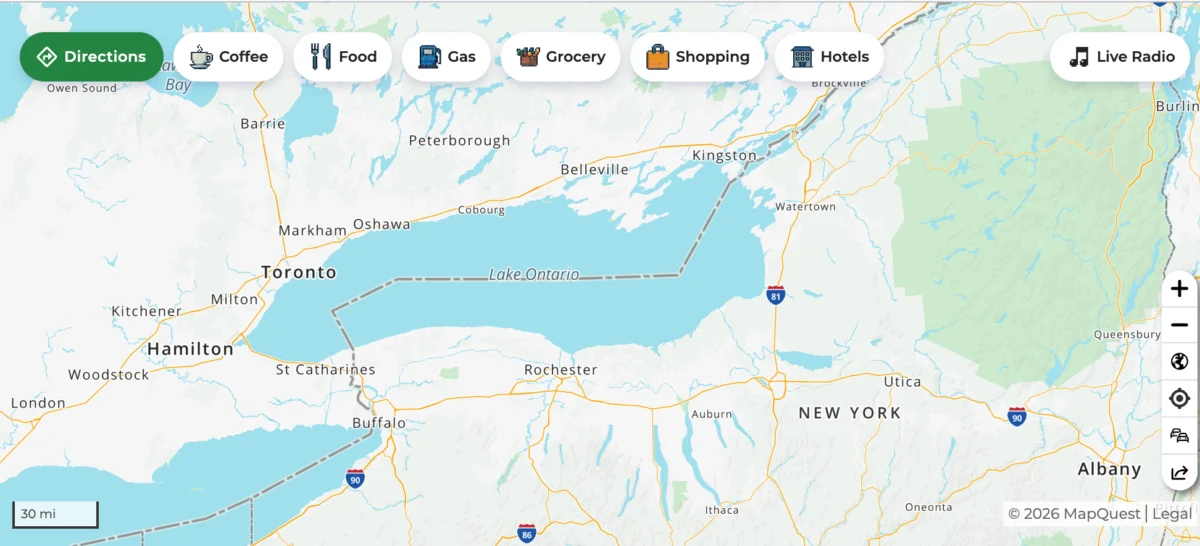
The Buffalo Bills are unique in the NFL for their structural reliance on the Canadian market. Southern Ontario accounts for roughly 18% of the deposits for personal seat licenses (PSLs) at the new stadium. Last season, an estimated 8,000 Canadians held season tickets. In a stadium with limited capacity, those 8,000 bodies represent the difference between a sold-out, high-energy environment and a broadcast littered with visible, empty seats.
However, the economic climate has shifted. Statistics Canada reports that Canadian travel to the United States plummeted by 25% in 2025, representing a total decline of 7.1 million trips and a loss of approximately C$3.3 billion in spending. While early 2026 data suggests a period of stabilization, the lingering impact of diplomatic tensions has made the act of crossing the border a more "careful decision" for the average Canadian consumer.
The Bills were staring down a massive revenue risk. They needed a way to ensure that their Southern Ontario supporters, who have every reason to reconsider their travel and spending, still felt like an integral part of the Bills Mafia.

Redefining the Problem: From Political to Fiscal
The brilliance of the Bills’ strategy lies in how they framed the challenge. Many organizations in their position would have viewed the cross-border tension as an intractable political issue, choosing to keep their heads down and remain silent. The Bills, however, identified it as a clear and present "revenue risk."
By reframing the issue, the front office made it solvable. The decision to integrate "O Canada" into the pregame ceremony is not merely a patriotic gesture; it is an act of brand loyalty. Terry Pegula, who owns both the Bills and the Buffalo Sabres, is well-versed in this dynamic; the Sabres have long featured the Canadian anthem due to their deep connections with the Ontario hockey market. Extending this to the NFL stage is a pragmatic, high-return investment in customer retention.
Official Responses and Public Sentiment
Predictably, the announcement drew mixed reactions. A segment of the fanbase took to social media and local sports radio—specifically WGR 550—to express concern that the anthem choice was a "political statement."
However, the team’s silence in the face of this blowback has been equally strategic. By allowing the gesture to stand on its own rather than engaging in a defensive PR campaign, the Bills have avoided the common pitfall of "corporate narrating." When a company attempts to explain its own benevolence, it often comes across as insincere. By keeping the decision simple and letting the performance occur without a heavy-handed explanation, the Bills have maintained a level of dignity that resonates with the broader, more moderate fan base.
Broader Implications for North American Sports
The Bills are not alone in this precarious position. Other franchises face similar cross-border exposures. The Detroit Lions, for example, play just across the river from Windsor, Ontario. The Seattle Seahawks draw significant support from the Vancouver metropolitan area, while the Miami Dolphins and Tampa Bay Buccaneers rely heavily on Canadian "snowbirds" to fill seats during the winter months.
The Bills’ move provides a playbook for these organizations:
- Acknowledge the Audience: Recognize that your customer base is not confined by national borders.
- Define the Risk: Move beyond the noise of political discourse to address the underlying fiscal reality.
- Execute with Consistency: Gestures must be embedded into the routine, not treated as one-off "special events."
- Resist Over-Communication: Let the action speak for itself; avoid the temptation to over-explain your corporate values.
Conclusion: A Win Before Kickoff
In the world of professional sports, where public relations crises can be as damaging as a string of losses on the field, the Buffalo Bills have managed to score a vital victory. By prioritizing their Canadian audience, they have secured the loyalty of a critical segment of their fanbase at a time when that loyalty is being tested by external forces.
For a franchise that has spent six decades enduring the highs and lows of the NFL, the current front office has shown a surprising, sophisticated grasp of modern communications. They have demonstrated that in an era of intense polarization, the most effective strategy is often to simply show your customers that they matter. As the first notes of "O Canada" echo through the rafters of the new Highmark Stadium on September 27, the Bills will have already achieved what many thought impossible: they have fortified their house against the storm.