
In an era where the lines between corporate neutrality and political alignment are increasingly blurred, three distinct developments—the unexpected surge of a legacy mapping brand, the public information struggle of the U.S. Postal Service, and a sobering new study on corporate trust—have converged to redefine the landscape of modern public relations. For brand leaders, these stories offer a masterclass in how to navigate, or fail to navigate, a high-stakes environment where silence is often interpreted as complicity and transparency is the only remaining currency.
I. The MapQuest Resurgence: A Case Study in Strategic Neutrality
The most striking PR success story of the season involves MapQuest, an internet pioneer that many had consigned to the history books. On August 30, 2026, the mapping platform experienced an unprecedented surge, climbing to the No. 1 spot in the U.S. Apple App Store’s mapping category and reaching the No. 8 spot overall.
The Catalyst
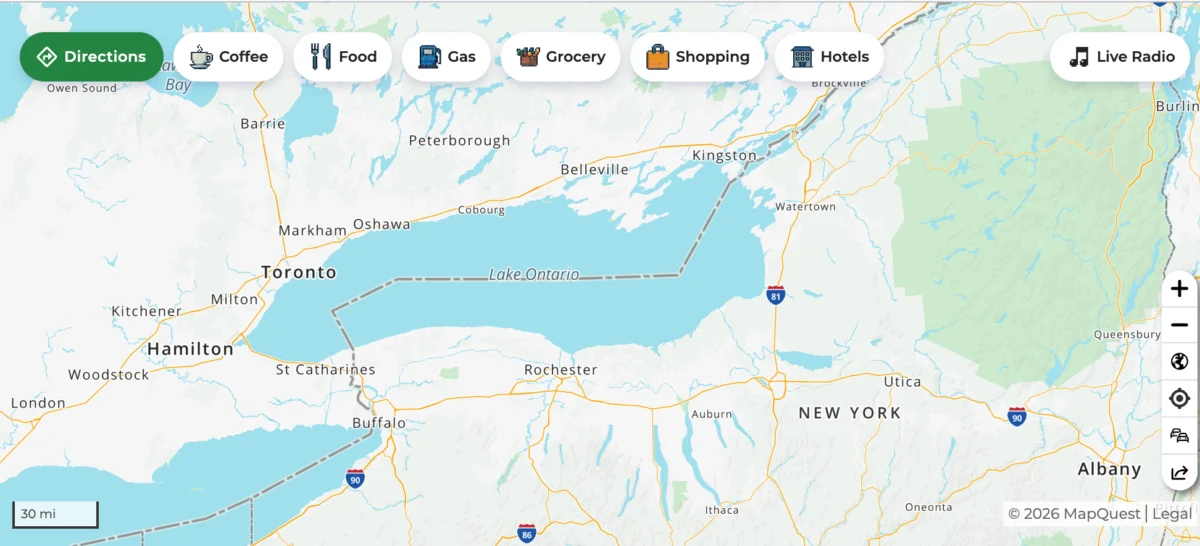
The catalyst for this sudden revival was a simple, user-centric product decision. Following an executive order from President Donald Trump that mandated the renaming of Lake Ontario to "Lake America"—a move rooted in escalating trade tensions with Canada—industry giants Apple Maps and Google Maps complied with the directive, updating their digital geographies accordingly.
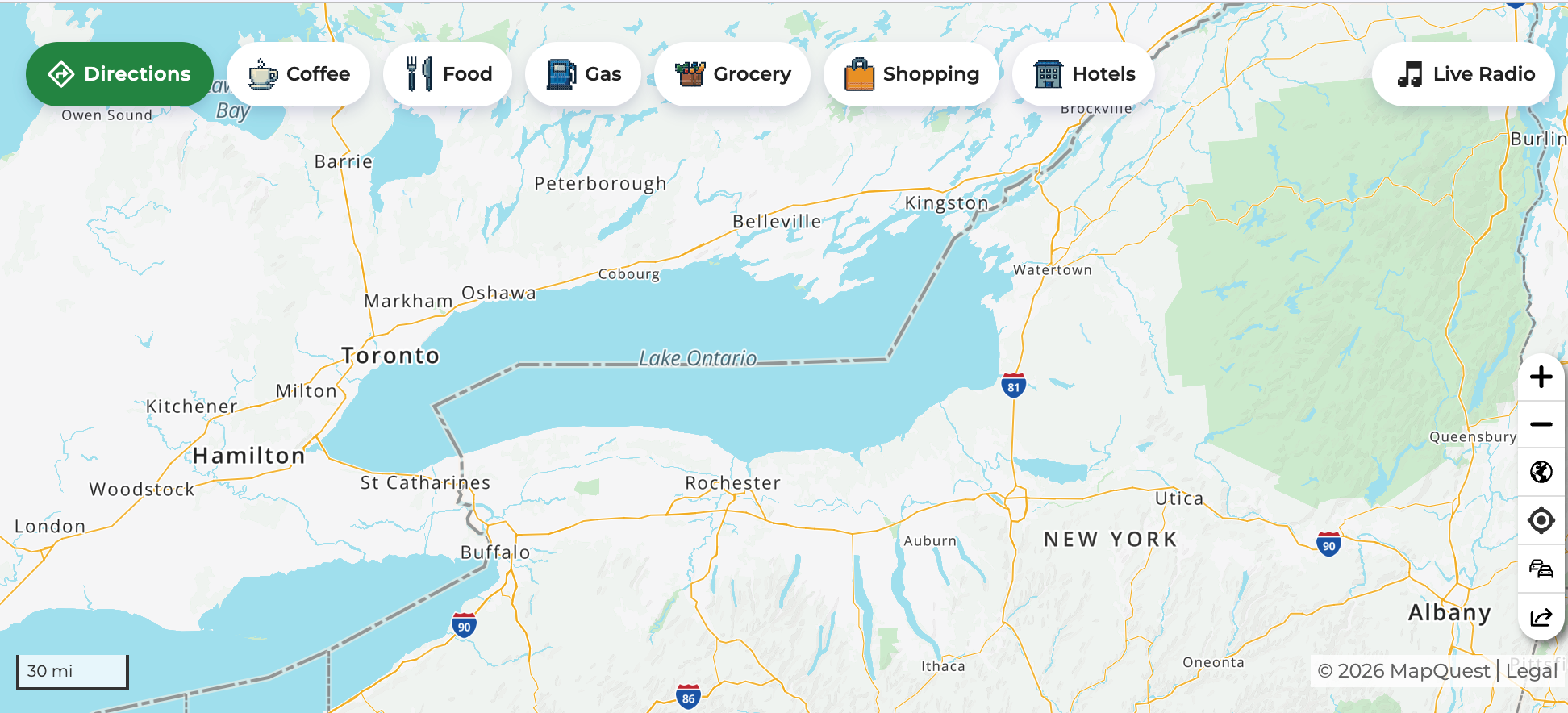
MapQuest, however, chose a different path. The company maintained the original name, "Lake Ontario," on its platform. This was not a novel departure for the brand; it mirrored a previous strategy employed when the administration attempted to rename the Gulf of Mexico to the "Gulf of America." During that earlier controversy, MapQuest not only retained the traditional name but launched a microsite (gulfof.mapquest.com) that allowed users to toggle the naming convention to their preference. By extending this tool to the Lake Ontario controversy, MapQuest signaled a commitment to user familiarity over political capitulation.
Chronology of the Surge
- August 30: MapQuest spikes to No. 1 in the App Store, recording download rates 50 times higher than their daily average.
- August 31: Media analysis begins to highlight the disparity between MapQuest’s "user-first" interface and the compliance-heavy approach of its competitors.
- September 3: General Manager Doug Berger confirms the surge, framing the decision as a commitment to the user experience rather than a political crusade.
II. The USPS and the Perils of Communicating Amid Uncertainty
While MapQuest found a way to win by standing firm, the U.S. Postal Service (USPS) found itself mired in a much more delicate communication crisis. As the midterm election cycle approaches, the agency has become a flashpoint for political maneuvering.
The Conflict
A whistleblower report sent to Sen. Richard Blumenthal (D-Conn.) recently alleged that the USPS had rushed the deployment of a "Federal Ballot Mail Portal." This technology, designed to facilitate absentee voting under the current administration’s executive guidelines, was reportedly deployed without sufficient testing.
The agency’s response—a formal statement on September 1—sought to provide clarity in a climate of legal confusion. The statement focused on three core pillars:
- Voluntary Participation: Emphasizing that state election officials are not forced to use the portal.
- Compliance: Asserting that all actions remain in alignment with current court orders.
- Institutional Integrity: Invoking the pride of postal employees in supporting the democratic process.
Communication Analysis
Industry experts, such as John Guilfoil of John Guilfoil Public Relations, view the USPS statement as an example of "bad effective" communication. In this model, the goal is not necessarily to provide full transparency, but to provide just enough information to satisfy a news cycle without committing to a specific outcome. As the media landscape shrinks and newsrooms become increasingly understaffed, the ability to release "vague strategic non-responsiveness" has become a potent tool for government and corporate actors alike.
III. Data Spotlight: The Erosion of Corporate Credibility
The friction observed in the MapQuest and USPS scenarios is not occurring in a vacuum. A new study from the Resonant Advisory Group and DHM Research paints a grim picture of the current state of corporate trust.
Key Findings
- The 5% Threshold: Only 5% of American consumers view corporate statements as "completely credible."
- Declining Faith: 63% of respondents reported that their trust in crisis communications has diminished over the past 12 months.
- Pre-emptive Skepticism: One-third of consumers enter into an interaction with a brand already harboring deep skepticism, regardless of the message provided.
These figures suggest that the "credibility gap" is widening. Companies are no longer being judged solely on their performance during a crisis; they are being judged on the daily, cumulative interactions that precede any public announcement.
IV. Professional Implications: A Call for New Standards
The convergence of these events suggests that the traditional PR "playbook" is undergoing a structural shift. The implications for the industry are profound, particularly concerning ethics and the role of the communicator.
The Cost of Capitulation
Brett Bruen, President of the Global Situation Room and a former U.S. diplomat, argues that the strategy of capitulation—seen in the compliance of tech giants with political naming mandates—is a short-term survival tactic that carries long-term risks. While such companies may avoid immediate retribution, they risk alienating their base and losing the very brand identity that once defined them. "It may seem like a prudent path to avoid additional retribution," says Bruen, "but it is a short-term solution that may cost consumers and brand loyalty over the long run."
The Need for Ethical Rigor
John Guilfoil contends that the PR industry is at a crossroads. With the erosion of traditional media oversight, the responsibility for maintaining professional standards has fallen back onto the shoulders of the practitioners themselves. He advocates for the adoption of the ethical standards set by the Public Relations and Communications Association (PRCA), including the necessity of "calling out" bad actors.
"If we have a problem with the way an administration or a corporation is conducting its media relations, it is up to us to call it out," Guilfoil asserts. "No one is coming to save us."
Lessons for the Future
The path forward, according to Erik Moser of Resonant Advisory Group, requires a return to the fundamentals. Credibility is not a variable that can be manipulated through clever press releases or tactical silence; it is a discipline.
- Address Actual Issues: Statements must address the concerns that matter to the consumer, not just the concerns of the legal or executive team.
- Simplify Language: Obfuscation is a primary driver of the current trust deficit. Clear, plain language is a prerequisite for credibility.
- Respect the Audience: The most successful brands, as evidenced by the MapQuest surge, are those that provide the audience with the tools to make their own informed decisions, rather than those that dictate a political reality.
V. Conclusion: Navigating the Future
The events of September 2026 serve as a stark reminder that in an age of hyper-polarization, the most successful brands will be those that provide utility and consistency. MapQuest succeeded because it allowed its users to remain in their familiar geography, while the USPS struggled because it was caught in the crosshairs of a broader, systemic decline in institutional trust.
For the modern PR professional, the lesson is clear: corporate credibility is a fragile asset that is built in the mundane, daily interactions of a business. As the gap between what companies say and what audiences believe continues to widen, the brands that win will be those that choose to be transparent, grounded in the realities of their customers, and unafraid to maintain their integrity even when the political winds pull in the opposite direction. The era of the "vague statement" is coming to an end; in its place, a new demand for radical, consistent, and user-focused honesty is rising.