
By Amos Barshad
Main Facts: A Historic Media Consolidation
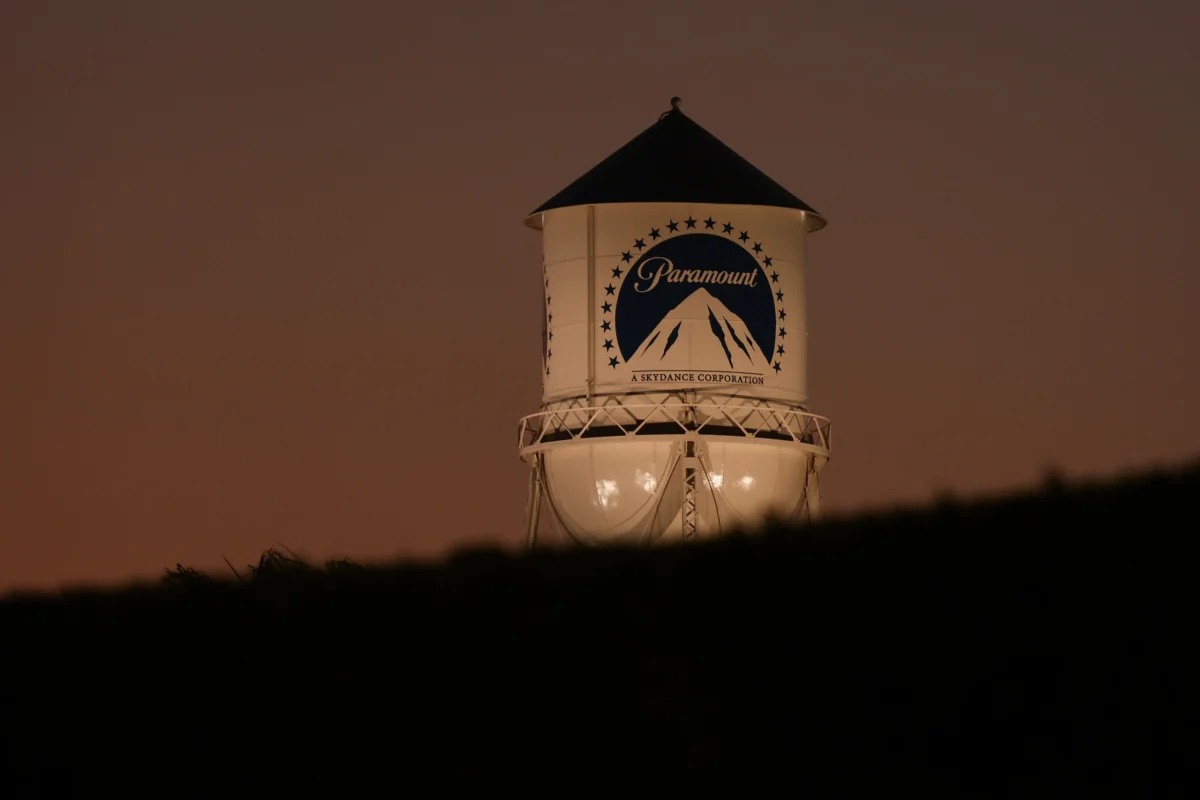
The American media landscape has fundamentally and irrevocably shifted. Following months of tense, high-stakes legal wrangling, a multi-state coalition of attorneys general has officially stepped aside, clearing the path for Paramount’s colossal $111 billion merger with Warner Bros. Discovery (WBD).
Under the terms of a newly minted consent decree, the mega-deal is poised to cross the finish line, uniting an unprecedented array of major entertainment and journalistic entities under a single corporate umbrella. Henceforth, household names such as CNN, CBS News, and a vast Hollywood apparatus will fall under the direct control of a corporate behemoth helmed by the Ellison family—specifically CEO David Ellison.
The consolidation creates a titan burdened by a staggering $78 billion in debt, raising immediate alarms among antitrust experts, labor organizations, and defenders of independent journalism. While state attorneys general managed to extract a series of structural concessions—including the creation of a specialized oversight body and job protections for specific newsroom staff—critics argue that the regulatory firewall ultimately crumbled under political pressure, economic threats, and the inexorable momentum of corporate consolidation.
Chronology: From Resistance to Capitulation
The trajectory of the antitrust challenge against the Paramount-WBD merger was characterized by fierce resistance that steadily eroded under mounting political and financial pressure.
The Coalition Cracks
Up until the final weekend before the settlement was finalized, a faction of state attorneys general—led by Connecticut’s William Tong, alongside counterparts from New York, Massachusetts, and Minnesota—was actively fighting to block the transaction. Deep into Sunday night, Tong recalled maintaining his resistance. "I was fighting. I wasn’t willing to concede until late into the evening," he said.
The primary objective for this dissenting faction was a structural breakup: they pushed aggressively for Paramount to spin off CNN entirely, severing its ties to the "mother ship" in a manner similar to Comcast’s creation of Versant (which rebranded MSNBC as MS Now). However, that objective was never realized.
Accelerated Negotiations and Hard Deadlines
The final weekend negotiations accelerated dramatically under intense pressure from California Governor Gavin Newsom. Reports surfaced that Newsom was in "constant contact" with both negotiating sides as Ellison allegedly threatened to relocate Paramount’s operations out of California if the merger faced continued state-level obstruction.
Simultaneously, a hard financial calendar loomed over the proceedings. Paramount was racing to finalize the transaction ahead of an October 1 deadline. After that date, the company would have been contractually obligated to pay a crippling $7 million per day in "ticking fees" to WBD shareholders. Facing this financial precipice, and with California’s leadership signaling a willingness to compromise, the united front of the state coalition fractured.
Supporting Data: The Anatomy of the Consent Decree
To appease regulators and avoid a protracted trial, Paramount agreed to a series of legally binding stipulations detailed in the consent decree filed in federal court.
- The Editorial Independence Board: Within 180 days of the merger’s completion, Paramount must establish a five-member Editorial Independence Board. Composed of working or retired journalists with a minimum of ten years of experience, the board is tasked with establishing guiding editorial principles and arbitrating internal disputes regarding alleged reporting bias or fairness standards. The language stipulates that no more than two members may be affiliated with the same political party. However, final approval of the board’s members rests with the board of directors of the combined WBD-Paramount—where David Ellison serves as chairman.
- Film Production Commitments: New York Attorney General Letitia James secured a commitment that Paramount will invest $1.5 billion in film production over the next five years, maintaining a baseline of 30 films per year. For every film the studio falls short of this quota, it faces a $30 million penalty, the majority of which will be funneled into entertainment industry worker healthcare funds.
- The Enforcement Mechanism: If Paramount fails to release its mandated 30 films annually, it is granted a six-month grace period to fulfill the quota. Continued failure triggers a punitive measure requiring the company to divest its stake in subsidiary Miramax within a 12-month window.
- WGA Settlement Terms: Recognizing the futility of pursuing a standalone antitrust lawsuit without government backing, the Writers Guild of America (WGA) reached a separate settlement. Paramount agreed to pay the union’s legal fees, contribute $17.5 million to the WGA health fund, and guarantee zero layoffs for CBS News broadcast writers over a five-year period.
Official Responses: Divided Views on a Compromise
Reactions to the consent decree span a wide spectrum, ranging from pragmatic defense by settling attorneys general to scathing rebukes from legal scholars and former federal regulators.
The Defending States
Attorneys general who signed onto the decree defended the outcome as a damage-control victory under adverse circumstances. New York’s Letitia James highlighted the tangible benefits secured for workers and local industries. "Paramount’s commitments will allow the film and television industry to continue to thrive," James stated, pointing to the multi-billion-dollar production investments and healthcare protections.
California Attorney General Rob Bonta struck a far more sober tone during a press conference, making it clear that the settlement did not equal an endorsement. "This settlement is not a vote of support for this merger," Bonta said. "It is not a blessing of the broader merger. Broadly speaking, we believe further consolidation of markets that are central to American economic life doesn’t serve the American economy."
The Detractors
Independent experts and former regulators were unsparing in their critique of the state’s capitulation.
"I hate to say it, but it looks like the California attorney general got played," said John Newman, a law professor at the University of Memphis and a former deputy director of the Federal Trade Commission (FTC) under President Joe Biden. "This is a real loss for California. And worst of all, it looks like California buckled because of fear that the state might lose jobs to other states."
Alvaro Bedoya, a former FTC commissioner and current senior adviser at the American Economic Liberties Project, echoed these sentiments, arguing that Newsom and Bonta "caved to that pressure" from Ellison. Bedoya warned that despite short-term assurances, the underlying economics of the deal will inevitably harm the workforce: "People from LA to Atlanta will lose their jobs."
Speaking anonymously about the irony of the oversight structure—where Ellison and his handpicked board retain veto power over the "independent" editorial board—Connecticut AG William Tong offered a pragmatic, if grim, laugh. Asked if he was concerned by that dynamic, Tong replied, "Yes." He added: "We’re going to watch them like a hawk. And if they don’t honor their commitments to the Editorial Independence Board, we can reopen the consent decree and hold them accountable."
For their part, Paramount’s legal representation defended the long-term outlook of the transaction. Jeffrey Kessler, an attorney representing Paramount, maintained that the merger "will be good for the economics of journalism. CNN’s gonna be healthier." Paramount itself declined to comment further.
Implications: The Future of Media Independence and Political Realities
As the dust settles on the legal battlefield, the broader implications for American journalism and political discourse are profound and unsettling.
The Threat of "Efficiencies" and Job Cuts
The most immediate structural threat to journalism within the merged entity stems from the sheer scale of the debt load. With $78 billion in liabilities to service, the combined corporation will be under immense financial pressure to discover "efficiencies."
As William Tong bluntly noted, "News organizations still generate revenue… And the way that you pull value out of this is through—quote, unquote—efficiencies. That means cutting jobs." Real reporters, investigative units, and foreign bureaus are historically the first casualties when corporate parents prioritize debt reduction over public service journalism.
Editorial Direction Under Ellison and Weiss
The ideological trajectory of the newly consolidated news divisions remains a subject of intense speculation and anxiety. Following his acquisition of CBS, David Ellison installed Bari Weiss—founder of The Free Press and a prominent defender of Israeli government policies, a key priority for Ellison—as the news division’s editor in chief.
Whether Weiss’s editorial philosophy will extend its reach into CNN remains unconfirmed, but the structural vulnerability is clear. Independent, fact-based journalism requires insulation from corporate and political pressures. When news organizations are tethered to heavily indebted conglomerates overseen by partisan or ideologically driven boards, the firewall protecting the newsroom inevitably weakens.
As Tong emphasized, "We need that in this country for a functioning democracy. We need real reporters and real news organizations asking real questions." Yet, despite pushing for a complete spin-off of CNN to protect its editorial integrity, state enforcers were ultimately unable to achieve it.
A Warm Political Reception in Washington
While defenders of the free press mourn the consolidation, the merger has found a remarkably receptive audience in other political circles. The incoming Trump administration has made little secret of its hostility toward traditional media outlets, particularly CNN.
Back in March, as David Ellison was actively pursuing the transaction, Secretary of Defense Pete Hegseth openly voiced his disdain for the network while speaking to reporters. Complaining of "fake news from CNN," Hegseth added a telling endorsement of the corporate takeover: "The sooner David Ellison takes over that network, the better."
Conclusion
The clearance of the Paramount-WBD merger marks the end of an era where state antitrust enforcement could reliably check the ambitions of media monopolies. Bound by financial deadlines, vulnerable to interstate relocation threats, and facing the high costs of protracted litigation, the state coalition ultimately settled for structural band-aids—such as editorial boards with veto-checked independence and temporary layoff protections.
As the Ellison family assumes command of CNN, CBS News, and a massive Hollywood apparatus, the American public is left to watch a high-stakes corporate experiment unfold—one where the health of journalism is subordinated to the servicing of unprecedented corporate debt.