The media and entertainment landscape is undergoing its most significant structural correction in decades. As legacy giants grapple with the rapid erosion of linear television revenue and the high costs of the streaming transition, the workforce is bearing the brunt of the adjustment. Recent data and insider reports suggest that the industry is not merely experiencing a temporary dip, but a fundamental downsizing that will reshape the job market for years to come.
From Warner Bros. Discovery (WBD) to Disney, NBCUniversal, and beyond, a wave of voluntary buyouts (VBOs), early retirement packages, and looming involuntary layoffs is signaling a "new normal" for media professionals.
Main Facts: The Scope of the Downsizing
Current intelligence indicates that Warner Bros. Discovery is seeing a significant uptake in its voluntary buyout program. Sources close to the company report that approximately 40% of employees offered the VBO in the United States have accepted the terms. While the total number of employees eligible for the offer remains undisclosed, the high acceptance rate points to a workforce that is either wary of future stability or enticed by the current severance packages.
The packages themselves are substantial, typically offering between five to nine months of severance pay. In a move to soften the blow, the company has also included early stock vesting for existing Restricted Stock Units (RSUs). However, these packages notably exclude the 2026 grants associated with the proposed Skydance transition, signaling that the company is tightly managing its future equity obligations.
Meanwhile, at Disney, the landscape is shifting from voluntary attrition to mandatory restructuring. While early retirement packages have seen significant uptake—particularly among tenured staff—multiple sources indicate that the Mouse House is preparing for a wave of involuntary layoffs before the end of the year. Estimates suggest these cuts could impact 15% to 20% of headcount in specific departments, a move intended to streamline operations following a summer of smaller, targeted reductions across Pixar, ESPN, and Disney Entertainment Television.
Chronology: A Timeline of Strategic Retrenchment
The current crisis did not emerge in a vacuum. It is the culmination of years of aggressive expansion in the streaming wars followed by a brutal correction in the capital markets.
- Summer 2026: Disney initiates a series of surgical layoffs across its creative hubs, including Pixar and its television production divisions. These cuts were framed as necessary "restructuring" efforts to align with the company’s pivot away from traditional linear TV models.
- Early November 2026: Reports emerge regarding the high acceptance rates of WBD’s U.S. voluntary buyout offers. The international rollout of these programs continues, with the United Kingdom’s deadline set for November 18.
- November 17, 2026: Disney is scheduled to release its fiscal Q4 2026 earnings report. Analysts and employees alike are watching this date closely for any official commentary on headcount reduction strategies.
- November 23, 2026: Industry analysts and community leaders have begun organizing support initiatives, such as open-forum Zoom sessions, to assist displaced media professionals with career transitions and LinkedIn optimization.
Supporting Data: The Ripple Effect Across the Industry
The volatility is not confined to WBD and Disney. Conversations with over 60 industry professionals—ranging from those at NBCUniversal and Peacock to those at the legacy-heavy Sky network—reveal a contagion of uncertainty.
The Comcast-Sky Factor
The cuts at Comcast-owned Sky have been described by insiders as "deep." Unlike some of the voluntary programs seen elsewhere, the reduction at Sky has been aggressive, reflecting the broader challenges facing European media conglomerates that are struggling to maintain margins in a fractured digital market.
The Roku and Fox Outlook
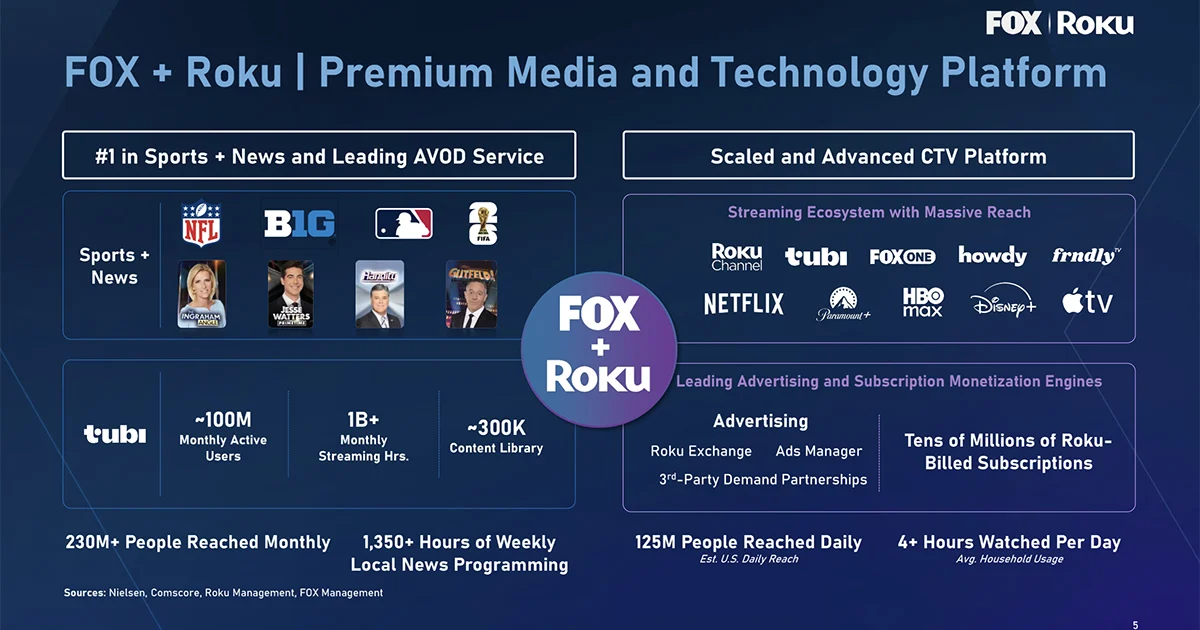
While specific layoff figures for Roku and Fox remain speculative, the sentiment among middle and upper management is one of guarded anxiety. Roku, which has seen its hardware and advertising business face stiff competition from tech giants, is reportedly looking at internal efficiencies. The lack of formal announcements has not stopped the rumor mill, and employees at both companies are bracing for what many believe is an inevitable reduction in staff.
Official Responses and Corporate Strategy
To date, most major media conglomerates have maintained a "no comment" stance regarding specific layoff percentages, preferring to discuss "operational efficiencies" and "long-term strategic alignment" during investor calls.
The silence from the C-suite is, in many ways, strategic. By avoiding public confirmation of specific percentages, companies retain the flexibility to scale their cuts based on quarterly earnings performance and stock market volatility. However, the lack of transparency has created a vacuum that is currently being filled by third-party analysts and internal leaks, often leading to panic among the rank-and-file.
At Disney, the focus remains on the upcoming Q4 earnings report. CEO Bob Iger and his leadership team are under immense pressure to prove that the company’s streaming platforms are not just growing, but becoming sustainably profitable. In the world of modern media, "profitability" is almost always synonymous with "lower headcount."
Implications: The Hard Truth About the Media Job Market
The most difficult pill for the industry to swallow is the long-term outlook. The "bottom line" for media and entertainment is that the supply of talent currently vastly exceeds the demand for new roles.
1. The Death of the Growth Era
For the better part of a decade, the "streaming boom" fueled an insatiable demand for content, creators, and support staff. That era is definitively over. The market has reached a saturation point, and companies are now focusing on content curation rather than content volume. This means fewer green-lit projects, smaller production teams, and a permanent reduction in the administrative overhead required to manage massive media libraries.
2. A Multi-Year Downturn
Predictions that the industry will rebound in 2027 are increasingly viewed as overly optimistic. Experts suggest that we should not expect meaningful growth in headcount for the next several years, if at all. The industry is moving toward a leaner, more automated, and more tech-dependent model, which inherently requires fewer human beings.
3. The Shift in Skills
The jobs that remain are shifting. The days of "generalist" media roles are fading; companies are now prioritizing roles that sit at the intersection of data science, AI-assisted production, and hyper-targeted advertising. For those currently looking for work, the competition is not just against former colleagues, but against a technological tide that is fundamentally changing what it means to work in entertainment.
Conclusion: Facts Over Fear
The current situation is, without sugarcoating, a systemic contraction. Professionals currently in the industry should prioritize "facts over fear." This means:
- Understanding Severance: If a VBO is offered, evaluate it against the reality of the current job market. In some cases, taking a package now may be preferable to being laid off later with less generous terms.
- Networking: The traditional job board is currently an ineffective tool. The sheer volume of applicants means that referrals are more critical than ever.
- Skill Diversification: Consider how your skills translate outside of traditional media. The crisis in media is not a crisis of talent; it is a crisis of a business model that is being forced to shrink.
As we move toward the end of 2026, the media industry will continue to purge its excesses. While this period is undoubtedly painful for thousands of families and professionals, it is a necessary—albeit brutal—evolution of a sector that spent too long ignoring the math of its own sustainability. For those caught in the crosshairs, the focus must shift from waiting for the "good old days" to return, and toward building a future in a landscape that has permanently changed.